

Learn about advanced treatment options for lung metastases, including TPCE treatment, TACP treatment, and dendritic cell immunotherapy in Germany, with structured diagnostics, clinical trials, and international patient support through TIG.
Advanced Treatment Options for Lung Metastases
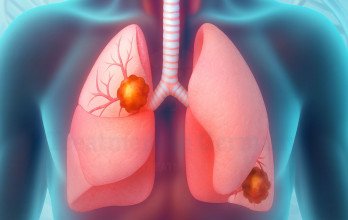
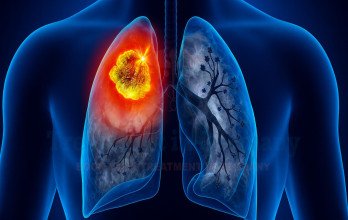
Lung metastases develop when cancer cells from a primary tumor in another organ travel through the bloodstream or lymphatic system and establish secondary growths in the lungs. Unlike primary lung cancer, metastatic tumors in the lungs retain the biological characteristics of the original cancer, which directly influences treatment selection.
Because lung involvement often signals advanced disease, treatment planning focuses on disease control, symptom management, and long-term stability rather than localized tumor removal alone. Many international patients explore Germany cancer treatment pathways because of the country’s structured oncology systems, regulated clinical standards, and multidisciplinary evaluation models.
Advanced treatment planning in Germany is guided by experienced oncology teams, including interventional oncology expertise led by Prof. Vogl, a specialist in image-guided regional cancer therapies, and advanced immune-based oncology programs associated with Prof. Gansauge, known for his focused work in cell-based cancer immunotherapy. International patients receive coordinated care with complete logistical assistance through Treatment in Germany (TIG) at www.treatmentingermany.de , ensuring a structured and supported treatment journey.
Understanding Lung Metastases in Advanced Cancer
Lung metastases indicate systemic disease rather than a localized condition. Cancer cells may spread to the lungs from various primary tumors, and their behavior depends on the original cancer type, its growth rate, and molecular characteristics. This is why treatment strategies for lung metastases differ significantly from those used for primary lung tumors.
Management approaches aim to control tumor activity, reduce symptom burden such as breathlessness or fatigue, and preserve organ function. German cancer treatment framework emphasizes individualized planning, structured diagnostics, and ongoing reassessment to support patients through complex disease courses.
Types of Cancer That Commonly Cause Lung Metastases

Several cancers have a known tendency to spread to the lungs during advanced stages. These include colorectal cancer, breast cancer, kidney cancer, sarcomas, gynecological cancers, head and neck cancers, and certain gastrointestinal tumors. Each of these cancers behaves differently once lung involvement occurs, which is why treatment decisions are always based on the primary tumor type rather than lung location alone.
Identifying the origin of metastatic disease is essential because it determines whether interventional oncology procedures, immune-based therapies, or combined approaches are appropriate.
Diagnostic Evaluation before Advanced Therapy
Before advanced cancer treatment options are considered, patients undergo structured diagnostic evaluation to assess the number, size, and distribution of lung lesions as well as disease activity elsewhere in the body. These findings help specialists determine whether regional interventional approaches or systemic immune-based therapies may provide benefit.
Germany is often chosen for advanced oncology treatment because diagnostic workflows are standardized, transparent, and guided by multidisciplinary review rather than isolated decision-making.
TPCE Treatment for Cancers with Lung Metastases

TPCE Treatment (Transpulmonary Chemoembolization) is an interventional oncology technique evaluated in selected patients with cancers that have formed lung metastases. This approach focuses on delivering chemotherapy directly to lung tumor regions using image-guided catheter techniques, allowing higher local drug exposure while limiting unnecessary systemic impact.
During TPCE Treatment, chemotherapy is administered in a controlled manner to target tumor-affected lung areas. This localized delivery helps concentrate treatment where it is needed most while reducing exposure to healthy tissues. Patients are monitored during and after the procedure, and follow-up imaging is used to assess response and guide further planning.
The cost of TPCE Treatment in Germany typically ranges between €8,000 and €9,000 per session, depending on procedural complexity and individual treatment planning. Suitability is determined through comprehensive medical evaluation.
TACP Treatment for Cancers with Lung Metastases

TACP Treatment (Transarterial Chemoperfusion) is another interventional oncology option evaluated when regional tumor control is required in metastatic disease involving the lungs. Unlike embolization-based approaches, this therapy delivers chemotherapy through tumor-supplying vessels while maintaining blood flow, allowing sustained exposure of cancer tissue to therapeutic agents.
Before TACP Treatment, angiographic planning is performed to identify tumor-feeding circulation. Chemotherapy is then infused in a controlled manner under imaging guidance. Patients are observed throughout the procedure and during recovery, and follow-up assessments help determine whether additional sessions are needed.
The cost of TACP Treatment in Germany generally falls within the €8,000 to €9,000 per session range, depending on disease extent and procedural planning.
Immunotherapy Dendritic Cell Therapy for Lung Metastases

Immunotherapy Dendritic Cell Therapy for lung metastases in Germany, is a personalized immune-based treatment evaluated for advanced metastatic disease, including lung metastases. Rather than directly destroying tumors, this approach focuses on immune education and immune surveillance, helping the body better recognize cancer-related markers.
The process begins with medical evaluation to confirm suitability. A blood sample is collected, and immune cells known (monocytes) are isolated and processed in an EU-GMP certified laboratory. These cells are exposed to tumor-specific antigens so they mature into dendritic cells capable of presenting cancer signals to the immune system. The prepared cells are administered back to the patient as a personalized dendritic cell vaccine.
The cost of Immunotherapy Dendritic Cell Therapy in Germany typically ranges between approximately €24,000 and €26,000, covering immune cell collection, laboratory processing, vaccine preparation, and administration. This therapy is evaluated as part of a comprehensive disease-management strategy rather than a standalone solution.
Combining Regional and Immune-Based Approaches
In selected cases, regional interventional oncology procedures and immune-based therapies may be evaluated together. This combined strategy aims to control dominant tumor sites while supporting systemic immune recognition. German oncology teams carefully coordinate treatment sequencing to avoid unnecessary overlap and ensure patient safety.
New Clinical Trials for Lung Metastases in Germany
Germany supports structured oncology research, and some patients with lung metastases may be evaluated for new clinical trials depending on primary tumor type, treatment history, and eligibility criteria. These trials may explore optimized interventional techniques, immune-based therapies, or novel combination strategies. Participation is always based on formal medical review, and availability changes over time.
Why International Patients Choose Germany for Lung Metastases treatment
Germany is frequently considered among the best places for advanced cancer treatment because of its regulated medical systems, advanced diagnostics, and transparent care pathways. For advanced disease Treatment in Germany (TIG) at www.treatmentingermany.de provides end-to-end coordination for international patients, including medical appointments, hospital communication, travel planning, and documentation support. This structured coordination allows patients to focus on treatment rather than logistics.
🌍Why Patients Worldwide Prefer Our Medical Services in Germany – Key Benefits Explained:




































.webp)
 (1).webp)

.webp)


.jpg)

 (1).webp)


.jpg)