

Stage 4 small cell lung cancer is an aggressive disease that requires prompt, personalised treatment. This article explains its symptoms, diagnosis, standard therapies, and newer treatment options available in Germany, including immunotherapy, dendritic cell therapy, TPCE, and TACP. It also covers combination treatments, eligibility, survival, clinical evidence, treatment costs, side effects, and leading cancer centres.
New Treatments for Stage 4 Small Cell Lung Cancer in Germany
Stage 4 small cell lung cancer (SCLC) is an aggressive cancer that has usually spread beyond the lungs by the time it is diagnosed. While it is rarely curable at this stage, advances in immunotherapy, personalised treatment strategies, and specialised cancer care are improving outcomes for some patients. Median survival with platinum-based chemotherapy, the historic backbone of care, has remained in the range of ten to twelve months for decades. New treatment approaches, particularly chemo-immunotherapy and selected emerging therapies available through clinical trials or specialized centers, have improved outcomes for some patients.
Patients can access specialised thoracic oncology centres that offer multidisciplinary care, advanced molecular diagnostics, checkpoint immunotherapy, dendritic cell therapy, and catheter-based interventional procedures. Some of these treatment approaches may not be widely available in every healthcare system. TIG GmbH supports international patients through the full process, from medical record review to treatment coordination and post-treatment follow-up.
What Is Stage 4 Small Cell Lung Cancer?
Small cell lung cancer (SCLC) is staged using two classifications: SCLC is commonly classified using both the Veterans Administration Lung Study Group (VALSG) system (limited-stage versus extensive-stage) and the TNM staging system. Extensive-stage disease accounts for approximately 60 to 70 percent of all SCLC diagnoses at presentation [1]. Once classified as extensive-stage, the disease has typically spread beyond what radiotherapy can safely encompass.
The distinction matters clinically. Limited-stage patients may benefit from concurrent chemoradiotherapy with curative intent. Extensive-stage SCLC requires systemic treatment from the outset because the disease has already spread beyond the lung. Understanding small cell lung cancer stages is the first step in evaluating which treatment pathways are realistic for a given patient.
How Small Cell Lung Cancer Becomes Metastatic
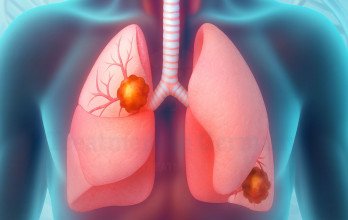
SCLC is characterised by rapid doubling times and early haematogenous spread. Metastases are frequently present at the time of first imaging, even when the primary tumour appears relatively small. Metastatic lung cancer from SCLC most commonly involves the liver, adrenal glands, bone, brain, and contralateral lung.

The question of where does lung cancer spread to first in SCLC often has a different answer than in non-small cell disease. Hepatic and bone involvement are disproportionately common, and brain metastases occur in roughly 10 percent of patients at diagnosis, and the cumulative incidence exceeds 50% during the disease course in the absence of prophylactic cranial irradiation (PCI), although modern MRI surveillance has influenced contemporary management strategies [2].
Symptoms and Diagnosis of Stage 4 Small Cell Lung Cancer
In Stage 4 SCLC, symptoms often reflect how far the disease has spread. A comprehensive diagnostic assessment confirms the stage, identifies metastatic sites, and guides treatment planning.
Common Symptoms of Stage 4 Small Cell Lung Cancer
Small cell lung cancer symptoms vary depending on the location of the primary tumour and its metastases. Because SCLC often arises centrally, airway symptoms predominate early. As the disease spreads, metastatic lung cancer symptoms reflect the organs involved.
- Respiratory: Persistent cough, haemoptysis, dyspnoea or recurrent chest infections from central airway involvement.
- Systemic: Unexplained weight loss, profound fatigue, and reduced appetite are common across all metastatic stages.
- Neurological: Headache, confusion, or focal neurological deficits when brain metastases are present.
- Musculoskeletal: Bone pain at sites of skeletal metastases.
- Hepatic: Right upper quadrant discomfort or jaundice with extensive liver involvement.
- Paraneoplastic: SCLC has a uniquely high frequency of paraneoplastic syndromes, including SIADH, Lambert-Eaton myasthenic syndrome, and Cushing syndrome, caused by ectopic hormone secretion.
Imaging, Biopsy, and Molecular Testing in Germany
Diagnosis requires tissue confirmation alongside comprehensive imaging. CT of the chest and abdomen, MRI of the brain, and PET-CT for systemic staging are standard. Bronchoscopy with biopsy or CT-guided biopsy of an accessible metastasis confirms the histological subtype.
Molecular profiling in SCLC differs from non-small cell disease. Actionable driver mutations are rare, but tumour mutational burden assessment, DLL3 expression testing, and immune biomarker profiling now guide treatment selection. Liquid biopsy for circulating tumour DNA is increasingly used for monitoring. At specialised thoracic oncology centres, molecular results are reviewed by a multidisciplinary tumour board before treatment is initiated.
Patients seeking a specialist second opinion can submit existing imaging and pathology for remote review before making any travel arrangements.
Standard Treatment for Stage 4 Small Cell Lung Cancer
Standard treatment remains the foundation of care for small cell lung cancer stage 4. Treatment is individualized according to the extent of disease, the patient's overall health, and treatment goals, with different therapies often combined to improve disease control, relieve symptoms, and extend survival where possible.

Chemotherapy and Radiation Therapy
Standard first-line chemotherapy for stage 4 lung cancer in SCLC consists of platinum-based doublet therapy, either cisplatin or carboplatin combined with etoposide. This regimen induces responses in 60 to 70 percent of extensive-stage patients, but the disease almost universally relapses within six to twelve months [1].
Thoracic radiation therapy after chemotherapy may be offered to patients who achieve a good systemic response, reducing the risk of local progression. Prophylactic cranial irradiation (PCI) has historically been used to reduce the risk of brain metastases, though its routine use is now debated given the availability of close MRI surveillance as an alternative.
Second-line options for relapsed disease include topotecan, lurbinectedin (approved in the United States; available on a named-patient or trial basis in Germany), and, where eligibility criteria are met, re-challenge with platinum-etoposide for late-relapsing patients.
Personalised Treatment Planning
German thoracic oncology centres present every patient with stage 4 small cell lung cancer at a multidisciplinary tumour board before and during treatment. This meeting brings together thoracic surgeons, medical oncologists, radiation oncologists, interventional radiologists, pulmonologists and palliative care specialists. The result is an individualized treatment plan that reflects the patient's functional status, comorbidities, molecular profile, and treatment goals.
Following multidisciplinary review, eligible patients may be offered advanced or investigational therapies alongside standard treatment when clinically appropriate. This approach allows specialists to tailor treatment according to the therapies available and the patient's response over time.
Emerging Treatment Options for Stage 4 SCLC
Advances in cancer treatment have expanded the options available for selected patients with stage 4 SCLC. Alongside standard chemotherapy, newer immunotherapies and individualized treatment approaches are being integrated into care at specialized centers in Germany.
Immunotherapy for Stage 4 SCLC
Immunotherapy for stage 4 lung cancer has transformed first-line treatment in SCLC. Two PD-L1 checkpoint inhibitors, atezolizumab and durvalumab, are now incorporated into first-line regimens on the basis of landmark phase III data.
The IMpower133 trial established atezolizumab plus carboplatin-etoposide as a new standard of care for extensive-stage SCLC. In that trial, adding atezolizumab improved median overall survival to 12.3 months compared with 10.3 months for chemotherapy alone, with a hazard ratio of 0.76. The one-year survival rate was 51.9% versus 39.0% in the chemotherapy-only group [3].
Durvalumab added to platinum-etoposide, evaluated in the CASPIAN trial, demonstrated a median overall survival of 12.9 months versus 10.5 months for chemotherapy alone, with a hazard ratio of 0.71 [4]. Both agents are approved by the European Medicines Agency and are used in immunotherapy for small cell lung cancer in Germany within their approved indications.
For patients with relapsed disease, the anti-DLL3 bispecific T cell engager tarlatamab has shown early promise. In a phase I study, tarlatamab achieved an objective response rate of 23.4% in heavily pretreated patients, with a median duration of response of 12.3 months [5].It is Important to notice that Tarlatamab has progressed beyond early phase I evidence and has received regulatory approval in some jurisdictions for previously treated extensive-stage SCLC, although approval status varies internationally.
Access to newer immunotherapy agents depends on regulatory approval, clinical eligibility, and availability at specialist centres.
Dendritic Cell Therapy for Stage 4 Small Cell Lung Cancer
Dendritic cell therapy is a personalized immunotherapy that uses the patient's own immune cells. Monocytes are collected from the patient's blood, matured into dendritic cells in the laboratory, and then loaded with tumour antigens specific to that patient's cancer. When reinfused, these primed cells activate tumour-specific cytotoxic T lymphocytes capable of targeting cancer cells that carry those antigens.

The biological rationale in SCLC is particularly relevant. SCLC is characterised by high immunosuppression and a tumour microenvironment that blunts standard T cell responses. And experimental vaccine approaches aim to enhance tumor-specific T-cell activation despite the immunosuppressive tumor microenvironment. Dendritic cell vaccines are being investigated as a way to stimulate a more targeted immune response by activating tumour-specific T cells outside the immunosuppressive tumour environment.
Dendritic cell therapy is currently considered for carefully selected patients and is being explored as part of individualized treatment approaches in Germany. Its role continues to evolve as additional clinical evidence becomes available.
Patients interested in this treatment can undergo an eligibility assessment based on their medical history, imaging and pathology reports before treatment planning begins.
TACP and TPCE for Selected Patients with Advanced Lung Cancer
Transarterial Chemoperfusion (TACP) and Transpulmonary Chemoembolization (TPCE) are catheter-based interventional oncology procedures developed and refined in Germany, primarily through the work of Prof. Vogl at University Hospital Frankfurt.
TPCE Treatment (Transpulmonary Chemoembolization) involves the selective intra-arterial delivery of a chemotherapy-lipiodol emulsion into the bronchial arteries feeding lung tumours, followed by an embolic agent that restricts blood flow. The procedure is performed through a catheter placed into the arteries supplying the tumour and aims to increase the local concentration of chemotherapy while potentially reducing systemic drug exposure compared with conventional intravenous chemotherapy [7] [8]. This creates a dual mechanism: high local drug concentration and ischaemic pressure on the tumour. It is used for unresectable primary lung tumours and selected lung metastases.
TACP Treatment (Transarterial Chemoperfusion) delivers chemotherapy directly into tumour-feeding vessels without an embolic agent. Unlike TPCE, blood flow is maintained during the procedure while chemotherapy is infused directly into the arteries supplying the tumour. This allows prolonged local exposure to chemotherapy while preserving arterial patency. TACP is used in selected patients where preserving tissue viability around the tumour is a priority or where embolisation may not be appropriate [7].

Can New Treatments Be Combined for Stage 4 Small Cell Lung Cancer?
Modern treatment strategies increasingly combine different therapies to target cancer through complementary mechanisms. Depending on the patient's condition and treatment goals, specialists may integrate systemic, immune-based, and interventional treatments within a personalized care plan.
Combining Immunotherapy with Chemotherapy
The integration of checkpoint immunotherapy into first-line platinum-etoposide chemotherapy is now established practice for extensive-stage SCLC. The rationale is that chemotherapy-induced tumour cell death releases neoantigens that can be recognised by immune cells primed by concurrent checkpoint blockade.
Both the IMpower133 and CASPIAN trial data confirm that this combination is superior to chemotherapy alone in terms of overall survival without a substantial increase in grade 3 or 4 adverse events [3] [4]. Maintenance immunotherapy following completion of chemotherapy cycles is standard in this framework.
Integrating Dendritic Cell Therapy, TACP, and TPCE into Personalised Treatment Plans
Combining interventional and immunological approaches is an area of active clinical investigation. The scientific rationale for combining these approaches is based on current understanding of tumour biology: TPCE and TACP induce immunogenic tumour cell death, potentially releasing tumour antigens into the circulation although preclinical and limited clinical evidence suggests that local tumor destruction by catheter-based therapies may increase tumor antigen release and potentially enhance antitumor immune responses, although this mechanism has not been conclusively demonstrated in SCLC. Dendritic cell therapy administered concurrently or sequentially may capitalise on this antigen release to generate a more robust tumour-specific T cell response.
In selected patients, these approaches may be incorporated into personalised treatment plans at experienced German centres when considered clinically appropriate. It is not a standardised regimen with phase III trial data in SCLC, but the biological rationale and early clinical findings support further clinical investigation as part of innovative treatment strategies.
Multidisciplinary discussion at an experienced thoracic oncology centre determines whether such combination approaches are appropriate for a given patient's performance status, prior treatment history, and current disease burden.
Who Can Benefit from New Stage 4 Small Cell Lung Cancer Treatments in Germany?
Not every patient is suitable for every treatment. Eligibility depends on several clinical factors, including overall health, previous treatments, disease extent, and the specific therapy being considered.
Eligibility for Immunotherapy and Advanced Therapies
Eligibility varies by treatment type. The following criteria are generally considered:

Who May Not Be Eligible for Certain Treatments?
- Active severe autoimmune disease: A contraindication to checkpoint immunotherapy due to risk of immune-related adverse events.
- Decompensated liver or renal function: Limits eligibility for both systemic and catheter-based therapies requiring drug metabolism.
- Extensive vascular disease: May preclude arterial catheterisation for TPCE or TACP.
- ECOG performance status ≥3: Most investigational and combination protocols require adequate functional reserve.
- Prior severe checkpoint toxicity: Precludes re-challenge with the same or related agents.
Survival Rates and Life Expectancy for Stage 4 Small Cell Lung Cancer
Survival outcomes in stage 4 small cell lung cancervary considerably between patients. While published statistics provide useful benchmarks, prognosis depends on multiple clinical and treatment-related factors that influence individual outcomes.
Factors That Affect Survival
- Performance status: ECOG 0 or 1 at diagnosis is consistently associated with better outcomes across all treatment modalities.
- Extent of metastases: Limited liver involvement or oligometastatic disease at extensive-stage is associated with longer survival than widespread visceral or brain metastases.
- Response to first-line therapy: Patients who achieve a complete or major partial response to initial chemotherapy have substantially better prognoses.
- Sensitivity at relapse: Disease that relapses more than 90 days after completing first-line treatment (sensitive relapse) responds better to second-line agents.
- Paraneoplastic syndromes: Their presence may reflect a more immunologically active tumour microenvironment, with implications for immunotherapy response.
Can New Treatments Improve Survival Outcomes?
Current clinical evidence suggests modest improvements in survival with newer treatment approaches, although outcomes vary between patients. Results from the IMpower133 trial showed a 12-month survival rate of 51.9% with atezolizumab plus chemotherapy versus 39.0% with chemotherapy alone. The 18-month survival rate was 34.0% versus 21.0%, respectively [3].
For stage 4 small cell lung cancer life expectancy with treatment selected clinical trials have reported median overall survival of approximately 12 to 13 months with newer treatment combinations [4]. Individual outcomes vary considerably based on the factors above. These figures represent medians from clinical trial populations and cannot be applied directly to any individual patient.
One of the most common questions after diagnosis is whether stage 4 small cell lung cancer can be cured. In extensive-stage SCLC, a cure is uncommon because the cancer has already spread beyond the lung. While long-term complete remission has been reported in a small number of patients, the primary goals of treatment are to control the disease, relieve symptoms, maintain quality of life, and extend survival whenever possible.
Is There Medical Research Supporting New Stage 4 Small Cell Lung Cancer Treatments?
Recent clinical research confirms that novel therapies, particularly checkpoint immunotherapies and specialized interventional protocols offer measurable clinical benefits and improved survival outcomes for patients with stage 4 small cell lung cancer.

What Do Clinical Studies Show About New Stage 4 Small Cell Lung Cancer Treatments?
The evidence base for immunotherapy for lung cancer stage 4 in SCLC rests on randomised phase III data. IMpower133 enrolled 403 patients with untreated extensive-stage SCLC and demonstrated a statistically significant overall survival benefit with the addition of atezolizumab to carboplatin-etoposide (HR 0.76; 95% CI 0.60 to 0.95) [3]. These results led to regulatory approval in Europe.
The CASPIAN trial similarly demonstrated durable benefit with durvalumab, with updated data showing 3-year overall survival of 17.6% in the durvalumab arm versus 5.8% in chemotherapy alone [4]. These figures support the real, if modest, survival benefit that checkpoint immunotherapy adds to standard care.
For dendritic cell therapy, the evidence base in SCLC specifically is at an earlier stage. A comprehensive review of dendritic cell-based immunotherapy in non-small cell lung cancer concluded that dendritic cell vaccines can generate tumour-specific immune responses and are generally well tolerated, supporting their continued investigation within combination protocols although it varies by institutional protocol [6]. These findings support further investigation within combination protocols.
For interventional approaches, published data from Prof. Vogl's group at University Hospital Frankfurt supports TPCE as a technically feasible and clinically active treatment for selected patients with unresectable lung tumours [8].Clinical trials at major university centres provide access to additional experimental agents and combination strategies.
Regulatory Status and Treatment Availability in Germany
Atezolizumab and durvalumab are EMA-approved for first-line extensive-stage SCLC in combination with chemotherapy. Tarlatamab has received accelerated approval in the United States and is under EMA review. Both TPCE and TACP are performed within interventional oncology frameworks at specialist centres. Dendritic cell therapy in Germany is administered under institutional protocols at licensed laboratories.
The regulatory pathway in Germany also permits access to emerging agents through named-patient programmes or compassionate use where approved alternatives have been exhausted. Treatment availability depends on regulatory approval, institutional protocols, and individual clinical eligibility.
What Are the Risks and Side Effects of New Stage 4 Small Cell Lung Cancer Treatments?
Every cancer treatment has potential side effects, although the type and severity vary depending on the therapy used. Understanding these risks helps patients prepare for treatment and recognize when medical support may be needed.
Side Effects of Immunotherapy, Dendritic Cell Therapy, TPCE, and TACP

Monitoring Treatment Response and Long-Term Follow-Up
Response is assessed by cross-sectional imaging at four to six week intervals during active treatment. For patients receiving checkpoint immunotherapy, pseudo-progression must be distinguished from true progression before treatment changes are made. This requires experienced radiological review.
Immune-related adverse events can emerge weeks to months after the last immunotherapy dose, requiring ongoing monitoring even after treatment completion. Specialized centers maintain structured follow-up protocols that include regular clinical assessment, imaging, and tumour marker monitoring throughout and beyond the active treatment period.
Why Choose Germany for Advanced Lung Cancer Treatment?
Germany combines world-class medical research, multidisciplinary university care, and cutting-edge precision therapies to deliver world-leading personalized care for advanced lung cancer.
Advanced Thoracic Oncology and Personalised Cancer Care
Germany has established itself as a leader in thoracic oncology through decades of investment in cancer research, specialised centres, and multidisciplinary care. Many university hospitals are integrated into international clinical trial networks, providing eligible patients with access to innovative therapies under carefully regulated protocols.
The combination of EMA-approved checkpoint immunotherapy, expert interventional oncology for TPCE and TACP, and specialised immunotherapy laboratories offering dendritic cell therapy creates a treatment landscape that few other countries can match in a single referral system.
LEADING HOSPITALS FOR LUNG CANCER TREATMENT IN GERMANY

For international patients, TIG GmbH coordinates referrals to the most appropriate treatment centre based on each patient's diagnosis, treatment goals, and clinical profile before any travel arrangements are made.
Cost of Stage 4 Small Cell Lung Cancer Treatment in Germany
In Germany, the cost of stage 4 SCLC treatment depends on the recommended treatment plan, including chemotherapy, immunotherapy, interventional procedures, and diagnostic investigations. Patients receive an individualized cost estimate based on their clinical needs and selected therapies before treatment begins.
What Does the Treatment Cost Include?
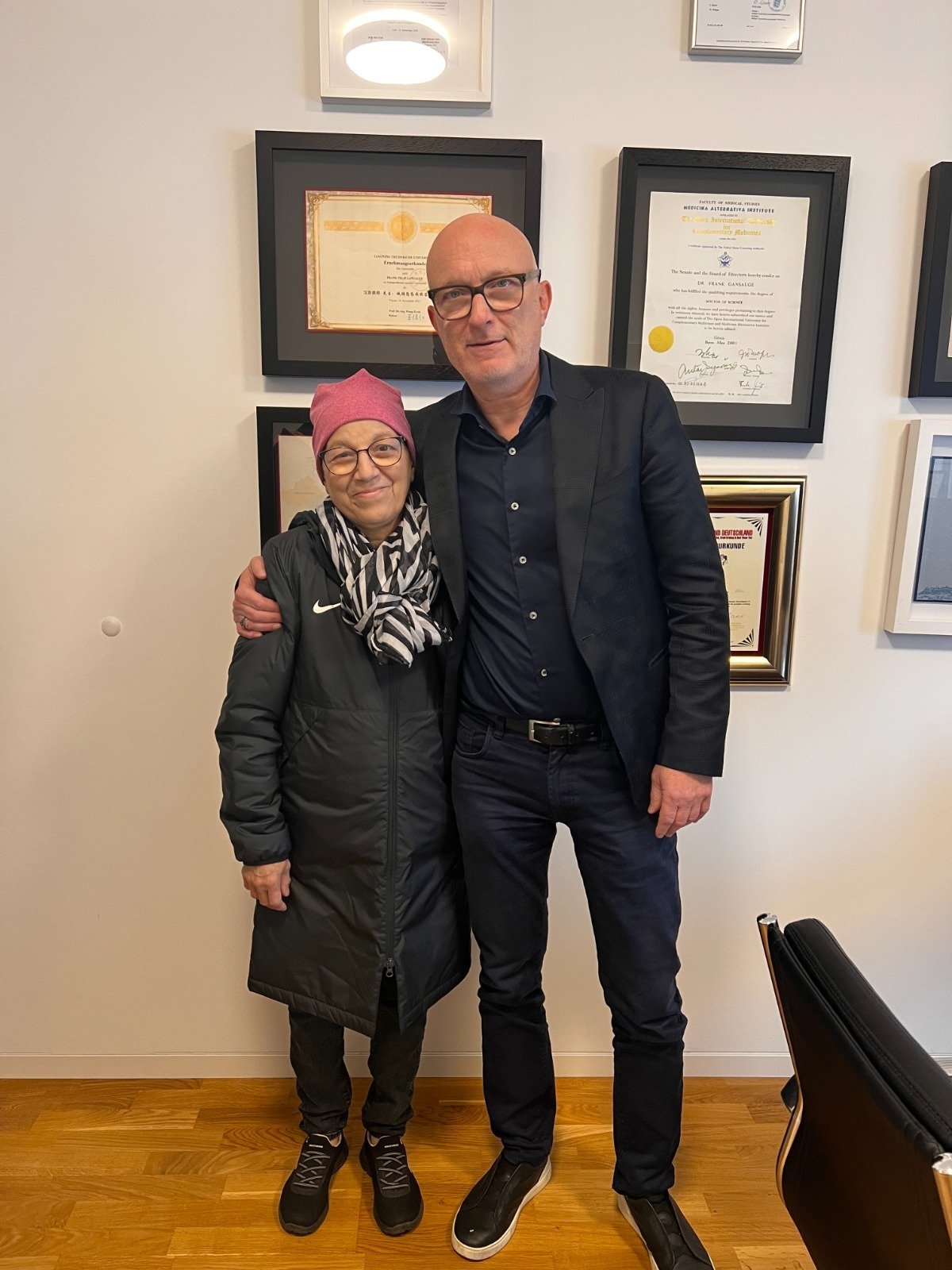
 In Germany, dendritic cell therapy is provided by Prof. Gansauge at LDG Laboratories, who specializes in personalized dendritic cell immunotherapy and cellular cancer treatments. The complete treatment costs approximately €27,000.

TPCE and TACP are performed by Prof. Vogl at University Hospital Frankfurt, an internationally recognized interventional radiologist with extensive experience in image-guided regional cancer therapies. Both procedures typically cost €8,000 to €9,000 per session.

Factors Affecting Treatment Costs
- Number of chemotherapy cycles and agents used (doublet vs triplet regimens).
- Whether maintenance immunotherapy is continued beyond initial treatment.
- Number of TPCE or TACP sessions required based on tumour response.
- Hospital type: university hospital versus private specialist centre.
- Duration of inpatient stay and level of post-procedure care.
- Requirement for additional molecular testing or liquid biopsy monitoring.
Why Choose TIG for Stage 4 Small Cell Lung Cancer Treatment in Germany?
TIG GmbH has built its coordination model around the specific needs of international patients seeking advanced cancer care. For families exploring stage 4 lung cancer treatment in Germany, the service offers direct access to established clinical relationships with thoracic oncology teams, interventional radiology units, and specialised immunotherapy laboratories.
The team at TIG does not provide medical advice, but it does manage the entire administrative and logistical pathway from first enquiry to treatment completion. This includes matching the patient's profile to the most appropriate centre, facilitating pre-treatment remote review, arranging appointments in sequence, and providing ongoing communication support between the patient, family, and treating physicians.
For patients with stage 4 small cell lung cancer, a coordination service may help simplify communication, appointment scheduling, and treatment planning for international patients. The initial medical record review through TIG GmbH is the recommended first step for any international family.
Your Treatment Journey for Stage 4 SCLC Treatment in Germany
The pathway from first contact to treatment completion follows a structured sequence:

International Patient Services
Travelling internationally for cancer treatment introduces logistical and administrative complexity that can be burdensome when a family is already managing a serious diagnosis. The following services are coordinated for international patients:
- Medical report review: Existing imaging, pathology, and treatment records are reviewed by a specialist before any travel is arranged, ensuring the proposed treatment is appropriate for the patient's current disease status.
- Second opinion: Patients can receive a second opinion for lung cancer in Germany from a thoracic oncologist at a university centre, with a written report provided for review alongside the home team.
- Medical visa assistance: Documentation required for medical visa applications to Germany is prepared and supported through the coordination service.
- Interpreter support: Medical interpreters covering Arabic, Russian, Turkish, Ukrainian, and other languages are available for consultations, procedures, and discharge discussions.
- Treatment coordination: All appointments across diagnostics, treatment sessions, and follow-up imaging are coordinated to minimise time between arrival and treatment initiation.
Each of these services is provided through TIG GmbH , which acts as the liaison between international families and the treating teams in Germany.
References
Why Patients Worldwide Prefer Our Medical Services in Germany – Key Benefits Explained




























.webp)
 (1).webp)
.webp)

.jpg)

 (1).webp)

.jpg)