
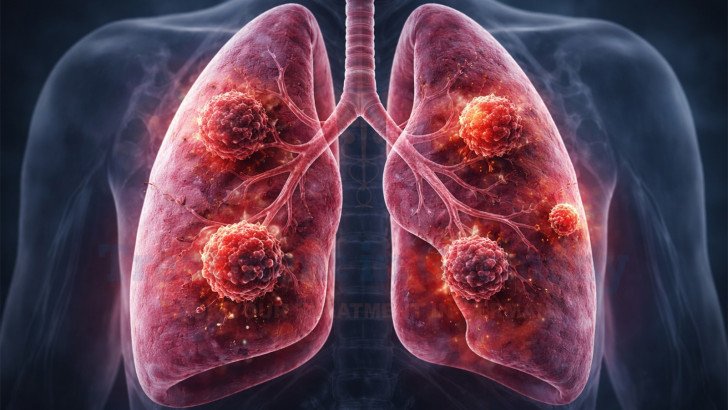
Explore treatment options for lung cancer in Germany, including surgery, interventional therapies, immunotherapy, and coordinated support for international patients through TIG.
Treatment Options for Lung Cancer in Germany
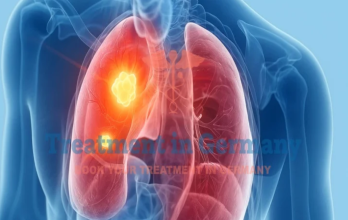
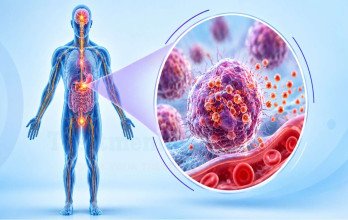
Lung cancer develops when abnormal cells multiply within the lung tissue and gradually interfere with breathing and oxygen exchange. As the disease advances, it may spread beyond the lung into nearby lymph nodes or distant organs such as lung cancer with liver metastases, the brain, adrenal glands, or bones. In more advanced stages, management becomes complex and requires long-term planning rather than a single treatment step.
Therapeutic decisions are based on tumor type, stage, molecular characteristics, and overall health condition. Germany has become a recognized destination for patients exploring treatment in Germany, including comprehensive small cell lung cancer treatment options in Germany, supported by regulated oncology pathways within leading German healthcare centers and German oncology centers.
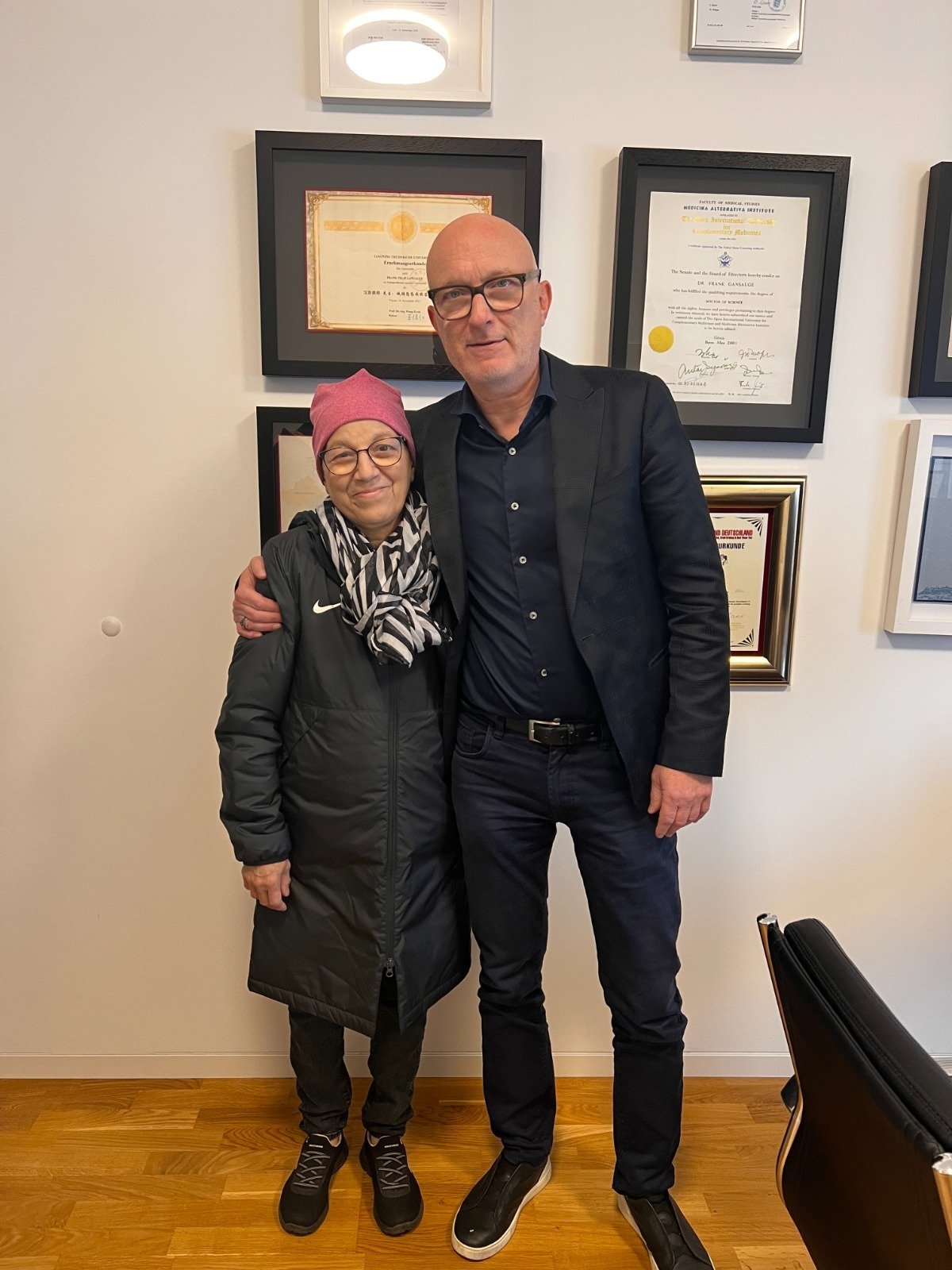
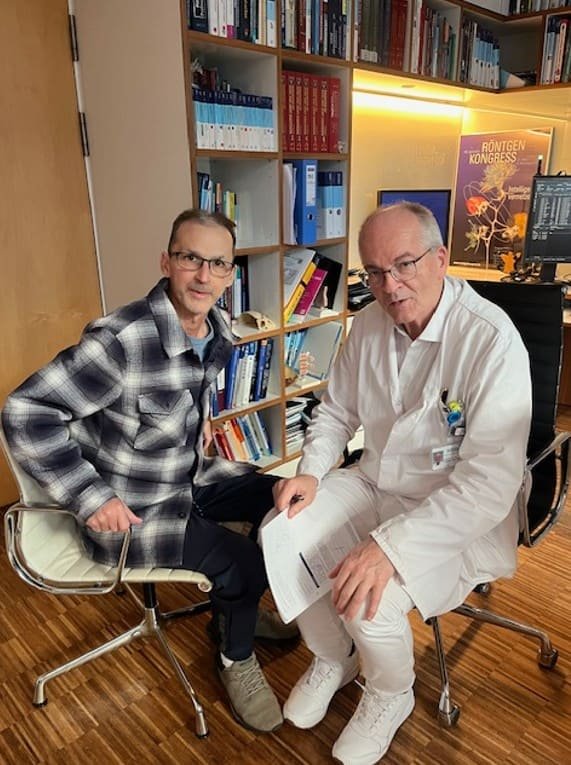
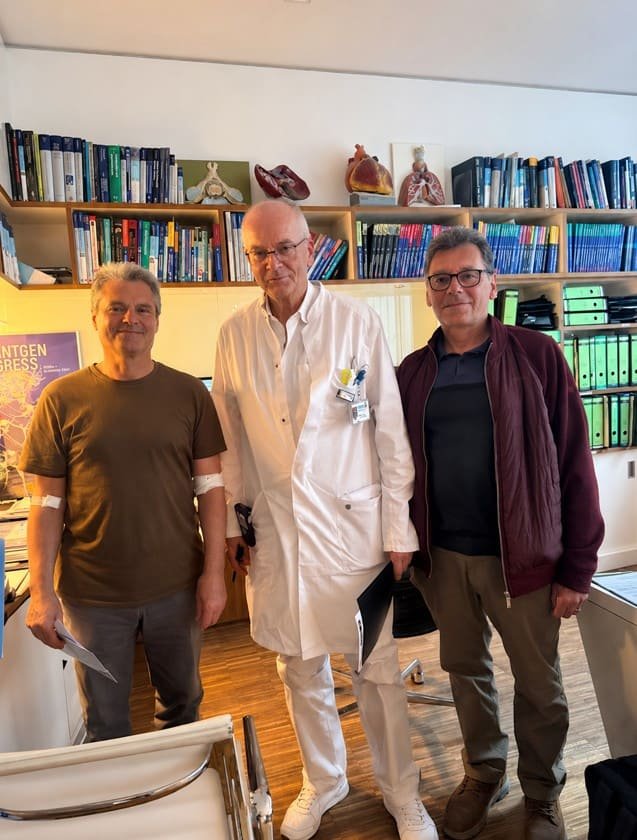
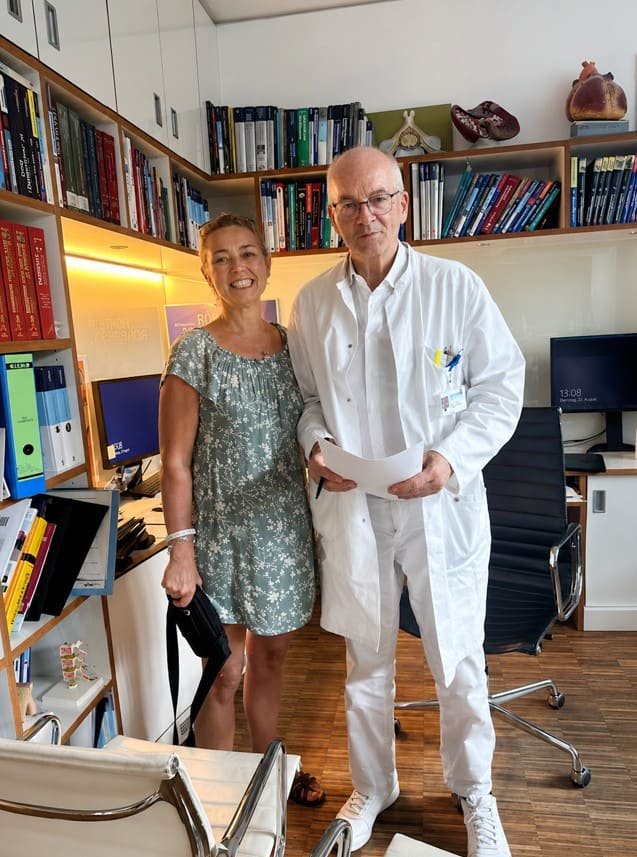
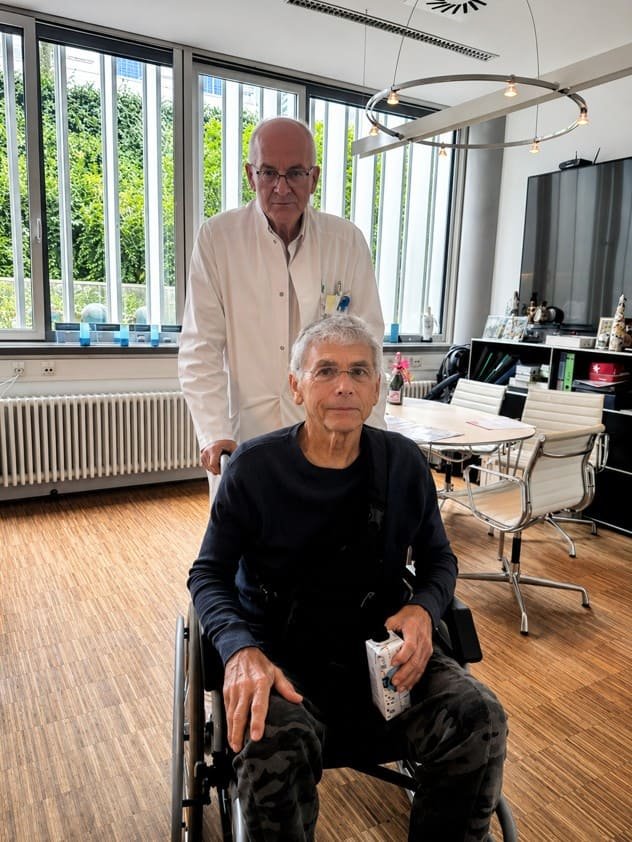
Clinical programs associated with Prof. Thomas J. Vogl, known for interventional oncology procedures, and Prof. Gansauge, recognized for advanced cell-based immunotherapy work, operate within multidisciplinary hospital structures. Patients benefit from structured evaluation and access to new and innovative cancer treatments for lung cancer in Germany, where therapy plans are developed through coordinated medical review.
Understanding Lung Cancer Types and Stages
Lung cancer is broadly divided into non-small cell lung cancer and small cell lung cancer. Non-small cell lung cancer accounts for the majority of cases and generally progresses at a slower pace. Small cell lung cancer is less common but tends to grow rapidly and spread early.
In early stages, tumors may remain confined to the lung. As the disease progresses, lymph nodes or distant organs may become involved, requiring systemic treatment strategies. Symptoms can include persistent cough, breathlessness, chest discomfort, fatigue, or unintended weight loss. Centers providing lung cancer treatment in Germany emphasize early detection and precise staging to determine the most appropriate therapy pathway for each patient.
Diagnosis and Imaging before Lung Cancer Treatment
Accurate diagnosis is essential before starting therapy. Hospitals providing lung cancer treatment follow structured diagnostic protocols that integrate imaging, laboratory testing, and pathology. High-resolution CT scans are typically the first step in assessing tumor size, anatomical location, and lymph node involvement.
To determine whether cancer has spread beyond the chest, PET imaging is often performed. This imaging technique evaluates metabolic activity and helps detect distant metastases. When brain involvement is suspected, MRI provides detailed evaluation of soft tissues. Tissue biopsy confirms the cancer subtype, while molecular testing identifies specific genetic alterations that may influence targeted therapy decisions. These comprehensive diagnostics reflect the integration of evidence-based treatment within German healthcare centers.
Surgical Treatment Options for Lung Cancer
For patients diagnosed at an early stage, surgery may be considered. Surgical removal of the tumor aims to eliminate localized disease while preserving as much healthy lung tissue as possible. The decision to proceed with surgery depends on tumor location, stage, and pulmonary function.
Thoracic surgeons within German oncology centers assess imaging results, lung function tests, and overall health before recommending surgery. Postoperative monitoring includes imaging follow-up and pathology review to determine whether additional therapy is required. Surgical treatment is typically combined with structured monitoring to reduce recurrence risk.
Chemotherapy and Systemic Therapy

Chemotherapy remains an important component of lung cancer management, particularly in advanced or metastatic stages. It acts on fast-growing cancer cells across the body and is typically given in scheduled cycles to allow the body time to recover between treatments.
Systemic therapy may be recommended alone or in combination with surgery or radiation. Molecular profiling helps determine whether targeted drugs are appropriate for specific genetic mutations. Within latest cancer treatments, systemic therapy decisions are guided by tumor biology and patient tolerance rather than a standardized approach.
TPCE Treatment (Transpulmonary Chemoembolization) for Lung Cancer in Germany

TPCE Treatment (Transpulmonary Chemoembolization) for lung cancer in Germany is an interventional oncology technique used in selected patients with dominant lung tumors. This procedure combines targeted chemotherapy delivery with embolization. Chemotherapy is infused directly into the blood vessels supplying the tumor, increasing local concentration while reducing systemic exposure.
Following drug delivery, embolic agents are introduced to partially block blood flow, limiting oxygen supply to cancer cells and supporting local tumor control. The procedure begins with angiographic mapping to identify tumor-feeding vessels. A catheter is carefully guided into position under imaging control, and medication is delivered precisely to the tumor site. Patients are monitored after treatment, and follow-up includes repeat CT scans to evaluate response. The cost of TPCE treatment typically ranges between €8,000–€9,000 per session depending on complexity, including imaging guidance and post-procedural care.
TACP Treatment (Transarterial Chemoperfusion) for Lung Cancer in Germany

TACP Treatment (Transarterial Chemoperfusion) for lung cancer in Germany is another localized interventional approach for selected patients. Unlike embolization-based therapy, TACP delivers chemotherapy directly into tumor-feeding arteries while maintaining blood flow. This approach allows controlled drug exposure within tumor tissue while preserving surrounding lung function.
Before treatment, imaging defines the arterial network supplying the tumor. A catheter is positioned selectively within the relevant artery, and chemotherapy is infused in a regulated manner under continuous supervision. Because circulation is preserved, this technique may reduce the risk of tissue damage while maintaining therapeutic concentration in the target area. Post-procedural treatent includes clinical monitoring and imaging reassessment, often using CT scans or PET imaging, to evaluate tumor response. The cost of TACP treatment typically ranges €8,000–€9,000 per session depending on complexity, reflecting the procedural expertise involved.
Immunotherapy Dendritic Cell Therapy for Lung Cancer in Germany

Immunotherapy Dendritic Cell Therapy for Lung Cancer in Germany is a personalized immune-based treatment designed to strengthen the body’s ability to recognize tumor cells. Instead of directly targeting the tumor with chemotherapy, this therapy focuses on activating the immune system through controlled laboratory preparation.
The process begins with collection of immune cells (monocytes) from the patient’s blood. These cells are transferred to an EU GMP-certified laboratory, where they are transformed into dendritic cells capable of presenting tumor-associated antigens. During processing, the cells are exposed to tumor-specific markers, resulting in the development of a personalized dendritic cell vaccine. The vaccine is administered through scheduled injections under medical supervision.
Monitoring includes laboratory immune assessments and imaging follow-up with PET imaging or MRI to evaluate response. The Cost of Immunotherapy Dendritic Cell Therapy in Germany is €26,000, including immune cell collection, laboratory preparation, quality control, and vaccine administration. This therapy represents one of the structured innovative treatment options in Germany for carefully selected cases.
New Clinical Trials for Lung Cancer
Access to new clinical trials for lung cancer provides additional options for eligible patients. Research programs within German oncology centers investigate emerging targeted drugs, immunotherapy combinations, and personalized treatment strategies.
Eligibility depends on tumor characteristics, prior treatments, and overall health. Participation is voluntary and conducted under strict ethical oversight. Clinical trials allow access to investigational therapies aligned with ongoing research in modern cancer treatments in Germany.

Combining Treatment Options for Lung Cancer
Comprehensive management may involve combining surgery, systemic therapy, interventional procedures, and immunotherapy. For example, localized tumor control using TPCE Treatment (Transpulmonary Chemoembolization) or TACP Treatment (Transarterial Chemoperfusion) may be integrated with systemic chemotherapy or immune-based therapy such as Immunotherapy Dendritic Cell Therapy.
Multidisciplinary tumor boards review imaging, pathology, and patient status before designing a coordinated treatment plan. This collaborative model within German healthcare centers contributes to Germany’s reputation for including the best oncologist in Germany, where therapy planning is individualized and carefully supervised.
Treatment Considerations and Monitoring
Not every therapy is appropriate for every patient. Decisions depend on tumor stage, overall health, lung function, and prior treatments. Interventional procedures require suitable vascular access, while immunotherapy requires adequate immune function.
Ongoing monitoring includes clinical evaluation, laboratory testing, and repeat imaging with CT scans, PET imaging, or MRI to assess response. Structured follow-up ensures timely adjustment of therapy when necessary.
International Patient Support through TIG, Treatment in Germany
For many International patients, seeking oncology care abroad requires structured coordination. TIG at www.treatmentingermany.de supports individuals pursuing treatment in Germany by assisting with communication with German oncology centers, organizing medical documentation, and facilitating appointment scheduling. Support with medical visa procedures is provided when required. This coordination allows patients to focus on medical decision-making while ensuring access to regulated oncology programs.
Patients may get a free consultation with TIG (Treatment in Germany) to receive individualized guidance and coordinated access to specialized oncology centers.
🌍Why Patients Worldwide Prefer Our Medical Services in Germany – Key Benefits Explained:
































.webp)
 (1).webp)
.webp)

.jpg)

 (1).webp)
.jpg)