

Discover innovative lung cancer treatments in Germany, including TPCE, TACP and dendritic cell immunotherapy, with costs, clinical trials and TIG support for international patients.
Innovative Lung Cancer Treatments in Germany
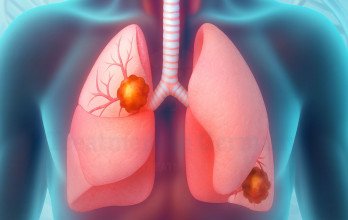
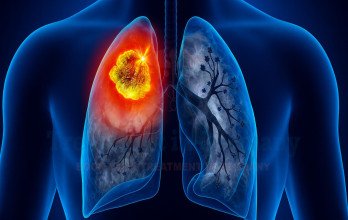
Lung cancer is a disease in which abnormal cells grow uncontrollably in the lungs and interfere with normal breathing and oxygen exchange. It is broadly classified into two main types: non-small cell lung cancer (NSCLC), which is the most common form, and small cell lung cancer (SCLC), which is generally more aggressive and can spread quickly. Because lung cancer behaves differently depending on type and stage, treatment planning requires accurate diagnosis, careful staging, and a personalized approach that considers overall health and the extent of disease.
In recent years, many patients have started exploring new treatment options for lung cancer in Germany because Germany is known for structured oncology care, advanced diagnostic planning, and access to specialized therapies under strict medical regulation. Along with information from trusted organizations such as the Canadian Cancer Society, patients often seek a clearer understanding of available options, especially when treatment becomes complex. For international patients, choosing Treatment in Germany can offer reassurance because care pathways are organized, treatment decisions are guided by experienced specialists, and diagnostics support precise and responsible planning.
Why Choose Treatment for Lung Cancer in Germany?
Choosing treatment abroad is a major decision, but Germany is often selected because it offers strong clinical standards, consistent patient monitoring, and transparent medical planning. Many patients value the structured way German specialists evaluate cancer cases, including step-by-step staging, treatment selection, and follow-up care.
Germany is also known for well-established German healthcare centers and advanced German oncology centers, where multidisciplinary teams contribute to treatment decisions. For complex cases, families often feel reassured that therapy planning is led by experienced German specialists, particularly in interventional oncology and immune-based therapy development.
Another reason patients seek treatment for lung cancer in Germany is access to specialists regarded among the best oncologist in Germany, particularly in interventional oncology and cancer immunotherapy. Germany also offers access to new clinical trials for lung cancer, allowing eligible patients to explore advanced treatment options under strict ethical oversight.
Diagnosis of Lung Cancer in Germany
Before any advanced therapy is evaluated, precise diagnosis is essential. Accurate staging ensures that treatment recommendations match the true extent of disease. In Germany, lung cancer assessment commonly includes imaging methods such as CT scans, MRI, PET scans to determine tumor size, activity, and spread pattern. This diagnostic process helps doctors understand how aggressive the cancer appears and whether it is localized, regionally spread, or systemic.
This stage is critical because advanced procedures such as TPCE or TACP require careful planning and suitability assessment. A clear diagnosis also helps ensure safe decision-making and reduces unnecessary risk.
Innovative Lung Cancer Treatment options in Germany
Lung cancer treatment in Germany is individualized and may involve a combination of systemic therapies, interventional oncology procedures, and immunotherapy. The selection of treatment depends on cancer stage, tumor location, symptom burden, and previous treatments.
Among the new and innovative treatment options for lung cancer are TPCE Treatment in Germany, TACP Treatment, and Immunotherapy Dendritic Cell Therapy in Germany, which may complement conventional treatment strategies.
TPCE Treatment for lung cancer in Germany
TPCE Treatment (Transpulmonary Chemoembolization) for lung cancer in Germany is an advanced interventional oncology procedure designed to target lung tumors in a highly controlled and localized way. This treatment involves delivering chemotherapy directly into the blood vessels supplying the tumor, allowing a higher concentration of medication to reach tumor tissue while limiting systemic exposure. This approach is often evaluated for patients who have dominant lung lesions and require focused tumor control as part of their overall treatment plan.
Before TPCE Treatment in Germany, patients undergo detailed imaging evaluation, commonly including CT scans, MRI, PET scans, to assess tumor location and identify the blood vessels feeding the tumor area. During the procedure, an interventional radiologist inserts a catheter through a blood vessel and guides it under imaging control toward the tumor-feeding circulation. Chemotherapy is delivered directly to the targeted area, followed by embolic agents that reduce blood flow to the tumor, helping limit its nutrient supply. After the treatment, patients are monitored for several hours, and follow-up imaging may be performed to assess the response and plan next steps. TPCE Treatment in Germany is performed by Prof. Vogl in Frankfurt, Germany, and the cost typically ranges from €8,000 to €9,000 per session, depending on procedural complexity and individual planning.
TACP Treatment for lung cancer in Germany
TACP Treatment (Transarterial Chemoperfusion) for lung cancer in Germany is an interventional oncology approach that may be evaluated in selected lung cancer cases requiring localized tumor control. This treatment focuses on delivering chemotherapy directly through the arteries supplying the tumor while maintaining blood flow, which helps support targeted treatment delivery while reducing unnecessary impact on surrounding healthy tissue.
Before TACP Treatment in Germany, angiographic imaging is typically performed to map the tumor’s arterial blood supply and support accurate treatment planning. During the procedure, a catheter is guided into the relevant arteries under imaging control, and chemotherapy is infused in a controlled and localized manner. Patients are monitored closely during and after the treatment, and follow-up imaging and clinical evaluation help determine treatment response and whether additional sessions are required. TACP Treatment in Germany is performed by Prof. Vogl in Frankfurt, Germany, and the cost of TACP treatment in Germany is €8,000 and €9,000 per session, depending on case complexity and individualized planning.
Immunotherapy Dendritic Cell Therapy for lung cancer in Germany
Immunotherapy Dendritic Cell Therapy for lung cancer in Germany is a personalized immune-based treatment designed to support the body’s ability to recognize lung cancer cells. Unlike therapies that directly destroy tumors, this approach focuses on immune education and immune surveillance, helping the immune system better identify cancer-related markers and respond in a more targeted way.
The process begins with a detailed medical evaluation to confirm patient suitability. A blood sample is collected, and immune cells (Monocytes) are isolated and processed in an EU GMP certified laboratory to develop dendritic cells under controlled conditions. The monocytes are then exposed to tumor-specific antigens, allowing them to recognize cancer-related markers. After preparation and safety checks, the trained dendritic cells are administered back to the patient as a personalized dendritic cell vaccine. Patients are monitored throughout the treatment course to ensure safety and appropriate follow-up planning. Dendritic cell therapy for lung cancer in Germany is performed by Prof. Gansauge in Berg, Germany, and The cost of Immunotherapy Dendritic Cell Therapy in Germany is €24,000, which includes laboratory processing, vaccine preparation, and administration.
New Clinical Trials for Lung Cancer in Germany
Germany actively supports oncology research, and some patients may be eligible for new clinical trials for lung cancer depending on tumor characteristics, prior treatments, and overall health. Clinical trials are evaluated carefully and offered only when medically appropriate. Patients should always discuss trial eligibility after full medical review.
International Patient Support through TIG (Treatment in Germany)
Traveling for medical care can be difficult for patients and families, especially while managing symptoms and emotional stress. This is why coordination support matters. TIG (Treatment in Germany) at www.treatmentingermany.de ensures seamless coordination and manages complete logistic arrangements for international patients, including travel, lodging, and medical visa for international patients (if required). This support helps patients focus on treatment rather than administrative challenges.
🌍Why Patients Worldwide Prefer Our Medical Services in Germany – Key Benefits Explained:


































.webp)
 (1).webp)

.webp)


.jpg)

 (1).webp)

.jpg)