
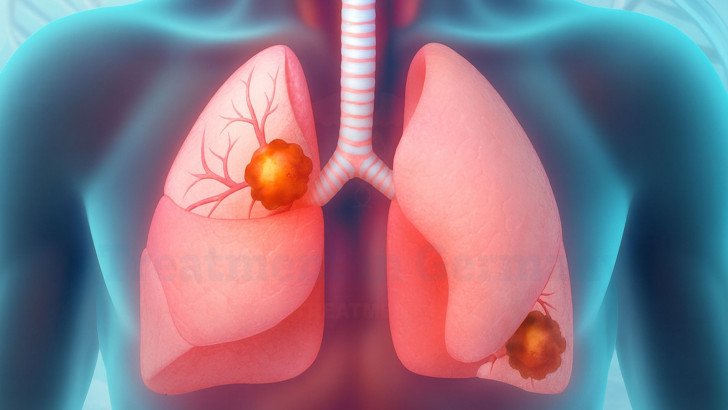
Learn about stage 4 adenocarcinoma lung cancer, its symptoms, diagnosis, and advanced treatment options in Germany including TPCE, TACP, and dendritic cell therapy.
What Is Stage 4 Adenocarcinoma Lung Cancer?
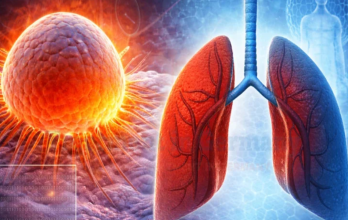
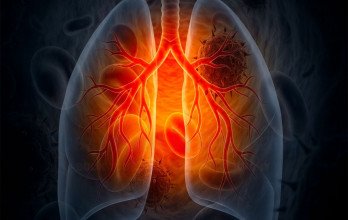
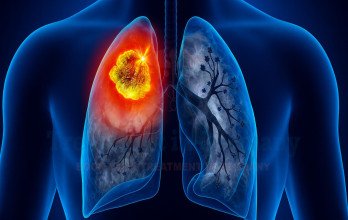
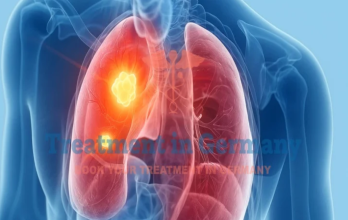
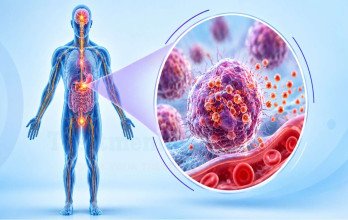
Stage 4 adenocarcinoma lung cancer is the most advanced form of this disease, where cancer cells have spread beyond the lungs to distant organs such as the liver, brain, adrenal glands, bones, and lymph nodes far from the chest. Adenocarcinoma is the most common subtype of non-small cell lung cancer and often develops in the outer regions of the lungs. Because it may progress quietly, many individuals are not aware of the disease until symptoms begin to interfere with breathing, appetite, or daily routines. By stage 4, the cancer becomes a systemic condition that requires a carefully designed, personalized treatment plan.
Although stage 4 is advanced, treatment remains possible. The goal shifts from removal of the tumor to controlling disease progression, managing symptoms, supporting lung function, and improving or maintaining quality of life. Germany has become a trusted destination for many international patients, as Treatment in Germany is known for combining a structured diagnostic process with innovative treatment options such as TPCE Treatment, TACP Treatment, and immunotherapy dendritic cell therapy. These treatments are integrated into individualized treatment plans and guided by experienced specialists, often referred to as the best oncologist in Germany within their fields.
How Stage 4 Adenocarcinoma Spreads and How It Affects the Body
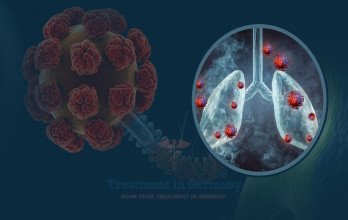
Adenocarcinoma begins in the glandular tissues responsible for producing mucus in the lungs. As it grows, cancer cells may enter the bloodstream or lymphatic system, allowing them to travel to distant organs. The specific organs affected influence the symptoms and treatment choices. When the disease reaches stage 4, it means metastases are present, and the cancer behaves differently in each patient.
The spread of adenocarcinoma affects how patients feel. Metastasis to the liver may cause abdominal discomfort or fullness. Spread to the bones can result in ongoing pain or weakened bones. If the cancer reaches the brain, headaches, confusion, vision problems, or neurological symptoms may occur. These complications vary widely, so doctors must assess each patient carefully before recommending treatment.
Symptoms of Stage 4 Adenocarcinoma Lung Cancer
Symptoms at this stage may involve both the lungs and the organs to which the cancer has spread. Lung-related symptoms often include difficulty breathing, a persistent cough, chest pain, wheezing, or coughing up blood. Some patients experience repeated chest infections or pneumonia due to airway obstruction caused by the tumor. General symptoms such as weight loss, low energy, reduced appetite, and fatigue are common as the disease becomes more widespread. These may not be immediately recognized as cancer-related, which is why imaging and diagnostic testing are essential.
How Doctors Diagnose Stage 4 Adenocarcinoma Lung Cancer in Germany
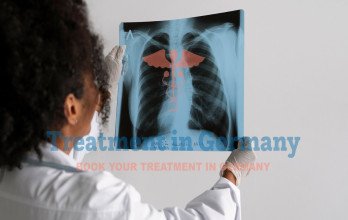
Diagnosis is based on a combination of imaging, laboratory tests, and tissue sampling. Doctors typically begin with a thorough medical history and physical examination. To understand how far the disease has spread, they use cancer detection tests such as CT scans, MRI, and PET scans, which reveal tumor size, location, and metabolic activity.
A biopsy confirms that the cancer is adenocarcinoma. Molecular testing may also be done to identify genetic markers that could influence treatment options. These steps create a complete picture of the disease, allowing doctors to plan treatment tailored to the patient’s needs.
Germany follows strict diagnostic standards similar to the recommendations of the American cancer society, ensuring accurate identification of metastases and treatment needs. Some patients may also qualify for new clinical trials for lung cancer, which explore additional therapy combinations for advanced disease.
Why Personalized Treatment Is Essential at Stage 4
Every case of stage 4 adenocarcinoma lung cancer is different. Some patients have metastases confined to the lungs or lymph nodes, while others may have spread to multiple organs. Symptoms vary widely, and general health influences how well a patient tolerates treatment. Because of this, specialists must customize therapy to balance effectiveness and quality of life.
In German healthcare centers, multidisciplinary teams including best oncologists in Germany, interventional radiologists, and immunotherapy experts collaborate to design individualized treatment plans. These plans may include localized vascular treatments for specific tumor sites, systemic therapies, or immune-based approaches such as dendritic cell therapy. By combining therapies thoughtfully, doctors aim to slow tumor activity, relieve symptoms, and support comfort and stability.
TPCE Treatment (Transpulmonary Chemoembolization) for Stage 4 Adenocarcinoma Lung Cancer in Germany
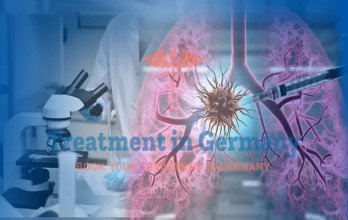
TPCE Treatment for stage 4 Adenocarcinoma Lung Cancer for is an advanced interventional technique designed to deliver chemotherapy directly into the arteries feeding lung tumors. This method allows a higher concentration of medication to reach the tumor while limiting exposure to the rest of the body. During the procedure, a catheter is guided through blood vessels to reach the pulmonary arteries supplying the tumor. Chemotherapy is then infused, followed by embolic particles that partially block blood flow.
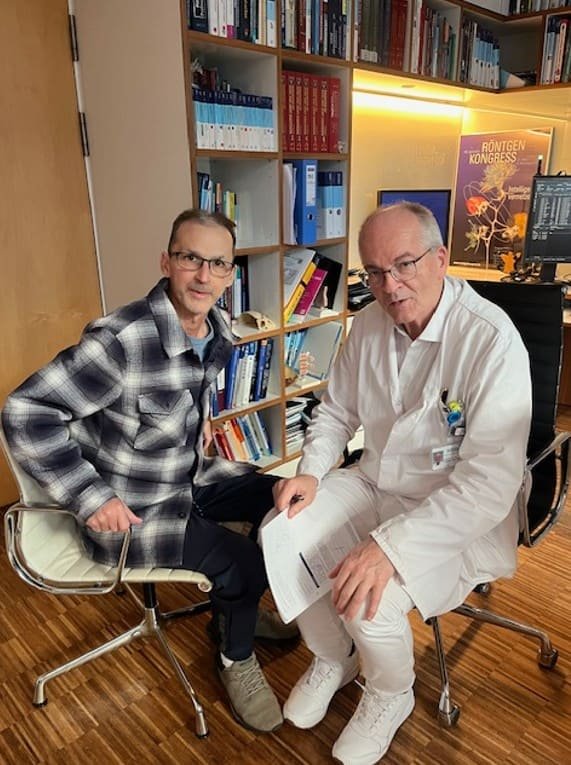
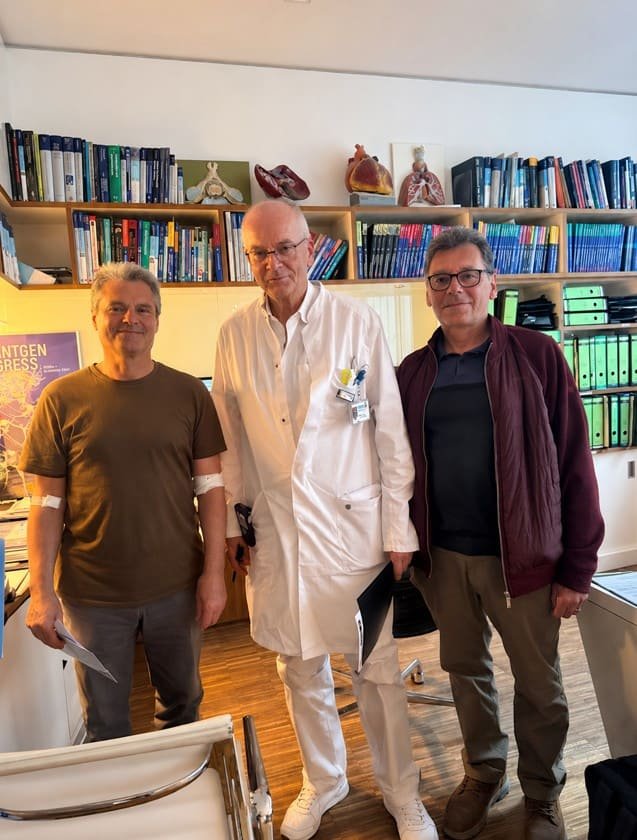
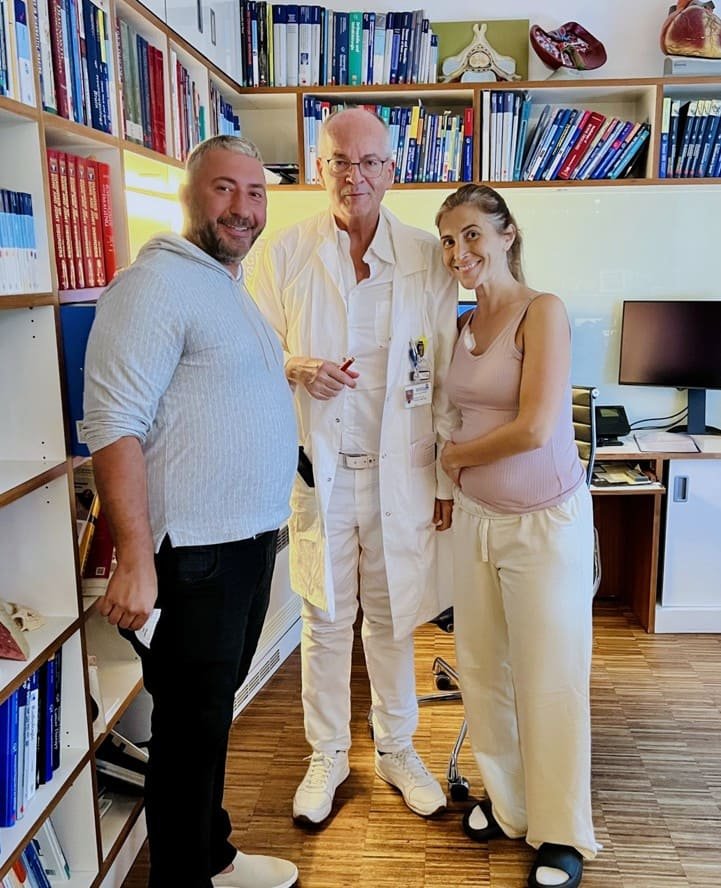
This combination helps weaken the tumor by reducing its nutrition supply. TPCE is particularly useful for patients whose lung lesions are difficult to treat with systemic chemotherapy alone. It can help stabilize tumor growth, ease respiratory symptoms, and improve overall lung function. In Germany, this therapy is performed by highly experienced specialist, Prof Vogl in Frankfurt, Germany, who is internationally recognized in interventional oncology. The cost of TPCE therapy in Germany typically ranges between €8,000 and €9,000 per session, with the number of sessions depending on tumor behavior.
TACP Treatment (Transarterial Chemoperfusion) for Stage 4 Adenocarcinoma Lung Cancer in Germany
TACP Treatment for Stage 4 Adenocarcinoma Lung Cancer, is used when metastases outside the lungs require localized care. This therapy involves delivering chemotherapy directly into the arteries that supply metastatic tumors, such as those in the liver, adrenal glands, or lymph nodes. By selectively infusing chemotherapy into the tumor region, doctors can achieve higher concentration of medication with fewer systemic effects.
TACP may help reduce tumor activity, relieve symptoms, and support the patient’s general condition. Like TPCE, this treatment is carefully planned using imaging to identify the arteries feeding the metastasis. It is also performed by Prof Vogl in Frankfurt, Germany, who evaluates each case to determine suitability. The cost of TACP therapy in Germany is typically between €8,000 and €9,000 per session, depending on complexity.
Immunotherapy Dendritic Cell Therapy for Stage 4 Adenocarcinoma Lung Cancer in Germany
Immunotherapy dendritic cell therapy for Stage 4 Adenocarcinoma Lung Cancer, is a personalized treatment that activates the immune system to recognize cancer cells more accurately. This therapy begins with collecting a small amount of blood. Monocytes from the sample are processed in an EU-GMP certified laboratory and transformed into dendritic cells. These cells are then exposed to tumor antigens to help them learn the characteristics of adenocarcinoma.
Once the therapy is prepared, it is injected back into the patient, where it works like a personalized dendritic cell vaccine, teaching the immune system to identify and target cancer cells. This therapy can be used alongside other treatments and is often well tolerated.
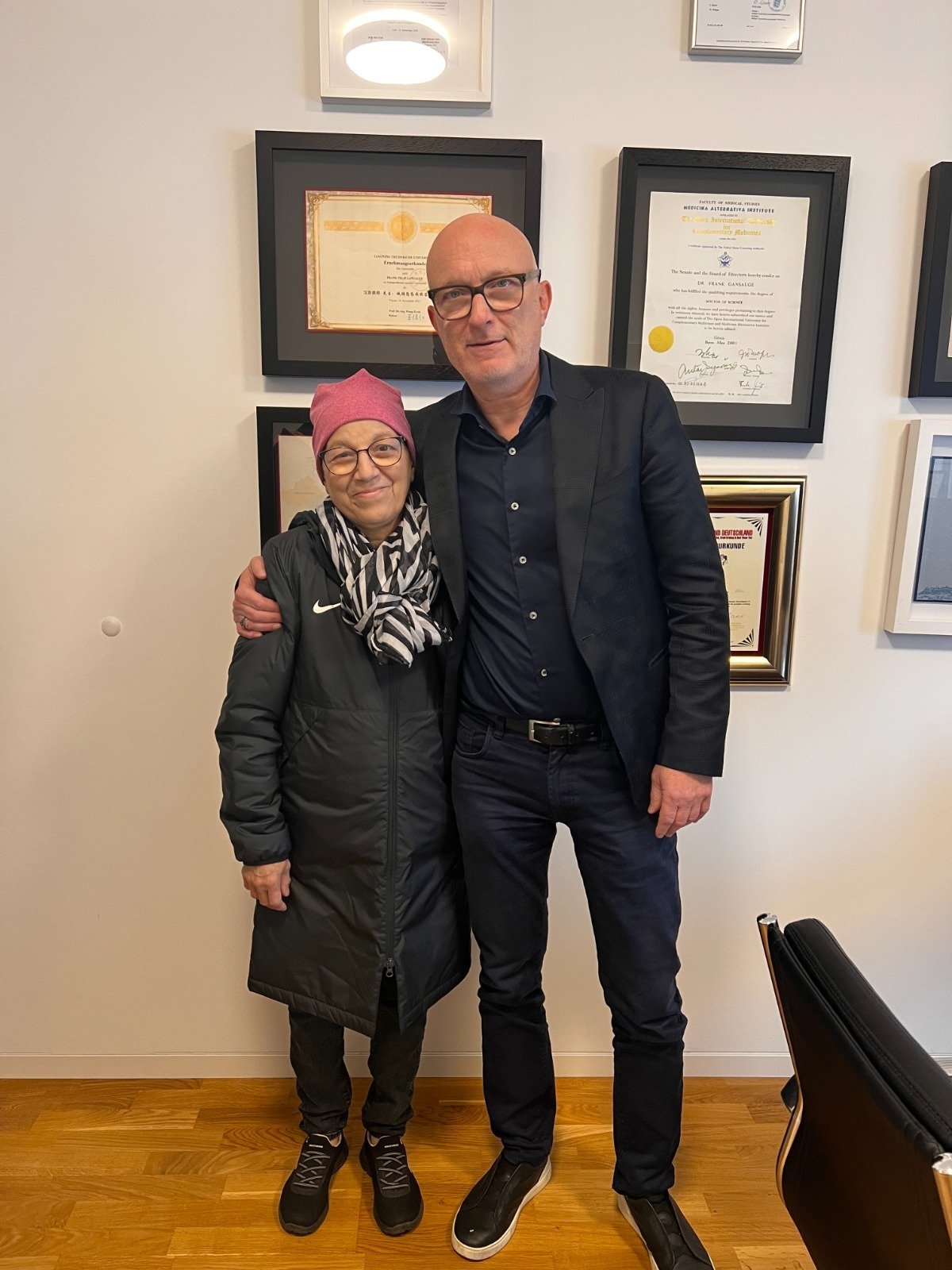
In Germany, dendritic cell therapy is performed by Prof. Gansauge in Berg, who has extensive expertise in cell-based immunotherapy. The cost of dendritic cell therapy in Germany is €24,000, which includes laboratory processing and vaccine preparation.
How These Treatments Work Together
In advanced lung cancer, no single therapy is enough on its own. Doctors may recommend TPCE to target lung tumors, TACP to treat metastases in other organs, and dendritic cell therapy to improve immune recognition. By addressing cancer from multiple directions, specialists aim to slow progression and support stability. Supportive care is also important. This may include medications to improve breathing, nutritional support, and therapies to manage pain or fatigue. A complete care plan focuses not only on treating the cancer but also on protecting quality of life.
Germany’s structured medical system and the support of TIG (Treatment in Germany) at www.treatmentingermany.de which helps international patients with complete logistical arrangements including a medical visa for International patients( if required).
🌍Why Patients Worldwide Prefer Our Medical Services in Germany – Key Benefits Explained:


Frequently Asked Questions
What does stage 4 adenocarcinoma lung cancer mean?
It means the cancer has spread beyond the lungs to distant organs.
What symptoms are common at stage 4?
Breathlessness, chronic cough, fatigue, weight loss, and symptoms related to metastases.
How is stage 4 adenocarcinoma diagnosed?
Using imaging tests such as CT scans, MRI, and PET scans, along with biopsies.
Is Dendritic Cell Therapy approved by FDA?
Dendritic Cell Therapy lacks FDA approval in the USA, but in Germany, it’s approved, and doctors use it under EU-GMP standards for safety
What happens if Stage 4 Adenocarcinoma Lung Cancer recurs after Dendritic Cell Therapy in Germany?
Monitoring and imaging detects recurrence early, enabling Prof. Gansauge, Leading Specialist in Dendritic Cell Therapy in Germany to adjust treatment plans.
Is stage 4 adenocarcinoma treatable?
Yes. Treatment aims to slow disease progression and improve comfort.
Who performs TPCE and TACP in Germany?
Specialists such as Prof Vogl in Frankfurt, Germany.
Are innovative options available for stage 4 Adenocarcinoma Lung Cancer in Germany?
Yes, including TPCE, TACP, and dendritic cell therapy.
Are clinical trials available?
Yes, Germany offers new clinical trials for lung cancer for eligible patients.
What is the success rate of Dendritic Cell Therapy, TPCE, or TACP?
The success rate of these innovative therapies varies depending on the type and stage of the cancer, tumor size, and overall patient condition.
Who is the best cancer specialist for breast cancer in Germany?
Germany has many highly experienced oncologists and specialized cancer centers known for advanced diagnostics and personalized treatment approaches. The “best” cancer specialist depends on the specific cancer type and treatment needs. Some of the most recognized cancer experts include professors working at leading hospitals such as Charité University Hospital (Berlin), University Hospital Heidelberg, University Hospital Munich (LMU), and Frankfurt University Hospital.

























.webp)
 (1).webp)
.webp)
.jpg)
 (1).webp)
.jpg)