

Learn the first signs of lung cancer and how Germany diagnoses and treats it with advanced therapies including TPCE, TACP, and dendritic cell immunotherapy.
What Are the First Signs of Lung Cancer?
Lung cancer is one of the most challenging cancers to detect early because its first signs are often subtle and easily mistaken for common respiratory issues. Many patients describe their earliest symptoms as mild discomfort, changes in breathing, or persistent fatigue. Understanding these early warning signs plays an important role in encouraging patients to seek medical evaluation promptly. Early diagnosis often leads to more treatment choices and clearer planning, which is why many international patients choose treatment in Germany for reliable testing, detailed imaging, and access to innovative treatment options offered in advanced German healthcare centers.
As lung cancer progresses, its symptoms become more noticeable, prompting patients to undergo thorough testing such as CT scans, MRI, and PET scans. These imaging studies follow international guidelines similar to those recommended by the American cancer society, helping specialists detect early disease, evaluate tumour behaviour, and guide treatment. In Germany, patients benefit from experienced specialists, organized diagnostic systems, and opportunities to explore new clinical trials for lung cancer.
Early Symptoms of Lung Cancer That Patients Commonly Notice
Most early lung cancer symptoms develop quietly. Because they resemble routine respiratory problems, people often ignore them until they persist for several weeks. The first signs may include:
• A persistent cough that slowly worsens
• Shortness of breath or a feeling of tightness in the chest
• Unexplained fatigue that does not improve with rest
• Chest discomfort or dull aching
• Hoarseness or voice changes
• Appetite loss or unintentional weight loss
Some individuals also notice frequent respiratory infections that do not respond to medication or return shortly after recovery. These symptoms result from irritation, inflammation, or tumour growth in the lung tissues.
Although these signs do not confirm cancer, long-lasting symptoms should always be evaluated by specialists. In Germany, doctors use structured diagnostic pathways to assess symptoms early and recommend appropriate tests to rule out or confirm lung cancer.
How Specialists in Germany Diagnose Early Signs of Lung Cancer
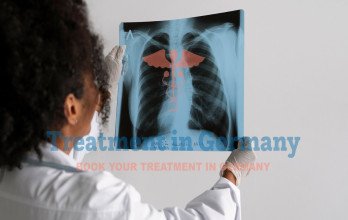
Once symptoms appear, German specialists begin a structured diagnostic approach designed to identify lung cancer as early as possible. A consultation is followed by chest imaging, laboratory tests, and sometimes tissue sampling. Diagnostic tools such as CT scans, MRI, and PET scans help identify tumour size, location, and metabolic activity. These tests are essential in determining whether small nodules or abnormalities require monitoring, biopsy, or immediate intervention.
German clinics follow precise diagnostic standards similar to the American cancer society recommendations, ensuring accuracy for both local and international patients. Once a diagnosis is confirmed, the cancer is staged, and specialists outline treatment options that may include local therapies, systemic treatments, or innovative treatment methods available in Germany.
Why Many International Patients Choose Germany for Lung Cancer treatment
Germany is known for its advanced cancer-care infrastructure and comprehensive diagnostic approach. Patients benefit from:
• Early detection programs
• Access to modern imaging technology
• Availability of Innovative treatment
• Expert evaluation by the Best oncologist in germany
• Clear communication and organized care planning
• Access to new clinical trials for lung cancer
International families also appreciate support from the support of TIG (Treatment in Germany at www.treatmentingermany.de), which helps with travel coordination, medical document preparation, and obtaining a medical visa for International patients (if required).
When Early Symptoms Lead to a Lung Cancer Diagnosis and Treatment Planning in Germany
If lung cancer is detected, German specialists provide a personalized evaluation of cancer stages to determine the most effective treatment plan. Treatment planning may include local therapies, immunotherapies, or interventional approaches depending on tumour behaviour.
Germany offers several advanced treatment options for selected lung cancer cases, including TPCE Treatment (Transpulmonary Chemoembolization), TACP Treatment (Transarterial Chemoperfusion), and the highly personalized Immunotherapy Dendritic cell therapy,
These treatments aim to control tumour growth, support immune activity, and reduce symptoms while maintaining quality of life.
TPCE Treatment for Lung Cancer in Germany
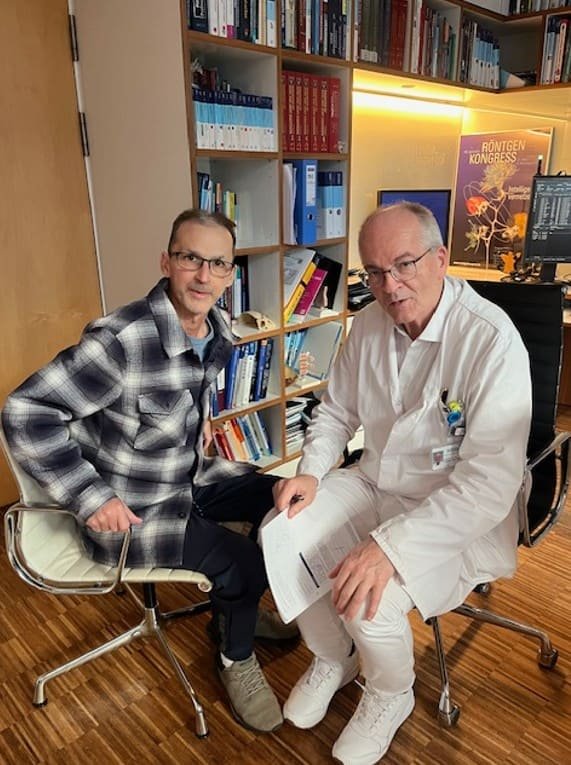
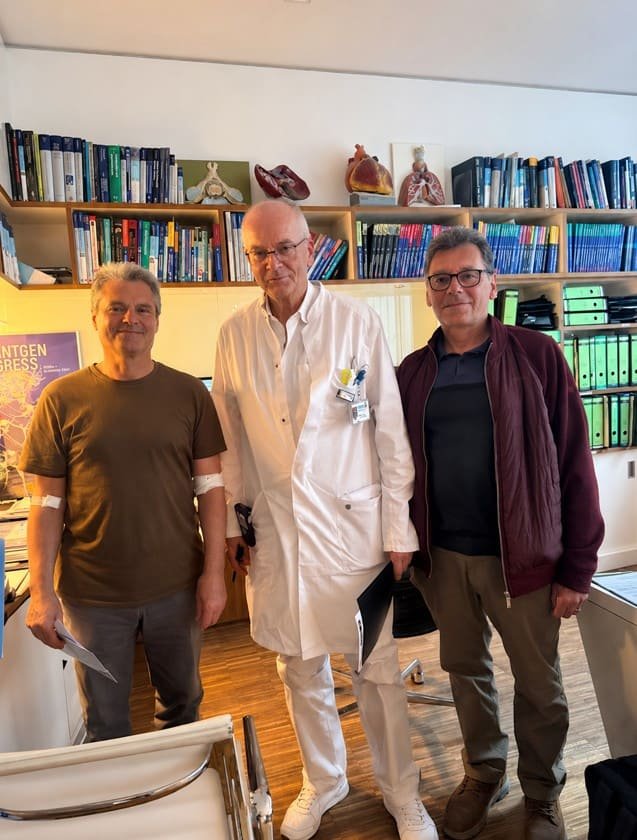
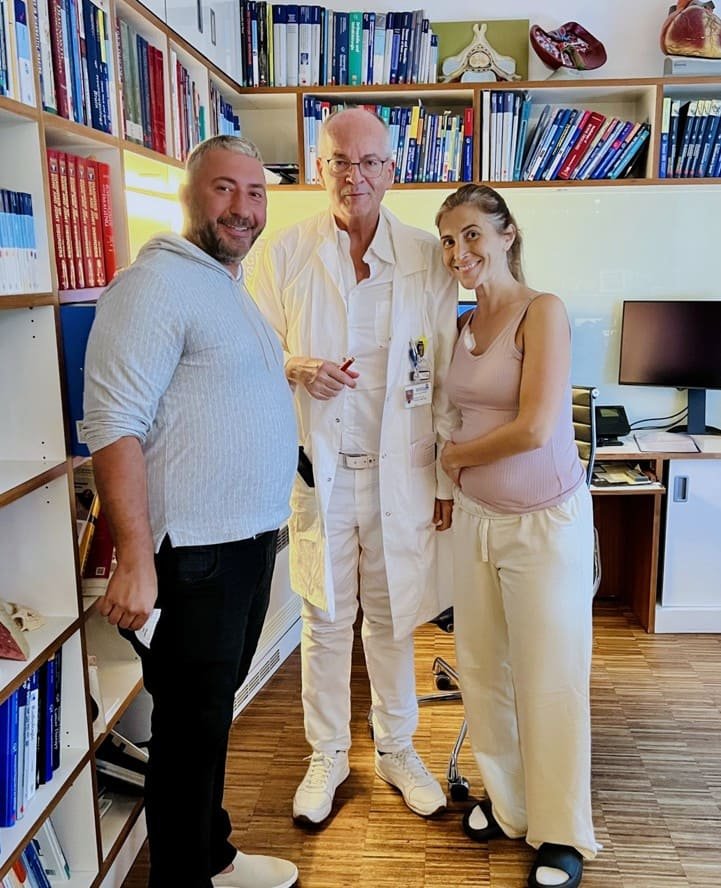
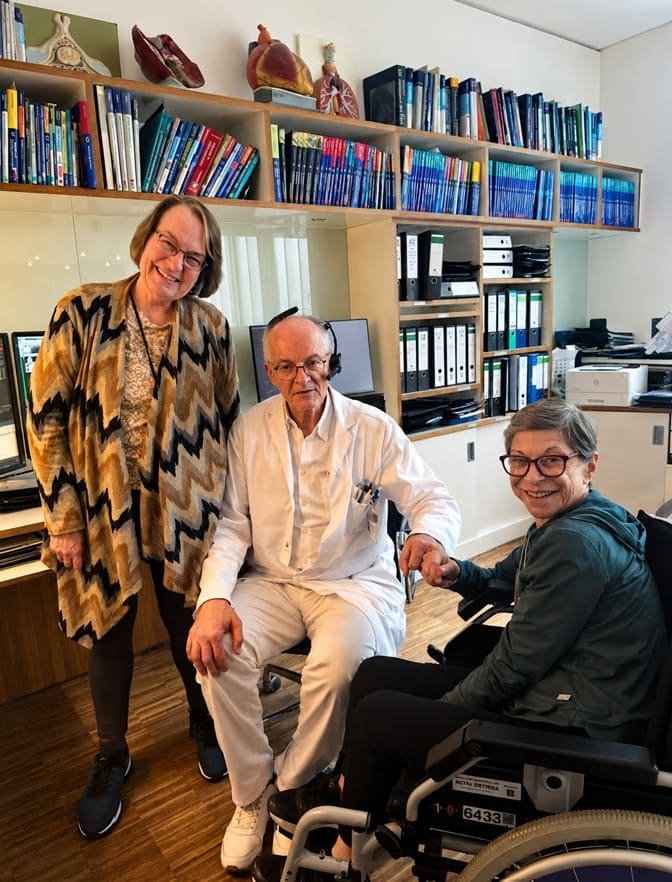
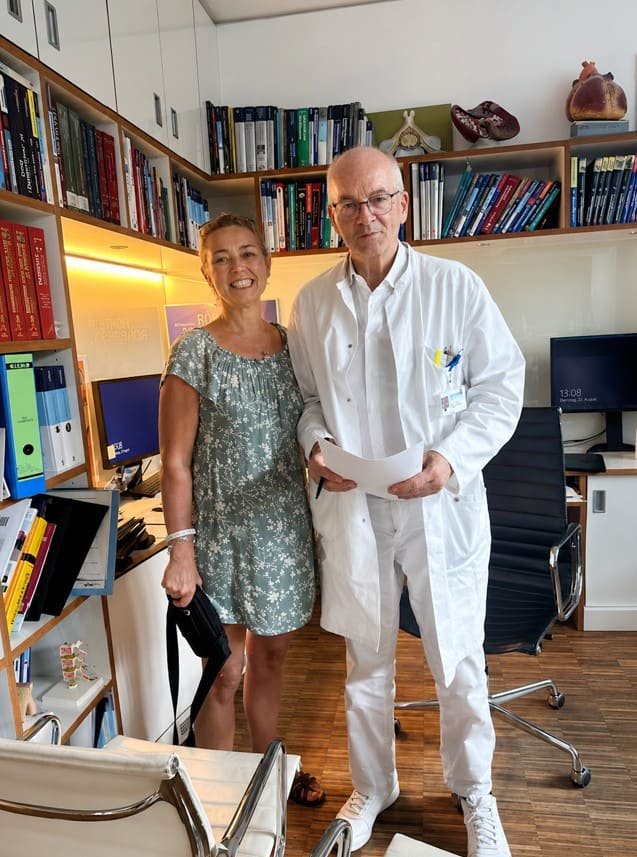
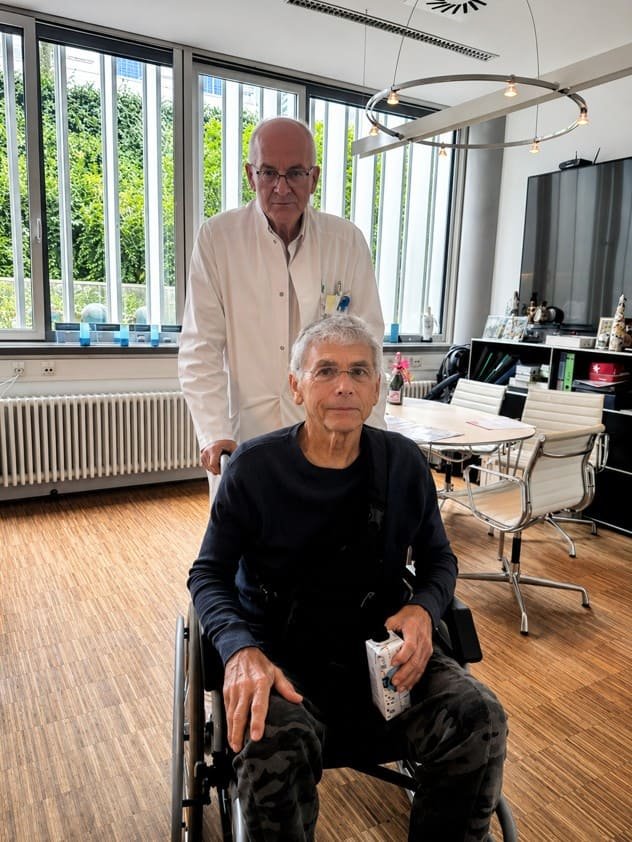
TPCE Treatment for lung cancer in Germany is an interventional procedure used for selected lung tumours or metastases. It delivers chemotherapy into the pulmonary arteries that feed the tumour, reducing tumour activity while limiting systemic exposure. This treatment is performed Prof Vogl in Frankfurt, Germany, who is well known internationally for interventional tumour therapies.
The cost of TPCE therapy in Germany typically ranges between €8,000 and €9,000 per session, depending on tumour size and technical requirements.
TACP Treatment for Lung Cancer in Germany
TACP Treatment for lung cancer in Germany is another option used in cases where tumours require targeted chemotherapy delivered directly into the arteries supplying metastatic regions. This localized approach focuses on restricting the tumour’s blood supply while maximizing drug concentration. it is performed by Prof Vogl in Frankfurt, Germany, a leading expert in this field.
The cost of TACP therapy in Germany is €8,000 to €9,000 per session, depending on clinical complexity.
Immunotherapy Dendritic Cell Therapy for Lung Cancer in Germany
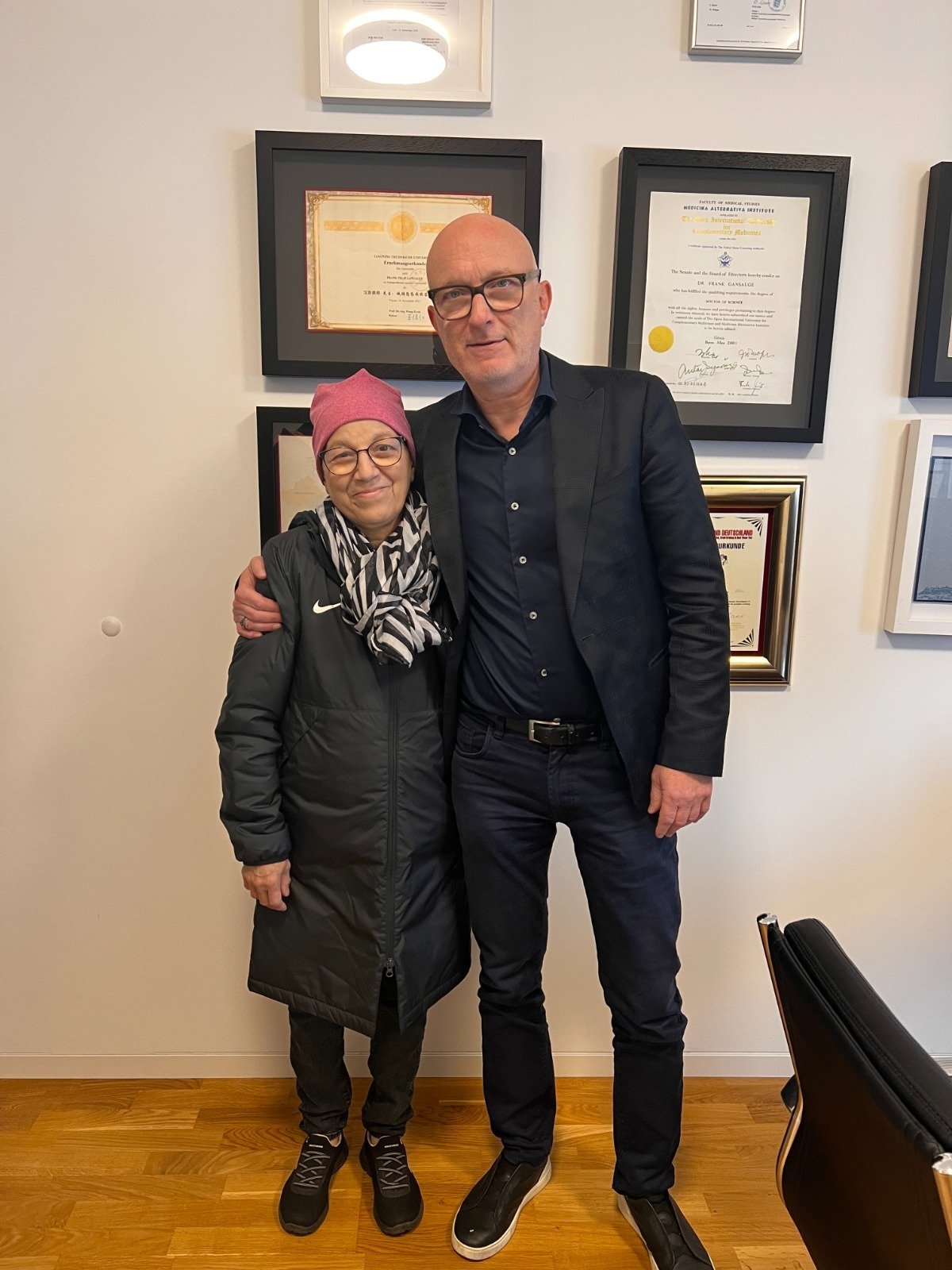
Germany is known globally for its advancements in cellular immunotherapy, especially Immunotherapy Dendritic cell therapy. This therapy strengthens the immune system by teaching it to recognize lung cancer cells more effectively. As a personalized vaccine, the dendritic cell vaccine is developed in EU-GMP certified laboratories and supervised by specialists such as Prof. Gansauge in Berg.
The cost of dendritic cell therapy in Germany is €24,000, including laboratory processing and vaccine preparation. This therapy may be recommended as part of a broader plan tailored to the patient’s cancer stage and immune profile.
Why Recognizing the First Signs of Lung Cancer Matters
Recognizing early symptoms and seeking prompt testing may significantly improve treatment planning. Early symptoms may not always indicate advanced cancer, and many patients benefit from comprehensive scanning to determine the exact cause. Germany’s structured approach and access to innovative treatment options provide patients with the confidence that no detail is overlooked.
🌍Why Patients Worldwide Prefer Our Medical Services in Germany – Key Benefits Explained:


Frequently Asked Questions
What are the first signs of lung cancer that patients often notice?
A persistent cough, breathlessness, and chest discomfort are among the earliest signs.
Can early lung cancer symptoms resemble everyday respiratory issues?
Yes, many early signs feel mild and similar to common infections or allergies.
How safe is Dendritic Cell Therapy in Germany for stage 4 lung cancer?
It is highly safe, with minor side effects like mild fever, managed by Prof. Dr. Frank Gansauge with EU-compliant standards.
How do German specialists diagnose early lung cancer symptoms?
They use CT scans, MRI, and PET scans for accurate assessment.
Are persistent cough and fatigue considered warning signs?
Yes, ongoing coughing and unexplained fatigue are common early indicators.
When should international patients seek lung cancer testing in Germany?
When symptoms last several weeks or appear without a clear cause.
Are innovative lung cancer treatments available in Germany?
Yes, Germany offers various innovative treatment options.
What does dendritic cell therapy do for lung cancer patients?
It activates the immune system using a personalized dendritic cell vaccine.
Do German healthcare centers offer clinical trials for lung cancer?
Yes, several new clinical trials for lung cancer are available.
How do I start lung cancer treatment in Germany?
Contact TIG (Treatment in Germany) at www.treatmentingermany.de to receive complete logistical arrangements including initial consultation and plan.
























.webp)
 (1).webp)
.webp)
.jpg)
 (1).webp)
.jpg)