

Learn how effective chemotherapy is for stage 4 lung cancer and explore innovative treatment options in Germany including TPCE, TACP, and dendritic cell immunotherapy, with support for international patients through TIG.
How Effective Is Chemotherapy for Stage 4 Lung Cancer?
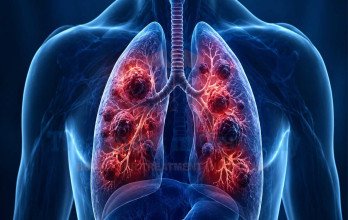
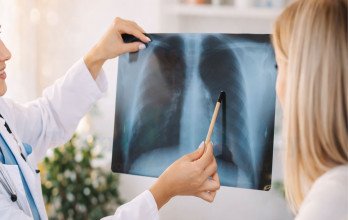
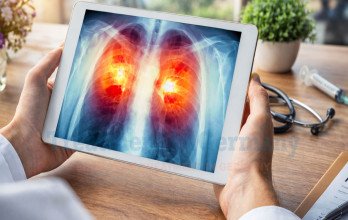
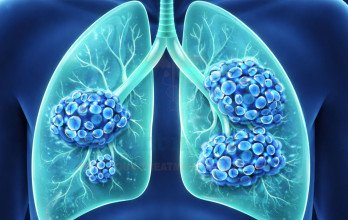
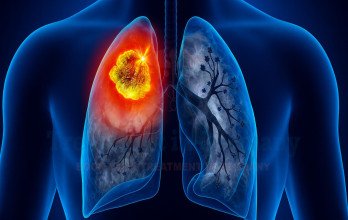
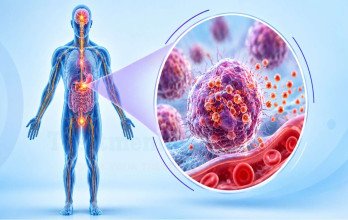
Stage 4 lung cancer is an advanced stage of the disease where cancer cells have spread beyond the lungs to other organs or distant areas of the body. At this stage, treatment planning is no longer focused on removing one tumor. Instead, the goal becomes controlling disease activity throughout the body, reducing symptoms, and improving quality of life through a structured long-term strategy.
Chemotherapy remains one of the most commonly used treatment options for stage 4 lung cancer because it works systemically. This means it circulates through the bloodstream and can reach cancer cells in different locations. However, many patients want to know how effective is chemotherapy for stage 4 lung cancer, and what results can realistically be expected from it.
Many international patients explore new and innovative treatment options in Germany because Germany is known for structured oncology treatment, accurate staging protocols, and advanced treatment planning. For patients traveling abroad, Germany offers confidence because treatment is guided by diagnostic clarity, specialist-led planning, and consistent monitoring. Germany also provides access to innovative interventional oncology procedures and personalized immunotherapy approaches that may be evaluated alongside systemic treatment when appropriate.
What Does Stage 4 Lung Cancer Mean?
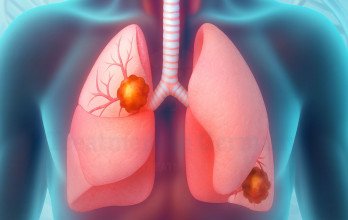
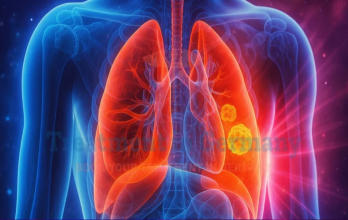
Stage 4 lung cancer means cancer has spread outside the lung where it started. This stage is also called metastatic lung cancer. Spread may involve organs such as lung cancer with liver metastasis, bones, adrenal glands, or brain. Because the disease becomes systemic, treatment must also be systemic, meaning it must address cancer activity in multiple areas rather than in one single location.
Stage 4 lung cancer does not look the same in every patient. Some patients may have limited metastatic spread, while others may have more extensive involvement. This is why treatment decisions differ case by case and must be reviewed continuously throughout the treatment journey.
How Chemotherapy Works for Stage 4 Lung Cancer
Chemotherapy uses anti-cancer drugs designed to target fast-dividing cells. Cancer cells divide rapidly, which is why chemotherapy can slow their growth or destroy them. Since stage 4 lung cancer often involves cancer cells in multiple areas, chemotherapy is used because it can reach cancer cells throughout the body.
Chemotherapy is typically administered in cycles. Each cycle is followed by monitoring and reassessment. Doctors evaluate how the tumor responds and how the body tolerates treatment. This ongoing monitoring matters because the purpose of chemotherapy in stage 4 disease is often disease control and stabilization rather than cure.
How Effective Is Chemotherapy for Stage 4 Lung Cancer?
Chemotherapy can be effective in stage 4 lung cancer for many patients, but effectiveness varies significantly. In some cases, chemotherapy reduces tumor size, slows progression, and improves symptoms such as breathlessness, cough, or chest discomfort. In other cases, the cancer may respond only partially or may become resistant over time.
At stage 4, chemotherapy is usually evaluated for its ability to achieve goals such as:
- reducing tumor activity
- controlling progression
- supporting symptom relief
- helping maintain daily functioning
- improving quality of life
It is important to understand that doctors do not evaluate chemotherapy success only by tumor shrinkage. In metastatic disease, stable disease and symptom improvement are also meaningful outcomes.
What Affects Chemotherapy Results in Stage 4 Lung Cancer?
Chemotherapy response depends on several factors, which is why doctors do not promise fixed results. The most important factors include cancer type, tumor biology, spread pattern, and overall patient health.
Lung cancer is mainly divided into two types: non-small cell lung cancer (NSCLC) and small cell lung cancer (SCLC). These types behave differently and respond differently to systemic therapies. Chemotherapy may be used differently depending on the type and treatment goal.
Another major factor is overall health. Patients with stronger organ function may tolerate chemotherapy better and complete planned cycles more safely. If the patient’s health is already fragile, doctors may adjust the plan or consider alternative strategies.
Common Side Effects of Chemotherapy in Stage 4 Lung Cancer
Chemotherapy side effects vary depending on medication type and patient condition. Some patients experience fatigue, appetite changes, nausea, weakness, low immunity, or changes in blood counts. Side effects do not always mean chemotherapy is failing, but they may require medical management and dose adjustments. In Germany, careful monitoring and supportive care are considered part of the treatment plan. Doctors aim to maintain treatment benefit while reducing unnecessary side-effect burden.
Innovative Treatment Options in Germany for Stage 4 Lung Cancer
Chemotherapy remains a core systemic option, but some patients also explore additional options when disease burden is high or when focused tumor control is needed. Germany is known for offering Innovative treatment options for stage 4 lung cancer, including procedure-based interventional oncology and immune-based approaches.
TPCE Treatment (Transpulmonary Chemoembolization) for Stage 4 Lung Cancer in Germany
TPCE Treatment (Transpulmonary Chemoembolization) for stage 4 lung cancer is an interventional oncology procedure designed to deliver chemotherapy directly to lung tumor regions through pulmonary circulation. The goal is targeted delivery, meaning a higher local concentration of chemotherapy can reach the tumor area while reducing full-body exposure.
In this approach, chemotherapy is delivered to tumor-feeding circulation followed by embolic agents that reduce blood flow to tumor tissue. TPCE Treatment (Transpulmonary Chemoembolization) is evaluated in selected cases when localized control is needed alongside systemic treatment planning. The cost of TPCE therapy in Germany typically ranges between €8,000 and €9,000 per session.
TACP Treatment (Transarterial Chemoperfusion) for Stage 4 Lung Cancer in Germany
TACP Treatment (Transarterial Chemoperfusion) for stage 4 lung cancer is another interventional oncology approach used in selected lung cancer cases. This treatment delivers chemotherapy directly through arteries feeding the tumor while maintaining blood flow, which helps protect surrounding healthy tissue.
Prior to TACP Treatment in Germany, angiographic imaging is used to map the tumor’s blood supply. A catheter is then guided into the relevant arteries, and chemotherapy is infused in a controlled manner. Patients are closely monitored during and after the procedure, and follow-up assessments help determine whether additional sessions are needed. The cost generally ranges between €8,000 and €9,000 per session, depending on treatment planning.
Immunotherapy Dendritic cell therapy for Stage 4 Lung Cancer in Germany
Immunotherapy Dendritic cell therapy for stage 4 lung cancer is a personalized immune-based approach designed to support immune recognition of cancer-related markers. Unlike chemotherapy, which directly targets dividing cells, dendritic cell therapy works through immune education and immune surveillance.
The process includes medical evaluation, blood collection, and processing of immune cells (Monocytes) in an EU GMP certified laboratory. These cells are trained using tumor-specific antigens and administered back to the patient as a personalized dendritic cell vaccine, usually by injection under the skin. The cost of Immunotherapy Dendritic Cell Therapy in Germany is €26,000.
Can Innovative Treatments Replace Chemotherapy?
For most stage 4 lung cancer cases, chemotherapy remains the main systemic treatment option, especially early in planning. Innovative therapies such as TPCE and TACP are usually evaluated as supportive options for localized tumor control, while dendritic cell therapy may be evaluated to support immune-based strategies. In Germany, these approaches are evaluated carefully based on tumor location, spread pattern, and patient tolerance.
International Patient Support through TIG (Treatment in Germany)
When patients travel abroad, logistics can become overwhelming. Treatment planning involves hospital coordination, scheduling, documentation, travel, and lodging.TIG (Treatment in Germany) , at www.treatmentingermany.de ensures seamless coordination and manages complete logistic arrangements for international patients, including travel, lodging, and medical visa for international patients (if required).
🌍Why Patients Worldwide Prefer Our Medical Services in Germany – Key Benefits Explained:













.webp)
 (1).webp)
.webp)
.jpg)
 (1).webp)
.jpg)