

Latest lung cancer treatment advances beyond chemotherapy, offering innovative therapies, personalized treatment plans, and new hope for lung cancer patients.
Advanced Lung Cancer Treatment Options beyond Chemotherapy
Lung cancer remains the leading cause of cancer-related mortality worldwide. In 2022 it accounted for approximately 2.5 million new cases and close to 1.8 million deaths globally representing the most commonly diagnosed cancer and the leading cause of cancer death globally [1]. It ranks first in cancer mortality among both men and women, and incidence continues to rise in several regions despite advances in diagnosis and treatment [2].
In stage 4 lung cancer, the disease has metastasized beyond the lung to distant organs. Management at this stage requires coordinated, multidisciplinary care, and current therapeutic options extend well beyond standard systemic regimens involving medical oncology, radiation oncology, thoracic surgery, pathology, radiology, and palliative care, with treatment increasingly guided by tumor histology, molecular alterations, and biomarker status. For this reason, many patients pursue lung cancer treatment in Germany, where academic oncology centers combine comprehensive molecular diagnostics with a structured tumor-board model.
For patients with advanced disease, the most relevant advances lie in lung cancer treatment options beyond conventional chemotherapy, including the interventional and immune-based modalities that characterize stage 4 lung cancer treatment in Germany. TIG GmbH supports international patients seeking a second opinion or initiating treatment, coordinating each stage of the process from record review, physician consultations, and travel logistics.
Understanding Advanced Lung Cancer and Its Main Subtypes
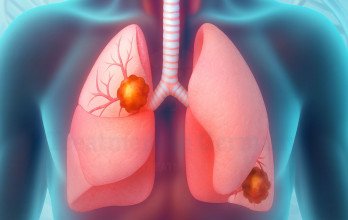
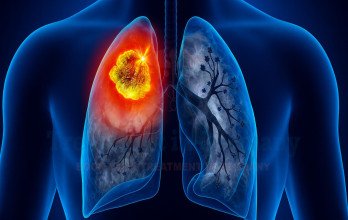
Stage 4 lung cancer means the disease has spread from the lung to distant sites such as the brain, liver, adrenal glands, or bones. You may also hear it called metastatic lung cancer or stage 4 metastatic lung cancer. At this point, the aim of care shifts toward controlling the disease, extending survival, easing symptoms, and protecting quality of life.
Lung cancer falls into two broad families that behave very differently in their biology, clinical behavior, and treatment approaches. Non-small cell lung cancer makes up about 85% of all cases and includes lung adenocarcinoma, squamous cell lung carcinoma, and large cell carcinoma [11]. Small cell lung cancer is less common but grows fast and tends to spread early. Each type responds differently to drugs, which is why an accurate diagnosis matters so much.

Within the larger group, adenocarcinoma of lung is the most frequent subtype and often starts in the outer lung tissue. It is commonly linked to targetable changes such as EGFR mutations, ALK rearrangements, and ROS1 fusions. Squamous cell lung cancer tends to arise in the central airways and carries a strong link to smoking [11].
Mapping the lung cancer stages is the backbone of planning. The stages of lung cancer run from Stage I, a small localized tumor, through Stage IV, where the cancer has reached distant organs. Stage 4 is split further into IVA, with limited spread, and IVB, according to the extent and distribution of metastatic disease under the TNM staging system, and these distinctions can influence prognosis and treatment planning.
Common Risk Factors for Lung Cancer
Cigarette smoking, by far the single biggest driver and the cause of the large majority of cases.
Exposure to carcinogens such as asbestos, radon, arsenic, silica, and diesel exhaust at work or home.
Outdoor air pollution and indoor cooking or heating fumes in certain regions.
A family history of lung cancer and inherited genetic susceptibility.
Prior radiation therapy to the chest given for an earlier cancer.
Recognizing Stage 4 Lung Cancer Symptoms Early
Stage 4 lung cancer symptoms vary widely. They depend on where the original tumor sits and where the cancer has spread.Patients may experience a combination of respiratory symptoms and systemic manifestations.
The most common signs include:
A cough that lingers, worsens over time, or simply will not clear.
Coughing up blood or blood-streaked mucus.
Shortness of breath at rest or with only light activity.
Chest pain that sharpens with deep breaths, coughing, or laughing.
A hoarse voice or other changes in how the voice sounds.
Unexplained weight loss and a fading appetite.
Constant fatigue and weakness that rest does not fix.
Bone pain when the cancer has reached the skeleton.
Headaches, dizziness, or other neurological changes when the brain is involved.
Because these symptoms overlap with many ordinary chest conditions, a clear lung cancer diagnosis at an early stage is often hard to reach. Outcomes still depend heavily on tumor type, molecular profile, disease burden, sites of metastasis, performance status, and response to therapy.
How Is Lung Cancer Diagnosed and Profiled?
People often ask how lung cancer is diagnosed. The path usually starts with chest imaging, most often a CT scan. A PET-CT scan then helps map how far the disease has spread, and a tissue sample taken through bronchoscopy or a CT-guided needle biopsy confirms the diagnosis and pins down the exact subtype [11].
Molecular testing has become an essential layer of the modern lung cancer diagnosis. Checking assessment for EGFR mutations, ALK rearrangements, ROS1 fusions, BRAF V600E mutations, MET exon 14 skipping alterations, RET rearrangements, KRAS G12C mutations, NTRK fusions, HER2 mutations, and PD-L1 expression, all of which may influence treatment selectionfor NSCLC targeted therapy and who may respond to lung cancer immunotherapy[11]. Major German clinics routinely run comprehensive next-generation sequencing for advanced non-small cell lung cancer treatment, which is what makes truly personalized care possible.
Stage 4 Lung Cancer Prognosis and Life Expectancy
A frequent and very human question and many people also ask can lung cancer be cured at this point. For most people with advanced disease a complete cure is uncommon, yet that is no longer the only meaningful measure. The chart below shows how five-year survival shifts across the lung cancer stages. These are population-level figures, so individual results vary widely [1].

Stage 4 lung cancer prognosis has improved meaningfully over the past decade, largely due to lung cancer targeted therapy and lung cancer immunotherapy and advances in targeted therapies, immune checkpoint inhibitors, molecular diagnostics, and supportive care. Patients whose tumors harbor actionable mutations and receive matched agents can achieve substantially longer survival than historical chemotherapy-only data indicate [3]. Consequently, stage 4 lung cancer life expectancy now correlates more closely with tumor molecular profile than with stage alone, and reported lung cancer stage 4 survival figures continue to improve with newer regimens.
In the absence of treatment, advanced disease typically progresses rapidly, and stage 4 lung cancer life expectancy without treatment is often measured in months. With active management the trajectory changes, and overall stage 4 lung cancer survival is increasingly determined by molecular characteristics. When patients ask whether is advanced lung cancer curable or whether is lung cancer treatable, the accurate answer is that durable disease control and prolonged survival are realistic goals for many.
Survival Snapshot across Lung Cancer Stages:

These numbers are estimates, not predictions for any one person. Profile, treatment response, general health, and access to specialized care all shift the outlook [3].
Standard Treatment for Lung Cancer at Stage 4
When stage 4 lung cancer is confirmed, a multidisciplinary tumor board reviews the molecular results, the patient's fitness, and personal preferences before settling on a plan.
Standard lung cancer treatment stage 4 options used in Germany include:
NSCLC targeted therapy: Tyrosine kinase inhibitors such as osimertinib for EGFR, alectinib for ALK, and entrectinib for ROS1 in patients with matching driver mutations [11].
Lung cancer immunotherapy: Checkpoint inhibitors against PD-1 and PD-L1, used alone or alongside chemotherapy based on PD-L1 levels.
Chemotherapy: Platinum-based regimens stay the backbone for patients without a targetable change particularly for patients without actionable molecular alterations or in combination with immunotherapy in appropriate clinical settings, and chemo for lung cancer is often paired with immunotherapy.
Small cell carcinoma lung cancer treatment: Combination chemotherapy plus immunotherapy is the standard first-line approach for extensive-stage small cell lung cancer.
Lung cancer medication: Anti-angiogenic agents such as bevacizumab are added to chemotherapy in selected cases.
Focused Radiotherapy: Stereotactic body radiotherapy to target a small number of metastatic deposits, plus supportive and palliative care throughout.
Beyond Chemotherapy: Innovative Advanced Lung Cancer Treatment Options in Germany
For patients who have exhausted standard regimens or who cannot tolerate them, Germany offers several advanced approaches. These treatments aim to deliver drugs more precisely or to recruit the immune system against the tumor, and are usually combined with systemic care rather than used on their own.
TPCE Treatment for Lung Cancer in Germany
Transpulmonary chemoembolization lung cancer therapy, known as TPCE, is a specialized interventional technique built specifically for malignant lung tumors. TPCE treatment for lung cancer delivers chemotherapy straight into the arterial supply feeding the tumor, then blocks that flow to trap the drug in place. The goal is a higher local drug concentration with less spread through the rest of the body than intravenous chemotherapy [4]. TPCE is a specialized interventional oncology procedure performed in selected centers. It is not currently included as a routine treatment in major international lung cancer guidelines and is generally considered for carefully selected patients, often alongside standard systemic therapies.

The technique was developed and refined at University Hospital Frankfurt under Prof. Vogl, a recognized specialist in interventional oncology. A study of TPCE combined with microwave ablation for recurrent or advanced non-small cell lung cancer reported encouraging local tumor control in selected patients [10]. A broader review of transcatheter arterial chemoembolization for lung cancer reported encouraging disease-control outcomes in selected patients with advanced or inoperable tumors. However, current evidence is based largely on observational studies and specialized-center experience rather than randomized phase III trials [6].
The procedure is done under imaging guidance, and many patients recover within a few hours, which makes TPCE treatment in Germany an option even for those with reduced fitness [5]. TIG GmbH arranges consultations with the treating physician and coordinates multi-session plans for this therapy.
TACP Treatment for Lung Cancer in Germany
Transarterial chemoperfusion, or TACP, is a minimally invasive therapy that sends a high concentration of chemotherapy directly to the tumor through its own arterial blood supply. Unlike systemic chemotherapy that circulates everywhere, transarterial chemoperfusion lung cancer therapy keeps the drug focused on the tumor, with the aim of stronger local delivery and fewer effects on healthy tissue [5].

For selected patients with advanced lung cancer, TACP may be considered as part of a multidisciplinary treatment strategy, particularly when local tumor control is an important treatment goal. Each session is planned with MRI or CT imaging although protocols vary between institutions, followed by catheter-guided delivery into the artery supplying the tumor, with patients usually watched for a few hours and same-day follow-up imaging [6].
TACP treatment in Germany is delivered with an individualized plan by Prof. Vogl and his specialist team. TIG GmbH coordinates every step, from the first consultation to post-procedure follow-up.
Immunotherapy for Lung Cancer in Germany
Lung cancer immunotherapy has transformed the treatment of advanced lung cancer. Immunotherapy relies mainly on checkpoint inhibitors that target the PD-1 and PD-L1 pathway, a mechanism cancer cells use to evade the immune system. Blocking this pathway restores the immune system's ability to recognize and attack the tumor by reducing tumor-mediated immune suppression [11].

PD-L1 expression is a key marker for identifying who benefits most within NSCLC treatment. Patients with high PD-L1 expression may be candidates for pembrolizumab monotherapy, while others may benefit from combination immunotherapy-based regimens depending on molecular and clinical factors. For patients with lower PD-L1 expression, the standard has shifted to combination chemotherapy plus immunotherapy [11].
Immunotherapy for lung cancer in Germany is delivered within molecular tumor-board programs that routinely assess PD-L1 expression and may evaluate additional biomarkers through comprehensive molecular profiling. Tumor mutational burden is not currently a routine treatment-selection marker for most patients but may be considered in selected cases or research settings.
Dendritic Cell Therapy for Lung Cancer in Germany
Dendritic cell therapy is an experimental immune approach still under clinical study. Dendritic cells are the immune system's coordinators, presenting targets to T cells so they can attack abnormal cells. In this therapy, a patient's own immune cells are collected, matured, and loaded with lung cancer antigens in the laboratory, then returned to the body to prime a focused anti-tumor response. It is not currently recommended as a standard treatment in major international lung cancer guidelines, and its impact on long-term survival remains under investigation.

Research into DC-based immunotherapy for non-small cell lung cancer has shown that these vaccines can produce measurable tumor-specific immune responses and can be given safely to patients with advanced disease [7]. A comprehensive critical review found that DC vaccines are a promising way to remodel the immunosuppressive environment around the tumor and may strengthen the effect of systemic therapies given alongside them however, definitive evidence demonstrating improvements in overall survival remains limited [8].
Further work on DC vaccination in NSCLC treatment confirmed that these vaccines can tip the balance inside the tumor from immune-suppressing to immune-activating, creating better conditions for lasting anti-tumor activity [9]. That shift is especially useful when DC therapy is paired with checkpoint inhibitors, which may boost the overall response to lung cancer immunotherapy [9].
TIG GmbH supports patients through every part of this process, from understanding the evidence to scheduling and the multi-week commitment the course requires.
Lung Cancer Treatment Cost in Germany
For anyone considering lung cancer treatment in Germany, a clear view of cost is part of sound planning. Prices depend on the specific therapy, the institution, and individual clinical needs. The table below sets out the headline figures for the advanced therapies covered here.

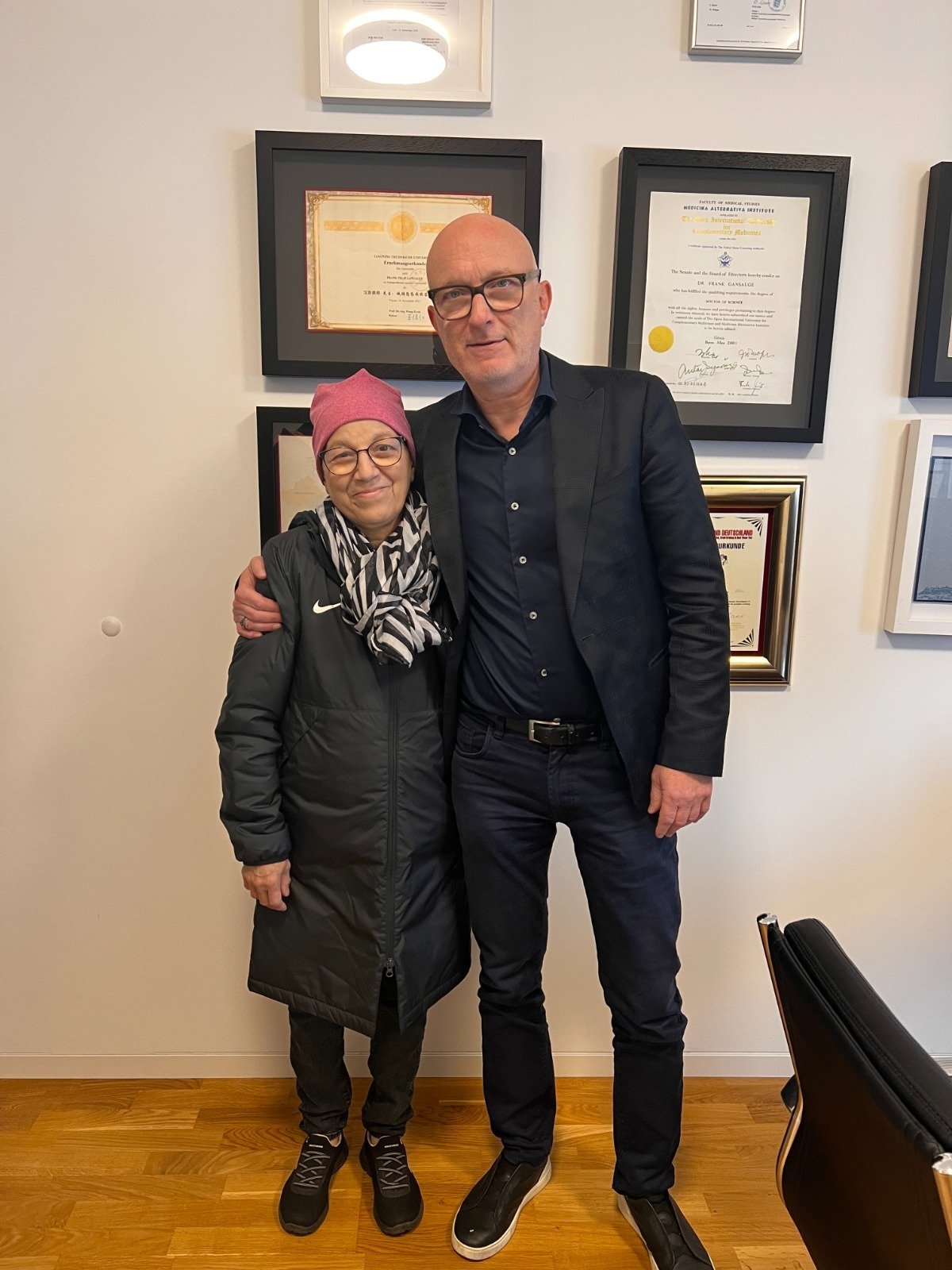
For the interventional therapies, the cost of TPCE and TACP treatment in Germany typically ranges between €8,000 and €9,000 per session, both delivered by Prof. Vogl. The cost of dendritic cell therapy in Germany is approximately €27,000 for total course, delivered by Prof. Gansauge at LDG Laboratories. Costs for immunotherapy, lung cancer targeted therapy, surgery, and radiotherapy depend on the agent, the number of cycles, and the institution.
TIG GmbH provides a detailed, personalized cost breakdown before any commitment to travel or treatment, so every patient considering care in Germany has full transparency from the start.
Who Qualifies for These Advanced Lung Cancer Therapies?
Eligibility for each treatment is judged case by case by lung cancer specialists through tumor-board reviewon an individual basis through multidisciplinary review that considers tumor characteristics, molecular findings, disease extent, performance status, organ function, prior treatments, and patient preferences. The general criteria are outlined below.
TPCE and TACP Eligibility
Stage 4 lung cancer or metastatic lung cancer: once histologically confirmed advanced or metastatic lung cancer is considered appropriate for investigational immunotherapy following specialist evaluation.
Enough respiratory and cardiac function to tolerate an interventional procedure.
No contraindication to contrast agents or minimally invasive arterial procedures.
Patients who have progressed on, or are not suited to, standard systemic therapies.
Immunotherapy Eligibility
Confirmed non-small cell lung cancer or small cell lung cancer on pathology.
Completed PD-L1 testing, with high expression linked to a better chance of response.
Adequate organ function and a reasonable performance status.
Dendritic Cell Therapy Eligibility
Confirmed stage 4 lung cancer, including adenocarcinoma lung stage 4 and squamous cell lung cancer.
Adequate circulating immune cell counts for collection and laboratory processing.
No active autoimmune disease or ongoing strong immunosuppression.
Willingness to commit to a multi-week protocol with several sessions.
Leading Hospitals for Lung Cancer Treatment in Germany
These institutions are widely recognized for lung cancer treatment in Germany and are frequently accessed by international patients. Each runs dedicated thoracic oncology teams within structured multidisciplinary programs.

TIG GmbH has working relationships with the oncology departments at these centers and can help patients secure second opinions, schedule consultations, and coordinate each part of their care.
Key Considerations before Choosing Treatment for Advanced Lung Cancer
Anyone seeking treatment for advanced lung cancer should keep expectations realistic. Outcomes differ from person to person. A full cure remains uncommon, but modern multimodal care can control disease, extend survival, and improve daily life for many patients [4].
Survival depends on molecular profile, response to therapy, overall health, and access to specialized care [3].
TPCE and TACP are highly specialized procedures offered only at selected centers, and they are generally combined with systemic therapy rather than used alone [4].
Dendritic cell therapy is still under clinical evaluation, so patients should be fully informed about the current evidence before proceeding [8].
International care involves travel, scheduling, and financial planning that benefit from experienced coordination for stage 4 lung cancer treatment in Germany.
How TIG GmbH Supports International Lung Cancer Patients?
For patients pursuing advanced stage 4 lung cancer treatment in Germany, TIG GmbH provides end-to-end support across the entire treatment pathway. This includes reviewing medical records, arranging specialist consultations, and matching patients with leading German cancer centers, which together simplify access to advanced therapies such as TPCE, TACP, immunotherapy, and dendritic cell therapy for lung cancer treatment.
Support also extends beyond the clinical side. Our team coordinates medical visa documentation, travel arrangements, and interpreter services, and assists with follow-up care alongside physicians in the patient's home country. From the first consultation through recovery, the goal is a clear, well-organized, and patient-focused experience for anyone considering care in Germany.
If you have been diagnosed with stage 4 lung cancer, TIG GmbH can arrange a specialist review of your medical records and determine whether additional treatment options may be available in Germany. Most patients begin with a remote consultation before deciding whether travel is appropriate.
References
Why Patients Worldwide Prefer Our Medical Services in Germany – Key Benefits Explained


















.webp)
 (1).webp)
.webp)

.jpg)
 (1).webp)

.jpg)