

Stage 4 ovarian cancer is an advanced disease that has spread beyond the abdomen, making timely treatment essential. This article explains how the disease is diagnosed, where it commonly spreads, and the factors that influence survival. It also explores standard treatment approaches in Germany, including surgery and chemotherapy, as well as selected innovative options such as targeted embolization and dendritic cell therapy for eligible patients.
Stage 4 Ovarian Cancer Treatment Options in Germany
A diagnosis of stage 4 ovarian cancer raises urgent questions about survival, treatment, and where to find the right expertise. Because the disease causes vague symptoms early on, and no effective population screening test exists for average-risk women, most women learn about it only once it has already spread, which makes the decisions that follow both complex and time-sensitive.
Ovarian cancer is the most lethal gynecologic malignancy, causing 313,959 new cases and 207,252 deaths worldwide each year, and the absence of effective screening means 75% of patients are diagnosed at an advanced stage [4]. Even at this point, treatment can meaningfully extend life and protect quality of life.
Many international patients look to ovarian cancer treatment in Germany for its certified gynecologic cancer centers, experienced surgical teams, and access to innovative options for carefully selected patients. For those exploring advanced ovarian cancer treatment in Germany, TIG GmbH supports patients throughout the process, from medical report review and specialist appointments to travel arrangements and follow-up care.
What Is Stage 4 Ovarian Cancer?
Stage 4 ovarian cancer describes disease that has spread beyond the abdominal cavity to distant organs or tissues. Understanding how it is classified, how the substages differ, and how the disease reaches this point helps patients follow the reasoning behind their treatment plan.

How Is Stage 4 Ovarian Cancer Classified?
Ovarian cancer is staged using the FIGO system, and stage 4 sits at the top of the ovarian cancer stages. The classification was revised in 2014 and now divides stage IV into two substages, IVA and IVB [2], the point at which the disease is described as metastatic ovarian cancer. Stage IV disease is present in 12% to 33% of patients at the time of initial diagnosis [3]. Women with ovarian cancer stage 4 carry the heaviest tumour burden, making timely management at an experienced multidisciplinary gynecologic oncology centre particularly important.
What Is the Difference Between Stage 4A and Stage 4B?
The two substages are separated by where the cancer has travelled. Stage 4A ovarian cancer is defined by malignant pleural effusion, meaning cancer cells in the fluid around the lungs, while stage 4B ovarian cancer is defined by parenchymal metastases, such as deposits inside the liver or spleen, or by lymph node metastases outside the abdomen.
In a multicentre study of 307 women with stage IV disease, 98 (32%) had stage IVA and 209 (68%) had stage IVB. Women with stage IVA had a shorter median overall survival than those with stage IVB, at 31 months versus 45 months, and initial pleural involvement was itself a poor prognostic factor [2].
How Does Ovarian Cancer Progress to Stage 4?
Ovarian cancer spreads differently from most solid tumours. Rather than travelling mainly through the bloodstream, tumour cells shed directly into the peritoneal fluid and settle on surfaces throughout the abdomen, which explains why the disease is often widespread by the time it is found. Almost 70% of patients already have peritoneal cavity metastasis at diagnosis.
For anyone asking how fast ovarian cancer spreads or progresses, the rate varies considerably between individuals and depends on tumour histology, grade, molecular characteristics, and response to treatment. Spread through the peritoneum often occurs early and silently, whereas systemic spread to organs such as the liver and lungs usually develops later in the course of the disease [5].
Where Does Stage 4 Ovarian Cancer Spread?
The pattern of spread shapes both the treatment plan and the symptoms a woman experiences. Knowing which sites are typically involved helps explain why staging investigations look beyond the pelvis.
What Are the Most Common Sites of Metastasis?
Ovarian cancer metastasis follows a fairly predictable pattern dominated by the abdominal cavity, with the peritoneum and omentum as the primary targets. The main ovarian cancer metastasis sites include:
- Peritoneum and omentum, the most common sites, involved in the majority of cases [5].
- Pleura, producing the pleural effusion that defines stage IVA [2].
- Liver and spleen, as parenchymal deposits classified as stage IVB [2].
- Lungs, usually appearing in later-stage disease [5].
- Extra-abdominal lymph nodes, another stage IVB defining feature [2].
For anyone asking where does ovarian cancer spread to or where does ovarian cancer metastasize to, the answer begins inside the abdomen and only later extends to distant organs.
How Can Ovarian Cancer Spread to the Liver, Lungs, and Pleura?
Distant metastases most commonly develop through haematogenous (blood-borne) and lymphatic dissemination, whereas the predominant route of spread in ovarian cancer is transcoelomic dissemination within the peritoneal cavity, which is why ovarian cancer spread to the liver and ovarian cancer metastasis to the lung tend to occur later in the disease course [5].
An important distinction applies to the liver. Deposits on the liver surface count as peritoneal disease, whereas metastases inside the liver tissue qualify as stage IVB, so ovarian cancer with liver metastasis needs precise imaging to classify correctly. Malignant pleural effusion defines stage IVA, and ovarian cancer and pleural effusion at diagnosis is associated with poorer overall survival than in women without pleural involvement [2].
What Are the Symptoms and How Is Stage 4 Ovarian Cancer Diagnosed?
Symptoms of advanced disease are common but easily mistaken for digestive problems. A structured diagnostic pathway combining imaging, blood tests, and tissue analysis confirms the diagnosis and defines the stage.
Common Symptoms of Stage 4 Ovarian Cancer
The symptoms of stage 4 ovarian cancer are driven largely by fluid accumulation and tumour deposits pressing on abdominal organs, and they tend to be persistent rather than intermittent. The main symptoms reported in advanced-stage disease, with their approximate frequencies, are shown below [6].

Final-stage ovarian cancer symptoms commonly include increasing abdominal swelling caused by ascites, shortness of breath when fluid builds up around the lungs, reduced appetite, and significant fatigue. Although these symptoms can become more pronounced over time, supportive care can often help improve comfort and quality of life.
Which Tests Are Used to Diagnose Stage 4 Ovarian Cancer?
No single test confirms the diagnosis on its own, so understanding how ovarian cancer is diagnosed helps patients follow each step. Current diagnostic methods combine imaging, including transvaginal ultrasound, computed tomography, positron emission tomography, and magnetic resonance imaging, with biomarkers such as CA-125 and human epididymis protein 4. Genetic testing is also relevant. Germline BRCA1 and BRCA2 testing is recommended for all patients with epithelial ovarian cancer, and tumour testing for homologous recombination deficiency (HRD) and somatic BRCA mutations is increasingly used to guide treatment with PARP inhibitors and other targeted therapies [6].
What Is the Survival Rate and Life Expectancy for Stage 4 Ovarian Cancer?

Survival figures provide useful benchmarks, although individual outcomes vary widely. Reviewing average statistics, the factors that shift them, and the influence of modern treatment gives a clearer and more realistic picture.
What Is the Average Survival Rate?
Median survival for patients with FIGO stage IV ovarian cancer ranges from 15 to 29 months, with an estimated five-year survival of approximately 20% [3]. A large population-based analysis reported a median overall survival of 1.9 years among women with stage IV disease, more than 80% of whom received cancer-directed treatment. Across all stages, the relative five-year survival rate lies between 40% and 50% [1].
The table below summarizes the benchmarks that frame the stage 4 ovarian cancer prognosis.

Factors That Influence Survival and Life Expectancy
Several clinical factors shape stage 4 ovarian cancer life expectancy and the metastatic ovarian cancer survival rate [1] [2]:
- Residual disease after surgery, since macroscopic residual disease after cytoreductive surgery is one of the main prognostic factors in advanced ovarian cancer.
- Age at diagnosis, because the stage 4 ovarian cancer survival rate by age falls in older women, with those over 80 showing a substantially higher risk of death than women aged 50 or under.
- Histological subtype, with high-grade serious ovarian cancer showing the best survival in one large cohort. However, this finding does not mean it universally has the best prognosis across all patients.
- Treatment received, since surgery followed by systemic treatment produced the highest overall survival rate.
Substage and metastatic pattern, given the survival difference observed between stage IVA and IVB disease.
Can Modern Treatments Improve Survival Outcomes?
The quality of surgery makes a substantial difference. Among patients with stage IV disease, five-year survival rates were 8% with suboptimal debulking surgery compared with 39% after optimal debulking.
Whether surgery is performed at all also matters. Patients who underwent primary or interval debulking surgery had significantly superior overall survival compared with those receiving chemotherapy alone, at 32 months versus 17 months [3].
This is why stage 4 ovarian cancer treatment is planned around the most complete surgical result that is safely achievable.
How Is Stage 4 Ovarian Cancer Treated in Germany?

German centers follow international standards built around surgery and systemic therapy, coordinated through multidisciplinary tumour boards. Specific techniques such as heated intraperitoneal chemotherapy are reserved for defined situations.
What Are the Standard Treatment Options for stage 4 Ovarian Cancer?
The standard protocol for advanced ovarian cancer begins with cytoreductive surgery followed by platinum-based chemotherapy, typically carboplatin with paclitaxel, the surgical goal being complete cytoreduction and removal of all macroscopic disease [4].
The main components of treatment for stage 4 ovarian cancer are:
- Debulking surgery, performed either before chemotherapy or after several cycles as interval surgery, aiming to leave no visible tumour.Chemotherapy for ovarian cancer stage 4, where the standard chemo drugs for ovarian cancer are carboplatin combined with paclitaxel.
- Targeted therapy, including anti-angiogenic treatment and PARP inhibitor maintenance for suitable patients, which forms the basis of ovarian cancer targeted therapy in Germany.
- Supportive care, managing ascites, pleural fluid, nutrition and pain alongside active treatment.
Because relapse remains common even after an initial response, treatment for recurrent disease is planned through the same multidisciplinary approach.
When Is HIPEC Recommended?

Hyperthermic intraperitoneal chemotherapy delivers heated chemotherapy directly into the abdominal cavity during surgery, allowing high drug concentrations to reach peritoneal surfaces. The evidence comes from the OVHIPEC-1 randomised trial, in which median overall survival increased from 33.9 months in the surgery-only group to 45.7 months with the addition of HIPEC, without a significant increase in severe adverse events.
Based on these results, the National Comprehensive Cancer Network recommends considering cisplatin-based HIPEC at the time of interval cytoreductive surgery for FIGO stage III disease in patients with stable or improving disease after at least three cycles of neoadjuvant chemotherapy [7].
For HIPEC treatment for ovarian cancer in Germany in stage IV disease, suitability is therefore assessed individually by the tumour board rather than applied routinely.
Innovative Treatment Options for Stage 4 Ovarian Cancer Treatment in Germany
Alongside standard care, specialised German centres may offer additional treatments for eligible patients based on an individual treatment plan. The two options discussed most often by international patients are targeted embolization treatment and dendritic cell therapy, each explained in the sections that follow.
Both are used in addition to standard treatment rather than in place of it and only after specialist evaluation.
What Is Targeted Embolization Treatment for Stage 4 Ovarian Cancer?
Targeted embolization is an image-guided, catheter-based technique performed by interventional radiologists. It is applied selectively for local tumour control rather than as a routine part of ovarian cancer care.
How Does Targeted Embolization Treatment Work?
The procedure is performed in an advanced angiography suite in Germany using real-time imaging guidance. After a small vascular access point is created, a thin catheter is carefully guided through the blood vessels and positioned near the arteries supplying the tumour. Chemotherapy is then delivered directly to the tumour through the catheter, achieving a high local drug concentration while limiting exposure to the rest of the body.

In transarterial chemoembolization (TACE), embolic particles are subsequently administered to reduce the tumour's blood supply, while transarterial chemoperfusion (TACP) delivers the chemotherapy without blocking blood flow.
A study of 75 patients with gynecologic tumours who underwent 213 chemoperfusion and 154 chemoembolization procedures reported a median overall survival of 16.15 months and a median progression-free survival of 13.19 months. Of these patients, 50 (67%) maintained stable disease until therapy completion, 10 (13%) achieved a partial response, 2 (3%) achieved a complete response, and 13 (17%) experienced disease progression [8].
Which Patients May Benefit from Targeted Embolization Treatment?
These techniques are intended for patients with unresectable gynecologic tumours who are intolerant of, or respond suboptimally to, chemotherapy and radiotherapy [8]. That is a specific group rather than all women with stage 4 ovarian cancer.
Outcomes in this setting appear favourable for ovarian disease. Patients with ovarian and endometrial carcinoma achieved a median overall survival of 24.27 months and median progression-free survival of 18.23 months, compared with 12 months and 8.21 months in the cervical carcinoma group, although these differences were not statistically significant.
The authors note that further investigation and protocol refinement are needed to improve response and survival outcomes [8], so suitability is decided case by case by an experienced interventional oncology team.
What Is Dendritic Cell Therapy for Stage 4 Ovarian Cancer?
Dendritic cell therapy in Germany is a personalised immunotherapy that uses a woman’s own immune cells to target her cancer. It is investigated as an addition to standard treatment for eligible patients.
How Does Dendritic Cell Therapy Work?

Dendritic cells are specialised antigen-presenting cells that display tumour targets to T cells, the immune cells that carry out an attack. Ovarian cancer is a difficult target for the immune system, and immunotherapy has so far not produced clear patient benefits, partly because of the immunosuppressive environment within the tumour.
Manufacturing a vaccine follows a defined sequence. Immature or mature dendritic cells are collected from the patient, differentiated and matured in the laboratory using a maturation cocktail, loaded with tumour antigens, and administered back to the patient. In this setting, dendritic cell therapy for ovarian cancer in Germany is positioned as a potential addition to existing options rather than a replacement for them [9].
Which Patients May Benefit from Dendritic Cell Therapy?
Eligibility for dendritic cell therapy is determined after a specialist reviews the patient's diagnosis, previous treatments, overall health, and treatment goals. It is generally considered for:
- Women with advanced or recurrent disease seeking an immune-based addition to standard treatment
- Patients with adequate performance status who are able to mount an immune response
- Those whose treatment plan allows the vaccine to be scheduled alongside chemotherapy or after it
Women with severe immune deficiency, uncontrolled infection or very poor overall health are usually not suitable candidates.
Can Stage 4 Ovarian Cancer Be Cured?
Current evidence shows what treatment can realistically achieve at this stage. It also shows that a subgroup of patients does considerably better than the averages suggest.
What Does Current Medical Evidence Show?
Many women ask is stage 4 ovarian cancer curable and is stage 4 ovarian cancer terminal. Based on current evidence, stage 4 disease is generally not considered curable, since five-year survival is approximately 20% [3] and the majority of patients relapse despite standard therapy [9].
It remains highly treatable, and is stage 4 ovarian cancer treatable has a clear answer, because surgery followed by systemic treatment achieves the highest overall survival rate in this group [1]. The goal is long-term disease control rather than cure.
Can Some Patients Achieve Long-Term Disease Control?
A meaningful subgroup lives considerably longer than the averages suggest, and the strongest driver is the completeness of surgery, with five-year survival reaching 39% after optimal debulking compared with 8% after suboptimal debulking [3].Histology and treatment sequence also matter, since high-grade serous disease showed the best survival in a large stage IV cohort and surgery combined with systemic therapy outperformed systemic treatment alone [1].
What Does Medical Research Say About Advanced Ovarian Cancer Treatments?

Research continues to explore additional therapies that may complement standard ovarian cancer treatment. The following section summarises the current evidence and the role of these approaches in Germany.
Recent Evidence on Targeted Embolization and Dendritic Cell Therapy
Research continues to explore new approaches that may complement standard ovarian cancer treatment. While targeted embolization and dendritic cell therapy have shown encouraging results in selected patients, the available evidence is still evolving, and larger clinical studies are needed.
In Germany, standard therapies remain the baseline of care, while these innovative options are reserved for carefully selected patients [8] [9] [10].Patients considering these approaches or clinical trials should discuss the expected benefits and current evidence with their treating specialists before making a decision.
What Are the Risks and Side Effects of Stage 4 Ovarian Cancer Treatment?
Every treatment carries potential side effects, and these differ considerably between surgery, systemic therapy, and interventional or immune-based approaches. Knowing what to expect helps patients prepare and manage them with their medical team.
What Are the Common Side Effects of Standard Treatments?
Side effects depend on the specific treatment and are managed actively throughout care.
- Cytoreductive surgery, which can involve multivisceral resections in stage IV disease and is associated with higher perioperative and postoperative morbidity [1]
- Carboplatin and paclitaxel chemotherapy, commonly causing fatigue, nausea, lowered blood counts, hair loss, and nerve-related numbness or tingling
- Targeted and maintenance therapies, which vary by drug and require regular blood monitoring
- Supportive procedures such as fluid drainage, which are generally well tolerated
What Is the Safety Profile of Targeted Embolization Treatment and Dendritic Cell Therapy?
Dendritic cell vaccines were well tolerated in published studies, with mostly mild-to-moderate grade 1 to 2 adverse effects such as flu-like symptoms, fatigue and rashes in a small subset of patients [10]. For targeted embolization, the reported experience covers 213 chemoperfusion and 154 chemoembolization procedures across the study cohort [8]. As with any catheter-based procedure, suitability and risk are assessed individually by the interventional team.
Why Choose Germany for Stage 4 Ovarian Cancer Treatment?
Germany combines certified gynecologic cancer centers, high surgical volumes, and structured multidisciplinary planning. These strengths are particularly relevant in a disease where surgical completeness strongly influences outcome.
What Makes Germany a Leading Destination for Advanced Ovarian Cancer Care?
More than 7,000 women are diagnosed with ovarian cancer in Germany every year [1], giving German centers substantial experience with this diagnosis. Multidisciplinary tumour boards bring gynecologic oncologists, surgeons, medical oncologists, radiologists, pathologists and interventional specialists together to agree on a plan before treatment starts.
Several leading centers and the best ovarian cancer hospitals in Germany are outlined below.

Alongside surgical expertise, these centers provide molecular diagnostics, clinical trials, and innovative treatments within one coordinated system.
How Much Does Stage 4 Ovarian Cancer Treatment in Germany Cost?
Treatment costs depend on which therapies form part of the personalised plan. Understanding the main components and the factors that influence them helps patients plan realistically.
What Is Included in the Treatment Cost?
The total cost depends on the individual treatment plan, including surgery, chemotherapy, imaging, hospital care and any additional therapies recommended by the treating team. Two specialised options have defined pricing: dendritic cell therapy and targeted embolization.

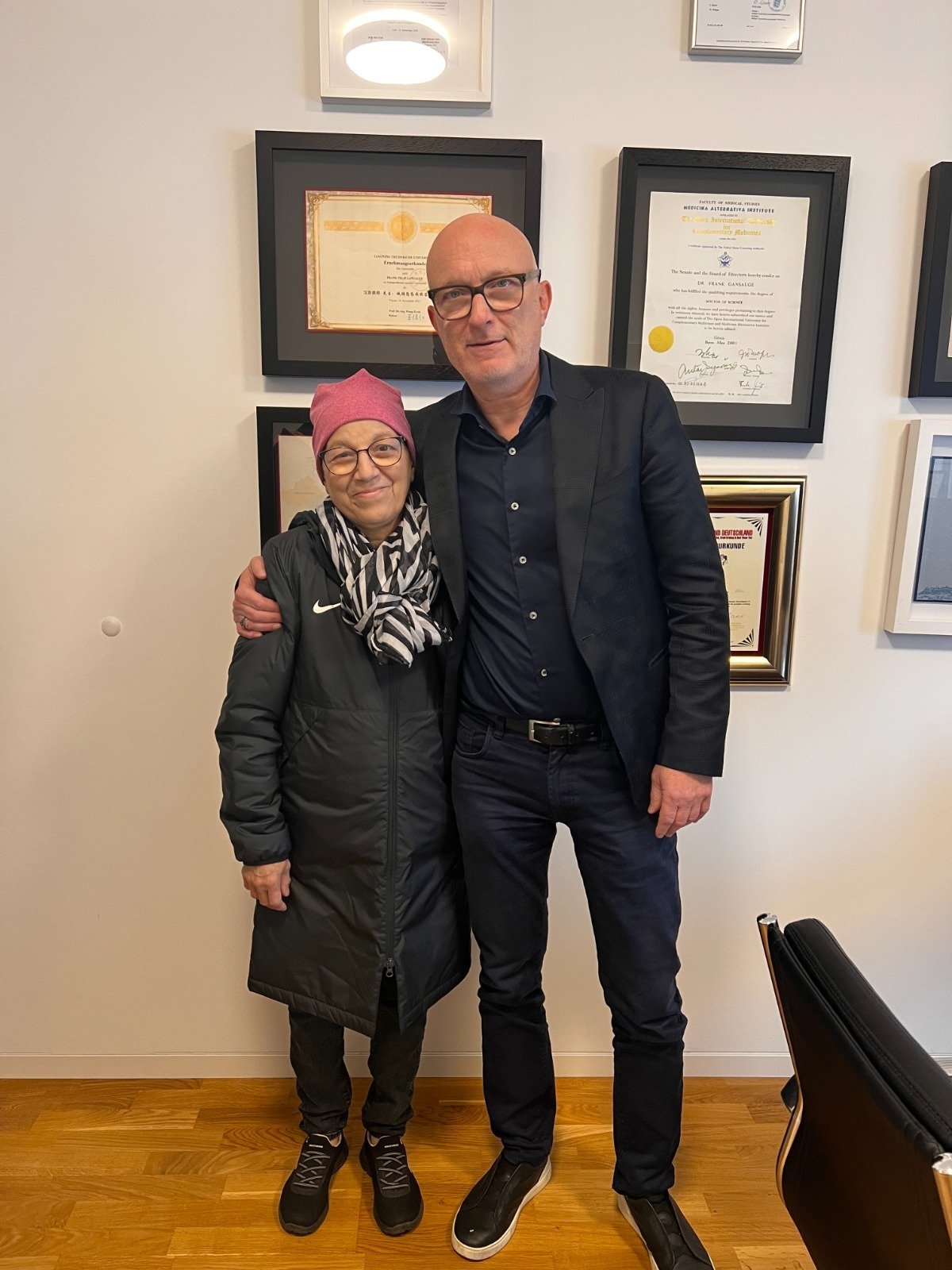
Dendritic cell therapy is delivered by Prof. Gansauge at LDG Laboratories, who specializes in personalized dendritic cell immunotherapy and cellular cancer treatments. The complete course costs approximately €27,000, covering laboratory preparation of the vaccine, scheduled injections, and associated assessments.

Targeted embolization is performed by Prof. Vogl at University Hospital Frankfurt, an internationally recognised interventional radiologist with extensive experience in image-guided regional tumour therapies, and typically costs €8,000 to €9,000 per session.
 The overall cost depends on several factors, including the extent of surgery, the number of chemotherapy and embolization sessions, whether maintenance therapy is included, the tests required, and the length of the hospital stay.
How International Patients Access Cancer Care & Why Choose TIG
Navigating treatment abroad requires careful medical and logistical planning. TIG GmbH supports international patients throughout their journey, working alongside treating specialists to streamline the process and minimize waiting times. The coordinated pathway includes:
- Medical report review and second opinion: Specialists assess medical records, imaging, and pathology to confirm diagnosis and suitability before any travel is arranged.
- Specialist matching and scheduling: Aligning appointments, surgery dates, and follow-up care directly with leading German medical teams.
- Visa and travel assistance: Preparing the documentation, official invitation letters, and travel logistics required for medical entry.
- Interpreter support: Ensuring language is never a barrier during consultations and hospital stays.
Most journeys begin simply with an initial medical report review, allowing patients to understand their options clearly before taking the next step.
What Is the Treatment Journey for International Patients?
After the initial medical report review and specialist consultation, patients receive an individualized treatment plan based on imaging, pathology, and overall health. Depending on the recommended approach, treatment may include surgery, chemotherapy and where appropriate, additional therapies such as targeted embolization or dendritic cell therapy. Throughout treatment and follow-up, TIG GmbH coordinates appointments and communication with the treating team to help ensure a smooth treatment journey.
References
Why Patients Worldwide Prefer Our Medical Services in Germany – Key Benefits Explained


















.webp)
 (1).webp)

.webp)


.jpg)

 (1).webp)

.jpg)