

Learn about the success rate of immunotherapy for ovarian cancer, including dendritic cell therapy in Germany, treatment process, side effects, and treatment options for international patients.
What Is the Success Rate of Immunotherapy for Ovarian Cancer?
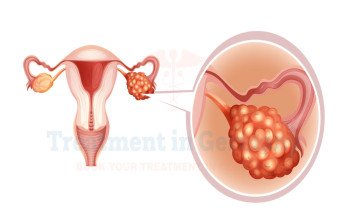
Ovarian cancer develops when abnormal cells begin to grow uncontrollably in the ovaries. In early stages, the disease may remain confined to the pelvic region. However, in advanced cases, particularly stage 4 ovarian cancer, cancer cells spread beyond the ovaries to distant organs such as ovarian cancer with liver metastases, lungs, or abdominal lining. At this stage, ovarian cancer is considered a systemic disease, and treatment planning focuses on long-term disease control rather than localized tumor removal. Accurate diagnosis of ovarian cancer in Germany relies on advanced Diagnostics, including CT scans, MRI, and PET scans, performed at specialized German healthcare centers using the latest medical technology in Germany.
Germany has become a trusted destination for women seeking stage 4 ovarian cancer new and innovative treatments in Germany, especially immune-based approaches that support the body’s own defense mechanisms. Advanced cancer treatment options for ovarian cancer in Germany is guided by structured diagnostics, regulated treatment pathways, and specialist-led oncology programs delivered through leading German Oncology centers.
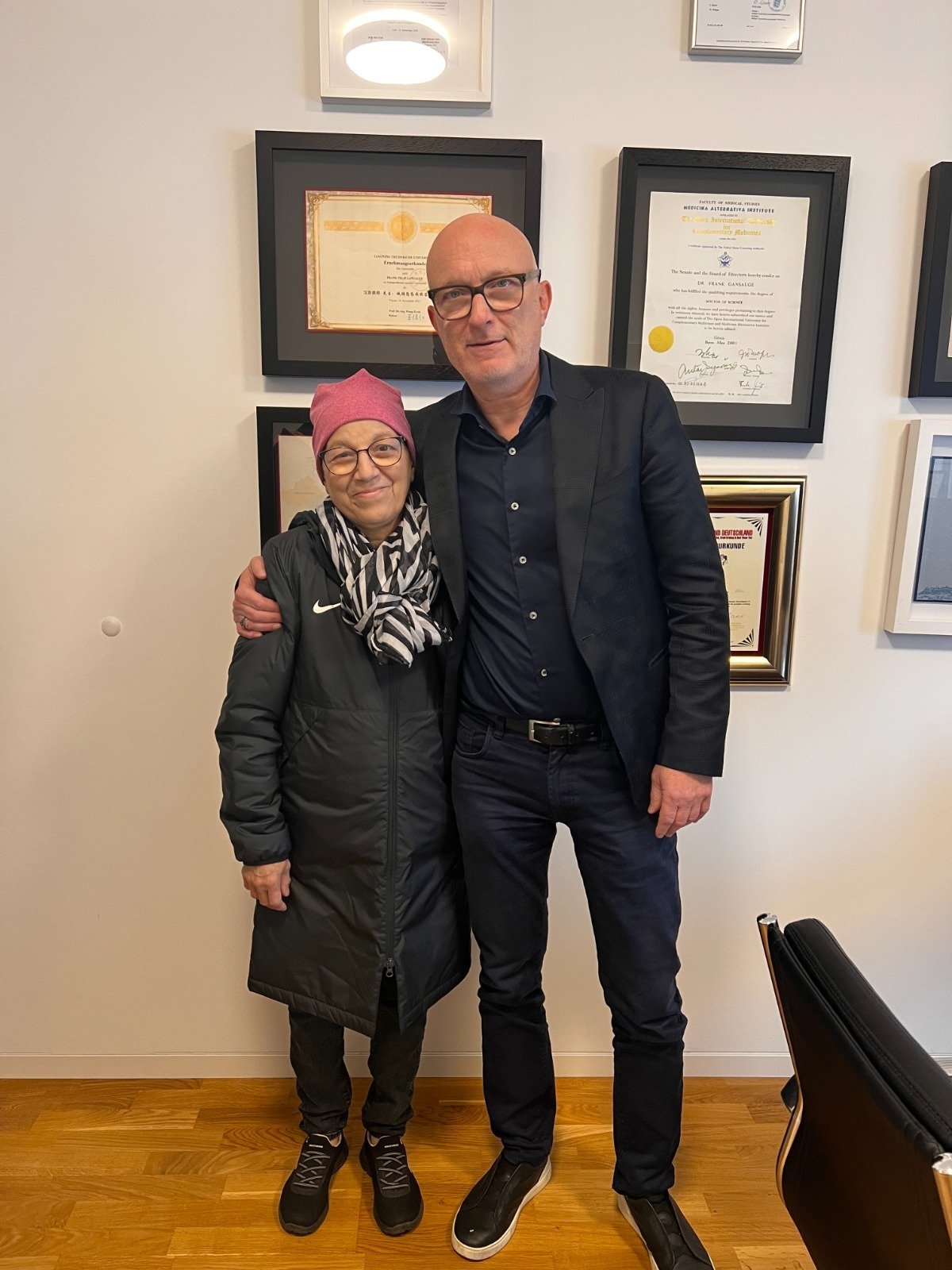
Immunotherapy programs, including dendritic cell therapy, are associated with experienced specialists such as Prof. Gansauge, known for his focused work in advanced cell-based cancer immunotherapy and widely regarded among the best oncologist in Germany for immune-based cancer treatment. International patients benefit from coordinated treatment and complete logistical arrangements through Treatment in Germany (TIG), allowing them to focus on treatment rather than administrative challenges.
What Does “Success Rate” Mean in Immunotherapy for Ovarian Cancer
When discussing the success rate of immunotherapy for ovarian cancer, it is important to understand that success is not defined by a single numerical outcome. In advanced ovarian cancer, doctors evaluate success based on disease stabilization, immune response, symptom control, and overall quality of life. Some patients may experience slowed disease progression, while others may benefit from improved symptom management and better tolerance of ongoing treatment.
Organizations such as the American Cancer Society emphasize that immunotherapy outcomes vary significantly between patients. Factors such as tumor biology, immune system function, disease burden, and previous treatments all influence response. For this reason, immunotherapy is carefully evaluated and personalized rather than offered as a universal solution.
Diagnosis of Ovarian Cancer in Germany
Accurate diagnosis is essential before immunotherapy is considered. The diagnosis of ovarian cancer in Germany follows a structured process that includes imaging, pathology confirmation, and disease staging. For advanced ovarian cancer, doctors focus on understanding where cancer is active, how aggressive it appears, and whether immune-based treatment may be appropriate.
German oncology centers are known for careful diagnostic evaluation and transparent communication. This approach helps international patients understand why immunotherapy may or may not be suitable and ensures that treatment decisions are based on medical evidence rather than assumptions.
Symptoms of Ovarian Cancer
Symptoms in ovarian cancer often reflect widespread disease rather than a single tumor site. Patients may experience persistent abdominal bloating, discomfort, reduced appetite, fatigue, unexplained weight loss, or fluid accumulation in the abdomen. In some cases, symptoms related to organ involvement may develop as the disease progresses.
In Germany, symptom assessment is an ongoing part of treatment planning. Doctors monitor symptoms closely to guide supportive treatment and adjust therapy strategies to maintain quality of life throughout the treatment journey.
Immunotherapy Dendritic Cell Therapy for Ovarian Cancer in Germany

Immunotherapy dendritic cell therapy for ovarian cancer in Germany is a personalized immune-based treatment designed to support the immune system’s ability to recognize cancer-related signals. Rather than directly destroying tumors, this therapy focuses on immune education and immune surveillance, helping the body identify abnormal cells more effectively.
This approach is discussed among innovative treatment options in Germany for selected ovarian cancer patients, particularly when standard therapies have limited benefit or when additional immune support is considered appropriate.
How Dendritic Cell Therapy Works in Ovarian Cancer

The immune system relies on communication between immune cells to detect abnormal or harmful cells. Dendritic cells play a central role by presenting cancer-related markers to other immune cells. In advanced ovarian cancer, this recognition process may be weakened.
Dendritic cell therapy aims to reinforce this process by training dendritic cells outside the body under controlled laboratory conditions. Once reintroduced, these cells may help guide immune recognition of ovarian cancer-related markers, supporting systemic immune awareness.
Step-Based Process of Dendritic Cell Therapy in Germany
One of the key strengths of treatment in Germany is that dendritic cell therapy follows an organized, step-based pathway. The process begins with a detailed medical review. Doctors evaluate the patient’s medical history, current health status, prior treatments, and diagnostic findings to confirm suitability for immunotherapy. A controlled blood collection is then performed to obtain immune cells. From this sample, immune cells (Monocytes) are isolated and transferred to an EU GMP certified laboratory, where strict quality and safety standards are maintained.
Inside the laboratory, these monocytes are cultured and exposed to tumor-specific antigens associated with ovarian cancer. This allows the cells to mature into dendritic cells capable of presenting cancer-related signals to the immune system.
Before administration, extensive safety and quality checks are performed to ensure sterility, purity, and viability. The prepared cells are then administered back to the patient as a personalized dendritic cell vaccine, usually through an injection under the skin. Patients are monitored during and after treatment, and follow-up planning is discussed based on clinical response. The cost of immunotherapy dendritic cell therapy in Germany is €26,000. This includes immune cell collection, laboratory processing, vaccine preparation, and administration under medical supervision
Side Effects of Dendritic Cell Therapy
Side effects of dendritic cell therapy are generally mild compared to conventional systemic treatments. Some patients may experience temporary fatigue, low-grade fever, or mild discomfort at the injection site. These effects are usually short-lived, though individual responses vary.
In Germany, side-effect monitoring is integrated into the treatment plan. Doctors provide guidance on managing symptoms and adjust follow-up care as needed.

New Clinical Trials and Research in Germany
Germany actively supports oncology research, and new clinical trials for ovarian cancer may be available for selected patients. Eligibility depends on tumor characteristics, prior treatments, and overall health. Trial availability is evaluated through formal medical review to ensure safety and ethical standards.
Support for International Patients through TIG, Treatment in Germany
For many families, the biggest challenge is not only the diagnosis but also organizing treatment abroad. This is where structured coordination becomes essential. TIG (Treatment in Germany) at www.treatmentingermany.de ensures seamless coordination and complete logistic arrangements for international patients, including travel, lodging, and medical visa for international patients (if required). This support system is designed to reduce administrative stress for patients so they can focus on treatment and recovery.
🌍Why Patients Worldwide Prefer Our Medical Services in Germany – Key Benefits Explained:



















.webp)
 (1).webp)

.webp)
.jpg)

 (1).webp)
.jpg)