
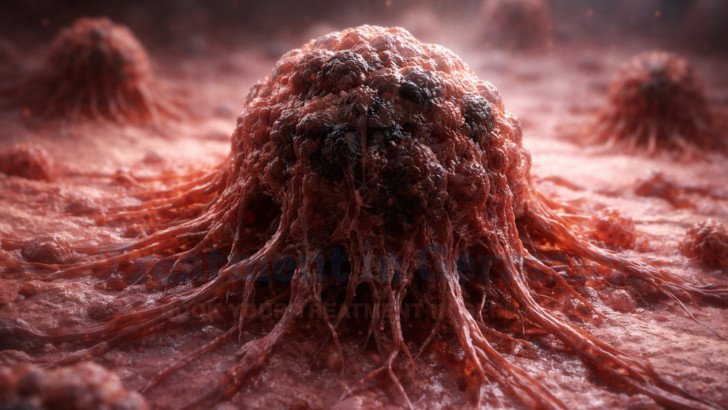
Learn about the survival rate for stage 4 melanoma with immunotherapy, and advanced treatment options for international patients with complete logistical support through Treatment in Germany (TIG).
What Is the Survival Rate for Stage 4 Melanoma with Immunotherapy?
Stage 4 melanoma is diagnosed when melanoma cells have spread beyond the original skin lesion to distant organs such as the lungs, liver, brain, or bones. At this stage, the disease is systemic and requires comprehensive medical management rather than localized surgery alone. Many patients specifically search for reliable information about the survival rate for stage 4 melanoma with immunotherapy, as immune-based treatments have significantly changed the therapeutic landscape in recent years. Survival outcomes depend on tumor biology, mutation status, number of metastatic sites, and overall health condition. While statistics provide general guidance, individual prognosis is always determined through detailed medical evaluation.
Germany has become an important destination for patients seeking new and innovative treatment options for stage 4 melanoma, especially in complex metastatic cases. Treatment strategies are developed within specialized German healthcare centers and multidisciplinary German oncology centers, where tumor boards carefully review pathology, molecular testing, and imaging results. Advanced immune-based therapies, including dendritic cell approaches, are associated with Prof. Gansauge, known for his focused expertise in cellular immunotherapy. Many international patients consult experienced German specialists supported by latest medical technology, ensuring precise staging and coordinated care under the supervision of the treating physician.
Understanding Stage 4 Melanoma and Survival Expectations

Stage 4 melanoma, also referred to as metastatic melanoma, occurs when malignant cells spread through the bloodstream or lymphatic system to distant organs. The extent of organ involvement, particularly brain or liver metastases, influences survival outcomes. Historically, advanced melanoma carried a limited prognosis, but the introduction of immunotherapy has improved long-term survival in selected patients.
Long-term clinical studies have shown that modern immunotherapy has significantly improved overall survival in selected patients with metastatic melanoma compared to historical treatments. While outcomes vary depending on tumor biology, mutation status, metastatic burden, and individual immune response, durable long-term disease control is now possible in a subset of patients. Survival statistics reflect population averages and cannot predict individual outcomes.
Advanced Diagnostics in Germany
Before initiating immunotherapy, comprehensive staging is required. In Germany, advanced diagnostics include biopsy confirmation, molecular mutation testing such as BRAF status, and imaging using CT, MRI, and PET scans to determine metastatic distribution.
These imaging modalities are supported by latest medical technology in Germany, allowing detailed anatomical mapping and therapy planning. Results are discussed within multidisciplinary tumor boards at each German oncology center, ensuring collaborative decision-making. This structured evaluation helps determine whether immune-based strategies are appropriate.
Immunotherapy for Stage 4 Melanoma in Germany

Immunotherapy is designed to stimulate the patient’s own immune system to recognize and attack melanoma cells. Unlike chemotherapy, which directly targets rapidly dividing cells, immunotherapy enhances immune activation and tumor recognition. In advanced melanoma, immune checkpoint inhibitors have demonstrated improved survival compared to historical treatments. These therapies help restore the immune system’s ability to detect cancer cells that previously evaded immune surveillance.
Among immune-based approaches, the dendritic cell vaccine strategy represents a personalized cellular therapy designed to further enhance immune recognition. Dendritic cells play a central role in presenting tumor-associated antigens to T-cells, initiating a targeted immune response. By strengthening this process, dendritic cell therapy aims to support systemic immune surveillance in advanced melanoma.
The therapy begins with the collection of immune cells (monocytes) from the patient’s blood under medical supervision. These cells are isolated carefully to preserve viability and biological function. The collection process is conducted in a controlled clinical setting, ensuring patient safety and stable cell yield before laboratory processing.
Collected cells are transferred to an EU GMP certified laboratory, where they are cultured under strictly regulated conditions. Within this environment, the monocytes are exposed to melanoma-specific tumor antigens. This controlled exposure promotes their maturation into active dendritic cells capable of presenting cancer markers to T-cells. Comprehensive sterility, purity, and viability testing is performed before the therapy is approved for administration.
Once prepared, the cells are reintroduced into the patient as a personalized dendritic cell vaccine. This therapy is integrated alongside systemic immunotherapy or targeted therapy when appropriate. Continuous monitoring by the treating physician evaluates immune response, tolerance, and clinical stability. Dendritic cell therapy remains investigational and is considered in highly selected patients within regulated clinical programs. The cost of Dendritic Cell Therapy in Germany is €27,000, covering immune cell collection, laboratory processing, preparation, and administration.
Combining Innovative Treatment Options in Germany
Management of advanced melanoma often requires a multimodal strategy. Immune checkpoint inhibitors may serve as the foundation of therapy, while targeted treatments are considered for mutation-positive tumors. Cellular therapies such as dendritic cell approaches represent innovative treatment options that may complement established immunotherapies.
Within each German oncology center, treatment response is reassessed regularly using imaging and clinical evaluation. Adaptive treatment planning ensures adjustments based on tumor behavior and immune response. Access to latest treatment options for stage 4 melanoma reflects the structured research environment and integration of clinical innovation within regulated healthcare systems.
New Clinical Trials for Stage 4 Melanoma in Germany
Patients with progressive or treatment-resistant disease may be evaluated for new clinical trials for Stage 4 Melanoma in Germany. These trials investigate next-generation immunotherapies, cellular treatments, and combination strategies under strict ethical oversight.
Clinical research standards align with international frameworks referenced by the Australian Cancer Society, emphasizing patient safety and scientific transparency. Eligibility is determined through formal evaluation within accredited German oncology centers. Participation provides access to emerging therapeutic strategies within a controlled research setting.
Limitations and Considerations
Not all patients are candidates for advanced immune-based therapies. Eligibility depends on immune competence, organ function, metastatic burden, and overall clinical stability. In certain situations, alternative systemic therapy or supportive care may remain the primary approach.
Continuous monitoring through CT, MRI, and PET scans is essential to evaluate response and detect progression. Management focuses on long-term disease control, symptom stabilization, and preservation of quality of life rather than guaranteed cure. Decisions are made collaboratively between the patient and the treating physician within specialized centers.

International Patient Support
For international patients, planning Stage 4 Melanoma treatment abroad can involve multiple challenges, including medical report review, hospital coordination, scheduling, travel planning, lodging, and documentation. These steps can be difficult for families already under stress. That is why structured support becomes essential. TIG (Treatment in Germany) at www.treatmentingermany.de ensures seamless coordination and manages complete logistical arrangements for international patients, including travel, lodging, and medical visa for international patients (if required). This support helps patients focus on treatment rather than administrative challenges.
Patients may also get a free consultation with TIG (Treatment in Germany) to receive individualized guidance and coordinated access to specialized oncology centers.
🌍Why Patients Worldwide Prefer Our Medical Services in Germany – Key Benefits Explained:








.webp)
 (1).webp)
.webp)
.jpg)
 (1).webp)
.jpg)