

Stage 4 ovarian cancer treatment options including embolization and dendritic cell therapy in Germany for international patients with complete logistical support through TIG.
Treatment options for Stage 4 Ovarian Cancer 2026
Stage 4 ovarian cancer is diagnosed when cancer that begins in the ovaries spreads beyond the pelvic region to distant organs such as the liver, lungs, or abdominal lining. At this stage the disease is considered advanced and usually requires comprehensive treatment planning rather than localized therapy alone. Many patients search for information about ovarian cancer treatment options once metastasis is confirmed because therapy must address both the primary tumor and secondary tumor sites. Modern oncology focuses on slowing tumor progression, controlling symptoms, and maintaining quality of life through coordinated treatment strategies.
Germany has become an important destination for patients seeking new and innovative treatment options for advanced ovarian cancer. Treatment planning is conducted within specialized German healthcare centers and German oncology centers where each case is reviewed by oncology specialists. Interventional oncology procedures are associated with Prof. Vogl, known for advanced image-guided cancer treatments, while immune-based therapies are linked to Prof. Gansauge, recognized for his expertise in cellular immunotherapy. Many international patients consult experienced German specialists because of access to the latest medical technology, structured treatment pathways, and affordable treatment in Germany for international patients.
Understanding stage 4 Ovarian Cancer 2026
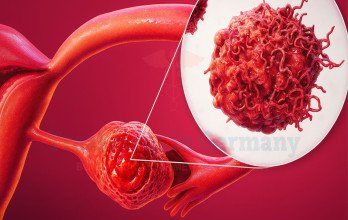
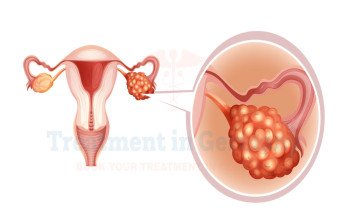
Ovarian cancer develops when abnormal cells form in the tissues of the ovaries and begin to multiply uncontrollably. In early stages the tumor may remain limited to the ovaries, but in advanced disease cancer cells can spread to the abdominal cavity or distant organs through the bloodstream or lymphatic system. When the disease reaches stage 4, metastasis is present outside the abdominal region, which makes treatment more complex.
Because the biological behavior of ovarian cancer varies significantly between patients, therapy must be tailored according to tumor characteristics and overall health. Physicians evaluate the extent of metastasis, tumor markers, and imaging findings before selecting appropriate ovarian cancer treatment options in Germany.
Early Symptoms and Warning Signs of stage 4 Ovarian Cancer

Recognizing early signs of ovarian cancer can support earlier diagnosis, although symptoms are often vague in the beginning. Many patients experience abdominal bloating, pelvic discomfort, or changes in appetite before diagnosis. Persistent digestive disturbances or frequent urination may also occur.
As the disease progresses, additional ovarian cancer symptoms may appear. These can include unexplained weight loss, fatigue, abdominal swelling caused by fluid accumulation, or persistent pelvic pain. Because these symptoms may overlap with other conditions, thorough medical evaluation is required when symptoms persist.
Risk Factors Associated with Ovarian Cancer
Several factors may influence the likelihood of developing ovarian cancer. Understanding ovarian cancer risk factors helps physicians identify individuals who may benefit from closer monitoring. Age, genetic mutations such as BRCA1 or BRCA2, and family history of ovarian or breast cancer may increase risk.
Other contributing factors may include hormonal influences, reproductive history, or certain inherited cancer syndromes. Although these factors can increase risk, many patients develop ovarian cancer without a clear genetic predisposition. Regular medical evaluations remain important for early detection.
Diagnostic Evaluation and Staging
Accurate staging is essential before initiating treatment. Physicians begin with a physical examination and laboratory tests, including tumor marker evaluation. Imaging studies such as CT, MRI, and PET scans are then used to determine tumor size and detect metastasis.
In Germany, diagnostic evaluation is supported by the latest medical technology in Germany, allowing physicians to obtain precise imaging and detailed tumor mapping. These findings are reviewed by multidisciplinary teams within German oncology centers to determine the most appropriate treatment strategy for each patient.
Targeted Embolization Treatment for Stage 4 Ovarian Cancer in Germany

Targeted embolization Treatment for Stage 4 Ovarian Cancer is an interventional oncology approach evaluated when metastatic lesions require localized control. In advanced ovarian cancer, tumors may spread to nearby organs including the liver or abdominal tissues, and localized therapy may help control dominant tumor sites. This procedure works by delivering embolic agents directly into the blood vessels supplying the tumor, blocking the blood flow and limiting tumor growth.
The procedure is performed in a specialized interventional radiology suite under continuous imaging guidance. A catheter is inserted through an artery in the groin and carefully guided toward the blood vessels supplying the metastatic lesion. Once the catheter reaches the targeted location, embolic materials are delivered to block the blood supply to the tumor tissue.
Following targeted embolization, patients undergo structured monitoring to evaluate treatment response. Imaging reassessment using CT, MRI, and PET scans helps determine whether additional treatment sessions are required. This therapy may be combined with systemic treatment depending on tumor characteristics. The cost of Targeted Embolization Treatment in Germany typically ranges between €8,000 and €9,000 per session depending on procedural planning.
Dendritic Cell Therapy for Stage 4 Ovarian Cancer in Germany

Dendritic cell therapy represents an immune-based treatment designed to enhance the body’s ability to recognize and attack cancer cells. This approach is considered among latest immunotherapy treatment options used for advanced malignancies. Dendritic cells play an essential role in activating T-cells that target tumor antigens, making them an important component of immunotherapy for solid tumors.
The therapy begins with the collection of immune cells (monocytes) from the patient’s blood under medical supervision. These cells are carefully isolated to preserve viability before laboratory processing. The collection process is conducted in a controlled clinical environment to ensure patient safety and stable cell yield.
The collected cells are transferred to an EU GMP certified laboratory, where they are cultured under strictly regulated conditions. During this process the monocytes are exposed to tumor-associated antigens derived from ovarian cancer cells. This exposure stimulates their development into active dendritic cells capable of presenting cancer markers to the immune system.
Once prepared, the cells are administered back to the patient as a personalized dendritic cell vaccine. The treatment may be integrated with systemic therapy depending on the recommendation of the treating physician. Continuous monitoring helps evaluate immune response and tolerance. Dendritic cell therapy remains investigational and is considered in highly selected patients within regulated clinical programs. The cost of Dendritic Cell Therapy in Germany is €27,000 covering immune cell collection, laboratory processing, and administration.
Combining Different Treatment Strategies in stage 4 Ovarian Cancer
Managing stage 4 ovarian cancer often requires a combination of therapies rather than a single treatment approach. Systemic chemotherapy may help control cancer cells throughout the body, while interventional procedures such as embolization may target dominant metastatic lesions. Immune-based therapies are increasingly evaluated as complementary strategies alongside conventional treatment.
Within German healthcare centers, multidisciplinary teams collaborate to determine the most appropriate therapy combinations. This coordinated approach allows physicians to tailor treatment plans according to disease characteristics and patient health.
Clinical Research and Ongoing Clinical trials for Ovarian Cancer
Patients with advanced ovarian cancer may be evaluated for new clinical trials for Advanced Ovarian Cancer. These trials investigate emerging therapies including next-generation immunotherapies and targeted treatments designed to improve disease control.
Clinical research programs follow international standards referenced by the American Cancer Society, ensuring patient safety and ethical oversight. Eligibility for clinical trials requires detailed medical evaluation within accredited oncology institutions.

Limitations and Considerations
Not all patients are suitable candidates for interventional or immune-based therapies. Eligibility depends on organ function, immune competence, tumor distribution, and overall health stability. In certain situations systemic chemotherapy or supportive care may remain the primary treatment approach.
Continuous monitoring using CT, MRI, and PET scans remains essential to evaluate treatment response by the treating physician and detect disease progression. Management focuses on disease stabilization, symptom control, and preservation of quality of life rather than guaranteed cure.
International Patient Support through Treatment in Germany
Access to advanced management for ovarian cancer involves more than clinical decision-making; it requires careful logistical coordination, especially for international patients seeking specialized therapies such as Immunotherapy Dendritic cell therapy and Targeted Embolization. Through Treatment in Germany (TIG), medical documentation is reviewed in advance to facilitate appropriate specialist referral and structured treatment planning within experienced oncology centers. This pre-evaluation by the treating physician helps align the patient’s clinical condition with available therapeutic options before travel arrangements are finalized.
Treatment in Germany (TIG) at www.treatmentingermany.de provides comprehensive logistical assistance, including hospital coordination, appointment scheduling, travel planning, and medical visa support when required. By organizing these administrative components in advance, patients can focus on clinical evaluation and multidisciplinary consultation upon arrival. Individuals considering advanced and Innovative treatment approaches may get a free consultation with TIG (Treatment in Germany) to receive structured guidance and coordinated access to specialized cancer programs in Germany.
🌍Why Patients Worldwide Prefer Our Medical Services in Germany – Key Benefits Explained:























.webp)
 (1).webp)

.webp)


.jpg)

 (1).webp)

.jpg)