

Learn how dendritic cell vaccines support ovarian cancer treatment in Germany, offering personalized immunotherapy under expert supervision with advanced diagnostics.
Ovarian Cancer Treatment with Dendritic Cell Vaccines
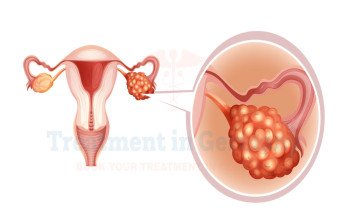
Ovarian cancer is often diagnosed in later stages because symptoms inthe beginning can be vague and difficult to recognize. As patients explore treatment options, many look for therapies that work not only against the tumour but also support long-term immune activity. This is why Immunotherapy Dendritic cell therapy in Germany has become an important option for women seeking new treatment options for ovarian cancer in Germany. Many International patients choose Germany because of its advanced laboratories, highly trained immunotherapy specialists, and strong reputation for precision-based cancer treatment.
Germany follows structured diagnostic pathways, combining modern imaging tools such as CT scans, MRI, and PET scans with detailed clinical evaluation. Patients receive guidance from highly experienced specialists and access to new clinical trials for ovarian cancer, making Germany a preferred destination for immune-based therapy and accurate medical care. With attention to safety, scientific detail, and patient-centered planning, German healthcare centers continue to be among the most trusted for ovarian cancer treatment.
Understanding How Dendritic Cell Vaccines Treat Ovarian Cancer
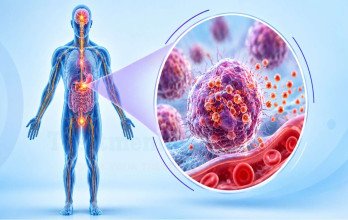
The immune system plays a central role in recognizing abnormal cells. However, ovarian cancer cells often evade immune detection by hiding their tumour markers. Dendritic cell vaccines strengthen the immune system's ability to detect and attack ovarian cancer cells. The therapy works by collecting a patient’s blood, isolating monocytes, developing them into dendritic cells in an EU-GMP laboratory, and exposing them to ovarian cancer antigens. When reinjected, these dendritic cells activate T-cells, helping the immune system identify tumour cells more effectively.
This personalized approach makes the therapy especially meaningful for patients looking for additional options beyond surgery or systemic treatments. It does not replace other treatments but supports the body’s immune defenses, offering an additional layer of protection. Many choose Germany because specialists follow scientific standards recognized by organizations such as the Australian cancer society, ensuring detailed evaluation and safe laboratory procedures.
Why International Patients Choose Germany for Dendritic Cell Treatment in Ovarian Cancer
Patients from around the world travel to Germany because its medical infrastructure supports individualized care and strong scientific supervision. German specialists provide clear explanations, professional guidance, and transparency throughout the treatment process. Families appreciate:
• Patient-specific immune therapy options
• Accurate staging through cancer detection tests
• Access to advanced diagnostics and German healthcare centers
• Expertise of the best oncologist in Germany for immunotherapy
• Scientifically supported Innovative treatment options
• Opportunities for new clinical trials for cancer
• Assistance with travel and treatment planning
Many international families also receive complete logistical help through the support of TIG (Treatment in Germany at www.treatmentingermany.de), including arranging appointments and acquiring a medical visa for International patients (if required).
Symptoms of Ovarian Cancer and the Importance of Early Diagnosis
Ovarian cancer symptoms often appear late and may include abdominal bloating, pelvic discomfort, appetite changes, fatigue, or abnormal bleeding. Because these signs resemble common gynecological conditions, women may delay seeking medical attention. Early diagnosis is essential because recognizing symptoms early can expand treatment options and improve planning.
German specialists emphasize timely evaluation because early diagnosis opens the possibility for personalized immune-based treatments, including Immunotherapy Dendritic cell therapy, especially for patients who want to support their immune system alongside conventional care.
How Ovarian Cancer Is Diagnosed in Germany
Diagnosis of ovarian cancer in Germany includes laboratory blood work, pelvic examinations, tumour marker testing, ultrasound, and advanced imaging studies. Germany uses high-precision screening tools such as CT scans, MRI, and PET scans to evaluate tumour spread, identify lymph-node involvement, and determine metastatic activity.
These diagnostic methods follow international oncology standards similar to those recommended by the American cancer society. Once the cancer stage is determined, specialists outline appropriate treatment options, including whether innovative treatment such as dendritic cell vaccines may support the patient’s therapy plan.
Dendritic Cell Therapy Process in Germany
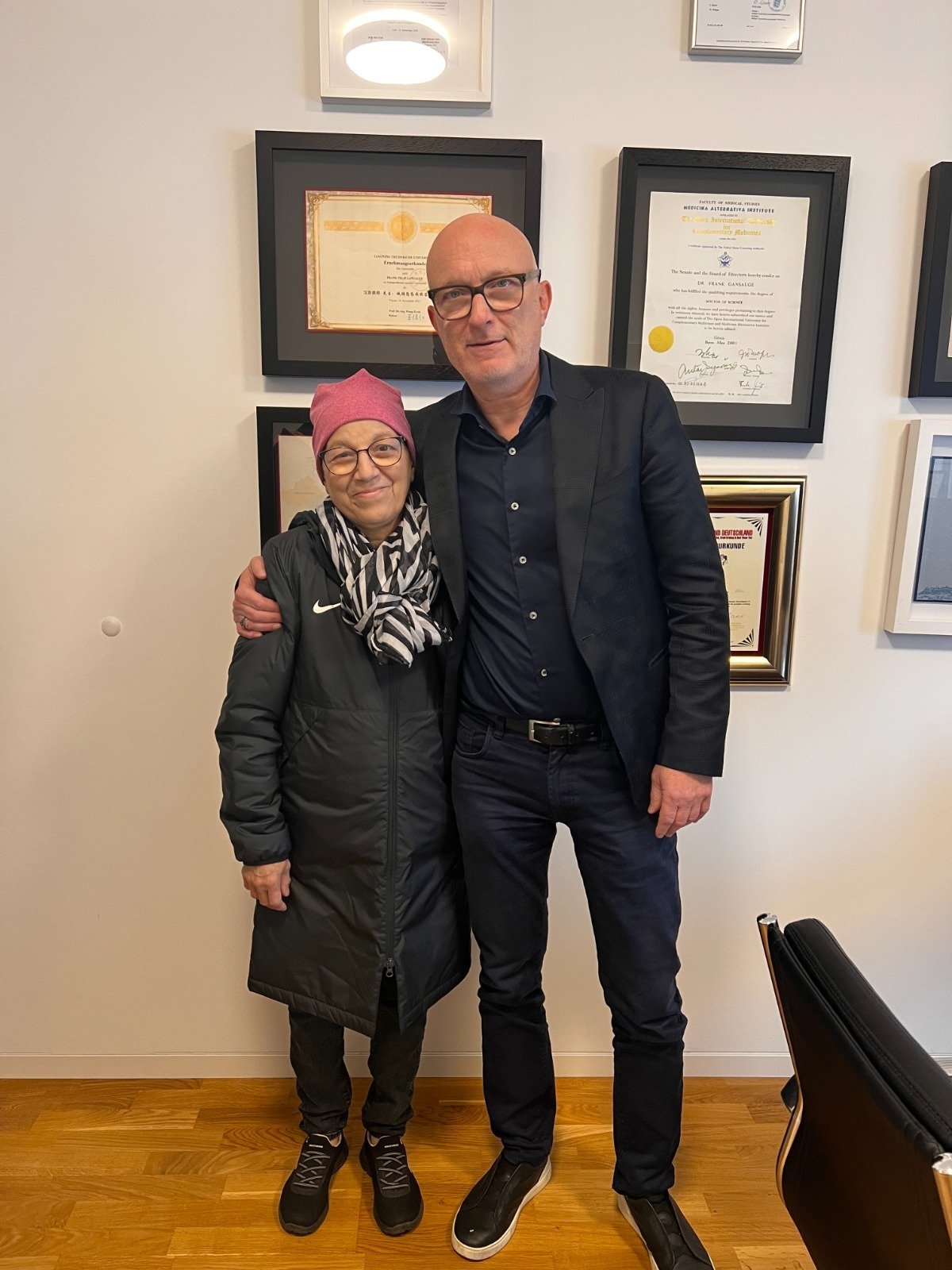
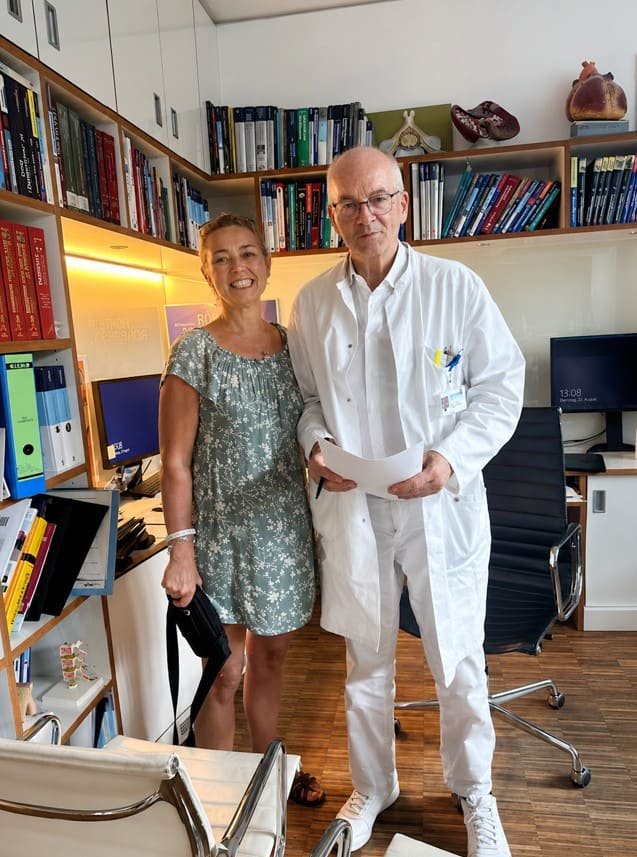
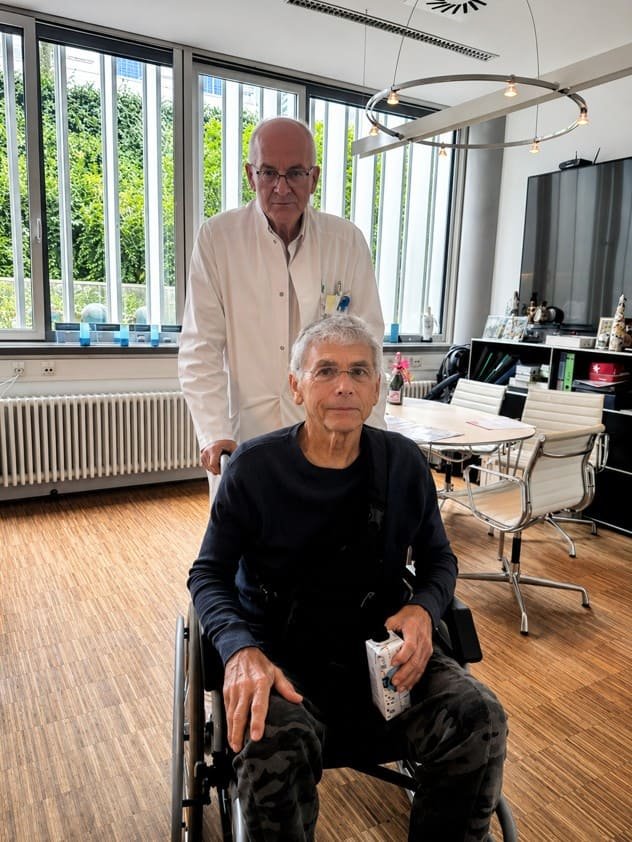
The Immunotherapy Dendritic cell therapy process in Germany is designed for safety, accuracy, and personalized treatment. Patients receive treatment under the supervision Prof. Gansauge in Berg, Germany, who has extensive experience in immunotherapy and cellular vaccine development.
Initial Consultation and Planning
Specialists review medical history, imaging, and treatment expectations to confirm eligibility for ovarian cancer dendritic cell vaccination.
Blood Sample Collection
A small blood sample is taken to isolate monocytes, the precursor cells needed for generating dendritic cells.
Cell Processing and Antigen Training
The monocytes are processed in an EU-GMP laboratory and trained with ovarian cancer antigens.
Quality and Safety Assurance
The dendritic cell vaccine undergoes strict quality testing to ensure it meets safety and purity standards.
Vaccine Administration
The dendritic cell vaccine is injected to activate the immune system and support targeted cancer recognition.
Follow-Up Monitoring
Patients receive CT, MRI, or PET scans to evaluate immune response and tumour behaviour following vaccination.
This highly structured process allows patients to resume normal activities quickly, making Germany an appealing choice for international cancer treatment.
Cost and Specialist Supervision for Ovarian Cancer Dendritic Cell Vaccination in Germany
Dendritic cell vaccines for ovarian cancer are administered under the expertise of Prof. Gansauge in Berg, who specializes in immune-based oncology. Patients appreciate his careful evaluation, personalized planning, and detailed follow-up.
The cost of dendritic cell therapy in Germany is €24,000, which includes laboratory preparation, antigen exposure, vaccine creation, and injection. Germany maintains transparent pricing so international families can plan their treatment journey comfortably.
Why Dendritic Cell Vaccination Is Considered an Innovative Option for Ovarian Cancer
Ovarian cancer can be difficult to treat when diagnosed late, and many patients seek additional therapies to improve immune strength and overall stability. The dendritic cell vaccine supports immune recognition, which can help slow tumour growth and improve long-term monitoring. Because every patient responds differently, specialists assess suitability individually, ensuring safe and realistic expectations.
Germany continues to advance research in immunotherapy and provides access to new clinical trials for cancer, offering added hope to patients seeking expanded treatment options.
🌍Why Patients Worldwide Prefer Our Medical Services in Germany – Key Benefits Explained:


Frequently Asked Questions
What is a dendritic cell vaccine for ovarian cancer?
It is a personalized immunotherapy that trains the immune system to recognize ovarian cancer cells.
Is this treatment suitable for stage IV ovarian cancer in Germany?
Yes, it is especially effective for patients with metastatic or recurrent disease.
How is ovarian cancer diagnosed before considering this therapy?
Diagnosis includes CT scans, MRI, PET scans, and tumour marker testing.
Is dendritic cell therapy considered an innovative cancer treatment?
Yes, it is widely recognized as an Innovative treatment option.
Is the vaccine safe for patients with advanced ovarian cancer?
Yes, it is considered safe when clinically appropriate.
Are there side effects from dendritic cell therapy?
Most patients experience only mild fatigue, low-grade fever, or injection site tenderness.
Are clinical trials available for ovarian cancer in Germany?
Yes, patients may access new clinical trials for ovarian cancer.
Can dendritic cell therapy be used with other treatments?
Yes, specialists may integrate it with additional therapies when needed.
Is dendritic cell therapy FDA-approved for ovarian cancer in Germany?
No, dendritic cell immunotherapy in Germany is not FDA-approved in the USA but adheres to strict EU-GMP standards, ensuring safety and quality for international patients.
What role does the American Cancer Society play in ovarian cancer research?
The American Cancer Society supports global research, including advances in immunotherapy and clinical trials.
Why do patients prefer Germany for advanced ovarian cancer treatment?
Germany offers access to cutting-edge therapies, best oncologists in Germany, and full international patient services.
How can international patients access treatment in Germany?
TIG (Treatment in Germany) provides seamless coordination and complete logistic arrangements for patients, including travel, lodging, and medical visa for international patients( if needed) at www.treatmentingermany.de .















.webp)
 (1).webp)
.webp)
.jpg)

 (1).webp)
.jpg)