

Learn about advanced ovarian cancer treatment in Germany, including targeted embolization and immunotherapy dendritic cell therapy with full support through TIG.
What Is Ovarian Cancer?
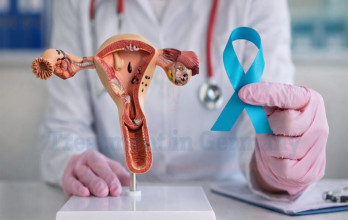
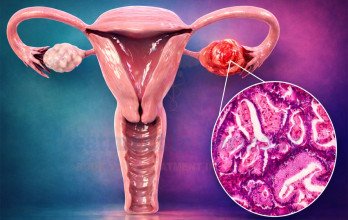
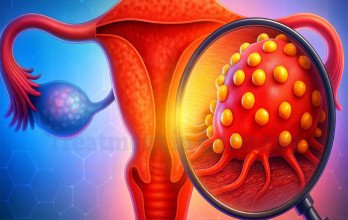
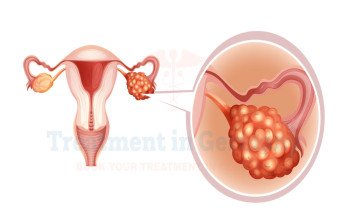
Ovarian cancer is a malignant disease that develops from the epithelial, stromal, or germ cell components of the ovary. Epithelial ovarian carcinoma accounts for approximately 90 percent of ovarian malignancies and represents the most clinically significant subtype worldwide [1]. According to GLOBOCAN 2020, ovarian cancer caused 313,959 new cases and 207,252 deaths globally, highlighting its major impact on women’s health [2]. Because early symptoms are often vague, diagnosis frequently occurs at advanced stages.
Ovarian cancer is staged from Stage I to Stage IV based on tumor spread. Data from the United States Surveillance, Epidemiology, and End Results program reported a 49.7 percent five year relative survival rate between 2013 and 2019, with significantly better outcomes in localized disease compared to distant metastatic stages [3]. Prognosis depends on tumor stage, residual disease after surgery, molecular profile, and response to systemic treatment.
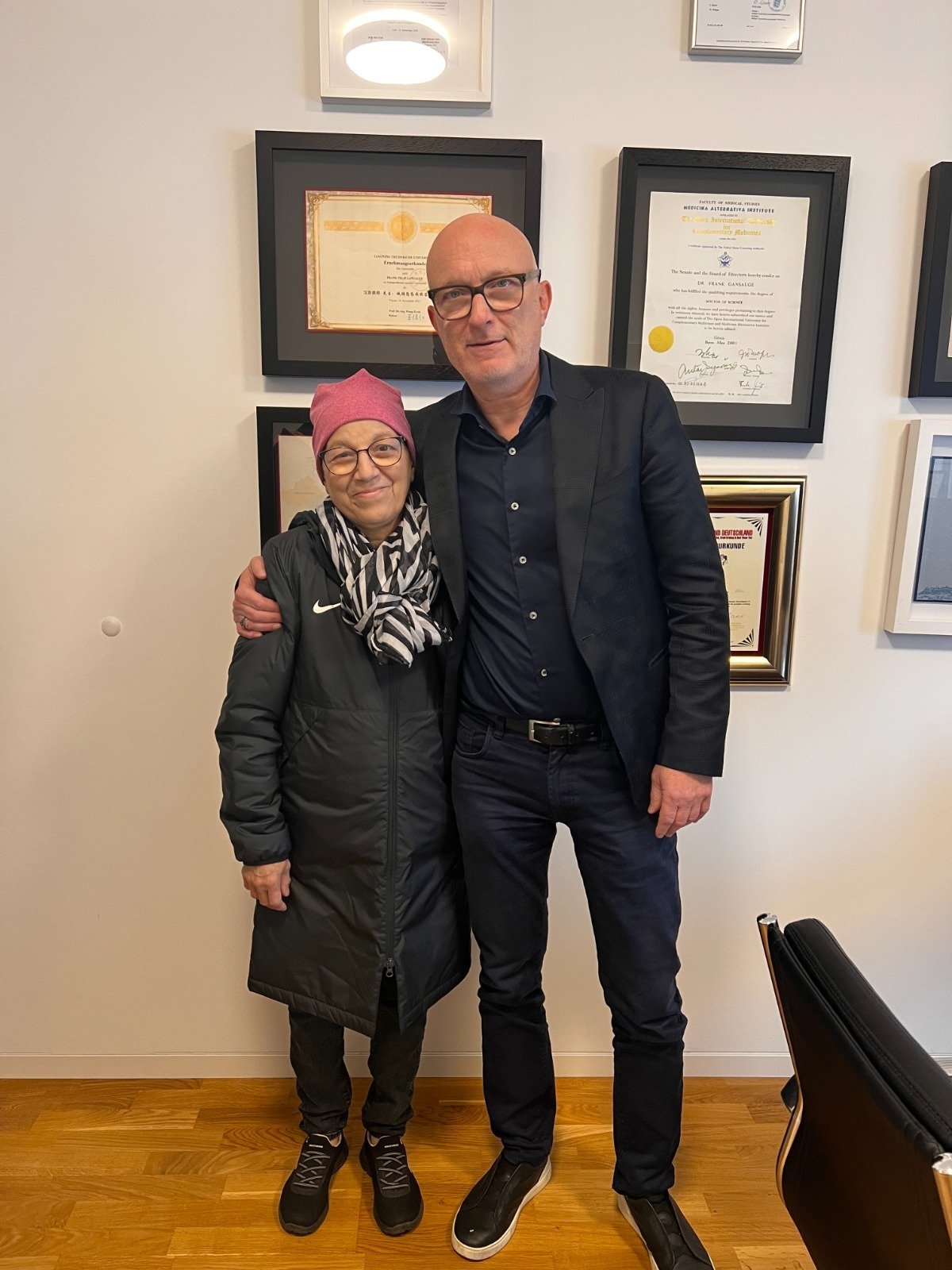
Within structured Treatment in Germany, ovarian cancer management is delivered in certified German oncology centers operating under strict regulatory standards. Advanced interventional oncology programs are performed by Prof. Vogl, internationally recognized for tumor directed vascular procedures including Targeted Embolization Treatment. Cellular immunotherapy programs are supervised by Prof. Gansauge, known for his focused expertise in advanced cell based cancer immunotherapy. These services are integrated within regulated German healthcare centers, ensuring multidisciplinary evaluation and evidence based care.
How Ovarian Cancer Develops

High grade serous carcinoma is the most common subtype and is characterized by frequent TP53 mutations [4]. Approximately 15 to 20 percent of patients carry germline BRCA1 or BRCA2 mutations, while additional cases demonstrate somatic alterations or homologous recombination deficiency [5]. These molecular characteristics influence therapeutic decisions, particularly regarding PARP inhibitor therapy.
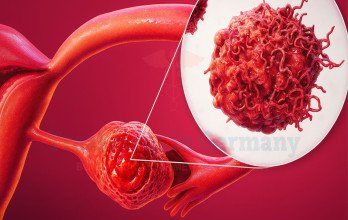
Ovarian cancer commonly spreads through the peritoneal cavity. Tumor cells detach from the ovary and implant on the omentum, diaphragm, and peritoneal surfaces. Angiogenesis plays a central role in tumor growth, driven by vascular endothelial growth factor signaling pathways, which form the biological rationale for anti angiogenic therapy [6].
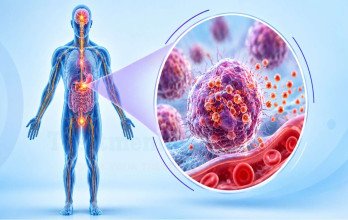
The tumor microenvironment also demonstrates immune suppression. Increased regulatory T cell activity and immune checkpoint molecule expression contribute to immune escape [7]. These mechanisms provide the scientific basis for immunotherapy approaches available in specialized German oncology centers.
Standard Ovarian Cancer Treatment in Germany
The primary standard treatment consists of cytoreductive surgery followed by platinum based chemotherapy. Complete macroscopic tumor resection has been associated with improved overall survival in advanced ovarian cancer [8]. Surgical procedures are performed in high volume gynecologic oncology units within certified German healthcare centers, following structured perioperative protocols.
Systemic chemotherapy typically combines carboplatin and paclitaxel administered over six cycles [9]. In selected patients, bevacizumab may be added and continued as maintenance therapy based on progression free survival benefit demonstrated in randomized trials [6]. For patients with BRCA mutations, maintenance therapy with olaparib significantly prolonged progression free survival in the SOLO1 trial [10].
All treatment strategies within Treatment in Germany are reviewed in interdisciplinary tumor boards to ensure individualized, guideline compliant care.
Targeted Embolization Treatment for Ovarian Cancer

Targeted Embolization Treatment for ovarian cancer is an interventional oncology approach evaluated in selected patients when metastatic disease involves specific organs and localized tumor control is required. Within Treatment in Germany, eligibility is determined through multidisciplinary assessment in certified German oncology centers.
The process begins with comprehensive imaging as part of the diagnosis of ovarian cancer in Germany, including contrast-enhanced CT or MRI to evaluate tumor size, location, and vascular characteristics. Laboratory testing assesses coagulation status, liver function, kidney function, and hematologic parameters to ensure procedural safety.
During treatment, performed in an angiography suite equipped with the latest medical technology in Germany, a catheter is guided through a small vascular access point under real-time imaging control. The catheter is positioned precisely near vessels supplying the tumor. Therapeutic agents are delivered directly to the tumor area, followed by embolic materials that reduce blood flow to cancer tissue. This approach helps restrict nutrient supply while concentrating therapy at the tumor site.
Patients are monitored during and after the procedure. Follow-up imaging evaluates response and guides further oncologic planning within regulated German healthcare centers. The cost of Targeted Embolization Treatment in Germany is €8,000–€9,000 per session, depending on procedural complexity and treatment planning.
Immunotherapy for Ovarian Cancer in Germany
Immunotherapy aims to enhance the immune system’s ability to recognize and eliminate malignant cells. Immune checkpoint inhibitors targeting PD 1 or PD L1 have been evaluated in recurrent ovarian cancer. In the KEYNOTE 100 study, pembrolizumab demonstrated an objective response rate of 8.0 percent in previously treated patients [11]. These therapies are typically considered in selected cases or clinical trial settings within specialized German oncology centers.
In addition to checkpoint inhibition, personalized cellular immunotherapy represents an advanced therapeutic approach available within regulated programs in Germany.
Dendritic Cell Therapy in Germany: How It Works

Treatment begins after confirmed histopathological diagnosis of ovarian carcinoma and comprehensive clinical evaluation. A multidisciplinary assessment determines whether dendritic cell immunotherapy is appropriate within the overall oncology strategy. Prior treatments, disease burden, and immune status are carefully reviewed within certified German healthcare centers.
Once eligibility is confirmed, a controlled blood sample is collected to obtain specialized immune cells (Monocytes). This collection is performed under monitored clinical conditions to ensure patient safety. The sample is transferred to an EU GMP certified laboratory where strict European regulatory standards govern sterility testing, traceability, and quality assurance.
Within the laboratory, monocytes are isolated and cultured under controlled environmental conditions. Through validated cytokine stimulation protocols, these cells differentiate into dendritic cells. During maturation, the cells are exposed to tumor associated antigens relevant to ovarian carcinoma, enabling them to recognize and present cancer specific markers to T lymphocytes.
Before administration, the cellular product undergoes comprehensive quality control testing, including sterility, viability, and functional validation. The matured dendritic cells are then administered back to the patient, typically via intradermal injection, stimulating a targeted adaptive immune response.
The cost of Immunotherapy Dendritic Cell Therapy in Germany is €26,000, reflecting controlled immune cell collection, EU GMP laboratory processing, individualized vaccine preparation, and supervised clinical administration.
New Clinical Trial for Ovarian Cancer in Germany
Clinical research continues to explore immune-based therapies and advanced interventional approaches in ovarian cancer. Participation in a new clinical trial for ovarian cancer in Germany may provide eligible patients access to investigational strategies conducted under regulated ethical standards. Clinical trials are performed within specialized institutions and require careful eligibility assessment based on disease stage, prior therapies, and overall health condition.
Benefits and Considerations in Germany

Advanced approaches such as Targeted embolization Treatment may provide localized tumor control while limiting additional systemic toxicity. Image-guided precision allows selective targeting of tumor vasculature, which may be beneficial in patients with liver-dominant metastatic disease.
Immunotherapy Dendritic cell therapy offers a personalized immune activation strategy that may enhance tumor-specific immune responses. Early clinical data indicate favorable tolerability and measurable immunologic activity. However, suitability depends on disease stage, tumor biology, and overall health status. Multidisciplinary evaluation ensures appropriate integration into comprehensive care.
Why Choose Germany for Ovarian Cancer Treatment?
Germany offers multidisciplinary oncology programs operating under stringent regulatory oversight. Certified German healthcare centers maintain advanced surgical infrastructure, interventional radiology units, and EU GMP compliant laboratories.
Patients benefit from access to the latest medical technology in Germany and to new and innovative treatment options in Germany delivered within structured clinical programs. International patients frequently seek consultation with the best oncologist in Germany for comprehensive evaluation and advanced treatment planning.
International Patient Support – Treatment in Germany (TIG)
Treatment in Germany also refers to TIG, a coordination service supporting international patients seeking treatment in leading German oncology centers. TIG assists with complete logistical support including, hospital coordination, appointment scheduling, travel planning, medical visa assistance when required, and professional translation of medical documentation.
Ongoing communication support ensures clarity throughout diagnosis and treatment planning. Patients may request to get a free consultation with TIG (Treatment in Germany) via www.treatmentingermany.de.
References
1-Torre LA et al. Ovarian Cancer Statistics. CA: A Cancer Journal for Clinicians. Open Access
2-Sung H et al. Global Cancer Statistics 2020. CA: A Cancer Journal for Clinicians. Open Access
3-SEER Cancer Statistics Review 2013–2019. National Cancer Institute. Public Registry
4-Cancer Genome Atlas Research Network. Integrated Genomic Analyses of Ovarian Carcinoma. Nature. PMC Free Article
5-Norquist BM et al. Inherited Mutations in Ovarian Cancer. JAMA Oncology. PMC Free Article
6-Burger RA et al. Incorporation of Bevacizumab in Ovarian Cancer. New England Journal of Medicine. Open Access
7-Kandalaft LE et al. Immunotherapy in Ovarian Cancer. Journal of Clinical Oncology. PMC Free Article
8-Bristow RE et al. Impact of Cytoreductive Surgery in Advanced Ovarian Cancer. Journal of Clinical Oncology. Open Access
9-McGu13ire WP et al. Cyclophosphamide and Cisplatin Compared With Paclitaxel and Cisplatin. New England Journal of Medicine. Open Access
10-Moore K et al. Maintenance Olaparib in Advanced Ovarian Cancer (SOLO1). New England Journal of Medicine. Open Access
11-Matulonis UA et al. Pembrolizumab in Recurrent Ovarian Cancer (KEYNOTE-100). Journal of Clinical Oncology. Open Access
12-Odunsi K et al. Dendritic Cell Vaccine in Ovarian Cancer. Clinical Cancer Research. PMC Free Article
13-ClinicalTrials.gov Registry. Ovarian Cancer Clinical Trials. Public Registry
🌍Why Patients Worldwide Prefer Our Medical Services in Germany – Key Benefits Explained:


















.webp)
 (1).webp)

.webp)


.jpg)

 (1).webp)

.jpg)