
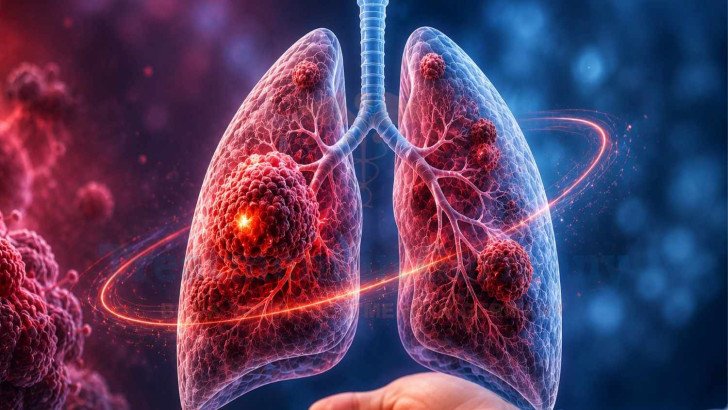
Stage 4 lung cancer treatment in Germany is becoming more personalized through immunotherapy, targeted therapy, and advanced treatment approaches tailored to each patient's condition. This article covers survival rates, molecular testing, TPCE, TACP, dendritic cell therapy, treatment costs, and specialist care available at leading German cancer centers. Contact TIG GmbH for a free medical report review.
Stage 4 Lung Cancer: Germany's Latest Immunotherapy Options
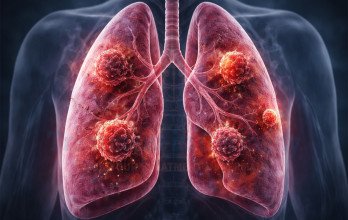
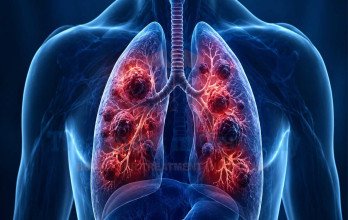
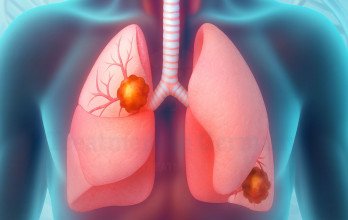
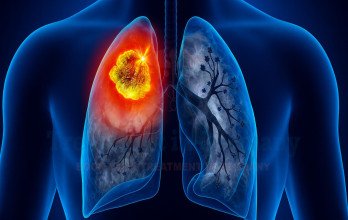
Stage 4 lung cancer is the most advanced stage of the disease, in which cancer has spread beyond the lungs to distant organs. Depending on the stage subgroup, cancer may have spread to the opposite lung, pleura or pericardium, malignant pleural or pericardial effusion, distant lymph nodes or distant organs such as the brain, bones, liver or adrenal gland. Although stage 4 lung cancer continues to carry a serious prognosis, treatment outcomes have improved overall survival and quality of life for appropriately selected patients with advanced lung cancer. Immunotherapy, targeted drugs and interventional procedures have extended survival and improved quality of life for many patients. Germany is internationally recognized for its precision oncology, multidisciplinary care and personalized treatment planning for patients with stage 4 lung cancer.
Modern treatment is highly personalized and guided by molecular profiling, tumor biomarkers and each patient's clinical condition, combining standard therapies with newer options such as transpulmonary chemoembolization (TPCE), transarterial chemoperfusion (TACP) and dendritic cell immunotherapy however, these approaches are not currently considered standard first-line treatment in major international guidelines and clinical evidence remains limited.
Patients exploring advanced lung cancer treatment in Germany face both medical and practical questions. TIG GmbH helps international patients connect with experienced lung cancer specialists inGermany, arranges a review of their imaging and pathology and coordinates the pathway from assessment to follow-up.
What is Stage 4 Lung Cancer?
Stage 4 lung cancer occurs when the disease has spread from the lung to distant sites such as the other lung, brain, bones, liver or adrenal glands. It is further classified as Stage IVA or Stage IVB based on the number and location of metastatic sites according to the TNM classification, based on the pattern and extent of metastatic disease. Stage IVA generally involves limited metastatic spread, whereas Stage IVB indicates more extensive disease with multiple distant metastases. Also called stage 4 lung carcinoma or metastatic lung cancer, it is the most advanced stage. At this stage, surgery alone is rarely curative and treatment focuses on controlling the disease, prolonging survival and maintaining quality of life.

Lung cancer remains the leading cause of cancer-related death worldwide and nearly three-quarters of patients are diagnosed at stage III or IV although this proportion varies by country and healthcare system [10]. Late diagnosis is one of the major reasons metastatic lung cancer remains challenging, though newer treatments have meaningfully improved outcomes for many patients.
How Lung Cancer Becomes Metastatic
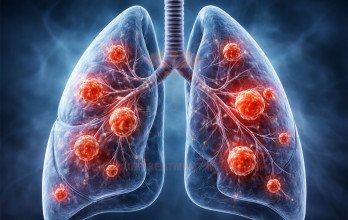
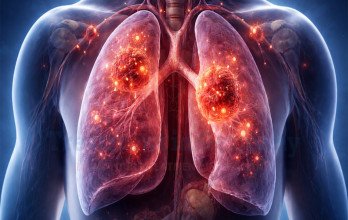
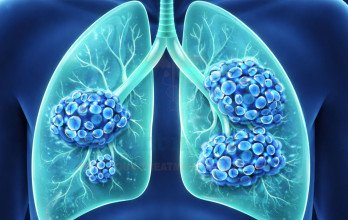
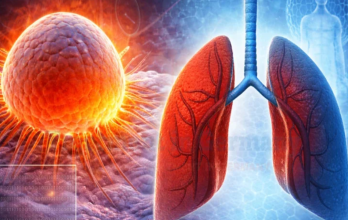
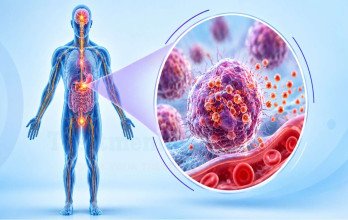
Lung cancer becomes metastatic when malignant cells spread from the primary tumor through the bloodstream or lymphatic system and establish tumors in distant organs.Once metastatic disease is confirmed according to the TNM staging system, lung cancer is classified as stage IV, with the specific stage (IVA or IVB) determined by the pattern and extent of metastatic spread [10]. The most common sites of spread include the brain, bones, liver, adrenal glands and the opposite lung.
The location of spread influences symptoms and treatment. For example, spread to the brain may cause headaches or neurological changes, while spread to the bones can cause pain. Understanding where the cancer has traveled is essential for planning treatment for stage 4 lung cancer.
Symptoms and Diagnosis of Stage 4 Lung Cancer
Symptoms of Stage 4 Lung Cancer
Stage 4 lung cancer symptoms vary depending on the tumor's size and where the disease has spread. Common symptoms of stage 4 or metastatic lung cancer include:
- A persistent cough, sometimes with blood.
- Shortness of breath and chest pain.
- Unexplained weight loss and fatigue.
- Bone pain, when the disease has spread to the skeleton.
- Headaches or neurological changes, when it has spread to the brain.
Because these symptoms can resemble those of less serious conditions, many patients are not diagnosed until the disease has reached an advanced stage. Prompt assessment by a specialist is essential when symptoms persist particularly in individuals at increased risk for lung cancer [10].
Diagnosis and Molecular Testing of stage 4 lung cancer
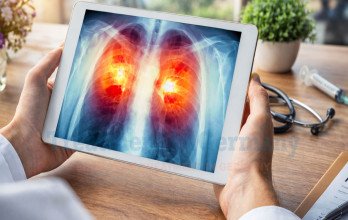
The diagnosis of stage 4 lung cancer combines imaging studies, tissue biopsy and comprehensive molecular testing. Contrast-enhanced CT and PET-CT scans are used to determine the extent of disease and are commonly used for staging, while tissue biopsy or validated cytology establishes the pathological diagnosis. Modern diagnosis then relies heavily on molecular testing, which identifies actionable genetic alterations and PD-L1 expression to guide treatment selection.
Comprehensive molecular profiling is the foundation of personalized treatment for advanced non-small cell lung cancer. It determines whether a patient will benefit from targeted therapy, immunotherapy or chemotherapy, which is why it is done before treatment begins and are recommended before initiating first-line systemic therapy whenever feasible [2]. Accurate staging and testing separate patients into groups with very different treatment options and outlooks.
Types of Stage 4 Lung Cancer
Non-Small Cell Lung Cancer (NSCLC)
Non-small cell lung cancer is by far the most common type, representing about 85% of all lung cancers [10]. Stage 4 non-small cell lung cancer includes subtypes such as adenocarcinoma and squamous cell carcinoma and large cell carcinoma, among other less common histologic subtypes. Metastatic NSCLC has benefited substantially from advances in targeted therapy and immune checkpoint inhibitors because many tumors harbor actionable molecular alterations.
Small Cell Lung Cancer (SCLC)
Small cell lung cancer accounts for about 15% of cases and tends to grow and spread faster than NSCLC [10]. Stage 4 small cell lung cancer is usually treated with chemotherapy combined with immunotherapy, since it is rarely suitable for surgery at this stage. Although small cell lung cancer often responds well to initial treatment, recurrence is common, requiring ongoing monitoring and additional therapy in many patients.

Molecular Biomarkers That Guide Treatment (EGFR, ALK, KRAS, PD-L1)
Molecular biomarkers have transformed lung cancer treatment. Testing for these markers determines which therapy is most likely to work:
- EGFR mutations, which respond to targeted EGFR inhibitors.
- ALK rearrangements, treated with specific ALK inhibitors.
- KRAS mutations, now targetable with newer drugs.
- PD-L1 expression, which predicts response to immunotherapy and is considered together with clinical and molecular factors [4].
Depending on the patient's clinical history and tumor characteristics, additional biomarkers such as ROS1, BRAF, MET exon 14 skipping, RET, NTRK and HER2 may also be evaluated to help identify other targeted treatment options.
Matching treatment to the tumor's molecular profile is a cornerstone of personalized lung cancer treatment in Germany. A patient with an EGFR mutation, for example, may receive targeted therapy, while one with high PD-L1 and no driver mutation may receive immunotherapy [1] [4].
Because molecular testing directly influences treatment selection, international patients should have complete biomarker results reviewed by a thoracic oncology specialist before a treatment plan is finalized.
Stage 4 Lung Cancer Treatment in Germany
Personalized Treatment Planning
Treatment planning in Germany typically begins with a multidisciplinary tumor board, where oncologists, thoracic surgeons, radiologists, pathologists and other specialists review each case together. This ensures the plan reflects the tumor's biology, the extent of spread and the patient's overall health. This collaborative approach forms the foundation of personalized lung cancer treatment in Germany [2].
Standard Treatment Options for Stage 4 Lung Cancer
Evidence-based therapies form the foundation of stage 4 lung cancer treatment and most patients begin here. The main approaches are:
- Platinum-based chemotherapy remains an important treatment option, particularly for patients without actionable driver mutations or in combination with immunotherapy.
- Immunotherapy, which has become central to first-line care for many patients.
- Targeted therapy for tumors with actionable genetic alterations such as EGFR, ALK, ROS1, BRAF, RET, MET exon 14 skipping, HER2 or NTRK alterations [2].
- Radiation therapy, which may be used to relieve symptoms or treat selected metastatic sites such as the brain or bones.
For stage 4 NSCLC treatment in Germany, the combination of chemotherapy and immunotherapy has become a standard first-line option for patients without targetable mutations [1]. The choice among these depends on molecular testing, PD-L1 level and the patient's fitness.
TIG GmbH can assist international patients in coordinating consultations and treatment at experienced German oncology centers offering chemotherapy, immunotherapy and targeted therapy.
Immunotherapy for metastatic Lung Cancer
Immune checkpoint inhibitors have transformed the treatment of advanced non-small cell lung cancer over the past decade. Immunotherapy for stage 4 lung cancer works by helping the immune system recognize and attack cancer cells and it has become a cornerstone of treatment for many patients. These therapies are available at specialized oncology centers throughout Germany, often as part of personalized treatment plans.

How Does Immunotherapy Work?
Some cancer cells evade immune surveillance by activating inhibitory immune checkpoint pathways, particularly PD-1 and PD-L1. Immune checkpoint inhibitors block this escape, releasing the brakes on immune cells so they can attack the tumor. Immune checkpoint inhibitors such as pembrolizumab, nivolumab, atezolizumab and cemiplimab target these pathways and have become standard treatments for selected patients with advanced NSCLC [1].
Who Is Eligible for Immunotherapy in Germany?
Eligibility is determined by PD-L1 expression, molecular test results, tumor histology, previous treatments and the patient's overall health. Patients with high PD-L1 levels often respond best to immunotherapy alone, while others receive it combined with chemotherapy [4]. A specialist assessment confirms who is suitable for stage 4 lung cancer immunotherapy in Germany.
Combination Immunotherapy for Stage 4 Lung Cancer
Combining immunotherapy with chemotherapy has produced some of the most significant survival gains in metastatic lung cancer. In the KEYNOTE-189 trial, adding pembrolizumab to chemotherapy improved five-year survival to 19.4% compared with 11.3% for chemotherapy alone and reduced the risk of death by 40% [1]. This combination is now a standard first-line treatment for many patients with metastatic NSCLC who do not have actionable driver mutations.
For patients considering immunotherapy for stage 4 lung cancer in Germany, TIG GmbH arranges a specialist review to confirm eligibility and explain the expected benefits and risks.
Innovative Lung Cancer Treatments Available in Germany
Beyond standard systemic therapy, German centers offer interventional and immune-based options for selected patients. These are the innovative lung cancer treatment in Germany approaches drawing the most interest and they are added to standard care rather than replacing it.
TPCE (Transpulmonary Chemoembolization) for stage 4 Lung Tumors and Pulmonary Metastases
Transpulmonary chemoembolization or TPCE, is a minimally invasive procedure that delivers chemotherapy directly into the vessels feeding a lung tumor, then blocks those vessels to trap the drug inside the tumor [6]. This technique aims to deliver a higher local concentration of chemotherapy with the aim of increasing local drug concentrations while potentially reducing systemic drug exposure. compared with conventional intravenous chemotherapy [7].

The technique is performed through a catheter guided into the pulmonary artery branches and it is used for both primary lung tumors and pulmonary metastases [7]. Studies describe TPCE is technically feasible and generally well tolerated in selected patients; however, evidence remains limited and the procedure is not part of routine first-line treatment recommendations in major international lung cancer guidelines, used with palliative intent or to reduce tumor size before other treatments [6]. In selected patients with colorectal lung metastases, TPCE has been combined with microwave ablation with the aim of improving local disease control. In carefully selected cases, this combined approach may contribute to long-term disease control[5]. In Germany, these procedures are performed by Prof. Vogl and his team at University Hospital Frankfurt, an internationally recognized interventional oncology center with extensive experience in image-guided regional cancer therapies.
TACP (Transarterial Chemoperfusion) for Advanced Lung Cancer
Transarterial chemoperfusion, known as TACP, perfuses chemotherapy through the artery supplying a tumor without fully blocking the vessel. This allows prolonged local drug exposure while potentially reducing systemic toxicity compared with conventional systemic chemotherapy [7]. Like TPCE, TACP is a minimally invasive, image-guided procedure performed by Prof. Vogl and his team, usually on an outpatient basis over a series of sessions. The choice between the two depends on the tumor's blood supply, prior treatment and the goals of care.

Dendritic Cell Therapy for Stage 4 Lung Cancer in Germany
Dendritic cell therapy is a personalized form of immunotherapy designed to help the immune system recognize and respond to cancer cells. Dendritic cells are specialized antigen-presenting cells that help activate T lymphocytes against cancer-associated antigens [9].The therapy uses a patient's own immune cells, cultures and exposes them to tumor-associated antigens in the laboratory before reinfusion and subsequently administered to the patient according to the treatment protocol. The cells are collected from a simple blood sample, matured in the laboratory, then given back as an injection so the procedure does not require major surgery and is generally well tolerated by appropriately selected patients.

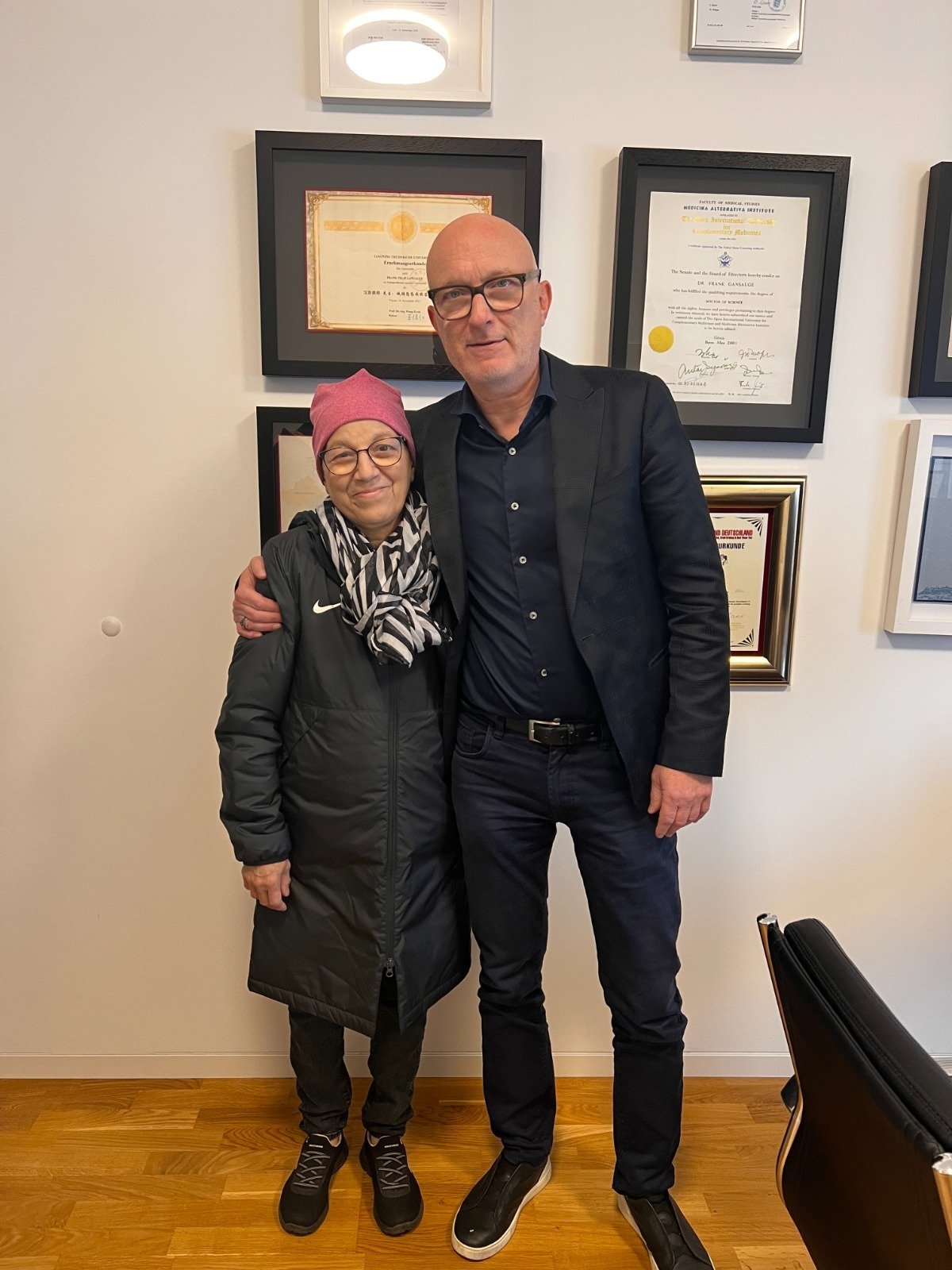
In advanced lung cancer, a dendritic cell vaccine known as DCVAC/LuCa combined with standard carboplatin and pemetrexed chemotherapy was well tolerated and demonstrated encouraging clinical activity, with a two-year survival rate of 52.57% and progression-free survival of 8.0 months in a phase II study [8]. Current evidence suggests that dendritic cell therapy may offer greater clinical benefit when used alongside chemotherapy or immune checkpoint inhibitors than when used as monotherapy, although additional large clinical trials are still needed [9]. In Germany, dendritic cell therapy is delivered by Prof. Gansauge at LDG Laboratories and the cost of dendritic cell therapy in Germany is approximately €27,000 for total course.
For patients considering these options, a specialist consultation confirms suitability and coordinates the interventional or immune-based treatment alongside standard care.
Can Stage 4 Lung Cancer Treatments Be Combined in Germany?
One of the strengths of care in Germany is that treatments are rarely used in isolation. For appropriately selected patients with stage 4 lung cancer, physicians may combine multiple treatment approaches to improve disease control. Standard chemotherapy, targeted therapy and immunotherapy are frequently paired and the combination of chemotherapy and immunotherapy is now a first-line standard for many patients.
Interventional procedures add another layer. TPCE and TACP may help achieve local tumor control in selected patients while systemic therapy addresses disease throughout the body. Because dendritic cell therapy has generally demonstrated a favorable safety profile in clinical studies, it may be incorporated alongside other treatments in appropriately selected patients [8] [9]. Current evidence suggests that dendritic cell vaccines may provide greater clinical benefit when combined with other cancer treatments than when used alone.
A multidisciplinary tumor board decides which combination fits each patient, weighing the tumor biology, prior treatment and overall health before any therapy is started.
Who Is Eligible for Advanced Lung Cancer Treatment in Germany?
Most patients with stage 4 metastatic lung cancer are candidates for some form of systemic treatment, although the most appropriate approach depends on tumor biology and overall health. Eligibility for advanced options is confirmed after molecular testing and a full assessment after comprehensive clinical evaluation, pathological confirmation, staging investigations and appropriate biomarker testing. Candidates typically include:
- Patients with confirmed metastatic disease and adequate overall health.
- Those whose tumors carry markers suited to targeted therapy or immunotherapy [2].
- Patients with lung-dominant disease who may benefit from TPCE or TACP recognizing that these approaches are available in selected centers and are not part of routine standard treatment recommendations [6].
- Those seeking to add dendritic cell therapy to standard care after discussion of the available evidence, potential benefits, limitations and risks [8].
Who May Not Be Eligible for Advanced Lung Cancer Treatment?
Some patients are not suitable candidates for certain therapies. These may include people whose health is too fragile to tolerate treatment, those with uncontrolled infections or severe organ dysfunction or patients whose disease pattern does not fit a particular procedure. A specialist assessment identifies these situations and helps set realistic expectations [2].
A specialist review confirms whether a patient is a suitable candidate for each therapy before any travel is planned, protecting patients from undergoing treatment unlikely to help.
Immunotherapy Success Rates and Survival Outcomes
Survival outcomes for stage 4 lung cancer have improved substantially with modern treatments, although the disease continues to carry a serious prognosis. Historically, five-year overall survival for patients with advanced lung cancer has been poor, although outcomes vary according to tumor type, molecular profile and treatment received [10]. Immunotherapy has significantly improved long-term outcomes for many appropriately selected patients.

In the KEYNOTE-189 trial, adding pembrolizumab to chemotherapy raised five-year survival to 19.4% compared with 11.3% for chemotherapy alone. For patients with high PD-L1 expression treated with pembrolizumab, long-term data showed a median overall survival of 26.3 months and a five-year survival rate of 31.9% [4]. These figures show that the stage 4 lung cancer immunotherapy life expectancy has extended well beyond what chemotherapy alone once offered.
Factors Affecting Treatment Outcomes
Several factors shape the stage 4 lung cancer prognosis. These include the tumor type, PD-L1 level, the presence of targetable mutations, the sites of spread and the patient's overall health and age. Treatment outcomes generally tend to be better in younger patients and those with good performance status, although individual responses vary considerably [3]. Response also varies widely between individuals, which is why the prognosis for stage 4 lung cancer cannot be reduced to a single number.
Life Expectancy with Modern Lung Cancer Treatment

Life expectancy for stage 4 lung cancer varies widely depending on tumor biology, molecular alterations, treatment response and the patient's overall health. Real-world data show that median survival with pembrolizumab monotherapy ranged widely, from 3.0 to 34.6 months across studies [3]. So the questions of is stage 4 lung cancer curable and can stage 4 lung cancer be cured are best answered honestly: Although stage 4 lung cancer is rarely curable, advances in targeted therapy and immunotherapy have enabled some patients to achieve long-term disease control and maintain a good quality of life. In most cases, metastatic lung cancer is not considered curable. However, advances in biomarker-directed targeted therapy, immune checkpoint inhibitors and multidisciplinary treatment have enabled some patients to achieve durable long-term disease control and extended survival [4]. Prognosis continues to improve as advances in targeted therapies, immunotherapy and personalized treatment strategies become more widely available.
Patients seeking a clearer understanding of their stage 4 metastatic lung cancer prognosis and expected treatment outcomes may benefit from a specialist second opinion in Germany before making treatment decisions.
Is There Medical Research Supporting New Stage 4 Lung Cancer Treatments?
Patients reasonably ask whether these treatments rest on solid evidence. The answer depends on the therapy and understanding where each stands is important for making an informed decision.
Clinical Evidence for Immunotherapy, TPCE, TACP and Dendritic Cell Therapy
Immunotherapy is supported by large randomized clinical trials published in leading medical journals, demonstrating significant improvements in survival for appropriately selected patients [1] [4]. TPCE and TACP have been evaluated in clinical studies demonstrating favorable safety profiles and encouraging local tumor control in selected patients, although their impact on overall survival remains under investigation [6]. Dendritic cell therapy has demonstrated favorable safety and encouraging clinical activity in phase I and II studies, particularly when combined with standard treatments. However, additional large randomized trials are needed to further define its long-term clinical benefit [8] [9].
Building a robust evidence base takes time. A new therapy typically needs many years of study, often a decade or more, moving from early safety trials through larger randomized trials and long-term follow-up before it becomes an established standard. Immunotherapy has completed this journey and is now standard care, while dendritic cell therapy and interventional procedures are at earlier points on that path, supported by encouraging early clinical studies, although additional larger randomized trials are still needed [9]. A trustworthy clinic presents each option honestly, according to where its evidence stands.
Regulatory Status and Availability of stage 4 Lung Cancer Treatment in Germany
Immunotherapy and targeted therapy are approved standard treatments and the treatment landscape has continued to evolve rapidly, with multiple recent regulatory approvals expanding treatment options for patients with NSCLC [2]. TPCE, TACP and dendritic cell therapy are available at selected specialized centers in Germany as part of individualized treatment strategies for appropriately selected patients. Germany's regulated environment ensures these therapies are delivered to appropriate standards, which is part of why patients seek the latest lung cancer treatment in Germany there.
Risks and Side Effects of Stage 4 Lung Cancer Treatment
Every treatment carries potential side effects and understanding them is part of informed care. The profile differs by therapy. Chemotherapy can cause fatigue, nausea, hair loss and low blood counts. Immunotherapy is generally better tolerated but can cause immune-related effects, where the immune system attacks healthy tissue, affecting the skin, thyroid, lungs or bowel.
Dendritic cell therapy has demonstrated a favorable safety profile in published clinical studies, with the most commonly reported side effects including mild injection-site reactions and flu-like symptoms [9]. Interventional procedures such as TPCE and TACP are minimally invasive and are generally well tolerated in appropriately selected patients, although they carry the usual risks associated with catheter-based procedures [6]. Across all treatments, patients are monitored closely so any reaction can be managed promptly. Balancing benefit against side effects is central to planning care for each individual.
Why Choose Germany for advanced Lung Cancer Treatment?
Germany combines internationally recognized thoracic oncology expertise with strict medical standards and access to advanced cancer therapies. This combination makes it a frequent choice for metastatic lung cancer treatment in Germany.
Cancer Centers for Lung Cancer Treatment in Germany
German university hospitals combine molecular diagnostics, immunotherapy and interventional oncology in a single system. This infrastructure supports precision oncology, where treatment is matched to the tumor's biology. Patients seeking specialized treatment for advanced lung cancer may consider these centers because of their multidisciplinary expertise and experience in thoracic oncology.
The following centers are internationally recognized for lung cancer care:

Patients seeking specialized treatment for stage 4 lung cancer in Germany often consider these centers because of their multidisciplinary expertise and experience in thoracic oncology.
Multidisciplinary Lung Cancer Care
The multidisciplinary model is central to German cancer care, ensuring each patient benefits from the combined expertise of several specialists. TIG GmbH works with these centers and can connect each patient to the right lung cancer specialist in Germany for their tumor type and stage.
Cost of Stage 4 Lung Cancer Treatment in Germany
Cost is a practical concern for every patient. The lung cancer treatment cost in Germany depends on the therapies used, the number of cycles and the overall plan. Many German treatment centers provide individualized treatment plans with cost estimates before treatment begins, helping patients understand the expected expenses in advance.

What Does the Treatment Cost Include?
The exact cost depends on the individual treatment plan and may include the procedure or therapy, hospital stay, imaging, laboratory tests, physician consultations and follow-up care where applicable. For interventional procedures, TPCE and TACP typically cost between €8,000 and €9,000 per session with Prof. Thomas J. Vogl, an internationally recognized expert in image-guided cancer therapies with decades of experience in interventional oncology. Dendritic cell therapy costs approximately €27,000 as the total cost of the treatment course with Prof. Frank Gansauge, a leading specialist known for his extensive work in personalized cancer immunotherapy.
Factors Affecting Treatment Costs
Several factors influence the final figure, including the type and number of therapies, the length of treatment and whether several approaches are combined. The immunotherapy cost in Germany depends on the specific drug and the number of cycles, which varies from patient to patient.
Cost of Immunotherapy and Advanced Treatment Options
Because costs vary so widely, a personalized estimate matters. TIG GmbH provides a transparent, personalized breakdown of the full stage 4 lung cancer treatment in Germany cost before treatment begins, so patients know what to expect with no hidden fees.
International Patient Services for Stage 4 Lung Cancer Treatment in Germany
Traveling abroad for treatment involves more than the medicine itself. Coordinated support makes the process manageable for international patient lung cancer treatment in Germany.
Medical Report Review and Second Opinion
The journey begins with a review of the patient's medical records, so specialists can advise whether a particular treatment is appropriate before any travel. A stage 4 lung cancer second opinion in Germany can confirm the diagnosis and clarify the best options, which is often the most valuable first step.
Medical Visa, Travel and Interpreter Support
International patients often need a medical visa, along with help arranging travel and medical interpretation. This practical support removes the barriers that can otherwise complicate treatment abroad, so patients can focus on their care. These arrangements are handled end to end, from the first medical review to travel and follow-up, so patients face no logistical gaps.
Why do international patients choose lung cancer treatment in Germany?
TIG GmbH supports international patients seeking stage 4 lung cancer treatment in Germany by coordinating communication with treating hospitals and assisting throughout the treatment journey. The service is informational and organizational, working alongside the treating specialists rather than replacing medical advice. From the first medical report review and second opinion to specialist matching, scheduling, travel and follow-up, the aim is to make a complex journey as smooth as possible, so patients can concentrate on their treatment and recovery.
Your Treatment Journey for lung cancer treatment in Germany
For patients considering advanced lung cancer treatment in Germany, the pathway is organized into clear stages, shown below:

At each step, TIG GmbH coordinates the details, so patients move through the process with confidence and clear information.
References
Why Patients Worldwide Prefer Our Medical Services in Germany – Key Benefits Explained



















.webp)
 (1).webp)
.webp)

.jpg)
 (1).webp)

.jpg)