

Explore lung cancer treatment options in Germany, including TPCE, TACP, and dendritic cell immunotherapy, with expert treatment and full support for international patients.
Lung Cancer Treatment Options in Germany
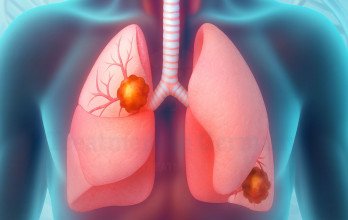
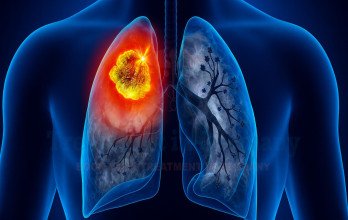
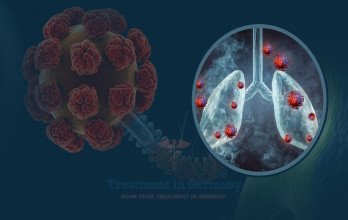
Lung cancer develops when abnormal cells grow uncontrollably in lung tissue and interfere with normal breathing and oxygen exchange. It is broadly categorized into non-small cell lung cancer and small cell lung cancer, with treatment decisions based on cancer type, stage, molecular features, and overall health. Lung cancer can remain localized in early stages or spread to lymph nodes and distant organs in advanced stages.
Patients exploring small cell lung cancer treatment options in Germany are often seeking advanced diagnostics, precise treatment planning, and access to innovative therapies. Germany is internationally recognized for its structured oncology system, strict medical regulation, and multidisciplinary treatment approach. According to information commonly referenced by the Australian Cancer Society, treatment outcomes depend on individualized planning, which aligns closely with Germany’s patient-focused oncology model.
Why International Patients Choose Lung Cancer Treatment in Germany
Germany has become a trusted destination for cancer treatment due to its advanced medical infrastructure, evidence-based oncology protocols, and transparent treatment planning. International patients value Germany’s emphasis on safety, accuracy, and accountability in cancer treatment.
Another reason patients seek treatment for non-small cell lung cancer in Germany is access to specialists regarded among the best oncologist in Germany, particularly in interventional oncology and cancer immunotherapy. Germany also offers access to new clinical trials for lung cancer, allowing eligible patients to explore advanced treatment options under strict ethical oversight.
Diagnostic Evaluation for Lung Cancer Treatment in Germany
Before starting lung cancer treatment, German medical centers perform comprehensive diagnostic assessments. These include high-resolution CT scans, PET imaging, MRI when needed, biopsy confirmation, and molecular testing to understand tumor behavior. Lung function tests and blood work help determine treatment tolerance. Hospitals providing lung cancer treatment in Germany follow internationally accepted diagnostic standards to ensure treatment decisions are accurate and personalized.
Overview of Lung Cancer Treatment Options in Germany
Lung cancer treatment in Germany is individualized and may involve a combination of systemic therapies, interventional oncology procedures, and immunotherapy. The selection of treatment depends on cancer stage, tumor location, symptom burden, and previous treatments.
Among the advanced options evaluated for selected patients are TPCE Treatment in Germany, TACP Treatment, and Immunotherapy Dendritic Cell Therapy in Germany, which may complement conventional treatment strategies.
TPCE Treatment for Lung Cancer in Germany
TPCE Treatment (Transpulmonary Chemoembolization) for lung cancer in Germany is an advanced interventional oncology procedure designed to target lung tumors more precisely. The treatment involves delivering chemotherapy directly into the blood vessels supplying lung tumors, allowing higher local drug concentration while limiting systemic exposure. This targeted approach is particularly relevant for patients with dominant lung lesions contributing to symptoms.
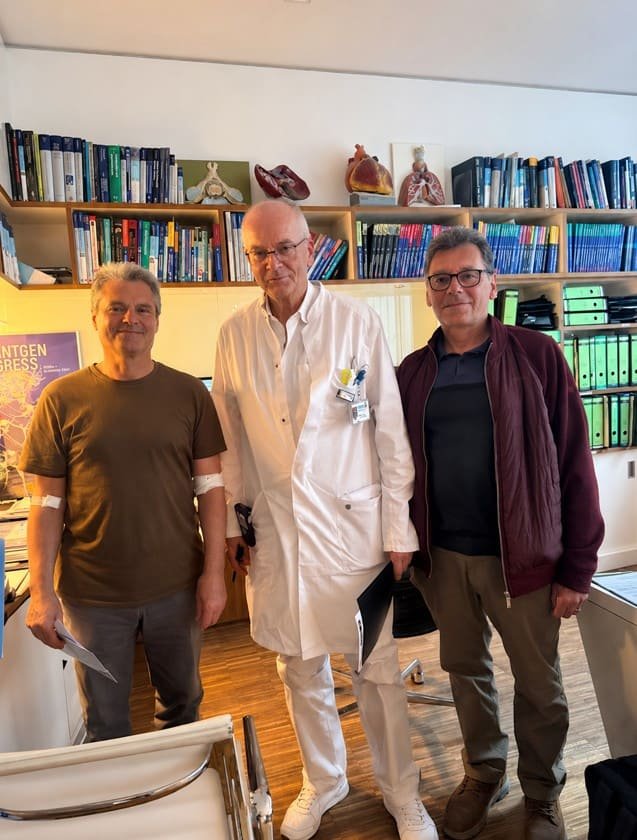
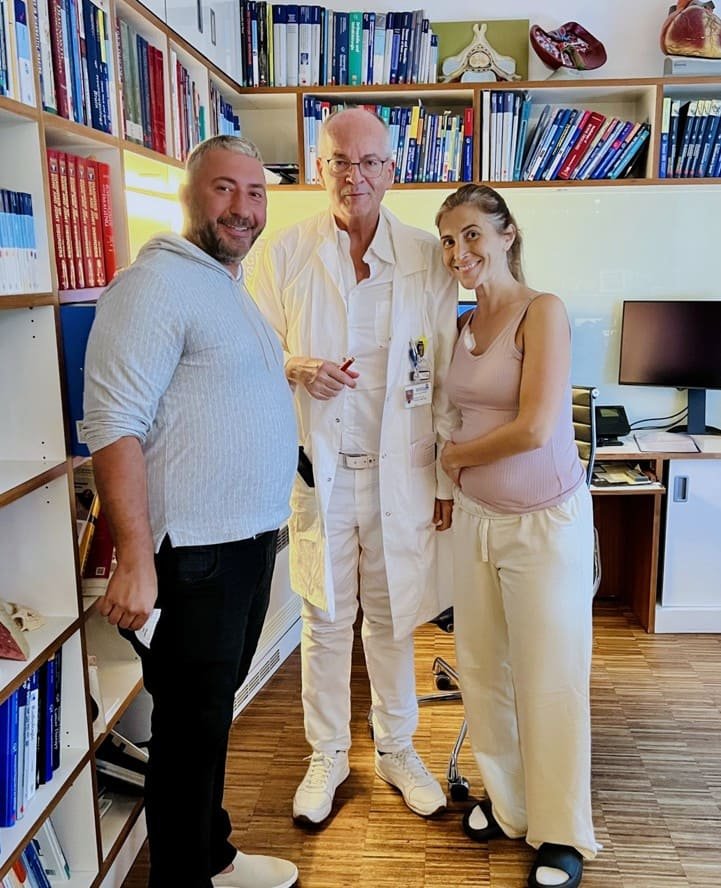
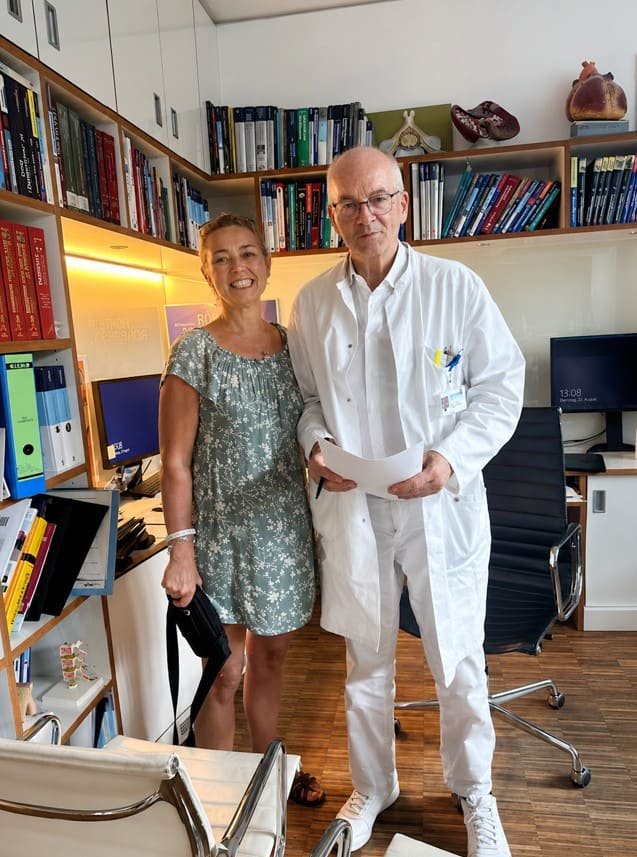
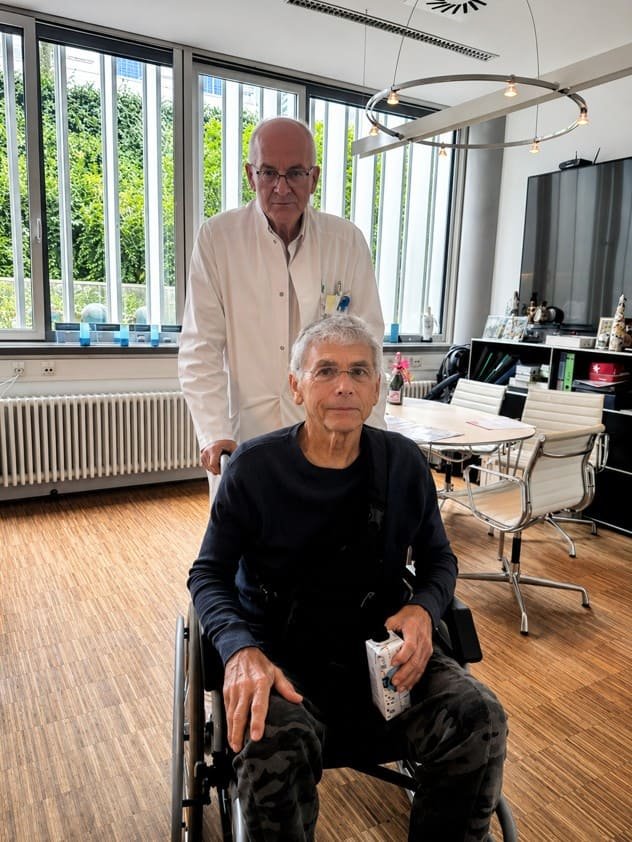
Before TPCE Treatment in Germany, patients undergo detailed imaging to identify tumor location and blood supply. During the procedure, an interventional radiologist inserts a catheter through a blood vessel and guides it to the tumor-feeding area. Chemotherapy is then delivered directly to the tumor site. After the procedure, patients are monitored for several hours and may undergo follow-up imaging. TPCE Treatment in Germany is performed by Prof. Vogl in Frankfurt, Germany, and the cost typically ranges from €8,000 to €9,000 per session, depending on treatment complexity.
TACP Treatment for Lung Cancer in Germany
TACP Treatment (Transarterial Chemoperfusion) for lung cancer in Germany is another interventional oncology approach used in selected lung cancer cases. This treatment delivers chemotherapy directly through arteries feeding the tumor while maintaining blood flow, which helps protect surrounding healthy tissue.
Prior to TACP Treatment in Germany, angiographic imaging is used to map the tumor’s blood supply. A catheter is then guided into the relevant arteries, and chemotherapy is infused in a controlled manner. Patients are closely monitored during and after the procedure, and follow-up assessments help determine whether additional sessions are needed. Prof. Vogl in Frankfurt, Germany performs TACP Treatment, and the cost generally ranges between €8,000 and €9,000 per session, depending on treatment planning.
Dr. Thomas J. Vogl has authored over a hundred scientific publications in renowned medical and research journals.
Immunotherapy Dendritic Cell Therapy for Lung Cancer in Germany
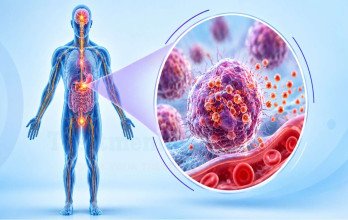
Immunotherapy Dendritic Cell Therapy for lung cancer in Germany is a personalized immune-based treatment designed to support the body’s ability to recognize lung cancer cells. Unlike treatments that directly destroy tumors, this therapy focuses on immune education and immune surveillance, helping the immune system better identify cancer-related markers.
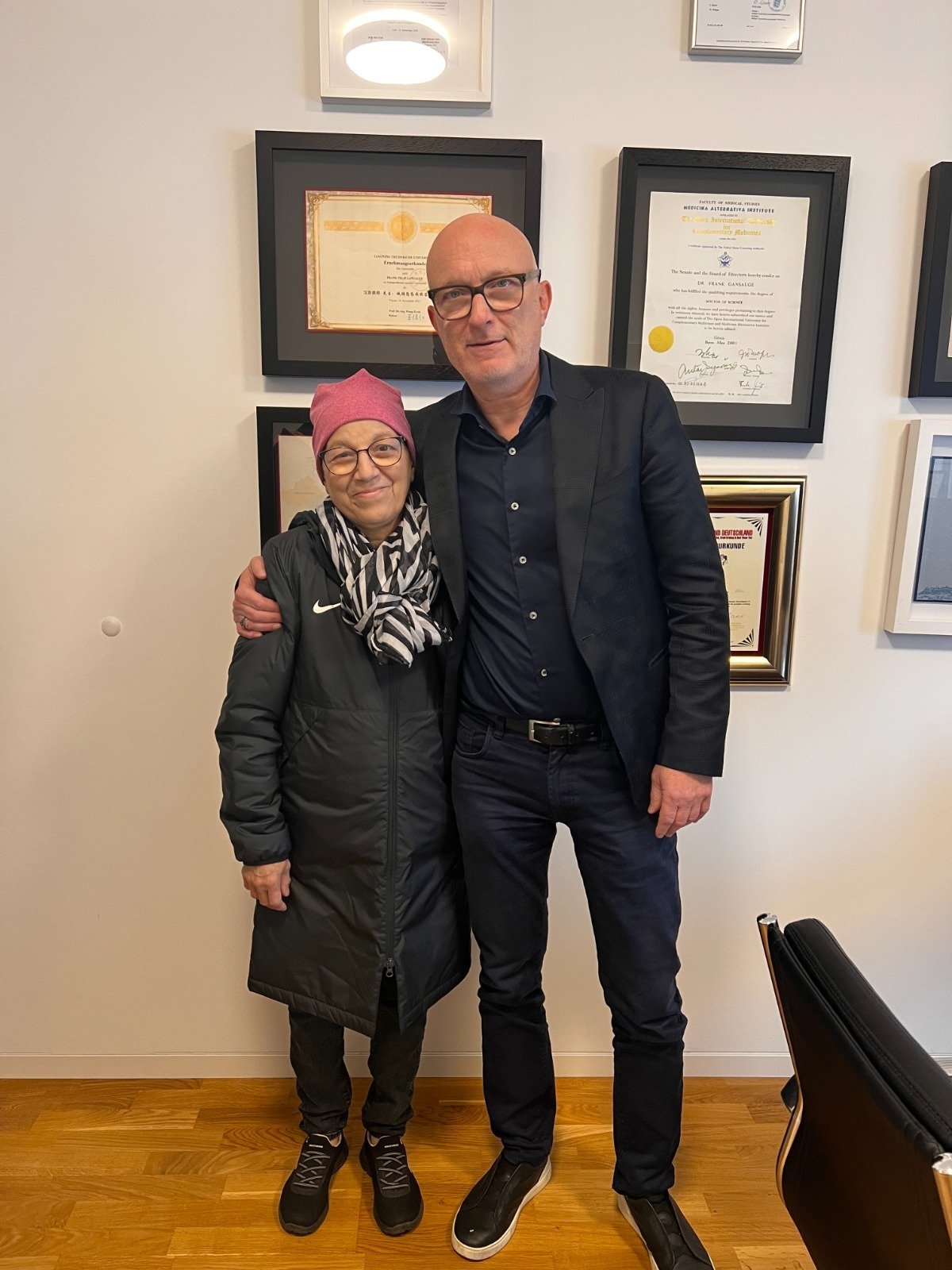
The process begins with a medical evaluation to confirm suitability. Monocytes are collected from the patient’s blood and processed in an EU GMP certified laboratory to develop dendritic cells. These cells are then exposed to tumor-specific antigens and administered back to the patient as a personalized dendritic cell vaccine. Patients are monitored throughout the treatment course. Dendritic cell therapy for small cell lung cancer in Germany is provided by Prof. Gansauge in Berg, Germany, and the cost of dendritic cell therapy in Germany is €24,000, including laboratory processing and administration.
Prof. Gansauge has authored over a hundred scientific publications in renowned medical and research journals.
Combining Lung Cancer Treatment Options in Germany
German oncology teams may evaluate combination strategies that include interventional treatments such as TPCE or TACP alongside immunotherapy. The goal is to manage localized tumor activity while supporting systemic immune response.
Treatment plans are reviewed regularly and adapted based on imaging results, symptom changes, and patient tolerance. This flexibility is a hallmark of lung cancer treatment in Germany.
Access to New Clinical Trials for Lung Cancer in Germany
Germany actively supports oncology research and offers access to new clinical trials for lung cancer patients who meet eligibility criteria. These trials explore advanced drug therapies, immunotherapy combinations, and innovative interventional techniques.
Participation is voluntary and conducted under strict ethical oversight, offering additional options for international patients.
Supportive Treatment and Monitoring in Germany
Supportive treatment plays an important role in lung cancer management. Symptom control, nutritional guidance, and close monitoring help maintain quality of life during treatment. German centers emphasize coordinated treatment planning and regular follow-up. Patients receiving treatment in Germany benefit from structured monitoring and clear communication between specialists.
Why International Patients Trust Cancer Treatment in Germany
International patients trust cancer treatment in Germany because of the country’s strong emphasis on safety, transparency, and medical accountability. Germany’s healthcare system prioritizes evidence-based decisions and individualized treatment strategies. Many patients also choose Germany because of professional support services that simplify international travel for medical care.
International Patient Support through TIG, Treatment in Germany
Traveling abroad for lung cancer treatment can be complex. TIG, Treatment in Germany, at www.treatmentingermany.de, provides complete logistical support for international patients including a medical visa support if required, allowing patients to focus on treatment.
🌍Why Patients Worldwide Prefer Our Medical Services in Germany – Key Benefits Explained:


Frequently Asked Questions
What is the difference between TPCE and TACP treatment?
TPCE targets tumors via the pulmonary artery, while TACP delivers chemotherapy through arteries feeding the tumor directly, improving local response with fewer side effects.
What are the side effects of TPCE treatment for lung cancer?
Side effects are generally mild and may include fatigue, slight fever, and discomfort at the insertion site. Monitoring and imaging ensure safety.
Why do international patients choose lung cancer treatment in Germany?
Because of advanced diagnostics, experienced specialists, and access to innovative therapies.
Is Dendritic Cell Immunotherapy FDA-approved?
Dendritic Cell Immunotherapy is not FDA-approved in USA but follows EU-GMP standards for safety and effectiveness in Germany.
Is dendritic cell therapy safe for lung cancer patients?
Yes. The vaccine is created from the patient’s own cells, making it biocompatible and safe with minimal side effects.
Can I access clinical trials for lung cancer in Germany?
Yes. Patients can join new clinical trials for lung cancer in Germany through accredited hospitals offering advanced therapies.
Is immunotherapy available for stage 4 lung cancer in Germany?
Yes. Immunotherapy for lung cancer, including dendritic cell therapy, is available and used in advanced cancer stages in Germany.
Can international patients receive lung cancer treatment in Germany?
Yes. International patients can access innovative treatments for lung cancer in Germany, with full logistical coordination provided by TIG (Treatment in Germany) www.treatmentingermany.de covering appointments, travel, medical visa assistance (if needed), and follow-up care.
Who is the best cancer specialist for lung cancer treatment in Germany?
Germany has many highly experienced oncologists and specialized cancer centers known for advanced diagnostics and personalized treatment approaches. The “best” cancer specialist depends on the specific cancer type and treatment needs. Some of the most recognized cancer experts include professors working at leading hospitals such as Charité University Hospital (Berlin), University Hospital Heidelberg, University Hospital Munich (LMU), and Frankfurt University Hospital.






























.webp)
 (1).webp)
.webp)
.jpg)

 (1).webp)
.jpg)