

Stage 4 pancreatic cancer is the most advanced stage of the disease, where the cancer has spread beyond the pancreas to distant organs. Stage 4 pancreatic cancer treatment in Germany includes personalised care with chemotherapy, targeted therapy, immunotherapy for eligible patients, dendritic cell therapy, and TACE where appropriate. This article explains survival rates, treatment options, costs, and what patients can expect from specialised cancer centres.
Stage 4 Pancreatic Cancer Treatment in Germany: Survival Rates
A diagnosis of stage 4 pancreatic cancer is one of the most difficult moments a patient and family can face. By the time the disease reaches this stage, it has spread beyond the pancreas to distant organs, and the goals of care shift toward controlling the cancer, easing symptoms, and extending meaningful time.
Survival for metastatic pancreatic cancer has slowly improved as chemotherapy regimens, molecular testing and supportive care have advanced, and a small number of patients now live considerably longer than the averages suggest.
Germany has become a trusted destination for advanced pancreatic cancer treatment, offering high-volume surgical centers, precision oncology, interventional procedures, and specialised immunotherapy laboratories. Stage 4 pancreatic cancer treatment in Germany includes several advanced treatment options, such as dendritic cell therapy and TACE, alongside an understanding of realistic survival rates and the disease itself. TIG GmbH helps international patients access expert care by coordinating medical report reviews, specialist consultations, hospital appointments, travel arrangements, and ongoing support throughout the treatment journey.
What Is Stage 4 Pancreatic Cancer?
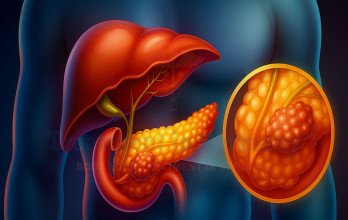
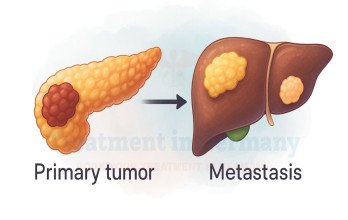
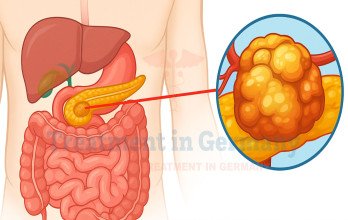
It means the cancer has spread from the pancreas to distant organs such as the liver, the lining of the abdomen (peritoneum), the lungs, or distant lymph nodes. It is the most advanced stage of pancreatic cancer.

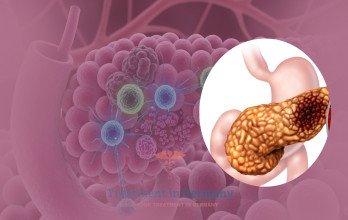
Most cases are metastatic pancreatic adenocarcinoma, the ductal form that makes up the large majority of pancreatic tumours. Because pancreatic cancer rarely causes early symptoms, roughly half of all patients are already at an advanced or metastatic stage when they are first diagnosed [1].
How Stage 4 Pancreatic Cancer Develops and Spreads
Pancreatic tumours tend to spread early and aggressively, with the liver being the most common site of metastasis. As a result, pancreatic cancer with liver metastasis is a common presentation at stage 4. Blood from the pancreas drains directly to the liver, providing an easy pathway for cancer cells to spread. When this occurs, it is known as pancreatic cancer spread to the liver. Beyond the liver, pancreatic cancer metastasis commonly involves the peritoneum, the lungs, and bone. Spread to the abdominal lining can lead to a build-up of fluid called ascites, which is common in advanced disease [8].
Difference between Stage 3 and Stage 4 Pancreatic Cancer
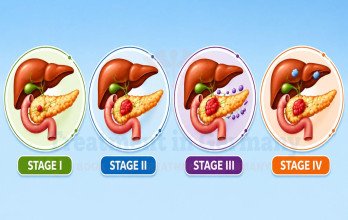
The distinction between stage 3 and stage 4 is fundamental to treatment planning. In stage 3, the cancer is locally advanced, often wrapped around nearby major blood vessels, but it has not spread to distant organs. Stage 3 is sometimes treatable with chemotherapy followed by surgery in carefully selected patients. Stage 4, by contrast, has distant metastases, so treatment is systemic (whole-body) from the outset rather than focused on removing the primary tumour.

Symptoms and Diagnosis of Stage 4 Pancreatic Cancer in Germany
Recognising advance stage pancreatic cancer and confirming how far it has spread are essential steps before treatment begins. In Germany, specialist centres use comprehensive diagnostic methods to determine the extent of the disease and guide personalised treatment planning.
Common Symptoms of Metastatic Pancreatic Cancer
Symptoms a person experiences depend on where the cancer has spread and how extensively the affected organs are involved.
Common signs that pancreatic cancer has spread include:
- Jaundice, yellowing of the skin and eyes, dark urine, and itching, often caused by bile-duct blockage.
- Unexplained weight loss and progressive loss of appetite.
- Abdominal or mid-back pain, which can be persistent.
- Fatigue and weakness that worsen over time.
- Nausea, digestive changes, and new blood clots.
Certain symptoms may indicate that pancreatic cancer has spread to the liver. These include right-sided upper abdominal pain, abdominal swelling, worsening jaundice, and abnormal liver blood test results. As disease advances, terminal pancreatic cancer may include severe fatigue, marked weight loss, and abdominal fluid (ascites). In one large study of metastatic pancreatic cancer, about 21% of patients developed ascites, at a median of roughly 8.7 months after the metastatic diagnosis [8].
These symptoms should always be assessed by a specialist, since they can often be eased with the right supportive care.
How Is Stage 4 Pancreatic Cancer Diagnosed?
In Germany, diagnosis combines imaging with tissue confirmation. A contrast-enhanced CT scan of the chest, abdomen, and pelvis is standard, often supported by MRI of the liver and, in selected cases, PET-CT.
A biopsy, frequently taken through endoscopic ultrasound (EUS) or from an accessible metastasis, confirms the diagnosis and subtype. Increasingly, tumour tissue is also sent for molecular profiling to look for treatable genetic changes. Pancreatic cancer is staged using the TNM system, which describes the primary tumour (T), lymph node involvement (N) and distant metastasis (M). Any cancer that has spread to distant organs (M1) is classified as stage 4 pancreatic cancer, regardless of the tumour's size or lymph node involvement. Some patients may also come across the term pancreatic cancer stage IVB, which is used in certain staging systems to describe metastatic disease.
Stage 4 Pancreatic Cancer Survival Rates and Life Expectancy
Survival varies from one patient to another and depends on several clinical and biological factors. Understanding survival statistics, prognosis, and the impact of modern treatment can help patients and families make informed decisions about care.
Survival Statistics for Stage 4 Pancreatic Cancer
Survival figures are difficult to read, but honest information helps families plan. Pancreatic cancer is the third leading cause of cancer death in the United States and is projected to become the second by 2030. Across all stages, the overall five-year survival rate has risen from 6% for patients diagnosed in 2004 to 12% for those diagnosed in 2015 [1] However, this improvement mainly reflects better outcomes in early, localised disease.
The following table shows how survival differs sharply by stage, based on recent SEER data.

The five-year survival rate for metastatic pancreatic cancer is approximately 3% [1]. These figures represent real people, and outcomes vary widely between individuals.
What Factors Affect Metastatic Pancreatic Cancer Survival?
Several factors influence metastatic pancreatic cancer life expectancy:
- Performance status, which is how well a person is physically coping, is one of the strongest predictors of how long treatment can continue.
- Extent and location of metastases, since limited, liver-only spread generally behaves differently from widespread disease. Patients with lower tumor burden or limited metastatic involvement may have different outcomes compared with those with widespread multi-organ disease.
- Response to chemotherapy, since patients whose tumours shrink or stabilise tend to live longer.
- Molecular profile, because specific gene changes can open the door to targeted or immune therapies particularly when actionable alterations such as BRCA1/2, PALB2, mismatch repair deficiency, NTRK fusions, or other rare molecular findings are identified.
- Age and overall health, since the stage 4 pancreatic cancer survival rate by age tends to be lower in older patients, who often have less physiological reserve, while younger, fitter patients frequently do better [1].
The question, "How long can you live with stage 4 pancreatic cancer?" does not have a single answer. Survival varies widely, with some patients living for months and others living for years, particularly if they respond well to treatment.
Can Modern Treatments Improve Survival?
Real-world data show that median survival for metastatic pancreatic cancer has improved over time, rising from around 6 months in 2012–2013 to about 10 months in 2018–2019 as modern combination chemotherapy became standard [2]. Newer regimens continue to push this forward. In the phase III NAPOLI-3 trial, the NALIRIFOX combination achieved a median overall survival of 11.1 months versus 9.2 months for gemcitabine plus nab-paclitaxel (hazard ratio 0.83) [3] [4]. These are incremental gains, but each one matters.
Standard Treatment for Stage 4 Pancreatic Cancer in Germany
Treatment for stage 4 pancreatic cancer focuses on controlling the disease, relieving symptoms, and extending survival whenever possible. German specialists develop personalised treatment plans that combine systemic therapies with supportive care according to each patient's individual needs.
How Is Chemotherapy Used for Stage 4 Pancreatic Cancer?

Chemotherapy is the backbone of stage 4 pancreatic cancer treatment. It works throughout the body, which is essential once the cancer has spread. The two established first-line options for chemotherapy for stage 4 pancreatic cancer are FOLFIRINOX (a combination of fluorouracil, leucovorin, irinotecan and oxaliplatin) and gemcitabine combined with nab-paclitaxel. In real-world comparisons, both achieve a similar median overall survival of around 11 months in suitable patients [10].
More recently, the NALIRIFOX regimen (liposomal irinotecan with fluorouracil, leucovorin and oxaliplatin) was approved as a first-line option after the NAPOLI-3 trial showed a survival benefit over gemcitabine plus nab-paclitaxel [3] [4]. The choice between regimens depends heavily on a patient’s fitness, since more intensive combinations carry more side effects.
Who Can Benefit from Targeted Therapy and Immunotherapy?
For a subset of patients, molecular testing reveals a treatable target, and this is the basis of precision, biomarker-guided care in pancreatic cancer.
Key options in targeted therapy and immunotherapy in Germany include:
- Olaparib, a PARP inhibitor, used as maintenance therapy for patients with an inherited (germline) BRCA mutation whose disease has responded to platinum-based chemotherapy [5].
- Pembrolizumab, an immune checkpoint inhibitor, for the small proportion of tumours that are microsatellite-instability-high (MSI-H) or mismatch-repair-deficient [5].
- NTRK inhibitors for the rare tumours carrying an NTRK gene fusion [5].
Most pancreatic tumours are driven by KRAS mutations, present in more than 90% of cases, and these have historically been resistant to targeted drugs and to standard immunotherapy [3]. Research into KRAS-directed agents is one of the most active areas in the field.
How Is a Personalized Treatment Plan Created?

In Germany, every patient with stage 4 pancreatic cancer is reviewed by a multidisciplinary tumour board before treatment begins. Medical oncologists, surgeons, radiologists, pathologists and interventional and palliative specialists plan the approach together. This is the foundation of personalized pancreatic cancer treatment, where the plan reflects the tumour’s biology, the patient’s fitness, and their personal goals rather than a one-size-fits-all protocol.
Palliative and Supportive Care
Supportive care is not a last resort, and it runs alongside active treatment from the start. Managing pain, jaundice, digestive problems, blood clots, and nutrition can meaningfully improve both quality of life and the ability to tolerate chemotherapy. Procedures such as biliary stenting to relieve jaundice, enzyme replacement for digestion, and drainage of ascites are common and effective. Good supportive care is a central part of treatment for stage 4 pancreatic cancer, not an alternative to it.
Who Can Benefit from Advanced Pancreatic Cancer Treatment in Germany?
Advanced pancreatic cancer treatment is tailored to each patient's diagnosis, overall health, and treatment goals. A comprehensive specialist assessment helps identify which therapies are most appropriate before treatment begins.
Who Is Eligible for Personalized Treatment?
Eligibility for advanced pancreatic cancer treatment is determined after a detailed review of the diagnosis, imaging findings, molecular profile, and the patient's overall health. This assessment helps specialists recommend the most appropriate treatment approach for each individual.
In general, patients most likely to benefit from active systemic treatment are those who:
- Have a reasonable performance status and can carry out most daily activities.
- Have adequate liver, kidney, and bone-marrow function.
- Have their disease and fitness confirmed by up-to-date imaging and blood tests.
- Are willing and able to travel for and tolerate treatment.
Performance Status, Biomarkers, and Other Selection Factors
Performance status is the single most important selection factor, because intensive chemotherapy can do more harm than good in a very frail patient. This is why fitness, not age alone, guides decisions. Biomarkers increasingly refine the plan. Testing for germline BRCA mutations, MSI-H/mismatch-repair status, and other alterations identifies the minority of patients who may benefit from immunotherapy for pancreatic cancer or targeted drugs [5].
A pancreatic cancer specialist in Germany uses these results, together with the patient’s overall condition, to match each person to the most appropriate options.
Dendritic Cell Therapy for Stage 4 Pancreatic Cancer in Germany
Dendritic cell therapy in Germany is a personalised form of immunotherapy that uses the patient’s own immune cells. It is studied as an addition to standard care, not a replacement for it.
Pancreatic cancer is known for creating a strongly immunosuppressive environment, which is one reason standard immunotherapy alone rarely works in this disease [6]. Dendritic cell vaccines are one strategy being explored to overcome that barrier.
How Does Dendritic Cell Therapy Work?
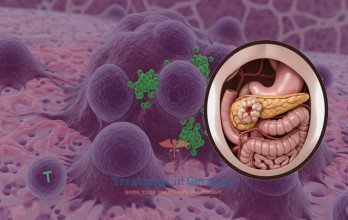
Dendritic cells are the immune system’s “instructors.” They are specialised antigen-presenting cells that display tumour targets to T-cells, the immune cells that carry out an attack.
In practice, immune cells are collected from the patient’s blood and matured into dendritic cells in a specialised laboratory. There they are loaded with tumour-associated antigens, then returned to the patient as a personalised vaccine designed to prime a targeted anti-tumour response [6].

In a clinical study of dendritic cell–based immunotherapy in pancreatic cancer, the treatment was able to induce T-cell responses against pancreatic cancer antigens, supporting further investigation of the approach [6].
Who Can Benefit from Dendritic Cell Therapy?
Eligibility for stage 4 pancreatic cancer immunotherapy using dendritic cell therapy is confirmed by a specialist after reviewing the full clinical picture. It is generally considered for:
- Patients with advanced or metastatic pancreatic adenocarcinoma seeking an immune-based addition to standard treatment.
- Individuals with an adequate performance status able to mount an immune response.
- Those whose disease is being managed alongside chemotherapy or other systemic therapy.
Patients with severe immune deficiency, uncontrolled infection or very poor overall health are usually not suitable.
TACE Treatment for Selected Patients with Stage 4 Pancreatic Cancer in Germany
Transarterial chemoembolization (TACE) in Germany, is an investigational image-guided, catheter-based procedure performed by interventional radiologists. It is not a routine treatment for stage 4 pancreatic cancer, but it may be considered for carefully selected patients.
How Does TACE Treatment Work?
TACE delivers chemotherapy directly into the arteries feeding tumours in the liver, followed by tiny particles that block the blood supply. This concentrates the drug within the tumour while limiting the amount that circulates through the rest of the body.

The rationale is that liver tumours receive most of their blood supply through specific blood vessels feeding the tumour, allowing treatment to target cancer cells while largely sparing healthy liver tissue [9]. The aim in advanced disease is to control liver metastases rather than cure the cancer.
Who Can Benefit from TACE Treatment?
TACE may be considered for selected patients with pancreatic cancer and liver metastases, particularly when the disease is mainly confined to the liver. Treatment decisions are made on an individual basis by a multidisciplinary tumour board. It is not suitable for everyone with stage 4 pancreatic cancer.
High-quality randomised data on TACE for liver metastases remain limited, so it is used selectively rather than as standard care, and the potential benefits and risks are weighed individually [9]. A multidisciplinary team decides whether it is a reasonable option alongside systemic therapy.
Can Stage 4 Pancreatic Cancer Be Cured?
Many families ask is stage 4 pancreatic cancer curable and can you survive stage 4 pancreatic cancer. Based on current evidence, stage 4 pancreatic cancer is generally not considered curable, because the disease has already spread to distant organs.
The realistic goals of stage 4 pancreatic cancer treatment in Germany are to control the disease, relieve symptoms, maintain quality of life, and extend survival. The five-year survival for distant-stage disease remains around 3% [1], which frames the stage 4 pancreatic cancer prognosis realistically.
Long-Term Disease Control and Exceptional Responders
Although stage 4 pancreatic cancer is generally not curable, some patients achieve longer periods of disease control with modern treatment. A minority of patients, sometimes called exceptional responders, achieve prolonged disease control, and rare individuals with limited metastases and a strong response to therapy live for years.
Certain features are associated with better pancreatic cancer survival, including excellent performance status, limited metastatic burden, and favourable molecular findings such as a BRCA mutation that responds to platinum chemotherapy and maintenance olaparib [5]. Identifying these patients is a key aim of modern, personalised care.
Is There Medical Research Supporting New Treatments for Stage 4 Pancreatic Cancer?

Clinical Studies of Dendritic Cell Therapy, TACE, and Other Emerging Treatments
Research into new treatments for stage 4 pancreatic cancer continues to expand. For dendritic cell therapy, early-phase clinical studies show that dendritic cell vaccines can be produced safely and can generate measurable immune responses against pancreatic cancer antigens, though larger trials are needed to confirm a survival benefit [6].
Across cancers, a review of many dendritic cell vaccination trials with pancreatic cancer among the most studied indications, found the approach to be generally well tolerated [7]. For TACE, current randomised evidence in patients with liver metastases remains limited, which is why it is reserved for carefully selected patients rather than used routinely [9].
Meanwhile, systemic therapy continues to advance, from the NALIRIFOX regimen to targeted and immune therapies for molecularly selected patients [3] [4] [5]. alongside active research into KRAS-directed drugs [3]. Enrolling in pancreatic cancer clinical trials in Germany can give eligible patients access to some of these emerging approaches.
Regulatory Status and Treatment Availability in Germany
Standard chemotherapy, approved targeted agents such as olaparib, and immunotherapy for MSI-H tumours are used within their approved indications in Germany. Dendritic cell therapy is offered at selected specialised centres as an individualised option alongside standard care, rather than as routine therapy. TACE is performed within established interventional-oncology frameworks for appropriately selected patients. Patients considering innovative pancreatic cancer treatment in Germany should discuss the realistic benefits, limitations, and evidence with their treating specialists before deciding.
Risks and Side Effects of Stage 4 Pancreatic Cancer Treatment
Learn about the common side effects and risks of stage 4 pancreatic cancer treatments, including chemotherapy, targeted therapy, and immunotherapy, and how medical teams manage them effectively.
Side Effects of Standard Treatments
Every stage 4 pancreatic cancer treatment carries potential side effects, which the treating team manages actively. Chemotherapy affects rapidly dividing cells throughout the body, so its effects tend to be wide-ranging.
Common side effects include:

Supportive care, dose adjustments, and close monitoring keep most of these manageable.
Safety Profile of Dendritic Cell Therapy and TACE Treatment
The two locoregional and immune approaches have generally favourable safety profiles. Across published trials, dendritic cell vaccines have been generally well tolerated, with mostly mild-to-moderate side effects such as low-grade fever, fatigue and injection-site reactions [7]. TACE is usually well tolerated, though some patients experience a temporary “post-embolisation syndrome” of pain, nausea, vomiting, and fever that typically settles with supportive treatment [9]. As with any procedure, its suitability is judged case by case.
Why Choose Germany for Stage 4 Pancreatic Cancer Treatment?
Germany offers specialised pancreatic cancer centres with multidisciplinary expertise, advanced diagnostics, and access to innovative treatment approaches. This coordinated model helps ensure that treatment decisions are based on each patient's individual diagnosis and clinical needs.
Specialized Pancreatic Cancer Centers and Multidisciplinary Care
Germany combines high-volume expertise, precision oncology and interventional and immunological options within a single, well-coordinated system. Its leading university hospitals run multidisciplinary tumour boards where specialists jointly plan each case, the model most strongly associated with high-quality cancer care. This concentration of experience matters in a disease as complex as pancreatic cancer, and it gives international patients access to a pancreatic oncology center in Germany with the facilities to deliver molecular testing, clinical trials, and advanced procedures. Several of the leading centers and best pancreatic cancer hospitals in Germany are outlined below.

The strength of these centers lies in their multidisciplinary tumour boards and their access to precision oncology pathways, including molecular profiling, targeted therapy, immunotherapy, and interventional options under one roof.
Cost of Stage 4 Pancreatic Cancer Treatment in Germany
The cost of treatment depends on the recommended therapies, the complexity of care, and the patient's individual treatment plan. Understanding the expected costs helps patients plan their treatment journey with greater confidence.
What Does the Treatment Cost Include?
The overall pancreatic cancer treatment cost in Germany depends on the recommended plan, since chemotherapy, targeted therapy, imaging, hospital care, and any interventional procedures each have their own requirements.

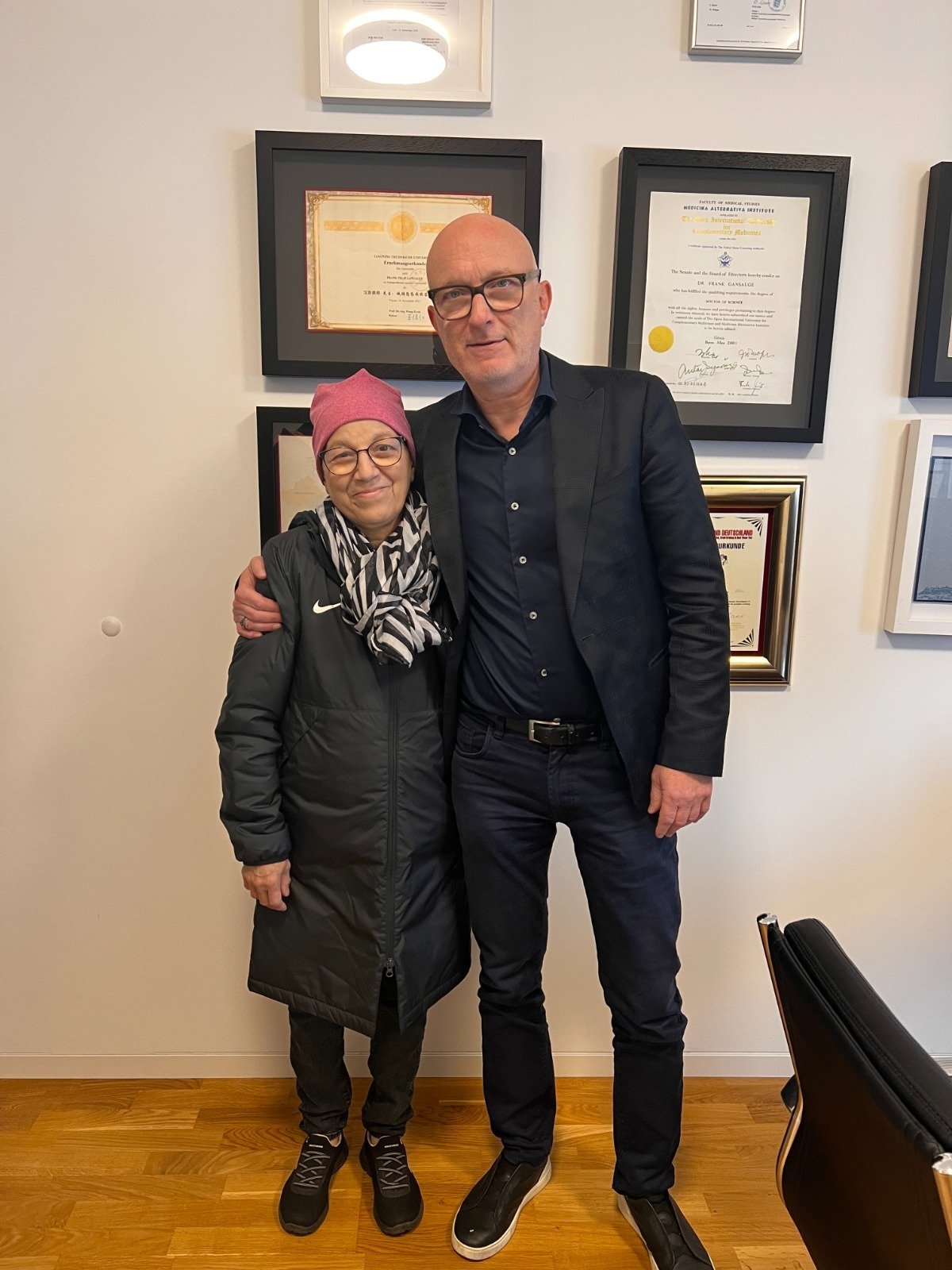
For patients considering advanced treatment options, dendritic cell therapy in Germany is provided by Prof. Gansauge at LDG Laboratories, who specialises in personalised dendritic cell immunotherapy and cellular cancer treatments. The complete treatment costs approximately €27,000.

TACE is performed by Prof. Vogl at University Hospital Frankfurt, an internationally recognised interventional radiologist with extensive experience in image-guided regional cancer therapies, and typically costs €8,000–€9,000 per session.

Factors Affecting Treatment Costs
Several factors shape the final figure: the chemotherapy regimen and number of cycles, whether targeted or immune therapy is added, the number of TACE sessions, the diagnostic and molecular testing required, and the length of any hospital stay. TIG GmbH provides a transparent, personalised cost estimate before treatment begins, so patients know what to expect with no hidden fees.
International Patient Services for Stage 4 Pancreatic Cancer Treatment in Germany
Pancreatic cancer treatment in Germany for international patients involves more than the medicine itself. Coordinated support removes much of the administrative burden at an already difficult time:
- Medical report review, so specialists can advise on suitability before any travel is arranged.
- Second opinion, confirming the diagnosis and reviewing imaging and pathology with a pancreatic cancer specialist in Germany.
- Medical visa assistance, preparing the documentation and invitation letters required.
- Interpreter support, so language is never a barrier to understanding the treatment.
- Treatment coordination, aligning appointments, procedures, and follow-up to minimise waiting.
Together, these services help international patients focus on treatment while reducing the practical challenges of travelling abroad.
Why Choose TIG for Stage 4 Pancreatic Cancer Treatment in Germany?
TIG GmbH helps international patients navigate stage 4 pancreatic cancer treatment in Germany with clarity and coordinated support at every stage. The service is informational and organisational, working alongside the treating specialists rather than replacing medical advice. From the first medical report review and second opinion to specialist matching, scheduling, travel, and follow-up, TIG GmbH helps coordinate the medical, travel, and logistical arrangements. For patients who want to begin, a medical report review is usually the first step.
Your Treatment Journey for Stage 4 Pancreatic Cancer Treatment in Germany
Patients travelling to Germany for treatment usually follow a structured care pathway that includes:
- Medical report review, where specialists assess the records before any travel.
- Specialist consultation, confirming suitability and planning the approach.
- Diagnosis and molecular testing, including imaging, biopsy review, and genetic profiling.
- Standard treatment, which may include chemotherapy and, where appropriate, targeted therapy or immunotherapy.
- Advanced options such as dendritic cell therapy or TACE for selected, eligible patients.
- Supportive care, managing symptoms and nutrition throughout.
- Follow-up and monitoring, continued after returning home.
A consultation for pancreatic cancer in Germany is often the first step, and TIG GmbH coordinates each stage from there.
References
Why Patients Worldwide Prefer Our Medical Services in Germany – Key Benefits Explained
















.webp)
 (1).webp)

.webp)

.jpg)

 (1).webp)

.jpg)