
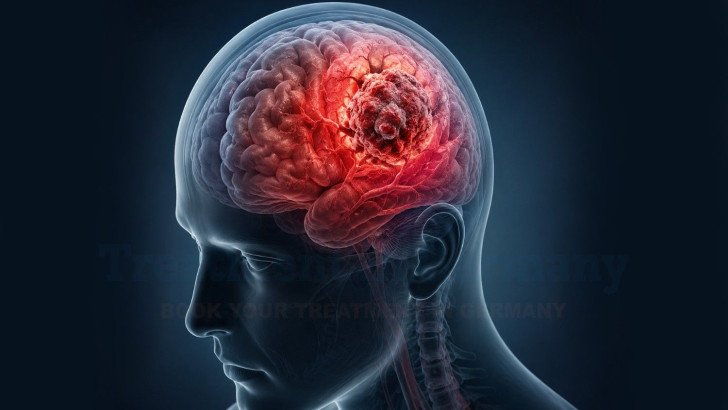
A brain tumor is an abnormal growth or mass of cells in or around your brain. Together, spinal tumors and brain tumors are called central nervous system (CNS) tumor
Advanced Stage 4 Brain Cancer Treatment in Germany
Primary malignant brain tumors account for approximately 308,000 new diagnoses worldwide each year, with glioblastoma multiforme representing the most aggressive and most common form among adults [1]. In the United States alone, an estimated 25,400 new cases of brain and other nervous system cancers are expected in 2025, with the disease continuing to carry one of the poorest prognoses of any malignancy [2]. For patients and families confronting a diagnosis of stage 4 brain cancer or grade 4 glioblastoma, the emotional and clinical weight of that news is enormous, and the search for the best possible care often leads beyond national borders.
Germany has established itself as one of the world's foremost destinations for brain cancer treatment, offering internationally recognized neuro-oncology centers in Germany, highly specialized glioblastoma specialists, and access to cutting-edge therapies that are not widely available elsewhere including multidisciplinary brain tumor centers, experienced neurosurgical teams, and access to both established and investigational treatment approaches. From brain tumor surgery to immunotherapy and dendritic cell therapy, the country provides a genuinely comprehensive platform for personalized brain cancer treatment Germany within structured multidisciplinary programs which are available at specialized centers and may include maximal safe surgical resection, radiotherapy, temozolomide-based chemotherapy, tumor treating fields, molecular profiling, and selected investigational immunotherapeutic approaches delivered within multidisciplinary care programs.
Whether you are seeking initial treatment or evaluation for recurrent glioblastoma treatment in Germany for the first time or exploring options after recurrence, TIG GmbH is dedicated to connecting international patients with Germany's leading brain tumor specialists and guiding them through every step of the process, from initial medical record review to post-treatment follow-up. TIG GmbH understands the urgency that comes with a diagnosis of terminal brain cancer and works to ensure patients access the right care and aims to facilitate timely access to specialized neuro-oncology evaluation and treatment planning as quickly and smoothly as possible.
What Is Stage 4 Brain Cancer?
Stage 4 brain cancer refers to the most aggressive grade of primary brain malignancy, most commonly represented by glioblastoma multiforme (GBM), also classified as WHO grade 4 glioblastoma. Grade 4 glioblastoma arises from glial cells in the brain and is characterized by rapid growth, extensive infiltration into surrounding brain tissue, and a tendency to recur even after aggressive treatment. It is biologically distinct from lower-grade tumors and carries a significantly more guarded prognosis [3].

Within the broader category of high-grade gliomas, IDH-wildtype glioblastoma represents the most common adult subtype and remains a major focus of neuro-oncology research and treatment. IDH-wildtype tumors are the most common and most aggressive subtype, lacking the IDH gene mutation that confers a somewhat more favorable prognosis in other glioma subtypes. WHO grade 4 astrocytomas, including both IDH-mutant astrocytoma grade 4 and glioblastoma, are classified as high-grade diffuse gliomas requiring intensive multidisciplinary treatment.
Understanding what does stage 4 cancer mean in a brain tumor context is important: unlike many other cancers, brain tumors rarely spread to distant organs, but their local invasiveness within the brain makes them extremely difficult to treat and control. [11]
Understanding how Glioblastoma causes death is something many patients and families struggle with. As the disease progresses, the tumor can grow into or place pressure on critical areas of the brain, associated cerebral edema may disrupt critical neurological pathways, leading to progressive cognitive decline, neurological impairment, decreased consciousness, and ultimately life-threatening brain dysfunction. Common signs that a person may be nearing the end of life include increasing sleepiness, difficulty speaking or moving, confusion, and reduced responsiveness. This reality highlights why accessing the most effective treatments as early as possible is so important.
Symptoms of Stage 4 Brain Cancer
Glioblastoma symptoms can vary depending on the tumor’s size, growth rate, and location within the brain. Because the brain controls all major functions of the body, tumors in different regions produce different neurological effects. Common glioblastoma symptoms include:
Persistent and worsening headaches, often worse in the morning
Seizures, which may be the first presenting symptom in some patients
Progressive weakness sensory loss, or numbness affecting one side of the body
Cognitive changes including memory problems, confusion, or personality shifts
Difficulty speaking, understanding language, or finding words
Visual disturbances including blurred or double vision, or visual field deficits
Nausea and vomiting due to raised intracranial pressure
Loss of coordination or balance
These symptoms often develop gradually and may initially be attributed to stress or other benign causes, which can delay diagnosis. Any new or worsening neurological symptom, particularly in middle-aged or older adults, warrants prompt medical evaluation including brain imaging. Early identification of stage 4 glioblastoma or stage 4 glioma gives patients access to a broader range of treatment options and more time to explore advanced care programs.
How Is Stage 4 Brain Cancer Diagnosed?
Diagnosing stage 4 brain cancer begins with neuroimaging, typically an MRI which often demonstrates an irregular contrast-enhancing mass with surrounding vasogenic edema and central necrosis. CT scanning may be used in emergency settings particularly when rapid assessment of hemorrhage, mass effect, or hydrocephalus is required. Definitive diagnosis, however, requires surgical biopsy or tumor resection, after which the tissue is examined histologically and molecularly to classify the tumor according to the WHO grading system [11].
Molecular profiling has become an essential part of glioblastoma treatment planning. Key markers assessed include IDH mutation status, MGMT promoter methylation, EGFR amplification, chromosome 7 gain/chromosome 10 loss patterns, and TERT promoter mutations. MGMT methylation status in particular is predictive of response to temozolomide chemotherapy and is considered a favorable prognostic indicator [11]. German neuro-oncology centers perform comprehensive molecular profiling as standard practice, enabling truly personalized brain cancer treatment Germany tailored to each tumor's unique biology.
Stage 4 Brain Cancer Prognosis and Survival Statistics
The following table summarizes key prognostic data for glioblastoma and related high-grade brain tumors. These are population-level estimates, and individual outcomes vary according to molecular tumor characteristics, patient age, functional status, extent of resection, and response to treatment [3].

Statistics about Glioblastoma survival can feel overwhelming, but it’s important to remember that these numbers are based on historical treatment approaches and broad population averages. Every patient’s journey is different, and outcomes can vary widely depending on factors such as the tumor’s biology, how well it responds to treatment, the patient’s age, and overall health. Some people live significantly longer than expected, especially when they receive care through experienced multidisciplinary neuro-oncology teams that can provide access to advanced and personalized treatment approaches [3].
Standard Treatment Options for Stage 4 Brain Cancer
The established standard of care for newly diagnosed glioblastoma treatment is the Stupp protocol, which combines maximal safe surgical resection followed by concurrent radiotherapy and temozolomide chemotherapy, followed by adjuvant temozolomide, typically administered for six cycles [11]. This multimodal regimen has remained the foundation of first-line treatment for newly diagnosed glioblastoma since its introduction in the mid-2000s.
Standard brain tumor treatment options in Germany include:
Brain tumor surgery in Germany: Maximal safe resection using intraoperative MRI, fluorescence-guided surgery (5-ALA), and awake craniotomy techniques to remove as much tumor as safely possible.
Radiotherapy: Fractionated external beam radiation targeting the tumor bed, typically 60 Gy in 30 fractions, administered concurrently with temozolomide.
Temozolomide chemotherapy: Oral alkylating agent given concurrently with radiotherapy and as adjuvant treatment; most effective in MGMT-methylated tumors [11].
Gamma knife treatment in Germany: Stereotactic radiosurgery delivering precisely focused radiation to residual or recurrent tumor with minimal impact on surrounding brain tissue.
CyberKnife brain tumor treatment Germany: Robotic radiosurgery system offering highly precise, frameless stereotactic radiation for brain tumors including recurrent glioblastoma treatment Germany
Bevacizumab (Avastin): Anti-VEGF monoclonal antibody used in selected cases of recurrent glioblastoma to reduce cerebral edema, improve symptoms, and delay radiographic progression
All of these modalities are available within Germany's leading neuro-oncology centers. TIG GmbH works with multidisciplinary teams at these centers to ensure that international patients receive a treatment plan that reflects the most current evidence and their individual clinical profile.
Immunotherapy for Stage 4 Brain Cancer in Germany
Brain cancer therapies have entered a new era with the growing role of immunotherapy in high-grade glioma management. Immunotherapy for glioblastoma in Germany encompasses several distinct approaches, all aimed at harnessing or amplifying the immune system's ability to recognize and attack brain tumor cells. The blood-brain barrier, which limits the entry of many therapeutic agents into the brain, has historically posed a major challenge for immunotherapy in glioma, but advances in drug delivery and immune modulation are beginning to overcome this obstacle [4].

Checkpoint inhibitors targeting PD-1 and PD-L1 have been extensively investigated in glioblastoma immunotherapy Germany trials, while results in unselected patients have been mixed, subgroup analyses have suggested potential benefit in select patients, although overall efficacy in glioblastoma remains under investigation [9]. Clinical applications of immunotherapy for recurrent glioblastoma treatment Germany continue to be refined through ongoing trials at major German academic centers, with combination strategies showing particular promise [9].
CAR T-cell therapy brain cancer Germany represents an active area of ongoing research of in neuro-oncology. Chimeric antigen receptor T-cell therapy involves genetically engineering a patient's own T-cells to express receptors that specifically recognize antigens on glioblastoma cells, enabling a highly targeted immune attack. While this approach remains largely within the investigational phase for brain tumors, Germany's academic centers actively participate in glioblastoma clinical trials Germany evaluating these novel cellular therapies [5].
For patients with inoperable brain tumor treatment Germany needs, immunotherapy offers a systemic approach to disease control that does not require surgical access to the tumor. TIG GmbH facilitates access to advanced neuro oncology treatment Germany programs at leading institutions, connecting patients with specialists who are at the forefront of immunotherapy research and clinical application for stage 4 glioma treatment Germany.

Dendritic Cell Therapy for Stage 4 Brain Cancer in Germany
Among the emerging investigational approaches being explored in glioblastoma treatment is dendritic cell (DC) therapy. Dendritic cells are the immune system's master regulators, responsible for presenting foreign antigens to T-cells and initiating targeted immune responses. In dendritic cell therapy for grade 4 glioblastoma, a patient's own blood-derived immune cells are collected, matured in a laboratory environment, and loaded with glioblastoma-specific tumor antigens before being reinfused to prime the immune system to attack the cancer.

The scientific rationale for DC therapy in glioblastoma is well established. Research has demonstrated that DC vaccines are capable of inducing measurable tumor-specific immune responses in glioblastoma patients and that some patients experience stabilization or slowing of disease progression following treatment [6]. A milestone review specifically evaluating dendritic cell vaccination for glioblastoma multiforme patients noted that this therapeutic approach has shown encouraging results in early and mid-stage clinical research, though it is not currently considered standard-of-care [6].
An updated meta-analysis and trial sequential analysis of DC vaccine therapy for glioblastoma, published in the Journal of Neuro-Oncology, found that DC vaccination was associated with improved overall survival compared to control groups, supporting its inclusion in combination treatment protocols for selected patients with WHO grade 4 brain cancer [10].
Combination immunotherapy strategies are currently being explored in preclinical and clinical research settings. Research examining the combination of DC cancer vaccines with anti-PD-1 checkpoint inhibitors demonstrated enhanced immune activation and anti-tumor effects compared to either therapy alone, suggesting potential synergistic anti-tumor effects that continue to be investigated [7].
For patients considering dendritic cell therapy as part of their advanced stage 4 brain cancer treatment in Germany, the process involves the collection of immune cells from the patient's blood in a specialized laboratory setting. These cells are then cultured and loaded with tumor-specific antigens derived from the patient's own tumor material where available, creating a personalized cancer vaccine. The final product is administered in a series of infusion sessions designed to build and sustain a lasting immune response against glioblastoma cells. The therapy is generally well tolerated and is offered as part of a broader multimodal treatment plan.
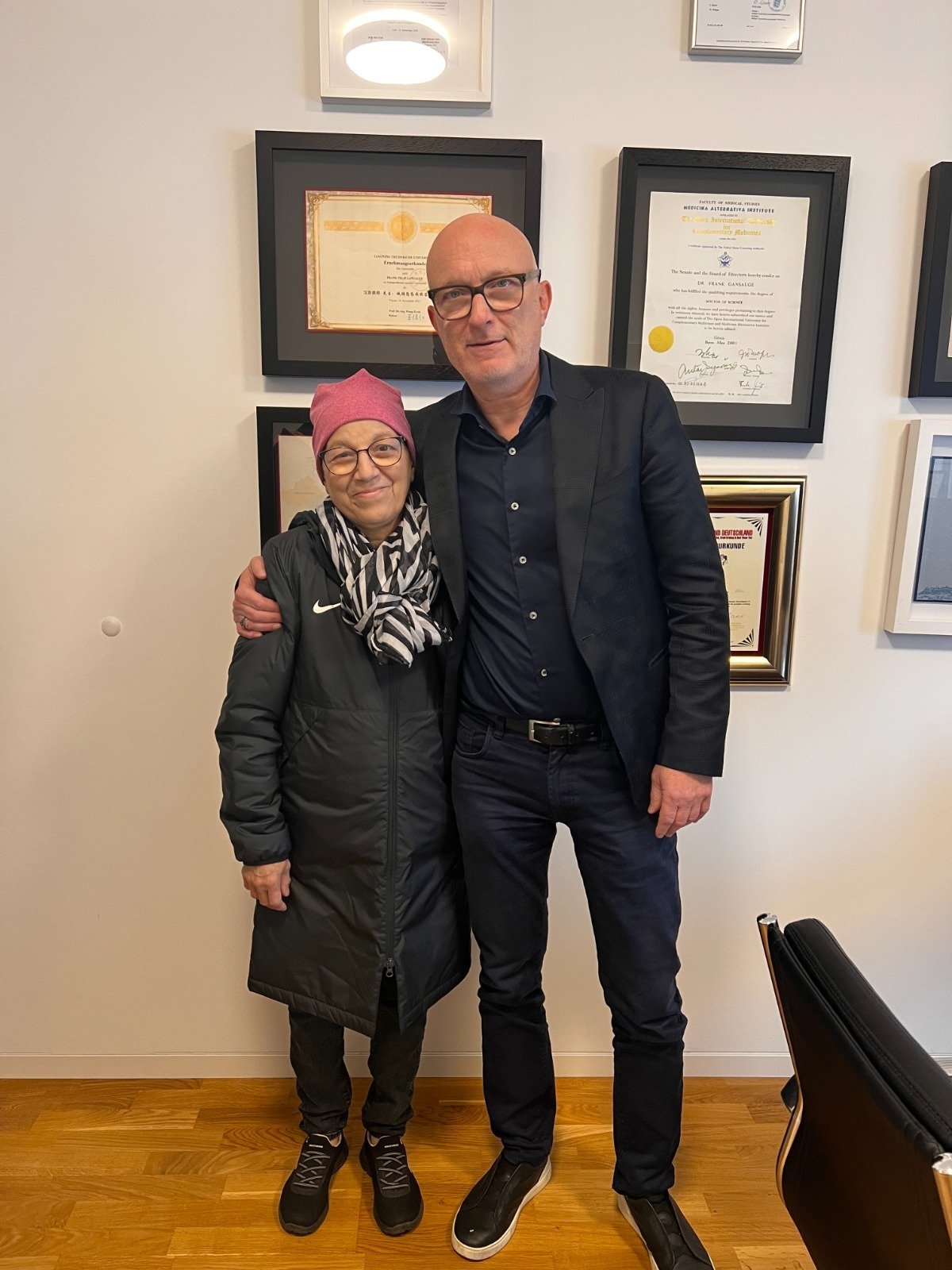
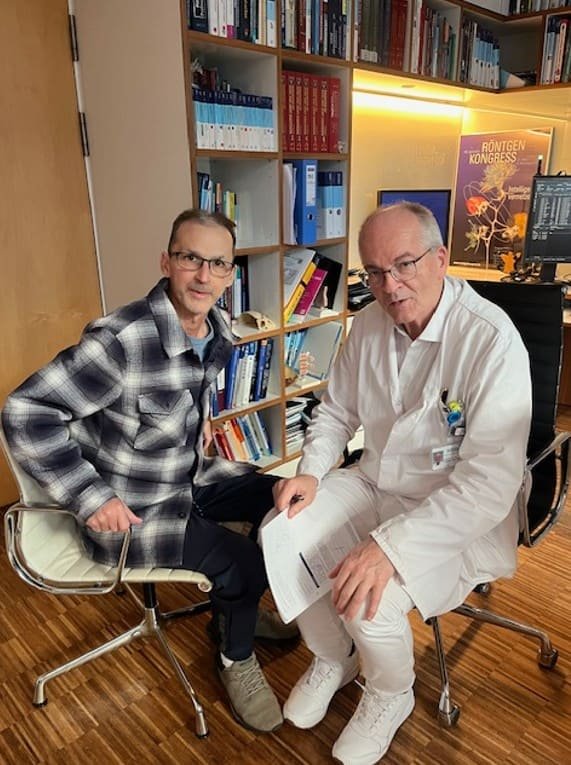
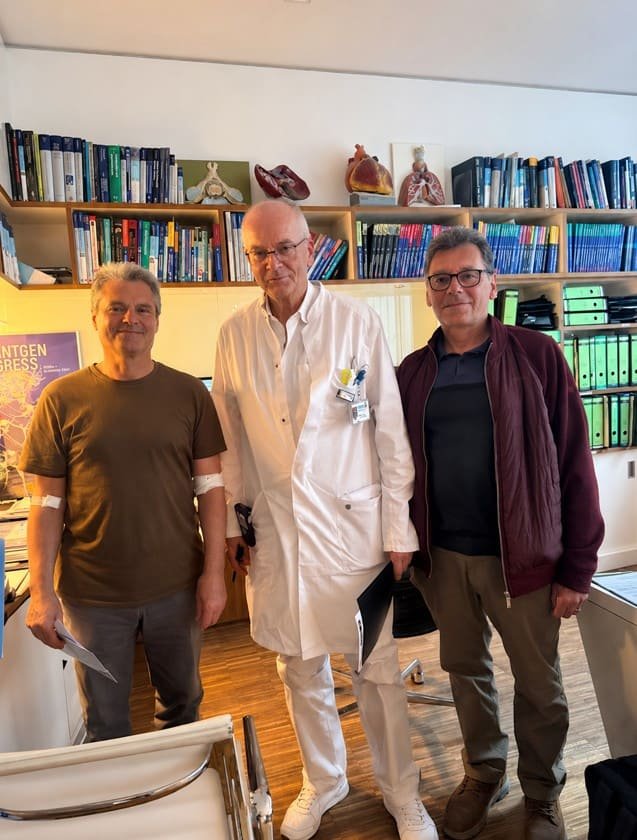
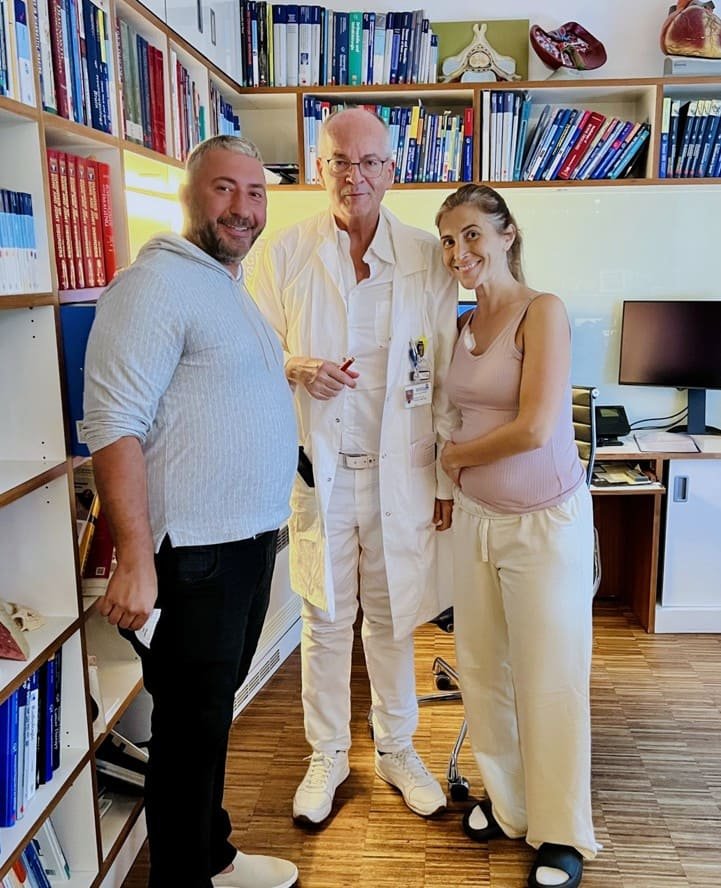
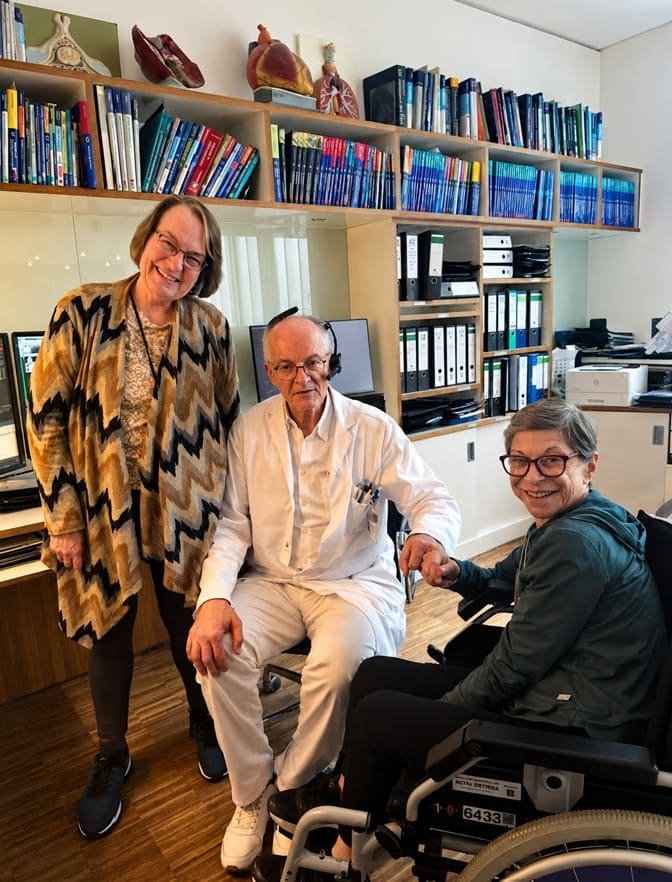
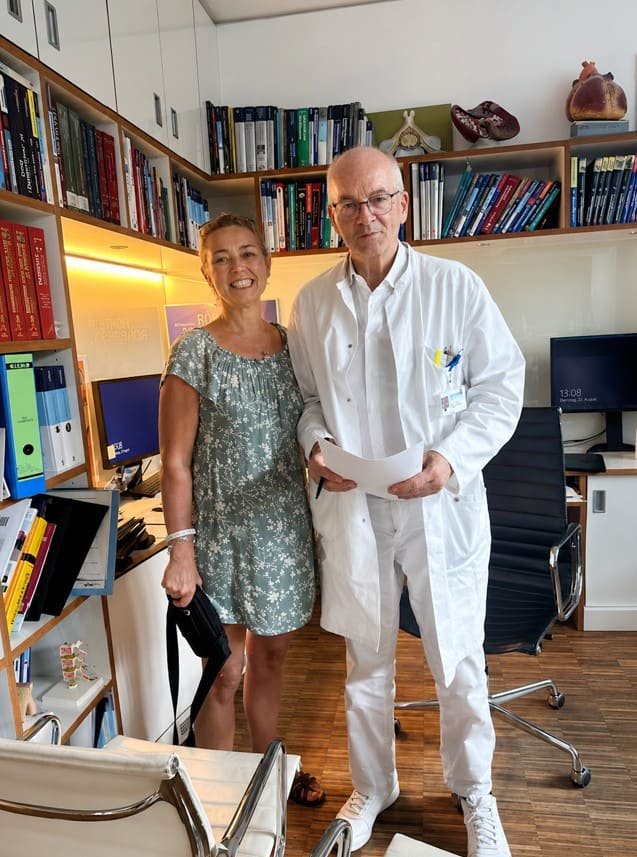
The cost of dendritic cell therapy in Germany is approximately €27,000 for total course, delivered by Prof. Gansauge at LDG Laboratories. TIG GmbH supports patients through every aspect of this process, from understanding the therapy and its evidence base to coordinating the laboratory schedule, travel logistics, and the multi-week commitment involved in completing the full treatment course.
Brain Cancer Treatment Cost in Germany
Brain cancer treatment cost in Germany varies depending on the treatment modality, the institution, and the patient's individual clinical needs. For patients considering dendritic cell therapy as part of their advanced stage 4 brain cancer treatment in Germany. This covers the full laboratory processing, personalized vaccine preparation, and administration sessions required to complete the total treatment course.
Costs for other treatment modalities such as immunotherapy, radiosurgery, and surgical procedures depend on the specific protocol, number of sessions, and the institution involved. TIG GmbH provides patients with a detailed, personalized cost breakdown before any commitment to travel or treatment is made for stage 4 brain cancer treatment in Germany.
Who Is Eligible for Immunotherapy or Dendritic Cell Therapy?
Eligibility for each treatment type is assessed individually by glioblastoma specialists in Germany through multidisciplinary tumor board review and is typically determined individually through multidisciplinary neuro-oncology evaluation.
General eligibility criteria include:
Immunotherapy Eligibility
Histologically confirmed grade 4 glioblastoma including glioblastoma or astrocytoma grade 4, particularly in recurrent or progressive disease settings.
Adequate performance status (KPS 60 or above is generally preferred).
Molecular profiling completed, including MGMT, IDH, and PD-L1 status where relevant IDH mutation status, and other biomarkers where clinically relevant [11].
No active severe autoimmune condition or ongoing high-dose corticosteroid therapy.
Prior standard treatment with the Stupp protocol or equivalent.
Dendritic Cell Therapy Eligibility
Confirmed diagnosis of WHO grade 4 brain cancer or stage 4 glioblastoma.
Adequate circulating immune cell counts for collection and laboratory processing.
No active autoimmune disease or ongoing immunosuppressive treatment beyond standard dexamethasone.
Willingness to commit to a multi-week protocol involving multiple infusion sessions.
Best results seen when combined with other modalities such as checkpoint inhibitors remain under active clinical investigation [7].
Limitations and Important Considerations
Patients and families should approach treatment decisions for stage 4 brain cancer with realistic expectations and a clear understanding of the current evidence base. The following points are important to consider:
Is brain cancer curable? For grade 4 glioblastoma, cure is not currently achievable with any available therapy. The goal of treatment is to extend survival, preserve neurological function, and maintain quality of life for as long as possible.
Glioblastoma survival statistics reflect population averages. Individual outcomes can vary substantially based on tumor molecular profile, patient age, functional status, extent of resection, and treatment response.
Malignant brain tumour prognosis at grade 4 is guarded, and no single therapy has yet demonstrated a capacity to cure this disease. Combination approaches and access to clinical trials offer the best current prospects for improved outcomes [9].
Dendritic cell therapy remains an area of active clinical investigation. While meta-analytic data support a survival benefit, [10] patients should be fully informed of the evidence base and understand that response rates vary.
Cross-border care for international patient brain cancer treatment Germany involves logistical, financial, and emotional complexity. TIG GmbH exists to reduce these burdens and ensure patients can focus entirely on their treatment and recovery.
Why Germany Stands Out for Brain Cancer Treatment
For patients with stage 4 glioblastoma or other high-grade brain tumors Germany is internationally recognized for its advanced neuro-oncology infrastructure, multidisciplinary treatment programs, and participation in glioblastoma clinical research.
Key strengths include:
Dedicated neuro-oncology tumor boards ensuring individualized treatment planning at every major academic center
Comprehensive molecular profiling including IDH, MGMT, EGFR, and TERT status for truly personalized brain cancer treatment Germany
Advanced surgical techniques including fluorescence-guided surgery and intraoperative MRI for brain tumor surgery in Germany
Gamma knife treatment in Germany and cyberknife brain tumor treatment Germany for radiosurgical management of residual or recurrent disease
Active glioblastoma clinical trials Germany giving patients access to investigational therapies not available elsewhere
Specialized recurrent glioblastoma treatment Germany programs combining immunotherapy, dendritic cell vaccination, and radiosurgery
Germany also maintains a clear and accessible pathway for international patients to obtain medical visas for cancer treatment. TIG GmbH routinely supports international patient brain cancer treatment Germany journeys, handling visa documentation, hospital invitation letters, travel, and interpreter services from start to finish.
Leading Brain Cancer Hospitals in Germany
The following institutions represent some of the most recognized brain cancer hospitals in Germany and neuro oncology centers in Germany for international patients seeking advanced stage 4 brain cancer treatment in Germany:

Each of these institutions has dedicated glioblastoma specialists working within structured neuro-oncology programs. TIG GmbH has established working relationships with departments at these centers and can help patient’s secure second opinions, schedule consultations, and coordinate every aspect of their treatment journey.
How TIG GmbH Supports International Brain Cancer Patients
A diagnosis of stage 4 brain cancer requires urgent, expert action. TIG GmbH connects international patients with Germany's leading neuro-oncologists and brain tumor treatment centers, handling every aspect of the medical journey so patients and families can focus entirely on care.
Medical record review: MRI scans, histology reports, and molecular profiling results are forwarded to the appropriate glioblastoma specialists in Germany for a pre-consultation opinion
Hospital and specialist matching: We identify the most suitable center based on your diagnosis, molecular profile, and treatment history, whether you require immunotherapy for glioblastoma in Germany, dendritic cell therapy, radiosurgery, or a combination approach
Medical visa assistance: Full support for obtaining a medical visa, including hospital invitation letters and all required documentation
Travel coordination: All logistics handled through team TIG GmbH
Interpreter services: Medically trained interpreters arranged for clear communication with your German care team
Post-treatment follow-up: Coordination with your home physicians for seamless continuity of care after returning home
Whether you are exploring personalized brain cancer treatment Germany for the first time, seeking access to glioblastoma clinical trials Germany, or ready to begin care at one of the best hospitals in Germany for glioblastoma, TIG GmbH is your trusted partner. Reach out today to begin your consultation.
References
Read more
Glioblastoma Treatment in Germany – Dendritic Cell Therapy for WHO Grade 4 Brain Tumor
Glioblastoma Treatment Options in Germany
Glioblastoma Treatment with Dendritic Cells in Germany
Dendritic Cell Therapy for Stage 4 Brain Cancer (Glioblastoma) in Germany
What Is the Life Expectancy of a Glioblastoma Grade 4?
Treatment for Glioblastoma – Full Guide: New and Standard Treatment
Why Patients Worldwide Prefer Our Medical Services in Germany – Key Benefits Explained
























.webp)
 (1).webp)
.webp)
.jpg)
 (1).webp)
.jpg)