
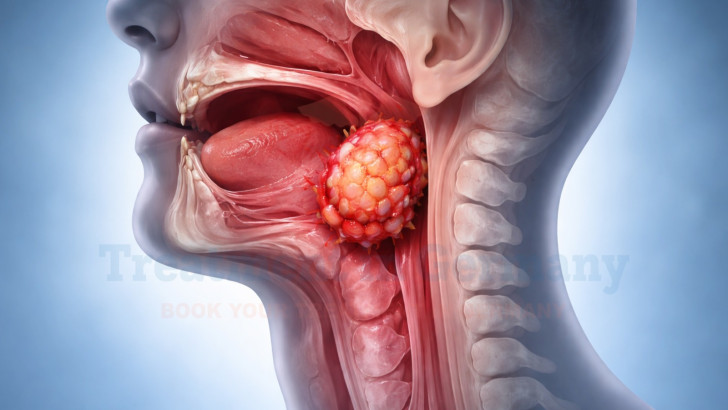
Oropharyngeal cancer treatment in Germany including dendritic cell therapy, advanced diagnostics, and coordinated treatment for international patients through Treatment in Germany (TIG).
Oropharyngeal Cancer Treatment: New Therapies and Modern Treatment Strategies
Oropharyngeal cancer develops in the middle part of the throat, which includes the base of the tongue, tonsils, soft palate, and pharyngeal walls. This region plays an essential role in breathing, swallowing, and speech, making functional preservation a key consideration in treatment planning. In recent years, human papillomavirus infection has become a major contributing factor, alongside traditional risks such as tobacco and alcohol use. Because early symptoms may resemble common throat infections, diagnosis can sometimes be delayed. Timely evaluation and structured staging are therefore critical for effective management.
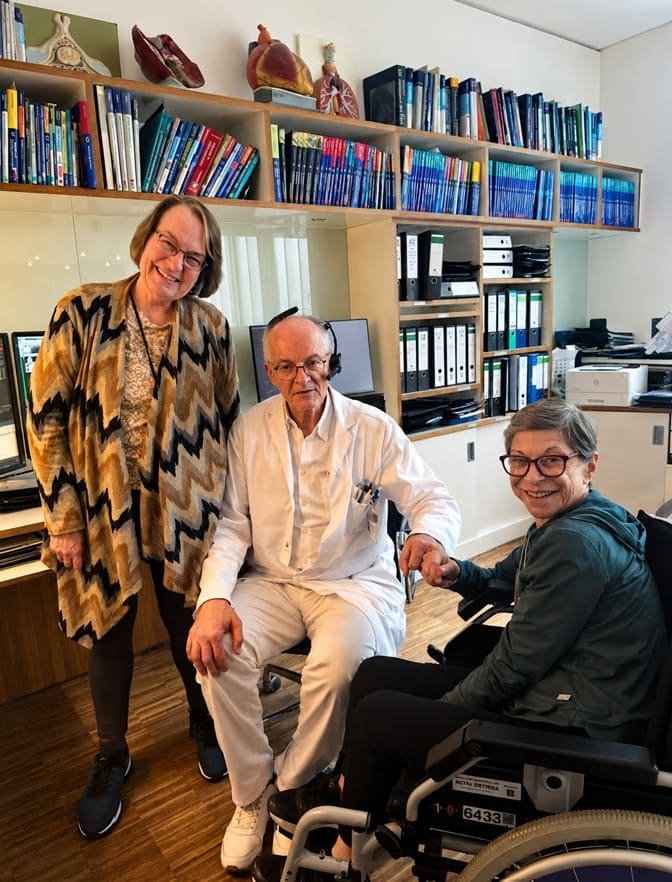
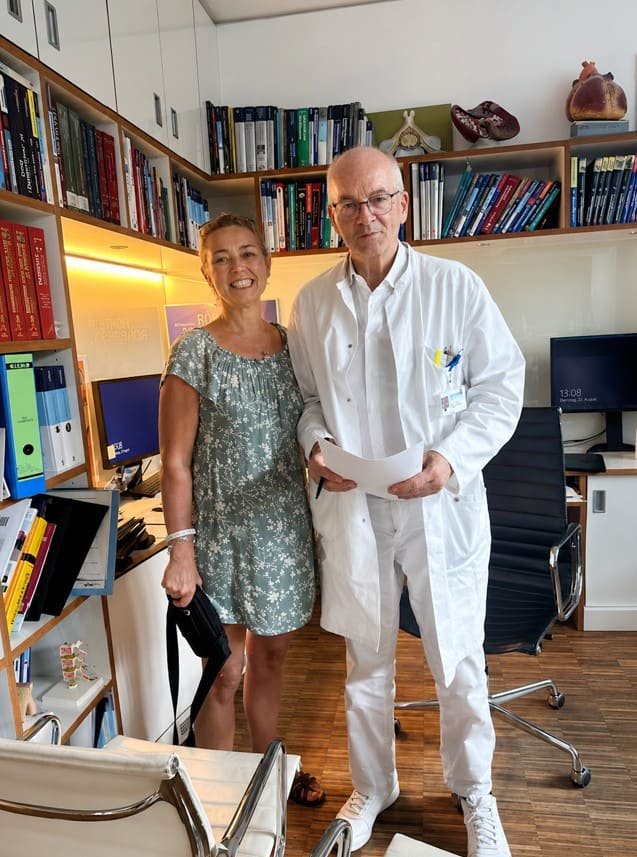
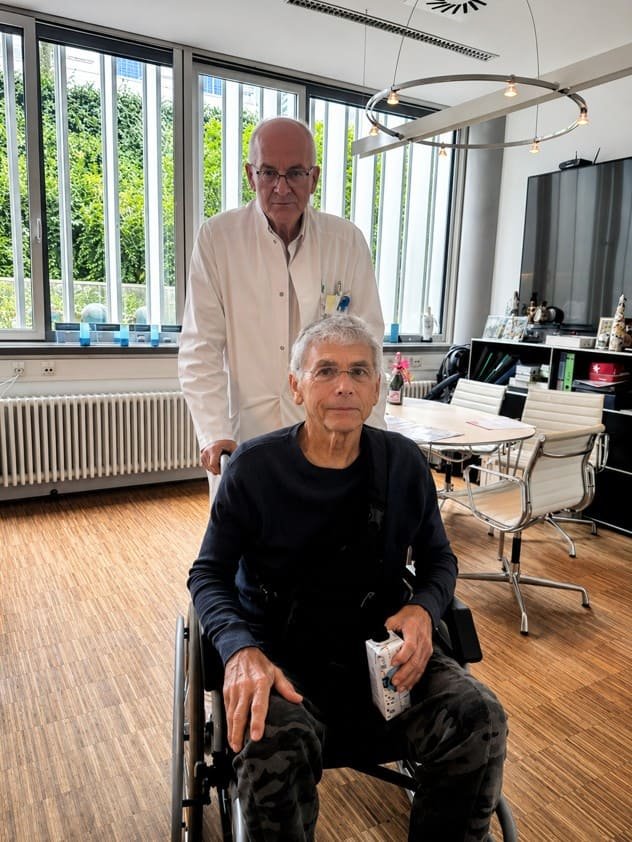
Germany has become a preferred destination for patients seeking new and innovative treatment options for oropharyngeal cancer, especially in advanced or recurrent cases. Treatment planning takes place within specialized German healthcare centers and experienced German oncology centers, where multidisciplinary tumor boards evaluate imaging, pathology, and clinical findings before recommending therapy. Immune-based strategies such as dendritic cell therapy are associated with the clinical expertise of Prof. Gansauge, known for his focused work in advanced cellular immunotherapy. Many international patients travel to Germany for coordinated treatment pathways and access to latest medical technology in Germany.
What Is Oropharyngeal Cancer?

Oropharyngeal cancer most commonly arises from squamous cells lining the throat. It can develop in the tonsils, base of the tongue, or soft palate. The disease may remain localized in early stages or spread to nearby lymph nodes in the neck.
HPV-positive tumors often have different biological behavior compared to tobacco-related cancers. Accurate subtype identification and staging are essential to guide therapy decisions. Early diagnosis increases the likelihood of organ preservation and improved outcomes.
Symptoms of Oropharyngeal Cancer

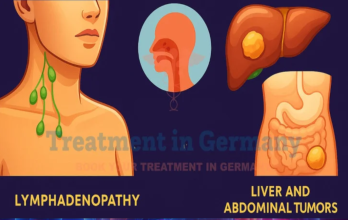
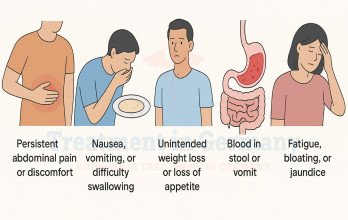
Common symptoms of oropharyngeal cancer include a persistent sore throat that does not resolve with routine medication, difficulty swallowing, hoarseness, or a constant sensation of a lump in the throat. Some patients may notice pain radiating toward the ear due to shared nerve pathways. Swelling in the neck caused by enlarged lymph nodes can sometimes be the first visible sign of disease. Minor bleeding from the throat or changes in speech clarity may also occur. Because these symptoms can resemble common infections, they are occasionally overlooked in the early stages.
As the disease progresses, more pronounced symptoms may develop, including significant swallowing difficulty, persistent throat pain, unexplained weight loss, or breathing discomfort. Changes in voice tone or clarity can become more evident as tumor size increases. In advanced cases, airway obstruction may require urgent medical attention. Any symptom persisting for more than two weeks should prompt structured evaluation. Early medical assessment supports accurate staging and more effective treatment planning.
Advanced Diagnostics for Oropharyngeal Cancer in Germany
Precise staging determines treatment intensity and sequencing. In Germany, advanced diagnostics include endoscopic examination with biopsy, followed by imaging such as CT scans, MRI, and PET scans to assess tumor size, lymph node involvement, and distant spread.
These imaging techniques are supported by latest medical technology in Germany, ensuring accurate visualization of the oropharyngeal region. HPV testing and molecular profiling may influence therapeutic strategy. Findings are reviewed collectively within multidisciplinary tumor boards at German oncology centers, ensuring coordinated care.
Immunotherapy: Dendritic Cell Therapy for Oropharyngeal Cancer in Germany

Immunotherapy represents a developing component of modern head and neck cancer management. The dendritic cell vaccine approach is designed to stimulate the immune system to recognize tumor-associated antigens present on oropharyngeal cancer cells. Because certain tumors may suppress immune detection, immune-based strategies aim to enhance systemic immune surveillance and complement established treatments.
The therapy begins with the collection of immune cells (monocytes) from the patient’s blood under medical supervision. These monocytes are isolated in a controlled clinical environment to preserve viability and biological function. Strict sterile handling protocols ensure optimal cell quality before laboratory processing. Continuous monitoring during collection supports patient safety and stability.
Collected cells are transferred to an EU GMP certified laboratory, where they are cultured under highly regulated conditions. In this environment, the monocytes are exposed to tumor-associated antigens derived from oropharyngeal cancer tissue. This controlled exposure promotes maturation into active dendritic cells capable of presenting cancer markers to T-cells. Comprehensive sterility, purity, and viability testing is conducted before administration.
Once prepared, the cells are reintroduced into the patient as a personalized dendritic cell vaccine. This therapy is integrated alongside surgery, radiation therapy, or systemic treatment rather than replacing them. Continuous monitoring evaluates immune response and overall tolerance. The cost of Dendritic Cell Therapy in Germany is €27,000, covering immune cell collection, laboratory processing, preparation, and administration.
Combining Modern Treatment Strategies in Germany
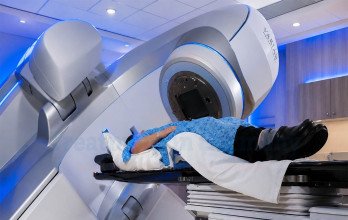
Oropharyngeal cancer treatment often involves surgery, radiation therapy, chemotherapy, or combined modalities depending on stage and tumor characteristics. Early-stage disease may allow organ-preserving approaches that maintain speech and swallowing function. Immune-based therapy may be evaluated in selected advanced or recurrent cases as part of a comprehensive management plan. Multidisciplinary coordination within German healthcare centers ensures balanced decision-making between oncologic control and functional preservation. Continuous imaging reassessment supports adaptive therapy planning.
New Clinical Trials for Oropharyngeal Cancer in Germany
Patients with advanced or treatment-resistant disease may be evaluated for participation in new clinical trials for Oropharyngeal Cancer. These research programs investigate emerging immunotherapies and targeted strategies under strict ethical oversight. Clinical research standards align with international frameworks referenced by the Canadian Cancer Society, emphasizing patient safety and scientific transparency. Eligibility requires structured evaluation within accredited German Oncology centers. Participation provides access to evolving treatment approaches under regulated conditions.
Limitations and Considerations for Oropharyngeal Cancer Treatment
Not all patients are suitable candidates for immune-based therapies, and careful evaluation is required before initiating advanced treatment. Eligibility depends on tumor stage, lymph node involvement, immune competence, and overall clinical stability. In early-stage oropharyngeal cancer, surgery or radiation therapy alone may provide effective disease control without the need for additional immunotherapy. Decisions are made within multidisciplinary tumor boards at specialized German Healthcare centers, where each case is reviewed in detail. This structured assessment ensures that innovative immune-based strategies are recommended only when clinically appropriate.
Continuous monitoring remains a central component of treatment planning and follow-up treatment. Imaging modalities such as CT scans, MRI, and PET scans are used to evaluate tumor response, detect residual disease, and identify recurrence at an early stage. Regular clinical examination and functional assessment are equally important to preserve speech, swallowing, and airway stability. Management focuses on sustained disease control while maintaining quality of life. Treatment strategies are individualized within accredited German Oncology centers, ensuring balanced decision-making between oncologic precision and functional preservation.

International Patient Support through Treatment in Germany
Access to advanced management for Oropharyngeal cancer involves more than clinical decision-making; it requires careful logistical coordination, especially for international patients seeking specialized therapies such as Immunotherapy Dendritic cell therapy. Through Treatment in Germany (TIG), medical documentation is reviewed in advance to facilitate appropriate specialist referral and structured treatment planning within experienced oncology centers. This preliminary evaluation by the treating physician helps align the patient’s clinical condition with available therapeutic options before travel arrangements are finalized.
Treatment in Germany (TIG) at www.treatmentingermany.de provides comprehensive logistical assistance, including hospital coordination, appointment scheduling, travel planning, and medical visa support when required. By organizing these administrative components in advance, patients can focus on clinical evaluation and multidisciplinary consultation upon arrival. Individuals considering advanced and Innovative treatment approaches may get a free consultation with TIG (Treatment in Germany) to receive structured guidance and coordinated access to specialized cancer programs in Germany.
Why Patients Worldwide Prefer Our Medical Services in Germany – Key Benefits Explained:



























.webp)
 (1).webp)
.webp)
.jpg)
 (1).webp)
.jpg)