
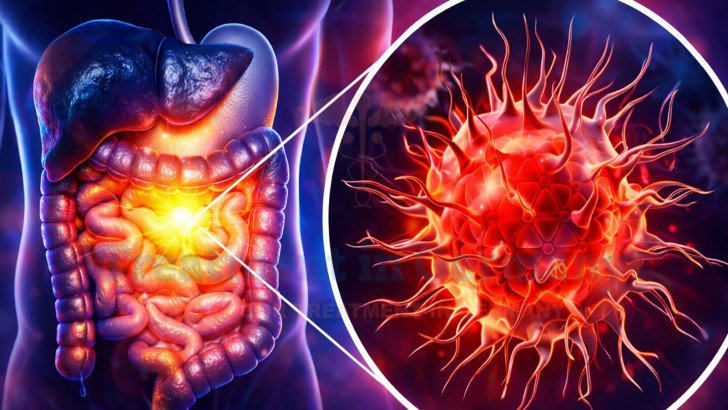
Stage 4 colon cancer life expectancy varies widely. Learn how disease spread, advanced treatments, and specialized care in Germany influence outcomes for international patients seeking treatment options.
How Long Can a Stage 4 Colon Cancer Live?
When patients and families ask how long can a stage 4 colon cancer live? they are seeking realistic information about a complex and advanced disease. Stage 4 colon cancer refers to colon cancer that has spread beyond the colon to distant organs such as the liver, lungs, lymph nodes, or other tissues. At this stage, the disease is considered metastatic and requires systemic and carefully coordinated treatment.Doctors explain that how long can a stage 4 colon cancer live cannot be answered with a single number. Life expectancy varies widely depending on factors such as the extent of spread, tumor biology, response to treatment, overall health, and how the disease behaves over time. Because of this variability, specialists focus on personalized care and disease management rather than fixed predictions.
What Stage 4 Colon Cancer Means Medically
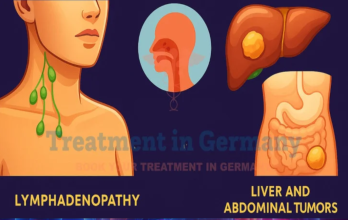
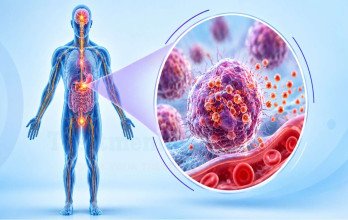
Stage 4 colon cancer is diagnosed when cancer cells travel from the original tumor in the colon to distant parts of the body. This spread occurs through the bloodstream or lymphatic system. Once cancer reaches other organs, treatment goals shift from localized tumor removal to controlling disease activity throughout the body.
This advanced stage does not mean that treatment stops. Instead, it means treatment becomes more complex and must address both the primary tumor and metastatic sites. Understanding this helps explain why how long can a stage 4 colon cancer live depends on multiple medical and patient-specific factors.
Why Life Expectancy in Stage 4 Colon Cancer Differs Between Patients
The life expectancy in stage 4 colon cancer differs because no two patients have the same disease pattern. Some patients have limited metastatic spread, while others have multiple organs involved. Tumor aggressiveness, genetic characteristics, and sensitivity to treatment all influence how the disease progresses.
Patient-related factors such as age, immune system function, nutritional status, and tolerance to therapy also affect outcomes. For these reasons, doctors avoid making generalized statements and instead monitor each patient’s response to treatment over time.
Diagnostic Standards Used to Assess Stage 4 Colon Cancer
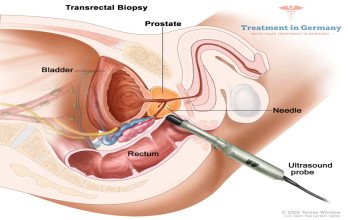
Diagnosis and staging of stage 4 colon cancer involve imaging studies such as CT scans, MRI, or PET scans, along with biopsy and laboratory tests. These evaluations help determine where the cancer has spread and how active it is.
Healthcare systems offering cancer treatment in Germany follow structured diagnostic protocols aligned with international frameworks referenced by the American Cancer Society. Accurate diagnosis is essential before discussing treatment strategies or prognosis.
Why International Patients Consider Treatment in Germany for Stage 4 Colon Cancer
Germany is internationally recognized for its advanced oncology infrastructure, strict medical regulations, and multidisciplinary cancer care. Patients seeking treatment in Germany benefit from comprehensive diagnostics, transparent treatment planning, and access to specialized interventional and immune-based therapies.
Many international patients travel for cancer treatment in Germany to receive treatment from specialists regarded among the best oncologist in Germany, particularly in gastrointestinal oncology and interventional cancer therapies. This coordinated approach supports individualized treatment decisions for advanced disease.
Treatment Goals after Diagnosis of Stage 4 Colon Cancer
Once stage 4 colon cancer in Germany is diagnosed, treatment goals focus on controlling tumor growth, managing symptoms, supporting immune response, and maintaining quality of life. Surgery, systemic therapy, and localized interventions may all be part of care depending on disease spread and patient condition. In advanced cases, therapies such as TACE Treatment in Germany and Immunotherapy Dendritic Cell Therapy in Germany is considered as part of a personalized treatment plan.
TACE Treatment for Stage 4 Colon Cancer in Germany
TACE Treatment for Stage 4 Colon cancer in Germany, also referred to as Transarterial Chemoembolization, is an interventional oncology procedure designed to deliver chemotherapy directly to tumors through the blood vessels supplying them. This approach is particularly relevant in stage 4 colon cancer when metastases involve organs such as the liver.
The goal of TACE Treatment in Germany is to concentrate chemotherapy at the tumor site while reducing exposure to the rest of the body. By limiting blood flow to the tumor and delivering medication directly, this treatment may help control tumor activity in selected patients.
The procedure begins with detailed imaging to map tumor location and blood supply. A catheter is guided through blood vessels to reach the tumor area, where chemotherapy is delivered, followed by materials that reduce blood flow to the tumor. In Germany, TACE Treatment is performed by Prof. Vogl in Frankfurt, Germany, an experienced interventional oncologist. The cost of TACE Treatment in Germany typically ranges from €8,000 to €9,000 per session, depending on tumor complexity and treatment planning.
Immunotherapy Dendritic Cell Therapy for Stage 4 Colon Cancer in Germany
Immunotherapy Dendritic Cell Therapy for stage 4 colon cancer in Germany is a personalized immune-based approach that focuses on enhancing the body’s ability to recognize and respond to cancer cells. Rather than directly attacking tumors, this therapy trains the immune system to identify cancer-specific markers.
The process begins with blood collection from the patient. immune cells (monocytes) are isolated and processed in an EU GMP certified laboratory, where they are transformed into dendritic cells. These cells are exposed to tumor-related antigens so they can recognize cancer cells more effectively.
Once administered back into the patient, these cells function as a personalized dendritic cell vaccine, guiding immune response against cancer cells throughout the body. In stage 4 colon cancer, this immune support may help improve disease control depending on individual immune response.
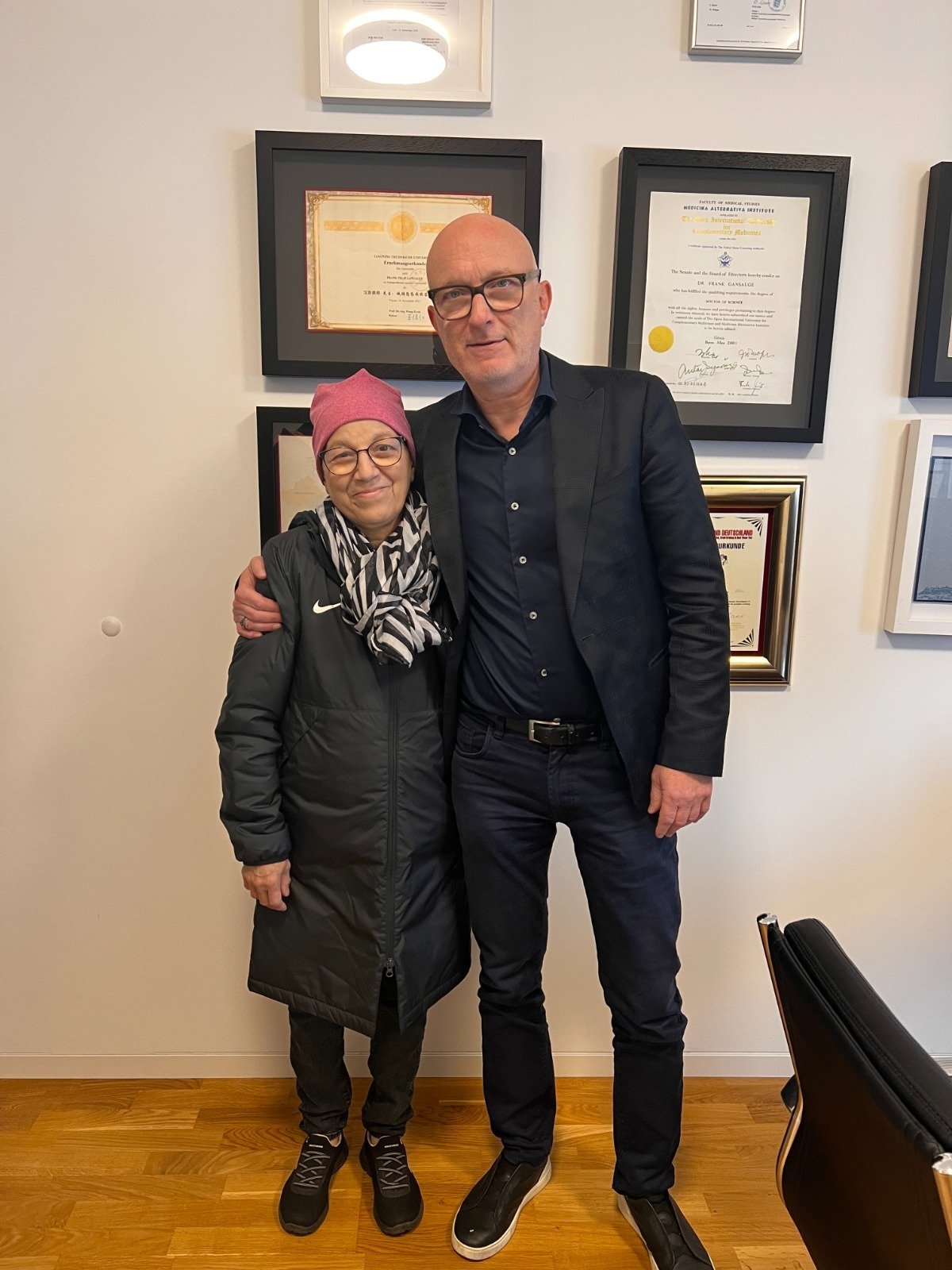
In Germany, Immunotherapy Dendritic Cell Therapy in Germany is performed by Prof. Gansauge in Berg, Germany, a specialist in cell-based immunotherapy. The cost of Dendritic Cell Therapy in Germany is €24,000, which includes laboratory processing and vaccine preparation.
How These Treatments May Influence How Long Can a Stage 4 Colon Cancer Live
When patients ask how long can a stage 4 colon cancer live, doctors explain that advanced treatments aim to slow disease progression, control tumor burden, and support overall health. The effectiveness of TACE Treatment in Germany and Immunotherapy Dendritic Cell Therapy in Germany depends on tumor characteristics, treatment timing, and patient response. Doctors monitor patients closely through imaging, blood tests, and clinical evaluation to assess treatment response and adjust care plans as needed.
Role of New Clinical Trials for Stage 4 Colon Cancer in Germany
Germany actively participates in oncology research and offers access to new clinical trials for stage 4 colon cancer. These trials explore innovative treatment strategies, including immune-based approaches and targeted therapies.
Eligibility for new clinical trials for stage 4 colon cancer depends on disease characteristics, prior treatments, and overall health, with careful evaluation before enrollment.
Support for International Patients Seeking Treatment in Germany
International patients contact TIG (Treatment in Germany) at www.treatmentingermany.de to start their journey. TIG (Treatment in Germany) provides end-to-end support, from coordination and complete logistic arrangements including consultations to managing travel, follow-up care and assistance with medical visa for international patients if required, ensuring a smooth process.
🌍Why Patients Worldwide Prefer Our Medical Services in Germany – Key Benefits Explained:


Frequently Asked Questions
How long can a stage 4 colon cancer live?
How long can a stage 4 colon cancer live depends on disease spread, treatment response, and patient health.
Is stage 4 colon cancer considered advanced?
Yes, stage 4 colon cancer is considered an advanced metastatic disease.
Why does life expectancy vary in stage 4 colon cancer?
It varies due to differences in tumor biology, spread, and response to treatment.
Is treatment in Germany suitable for stage 4 colon cancer?
Yes, treatment in Germany is widely sought for advanced cancer care.
Is dendritic cell therapy approved by FDA in Germany?
No, dendritic cell immunotherapy in Germany is not FDA-approved in the USA but adheres to strict EU-GMP standards, ensuring safety and quality for international patients.
What is TACE Treatment in Germany?
TACE Treatment in Germany delivers chemotherapy directly to tumor blood supply.
How does TACE Treatment help in stage 4 colon cancer?
It helps control tumor activity, particularly in liver metastases.
What is Immunotherapy Dendritic Cell Therapy in Germany?
It is an immune-based therapy that trains the immune system to recognize cancer cells.
How does a dendritic cell vaccine work?
A dendritic cell vaccine guides immune cells to identify cancer-specific markers.
What is the cost of Dendritic Cell Therapy in Germany?
The cost of Dendritic Cell Therapy in Germany is €24,000.
Are new clinical trials available for stage 4 colon cancer?
Yes, new clinical trials for stage 4 colon cancer are available in Germany.
Do German specialists have experience with colon cancer?
Many are regarded among the best oncologist in Germany.
How can international patients arrange treatment in Germany?
TIG, (Treatment in Germany) at www.treatmentingermany.de , assist international patients with complete logistical arrangements including a medical visa support if required.


























.webp)
 (1).webp)
.webp)
.jpg)
 (1).webp)

.jpg)