

Bowel cancer life expectancy and survival by stage explained with treatment options including chemotherapy, TACP and dendritic cell therapy with complete logistical support through TIG.
Is Bowel Cancer Curable? Survival Rates by Stage and Treatment options in Germany
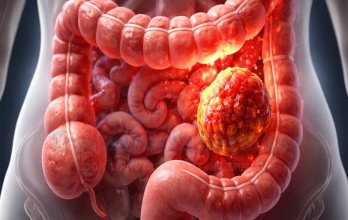
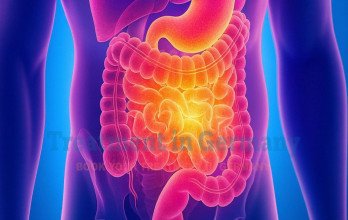
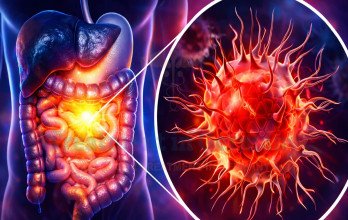
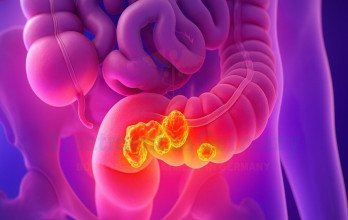
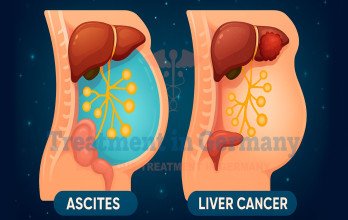
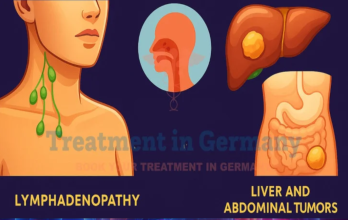
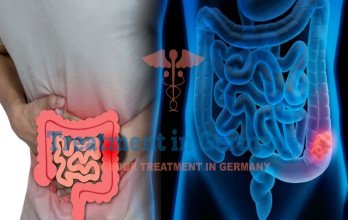
Bowel cancer, also known as colorectal cancer, develops when abnormal cells form in the lining of the colon or rectum and begin to grow uncontrollably. The bowel is an essential part of the digestive system, responsible for absorbing nutrients and removing waste from the body. When cancer develops in this region, it can interfere with normal digestive processes and may eventually spread to nearby lymph nodes or distant organs. Many patients begin searching for information about life expectancy and survival once they receive a diagnosis, but survival outcomes depend on several medical factors rather than a single statistic.
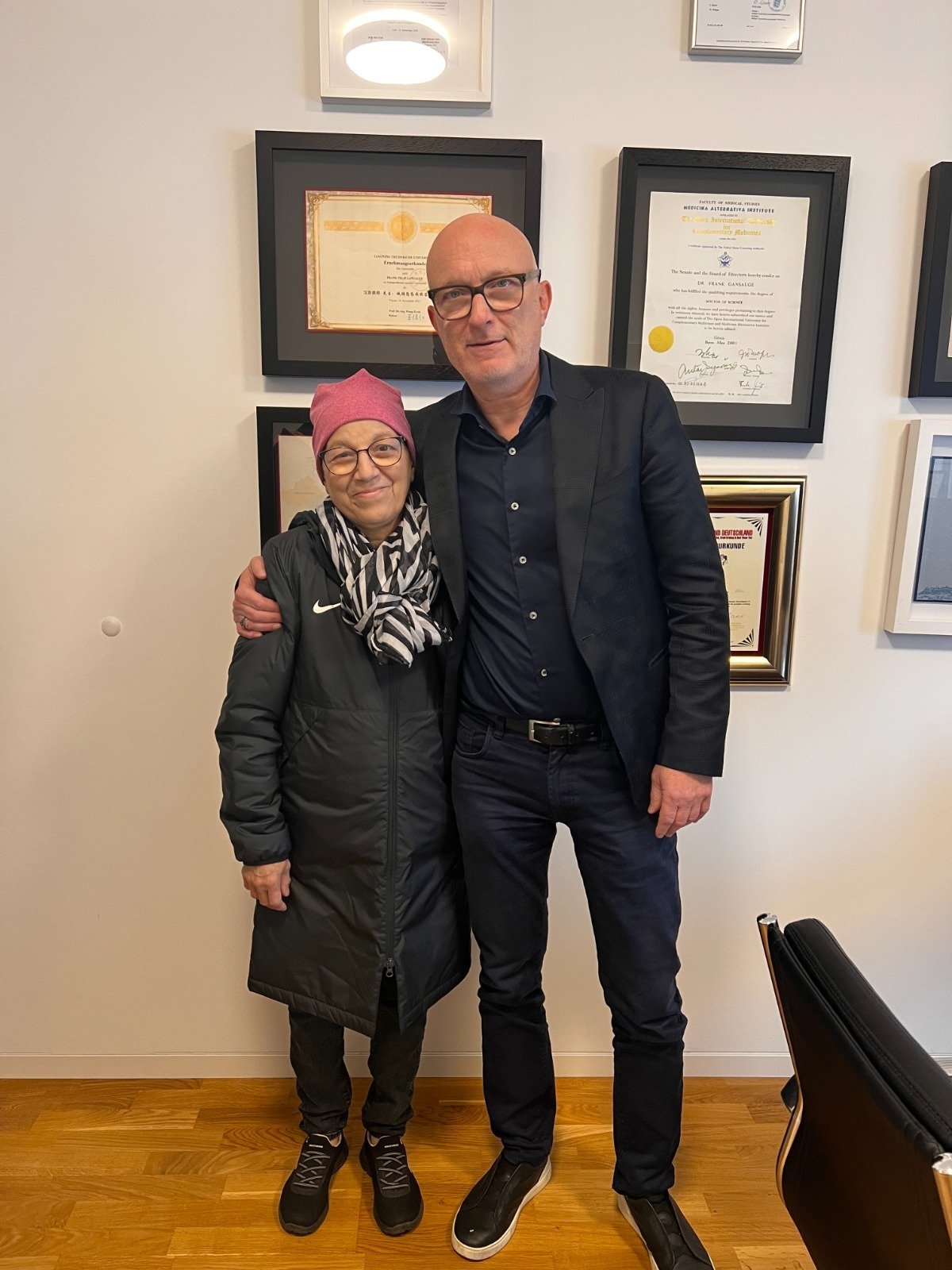
Germany has become a recognized destination for patients seeking new and innovative treatment options for bowel cancer. Treatment planning is conducted within specialized German healthcare centers and German oncology centers where each case is reviewed by experienced oncology teams. Interventional oncology procedures are associated with Prof. Vogl, known for advanced image-guided cancer therapies, while immune-based approaches such as dendritic cell therapy are linked to Prof. Gansauge, recognized for his work in cellular immunotherapy. Many international patients consult experienced German specialists because of access to the latest medical technology and coordinated programs offering affordable treatment in Germany for international patients.
Symptoms and Early Signs of Bowel Cancer
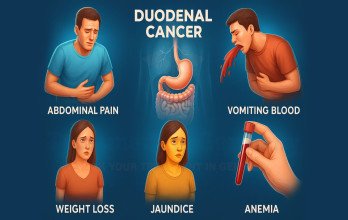
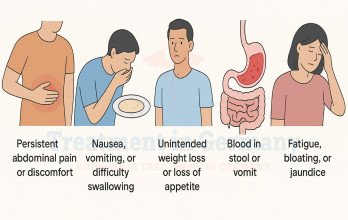
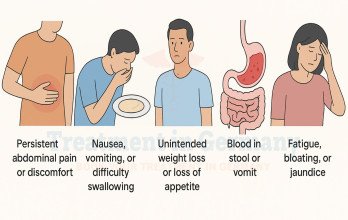
Recognizing the symptoms of bowel cancer is important because early detection may improve treatment planning and outcomes. In the early stages, symptoms may appear mild and are sometimes mistaken for common digestive problems. Patients may experience persistent abdominal discomfort, changes in bowel habits such as diarrhea or constipation, or blood in the stool.
Other symptoms may include unexplained fatigue, anemia caused by slow intestinal bleeding, and gradual weight loss. Some individuals may also notice persistent bloating or cramping that does not resolve with routine treatment. When these symptoms persist for several weeks, physicians recommend medical evaluation to determine whether further diagnostic testing is necessary.
Bowel Cancer Life Expectancy and Survival by Stage
When discussing survival in bowel cancer, doctors consider multiple medical factors rather than focusing on a single statistical value. Tumor stage at diagnosis, the extent of metastasis, and the patient’s overall health all influence survival outcomes. Early-stage tumors confined to the bowel lining generally have more treatment options and may respond well to surgery and chemotherapy.
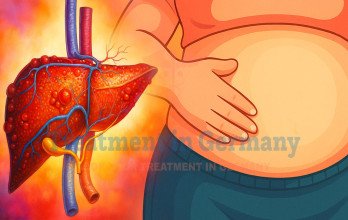
In more advanced stages, the tumor may spread to nearby lymph nodes or distant organs such as bowel cancer with liver metastases or lungs. At this stage treatment focuses on controlling disease progression and improving quality of life. Physicians often explain that survival outcomes vary widely between individuals because each tumor behaves differently and responds uniquely to therapy. Continuous monitoring and personalized treatment strategies are therefore essential in managing advanced bowel cancer.
Types of Bowel Cancer
Bowel cancer can develop from several different types of cells present in the intestinal lining and surrounding tissues. Identifying the tumor type helps physicians understand how the cancer behaves and which treatment strategies may be most appropriate. The most common form is Adenocarcinoma in Germany, which originates from glandular cells lining the colon or rectum and accounts for the majority of bowel cancer cases.
Another type is neuroendocrine tumors in Germany, which arise from hormone-producing cells in the digestive tract and may grow more slowly but can still spread to nearby organs. Bowel lymphoma in Germany develops from immune system cells located within intestinal tissue and is considered a rare form of bowel cancer that requires specialized treatment planning. Gastrointestinal stromal tumors (GIST) in Germany originate from connective tissue cells within the intestinal wall and may occur in different parts of the gastrointestinal tract.
Chemotherapy for Bowel Cancer in Germany

Chemotherapy for bowel cancer, is a systemic cancer treatment that uses anticancer drugs to destroy rapidly dividing tumor cells. In bowel cancer, chemotherapy may be recommended after surgery to reduce the risk of recurrence or when the disease has spread beyond the bowel. The medication circulates through the bloodstream and targets cancer cells throughout the body.
Treatment is usually delivered in cycles over several weeks or months depending on the chemotherapy regimen. Physicians monitor patients carefully to evaluate treatment response and manage side effects such as fatigue, nausea, or changes in blood counts. Chemotherapy may also be combined with other therapies depending on tumor characteristics and disease stage.
TACP Treatment for Bowel Cancer in Germany

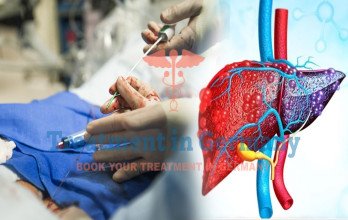
Transarterial Chemoperfusion (TACP) for bowel cancer, is an interventional oncology procedure designed to deliver chemotherapy directly to the blood vessels supplying tumor tissue. This technique is considered a form of Targeted chemoperfusion cancer therapy, where chemotherapy medication is infused into the circulation feeding the tumor. By delivering treatment directly to the tumor site, Treating specialist aim to increase local drug concentration while reducing exposure of the rest of the body to chemotherapy.
During the TACP procedure, a catheter is inserted through an artery in the groin and carefully guided toward the vessels supplying the tumor. The TACP procedure steps involve real-time imaging guidance to ensure accurate catheter placement before chemotherapy medication is infused into the targeted region. This controlled delivery allows the medication to reach cancer cells more effectively while maintaining blood flow to surrounding tissues.
Following treatment, physicians monitor patients for possible TACP therapy symptoms, which may include mild fatigue or temporary abdominal discomfort. The side effects of TACP treatment vary depending on individual patient factors and treatment intensity. Imaging reassessment using CT, MRI, and PET scans helps determine tumor response and whether additional sessions are required. The cost of TACP Treatment in Germany generally ranges between €8,000 and €9,000 per session.
Dendritic Cell Therapy for Bowel Cancer

Dendritic cell therapy for bowel cancer in Germany, is an immune-based treatment designed to strengthen the body’s ability to recognize and attack cancer cells. This therapy involves preparing a dendritic cell cancer vaccine using immune cells collected from the patient’s blood. These cells are processed and activated so they can present tumor antigens to the immune system.
The therapy begins with the collection of immune cells from the patient’s blood. These cells are processed in an EU GMP certified laboratory, where they are exposed to tumor antigens and developed into active dendritic cells. Once prepared, they are administered back to the patient as a personalized dendritic cell vaccine designed to stimulate immune responses against cancer cells.
Several dendritic cell therapy benefits include improved immune recognition of tumor cells and potential support for systemic cancer control. Physicians monitor patients for dendritic cell therapy side effects, which may include mild fever, fatigue, or temporary immune reactions. The dendritic cell therapy recovery time varies depending on the patient’s condition and treatment schedule. The cost of Dendritic Cell Therapy in Germany is €27,000.
Limitations and Considerations
Not all patients are suitable candidates for interventional or immune-based therapies. Eligibility depends on tumor stage, organ function, immune competence, and overall clinical stability. Some patients may require systemic therapy such as chemotherapy as the primary treatment approach.
Continuous monitoring using CT, MRI, and PET scans remains essential to evaluate treatment response and detect disease progression. Management focuses on stabilizing disease progression, controlling symptoms, and preserving quality of life rather than guaranteeing cure.

International Patient Support through Treatment in Germany (TIG)
Access to advanced management for bowel cancer in Germany involves more than clinical decision-making; it requires careful logistical coordination, especially for international patients seeking specialized therapies such as Immunotherapy Dendritic cell therapy and TACP Treatment and Chemotherapy. Through treatment in Germany (TIG), medical documentation is reviewed in advance to facilitate appropriate specialist referral and structured treatment planning within experienced oncology centers. This pre-evaluation by the treating physician helps align the patient’s clinical condition with available therapeutic options before travel arrangements are finalized.
Treatment in Germany (TIG) at www.treatmentingermany.de provides comprehensive logistical assistance, including hospital coordination, appointment scheduling, travel planning, and medical visa support when required. By organizing these administrative components in advance, patients can focus on clinical evaluation and multidisciplinary consultation upon arrival. Individuals considering advanced and innovative treatment approaches may get a free consultation with TIG (Treatment in Germany) to receive structured guidance and coordinated access to specialized cancer programs in Germany.
🌍Why Patients Worldwide Prefer Our Medical Services in Germany – Key Benefits Explained:



















.webp)
 (1).webp)
.webp)

.jpg)

 (1).webp)
.jpg)