

Small bowel cancer symptoms and treatment options including chemotherapy, TACP, and dendritic cell therapy in Germany with complete logistical support for international patients through TIG.
What Are the Signs and Symptoms of Small Bowel Cancer?
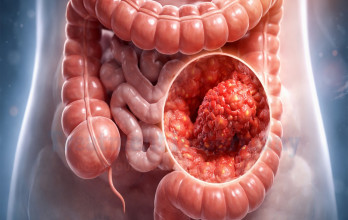
Small bowel cancer is a rare type of gastrointestinal cancer that develops in the small intestine, which plays an essential role in digestion and nutrient absorption. The small intestine connects the stomach to the large intestine and is responsible for breaking down food and absorbing nutrients into the bloodstream. When abnormal cells begin to grow uncontrollably in this region, they can form tumors that may eventually spread to nearby tissues or distant organs if not diagnosed early. Because the disease is uncommon, many patients begin researching its symptoms and treatment options once diagnostic tests suggest abnormalities.
Germany has become a recognized destination for patients seeking new and innovative treatment options for small bowel cancer in Germany. Treatment strategies are developed within specialized German healthcare centers and German Oncology centers where experienced oncology teams evaluate each patient individually. Interventional oncology procedures are associated with Prof. Vogl, known for advanced image-guided cancer therapies, while immune-based treatments such as dendritic cell therapy are linked to Prof. Gansauge, recognized for his expertise in cellular immunotherapy. Many international patients consult experienced German specialists because of access to the latest medical technology and structured programs offering affordable cancer treatment in Germany for international patients.
Understanding Small Bowel Cancer
Small bowel cancer develops when malignant cells form in the tissues of the small intestine. Several types of tumors may arise in this region, including adenocarcinoma, neuroendocrine tumors, and lymphoma. Although the small intestine is a long digestive organ, cancer in this area remains relatively rare compared with cancers of the colon or stomach.
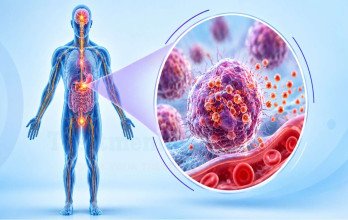
The biological behavior of small bowel cancer can vary depending on tumor type and stage at diagnosis. Some tumors grow slowly, while others may spread to nearby organs such as the liver or lymph nodes. Because early detection improves treatment planning, recognizing symptoms and undergoing proper diagnostic evaluation are essential steps.
Early Signs and Symptoms of Small Bowel Cancer

Recognizing the early warning signs of small bowel cancer can help prompt medical evaluation and diagnosis. However, symptoms in early stages are often subtle and may resemble common digestive disorders. Many patients initially notice abdominal discomfort, mild cramping, or unexplained fatigue.
Other symptoms may include nausea, changes in bowel habits, or a feeling of fullness after eating small meals. Some patients may also experience unexplained weight loss or anemia caused by slow intestinal bleeding. When these symptoms persist or worsen over time, physicians usually recommend imaging studies to investigate further.
Diagnosis and Imaging for Small Bowel Cancer
Accurate diagnosis is essential before treatment planning begins. Physicians usually start with a clinical evaluation, medical history review, and laboratory tests. Imaging techniques are then used to determine tumor location, size, and whether the cancer has spread.
Diagnostic imaging such as CT, MRI, and PET scans helps physicians visualize tumors within the small intestine and identify metastatic lesions. In Germany, diagnostic evaluation is supported by the latest medical technology, enabling specialists to obtain detailed imaging and precise staging information. The results are reviewed within multidisciplinary meetings at German Oncology center to determine the most appropriate treatment strategy.
Chemotherapy for Small Bowel Cancer
Chemotherapy is one of the most commonly used systemic treatments for metastatic small bowel cancer in Germany. It involves the use of anticancer medications that circulate through the bloodstream to destroy rapidly dividing cancer cells. In small bowel cancer, chemotherapy may be recommended when the tumor has spread beyond the intestine or when surgery alone is not sufficient.
The treatment is usually delivered in cycles over several weeks or months depending on the specific chemotherapy protocol. Physicians monitor patients closely to evaluate tumor response and manage side effects such as fatigue, nausea, or changes in blood counts.
Chemotherapy may also be combined with other treatments such as interventional procedures or immunotherapy depending on tumor characteristics. Within German healthcare centers, multidisciplinary oncology teams carefully evaluate each patient to determine the most appropriate chemotherapy strategy.
TACP Treatment for Small Bowel Cancer in Germany

Transarterial Chemoperfusion (TACP) for Small Bowel Cancer in Germany is an interventional oncology technique designed to deliver chemotherapy directly to the blood vessels that supply cancerous tissue. In advanced small bowel cancer, this approach may be considered when metastatic lesions require localized control while blocking exposure of the rest of the body to chemotherapy drugs. By concentrating treatment near the tumor site, physicians aim to slow tumor progression and improve local disease management. Among the important benefits of TACP therapy is its ability to provide targeted drug delivery while helping reduce systemic side effects compared with conventional chemotherapy.
The treatment is performed in a specialized interventional radiology suite using real-time imaging guidance. During the TACP procedure steps, a catheter is inserted through an artery in the groin and carefully guided toward the blood vessels that supply the tumor. Once the catheter reaches the targeted location, chemotherapy medication is infused directly into the tumor region while maintaining circulation to surrounding healthy tissues. This controlled delivery allows physicians to administer higher drug concentrations directly at the tumor site, which may improve TACP therapy effectiveness for selected metastatic lesions.
After the procedure, patients undergo structured monitoring to evaluate treatment response and overall tolerance. Imaging reassessment using CT, MRI, and PET scans helps determine whether the tumor has responded to treatment and whether additional sessions are necessary. Physicians also monitor patients for possible TACP therapy symptoms, which may include temporary fatigue, mild abdominal discomfort, or short-term nausea following the procedure. TACP may be integrated with systemic therapies such as chemotherapy or immunotherapy depending on tumor characteristics and disease distribution. The cost of TACP treatment in Germany generally ranges between €8,000 and €9,000 per session, depending on clinical complexity and procedural planning.
Dendritic Cell Therapy for Small Bowel Cancer in Germany

Dendritic cell therapy is a personalized immune-based treatment designed to strengthen the body’s immune response against cancer cells. Among modern immunotherapy treatment options, this therapy focuses on activating immune cells that recognize tumor antigens. Dendritic cells play an essential role in stimulating T-cells, making them a key component of immunotherapy for solid tumors.
The therapy begins with the collection of immune cells (monocytes) from the patient’s blood under medical supervision. These cells are isolated carefully in a controlled clinical environment to preserve their biological activity before laboratory processing.
The collected cells are transferred to an EU GMP certified laboratory, where they are cultured under strictly regulated conditions. During this process the monocytes are exposed to tumor-associated antigens derived from small bowel cancer cells. This exposure stimulates their development into active dendritic cells capable of presenting cancer markers to the immune system.
Once prepared, the cells are administered back to the patient as a personalized dendritic cell vaccine. The treatment may be integrated with systemic therapies depending on the recommendation of the treating physician. Continuous monitoring helps evaluate immune response and tolerance. Dendritic cell therapy remains investigational and is considered in highly selected patients within regulated clinical programs. The cost of Dendritic Cell Therapy in Germany is €27,000, covering immune cell collection, laboratory preparation, and administration.
Combining Different Treatments for Small Bowel Cancer
Managing small bowel cancer often requires a combination of therapies rather than relying on a single treatment method. Chemotherapy may help control cancer cells throughout the body, while interventional procedures such as TACP may target localized metastatic lesions. Immune-based therapies are increasingly evaluated as complementary strategies.
Within German healthcare centers, multidisciplinary teams collaborate to determine the most appropriate therapy combinations. This coordinated approach allows physicians to tailor treatment strategies according to disease characteristics and patient health.
New Clinical Trials for Small Bowel Cancer in Germany
Patients with advanced disease may be evaluated for new clinical trials for Advanced Small Bowel Cancer in Germany. These trials investigate emerging therapies including innovative immunotherapy strategies and targeted treatments designed to improve disease control.
Clinical research programs follow international standards referenced by the Canadian Cancer Society, ensuring patient safety and ethical oversight. Eligibility for clinical trials requires comprehensive medical evaluation within accredited oncology institutions.

Limitations and Considerations for Small Bowel Cancer Treatment
Not all patients are suitable candidates for interventional or immune-based therapies. Eligibility depends on tumor stage, organ function, immune competence, and overall clinical stability. In certain cases systemic therapy or supportive care may remain the most appropriate treatment approach.
Continuous monitoring using CT, MRI, and PET scans remains essential to evaluate treatment response and detect disease progression. Management focuses on stabilizing disease progression, controlling symptoms, and preserving quality of life rather than guaranteeing cure.
Why International Patients Choose Germany for Treatment
Access to advanced management for Small Bowel Cancer involves more than clinical decision-making; it requires careful logistical coordination, especially for international patients seeking specialized therapies such as Immunotherapy Dendritic cell therapy, TACP therapy and chemotherapy, through treatment in Germany (TIG), medical documentation is reviewed in advance to facilitate appropriate specialist referral and structured treatment planning within experienced oncology centers. This preliminary evaluation by the treating physician helps align the patient’s clinical condition with available therapeutic options before travel arrangements are finalized.
Treatment in Germany (TIG) at www.treatmentingermany.de provides comprehensive logistical assistance, including hospital coordination, appointment scheduling, travel planning, and medical visa support when required. By organizing these administrative components in advance, patients can focus on clinical evaluation and multidisciplinary consultation upon arrival. Individuals considering advanced and innovative treatment approaches may get a free consultation with TIG (Treatment in Germany) to receive structured guidance and coordinated access to specialized cancer programs in Germany.
🌍Why Patients Worldwide Prefer Our Medical Services in Germany – Key Benefits Explained:











.webp)
 (1).webp)
.webp)
.jpg)

 (1).webp)
.jpg)