
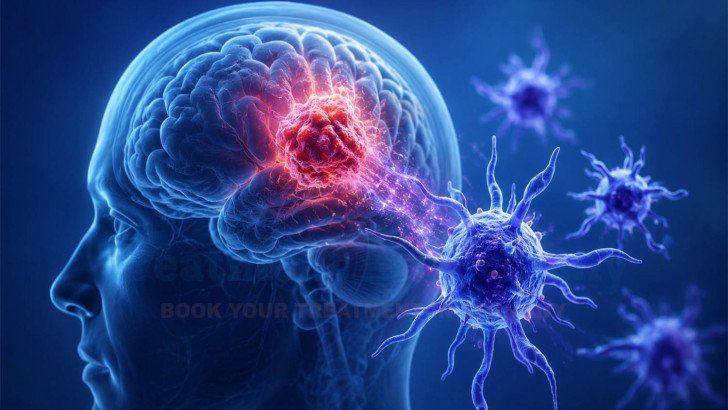
Glioblastoma is an aggressive WHO grade 4 brain tumor. Learn how dendritic cell therapy in Germany may complement standard treatment approaches for eligible patients.
Innovative Glioblastoma Treatment in Germany: Dendritic Cell Therapy for Cancer
Glioblastoma is the most aggressive primary brain tumor in adults and its standard treatment has changed little since the introduction of the Stupp protocol in 2005. That reality has pushed patients and clinicians toward newer approaches and dendritic cell therapy has emerged as one of the most studied. Germany, where neuro-oncology and immunotherapy are deeply established, has become a leading destination for advanced treatment options for glioblastoma.
With current standard treatment, median survival remains approximately 14 to 15 months and fewer than 10% of patients survive beyond five years [2] [7]. A phase 3 dendritic cell vaccine trial has suggested that adding immunotherapy to standard treatment may extend long-term survival [4].
For patients exploring innovative glioblastoma treatment in Germany, the first step is usually an expert review of MRI scans, pathology reports and previous treatments. TIG GmbH coordinates consultations with German glioblastoma specialists who assess eligibility for surgery, immunotherapy, dendritic cell therapy, clinical trials and other advanced treatment options before patients travel to Germany.
Understanding Glioblastoma: A WHO Grade 4 Brain Tumor
Glioblastoma multiforme, now classified simply as glioblastoma is a fast-growing tumor that arises from the brain's supportive glial cells. Because it infiltrates surrounding brain tissue, complete surgical removal is rarely possible. Under the current WHO classification system, it is classified as a WHO grade 4 glioblastoma, reflecting its highly aggressive biological behavior and infiltrative growth pattern [8].
 The 2021 World Health Organization classification defines glioblastoma as an IDH-wildtype tumor, meaning it lacks the more favorable IDH mutation seen in some other gliomas. Among glioblastoma grades, this places it at the most aggressive end of the spectrum. It is sometimes referred to as stage 4 glioblastoma or stage 4 malignant glioblastoma, although specialists generally use tumor grade rather than stage when describing brain tumors. As a WHO grade 4 tumor, glioblastoma represents the most aggressive form of adult diffuse glioma and accounts for a large proportion of malignant brain tumors in adults [8].
Glioblastoma rarely spreads outside the brain, but it does not need to. Its danger comes from relentless local growth in an organ with limited space to accommodate expansion. As the tumor grows, it can increase pressure inside the skull, damage vital brain regions and cause progressive neurological decline. These effects help explain how glioblastoma becomes life-threatening as the disease progresses [9].
What Are the Symptoms and How Is Glioblastoma Diagnosed?
Glioblastoma symptoms depend on the tumor's size and location and they often appear suddenly. Early glioblastoma symptoms can be subtle and easy to mistake for other conditions, which delays diagnosis. The most common symptoms include:
- Persistent or worsening headaches, often worse in the morning.
- Seizures, sometimes the first sign in a previously healthy adult.
- Nausea and vomiting from raised pressure inside the skull.
- Problems with vision, speech or memory.
- Personality or behavior changes, weakness or confusion.
Because these signs overlap with many conditions, imaging is the first step toward a diagnosis. MRI with contrast usually reveals the tumor, but glioblastoma diagnosis but definitive diagnosis requires histopathological and molecular analysis of tumor tissue obtained through biopsy or surgical resection [8]. Tissue analysis establishes the grade and the molecular profile, which now guide treatment as much as the appearance of the tumor itself.
The pattern of onset offers clues. A first-ever seizure in a healthy adult or a headache that steadily worsens over weeks rather than coming and going, prompts urgent imaging. Glioblastoma can also cause focal deficits, meaning problems tied to the tumor's exact location, such as weakness on one side or difficulty finding words. Once treatment begins, follow-up scans are read carefully, since swelling after radiation can mimic tumor growth, a phenomenon called pseudoprogression that an experienced neuro-oncology team learns to distinguish.
Modern care depends heavily on glioblastoma genetic testing. Two markers matter most. The MGMT promoter methylation status predicts how well the tumor responds to chemotherapy and the IDH status confirms the diagnosis [10].Patients with a methylated MGMT promoter generally experience longer survival and improved responses to temozolomide-based treatment compared with those without MGMT methylation [2] [10]. This kind of molecular profiling is why two patients with the same diagnosis can receive very different plans.
What Causes Glioblastoma?
For most patients, no clear trigger is found. The question of what causes glioblastoma rarely has a satisfying answer and the vast majority of cases arise with no identifiable cause. Only a small proportion of glioblastoma cases are linked to identifiable risk factors and most occur without a clearly established cause [8]. The known contributors are limited:
- Previous exposure to ionizing radiation, such as earlier radiotherapy to the head.
- Rare inherited syndromes such as Li-Fraumeni or Turcot syndrome.
- Increasing age, since most cases occur in older adults.
A common question is whether glioblastoma is hereditary. In most cases, the answer is no. Only a small share of cases is linked to inherited syndromes, while the causes of most glioblastomas remain unknown. For most patients, there is nothing they did or did not do that caused the tumor to develop [8].
Standard Glioblastoma Treatment for Glioblastoma in Germany
Established therapy forms the foundation of glioblastoma treatment and nearly every patient begins here. The standard treatment for glioblastoma combines surgery, radiation and chemotherapy, known as the Stupp protocol and it remains the global standard [1] [3]. A neuro-oncology team plans the sequence based on the tumor's location, the patient's fitness and the molecular profile
Surgery for Glioblastoma
Glioblastoma surgery aims to remove as much tumor as safely possible without harming critical brain functions, a goal called maximal safe resection [2]. Because the tumor infiltrates healthy tissue, surgery cannot remove every cell, but a more complete removal is consistently linked to longer survival. Surgery also provides the tissue needed for diagnosis and molecular testing. Surgeons increasingly use tools such as intraoperative imaging and fluorescence guidance, where a dye makes tumor tissue glow to remove as much cancer as possible while sparing healthy brain. When the tumor sits near areas controlling speech or movement, awake surgery may be used so the team can monitor function during the operation.
Radiation and Chemotherapy for Glioblastoma
After surgery, radiation therapy targets the tumor bed and a margin around it, usually given as 60 Gy over six weeks [2]. It is paired with temozolomide, an oral chemotherapy, both during radiation and for several cycles afterward. This combination is the core of the Stupp protocol. In the original trial, adding temozolomide raised median survival from 12.1 to 14.6 months and lifted two-year survival from 10.4% to 26.5% [1] [3].
Newer additions have a place too. Tumor Treating Fields, wearable devices that disrupt cancer cell division, have extended median survival to around 20.9 months overall and 31.6 months in MGMT-methylated patients in trial data. Even so, recurrence remains a major challenge in glioblastoma management. Despite advances in treatment, most tumors eventually return after initial therapy [1].
TIG GmbH can arrange access to surgery, radiation, temozolomide and Tumor Treating Fields at experienced German neuro-oncology centers, coordinated through a multidisciplinary team.
Innovative treatment options for Glioblastoma in Germany
Dendritic Cell Therapy for Glioblastoma
Dendritic cell therapy is one of the most extensively studied immunotherapy approaches for glioblastoma [5].The approach is added to standard treatment rather than replacing it.
How Dendritic Cell Therapy Works
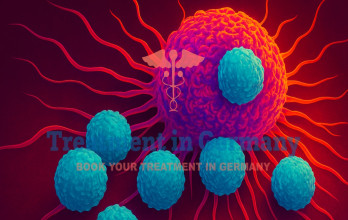
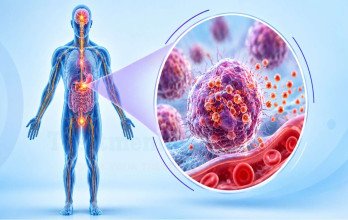
Dendritic cells are the immune system's messengers, presenting tumor targets to the T-cells that carry out an attack. Dendritic cell therapy uses a patient's own immune cells, prepares them in a laboratory with antigens from that patient's tumor and returns them to the body to direct a focused response against the cancer [6]. The cells are collected from a simple blood sample, matured and educated in the laboratory, then given back as an injection, so the procedure avoids further surgery and is gentle for most patients.

Because the vaccine is built from the patient's own cells and their specific tumor, it is a clear example of personalized treatment. This individualized design has drawn significant attention as a treatment approach for glioblastoma worldwide. The goal of dendritic cell therapy is to improve immune recognition of glioblastoma cells by presenting tumor-specific antigens to T-cells [6].
What Do Clinical Trials Show About Dendritic Cell Therapy?
The strongest data come from the phase 3 DCVax-L trial, which added an autologous tumor lysate-loaded dendritic cell vaccine to standard care. Across the trial population, median overall survival reached 23.1 months from surgery and in patients with a methylated MGMT promoter it reached 34.7 months, with 46.4% alive at three years [4]. Long-term survival was notably higher, as the chart below shows.

At five years, 13.0% of patients given the vaccine were alive, compared with 5.7% in the standard care comparison group [4]. For patients with recurrent disease, median survival was 13.2 months from recurrence, a meaningful gain in a setting where options are limited. The chart below shows the long-term difference.

The trial reported longer survival outcomes compared with the external control population [4].Some researchers have noted limitations in the study design because survival outcomes were compared with an external control group rather than a contemporaneous placebo group [7]. The vaccine was generally well tolerated and demonstrated a favorable safety profile. Dendritic cell therapy is also one of many immune-based strategies now under study. Researchers are testing it both alone and in combination with checkpoint inhibitors, oncolytic viruses and other vaccines, on the reasoning that several approaches together may overcome the tumor's defenses better than any single one [5]. For patients, this means glioblastoma clinical trials are an important part of the conversation, since a suitable trial can offer access to therapies not yet widely available. A specialist assessment helps identify which trials, if any, fit a particular tumor profile and treatment history.
How Much Does Dendritic Cell Therapy Cost in Germany?
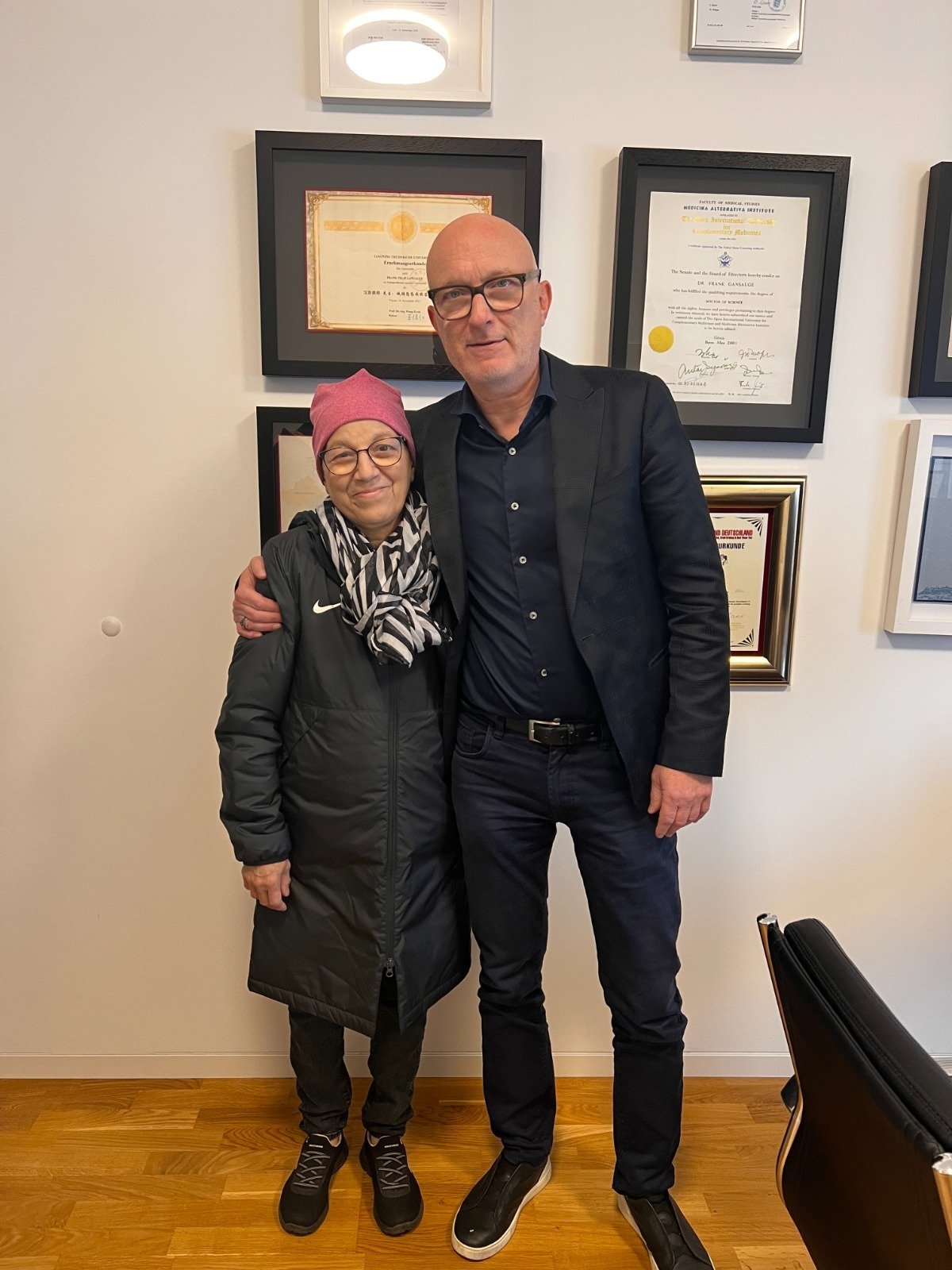
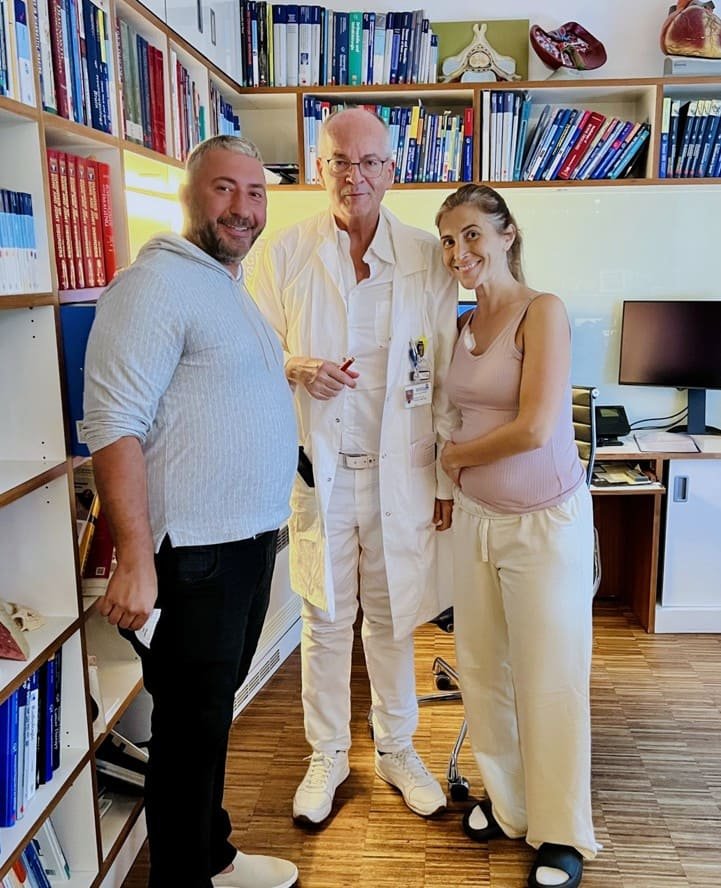
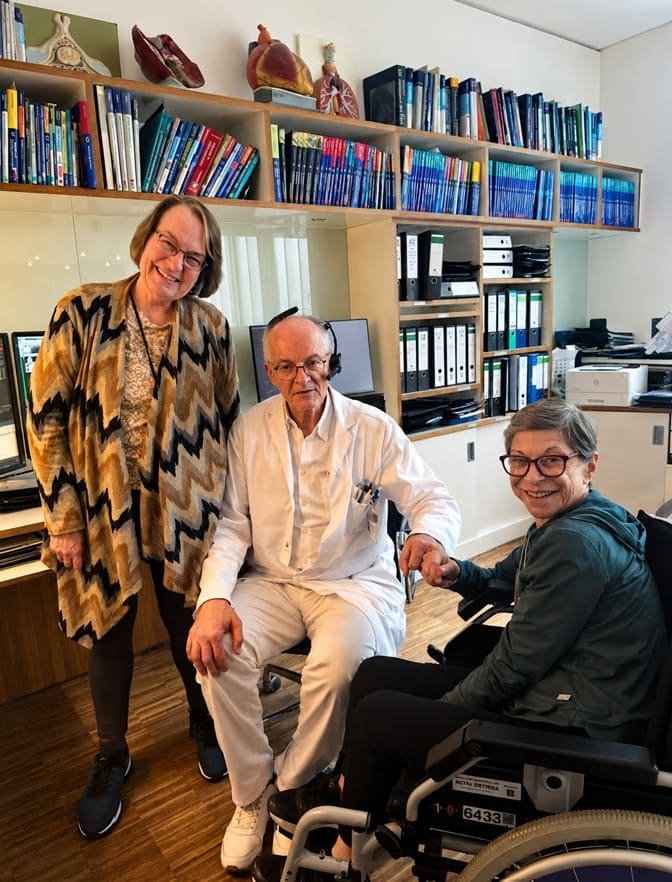
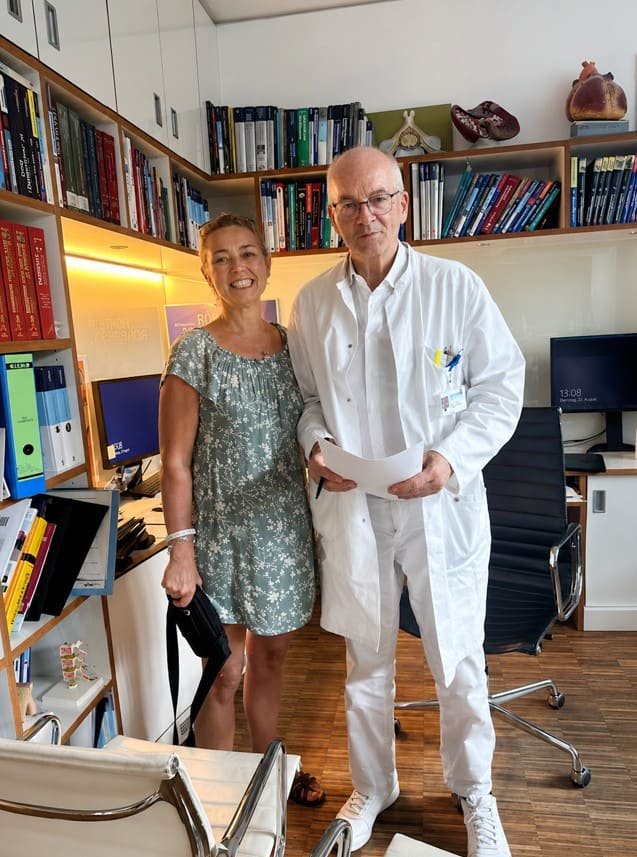
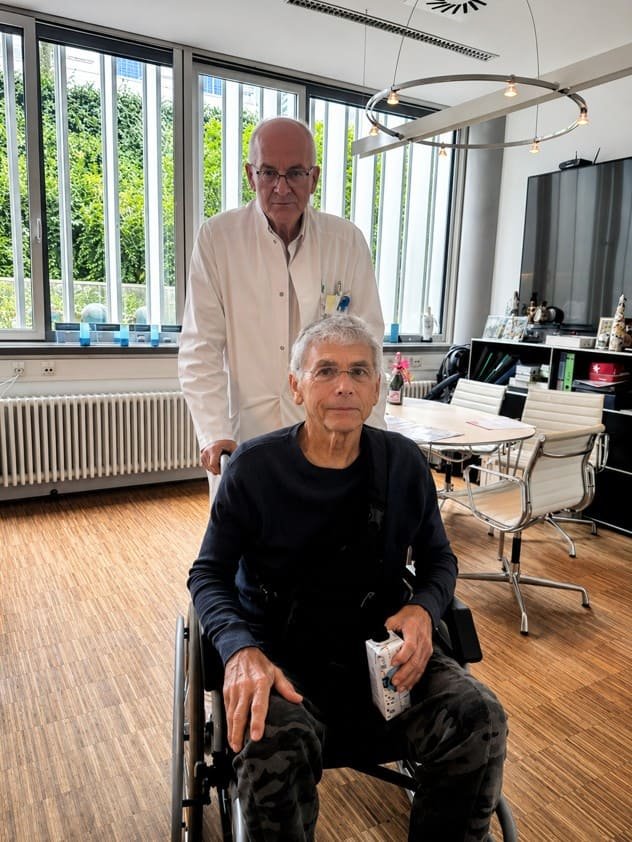
In Germany, dendritic cell therapy is delivered by Prof. Gansauge at LDG Laboratories, using the patient's own cells prepared in a specialized facility. It is generally well tolerated, given as a series of scheduled injections and planned alongside standard care rather than in place of it. The cost of dendritic cell therapy in Germany is approximately €27,000 for total course. Eligibility depends on factors such as previous treatment history, available tumor tissue, overall health and current disease status. Before treatment planning, German specialists typically review MRI scans, pathology reports and molecular test results to determine suitability.
For patients considering dendritic cell therapy as part of glioblastoma treatment in Germany, TIG GmbH arranges the consultation with Prof. Gansauge, gathers the right pathology and imaging in advance and coordinates the visit alongside standard care.

Glioblastoma Prognosis and Survival Rate
Glioblastoma remains one of the most aggressive cancers affecting the central nervous system [9].The glioblastoma prognosis remains serious and the glioblastoma survival rate is among the lowest in oncology. With standard care, median survival is roughly 14 to 15 months and the five-year malignant glioblastoma survival rate is under 10%, falling below 5% in some grade 4 series [2] [9]. These figures describe a stage 4 glioblastoma prognosis that is sobering by any measure.
Several factors shape the outlook. Younger age, good functional status, complete surgical removal and a methylated MGMT promoter all point toward longer survival [10]. Older patients and those with deep or unresectable tumors face a harder course. The glioblastoma cure rate is effectively very low, since the tumor almost always returns and the life expectancy after glioblastoma recurrence is typically measured in months rather than years.
In the final stages of glioblastoma, growing pressure inside the skull leads to increasing drowsiness, weakness and loss of function and care shifts toward comfort and dignity [9]. Good palliative care at this point focuses on controlling seizures, headaches and fatigue and on supporting both the patient and their family. Despite these challenges, treatment can extend survival and help maintain quality of life for many patients [2]. Standard therapy meaningfully extends life for many patients and newer options such as dendritic cell therapy aim to push survival further, especially for those who respond well. Glioblastoma is rarely cured because recurrence remains common. However, advances in surgery, radiotherapy, chemotherapy and immunotherapy continue to improve outcomes for some patients [2] [4].
Patients exploring treatment options often seek a second opinion to understand whether additional therapies, clinical trials or personalized immunotherapy approaches may be available. German specialists review imaging, pathology, molecular markers and previous treatments to determine which options may be appropriate for each individual case.
Best Hospitals for Glioblastoma Treatment in Germany
Germany is home to several leading neuro-oncology centers that provide comprehensive glioblastoma care. These hospitals combine advanced neurosurgery, molecular profiling, radiation oncology and access to emerging therapies. Patients seeking specialized glioblastoma treatment, second opinions or clinical trial opportunities often consider these centers for their expertise and multidisciplinary approach.

How TIG GmbH Supports International Glioblastoma Patients
International patients often face challenges beyond medical treatment, including hospital selection, appointment coordination, travel planning and communication with healthcare providers. TIG GmbH supports patients throughout the treatment journey by arranging specialist reviews of MRI scans and pathology reports, matching patients with appropriate neuro-oncology experts, coordinating consultations with German hospitals and providing treatment planning assistance. Additional support includes cost estimates, visa and travel coordination, medical translation services and follow-up communication before and after treatment in Germany.
Why Choose Germany for Glioblastoma Treatment?
Germany pairs neuro-oncology expertise with strict medical standards and access to therapies that are limited elsewhere, which makes it a frequent choice for brain cancer treatment. Its university hospitals combine high-volume neurosurgery, molecular pathology and clinical trial access in a single system, so diagnosis, surgery and follow-up proceed without the gaps that can slow care elsewhere. Patients considering treatment in Germany should be aware of several important factors:
- Glioblastoma is rarely curable, so the realistic goal is to extend life and protect its quality [9].
- Standard care meaningfully prolongs survival and molecular markers like MGMT predict who benefits most [10].
- Dendritic cell therapy is added to standard treatment, not a replacement and works best as part of a wider plan [4].
- An independent specialist assessment helps confirm suitability and set honest expectations.
For families arranging care from abroad, TIG GmbH manages pathology review, specialist matching, visa support, travel and interpreter services, so patients can focus on treatment and recovery.
What Are the Limitations of Dendritic Cell Therapy?
Several factors should be considered when evaluating dendritic cell therapy:
- Glioblastoma almost always recurs, so even the best treatment usually controls rather than cures the disease.
- Dendritic cell therapy showed encouraging survival in a phase 3 trial, but its external-control design has drawn scientific debate [7].
- Benefit varies between patients and molecular factors such as MGMT status strongly influence outcomes [10].
- Immunotherapy is added to standard care and the brain's protected immune environment makes glioblastoma a hard target [5].
- Any promise of a guaranteed cure is a warning sign and an independent specialist opinion helps set honest expectations.
Within these limits, the strongest results come from maximal safe surgery, molecularly guided standard care and carefully selected innovative therapy at an experienced center [2].
References
Why Patients Worldwide Prefer Our Medical Services in Germany – Key Benefits Explained













.webp)
 (1).webp)
.webp)
.jpg)
 (1).webp)
.jpg)