
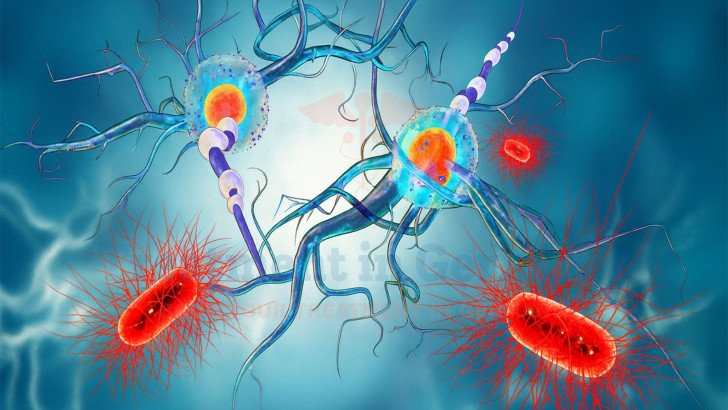
Learn how dendritic cell therapy strengthens immune response against cancer and why international patients choose Germany for this innovative personalized treatment.
What Is Dendritic Cell Therapy for Cancer?
Dendritic cell therapy for cancer is a personalized form of immunotherapy that strengthens the body’s natural ability to recognize and respond to tumor cells. Instead of using medications that directly attack cancer, this treatment teaches the immune system how to identify cancer markers and react to them. This approach is especially meaningful because many cancers manage to hide from the immune system by blending in with normal tissue. Dendritic cell therapy focuses on restoring the immune system’s ability to detect these malignant cells and encourage a targeted response.
Many international patients explore this therapy as part of their treatment in Germany, where diagnostic and immunotherapy programs follow structured standards similar to those recommended by the British cancer society. German specialists rely on detailed imaging, including CT scans, MRI, and PET scans, to understand each patient’s medical history and create an accurate cancer diagnosis. Because this therapy uses a patient’s own immune cells, it is considered an innovative treatment option in Germany for those who want an individualized approach.
How Dendritic Cell Therapy Works
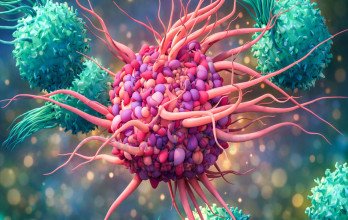
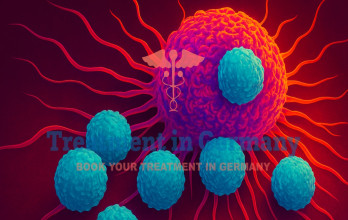
Dendritic cells are essential immune cells responsible for presenting antigens to T cells. They help the immune system recognize viruses, bacteria, and abnormal cells such as cancer. When tumors grow undetected, it is often because dendritic cells are not presenting tumor antigens effectively. Dendritic cell therapy in Germany, aims to correct this process by preparing dendritic cells outside the body and training them to identify cancer.
The therapy begins with collecting a small amount of the patient’s blood. From this sample, monocytes are isolated and sent to an EU-GMP certified laboratory. There, they are transformed into mature dendritic cells using controlled biological techniques. These cells are then introduced to tumor-specific antigens that help them learn the characteristics of the cancer.
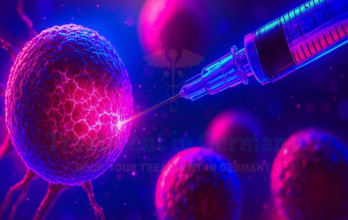
Once prepared, the final therapeutic product is often referred to as a dendritic cell vaccine, because it behaves like a personalized vaccine designed to activate T cells. When the vaccine is injected back into the patient, the dendritic cells travel to the lymph nodes, where they guide T cells to recognize tumor markers, enhancing the body's natural ability to locate and attack cancer cells.
Key steps of dendritic cell therapy in Germany include:
• Blood collection to obtain monocytes
• Processing monocytes into dendritic cells in an EU-GMP laboratory
• Training dendritic cells with tumor antigens
• Preparing a personalized dendritic cell vaccine
• Injection of the therapy into the patient
• Activation of T cells that target cancer cells
Because this therapy uses the patient’s own cells, it is usually well tolerated and may be suitable for people who cannot undergo very aggressive treatments.
Cancers that are supported through Dendritic Cell Therapy
Dendritic cell therapy for cancer has been explored in a wide range of cancers because its goal is to improve immune recognition rather than target a single tumor type. Medical teams in German healthcare centers evaluate each patient carefully before recommending it.
This therapy has been considered for cancers such as glioblastoma, including glioblastoma grade 4, ovarian cancer, melanoma, breast cancer, prostate cancer, lung cancer, kidney cancer, and pancreatic cancer in Germany. The response varies depending on the stage of the disease, the patient’s immune strength, and how the tumor behaves. Many international patients who seek treatment in Germany consider this therapy because it offers an innovative treatment option designed to support immune recovery and long-term disease control.
Why Patients Consider Dendritic Cell Therapy
Patients choose dendritic cell therapy for different reasons, but most appreciate that it is personalized and immune-based. Traditional cancer treatments such as chemotherapy and radiation target the cancer cells directly but may also affect healthy tissues. In contrast, dendritic cell therapy aims to enhance immune function, making it an appealing option for patients who prefer a treatment that works with their body.
Some patients turn to this therapy when standard treatments are no longer effective, while others choose it as a complementary therapy to strengthen their immune response. Germany has become a popular destination because the treatment is supervised by the best oncologist in germany, supported by high-quality laboratory facilities, and integrated into well-regulated oncology programs. Germany also participates in new clinical trials for cancer, giving some patients access to emerging techniques in immunotherapy.
The support of TIG (Treatment in Germany at www.treatmentingermany.de) helps international patients with complete logistical arrangements including a medical visa (if required), making the process more manageable.
Specialists and Treatment Cost of Dendritic Cell Therapy in Germany
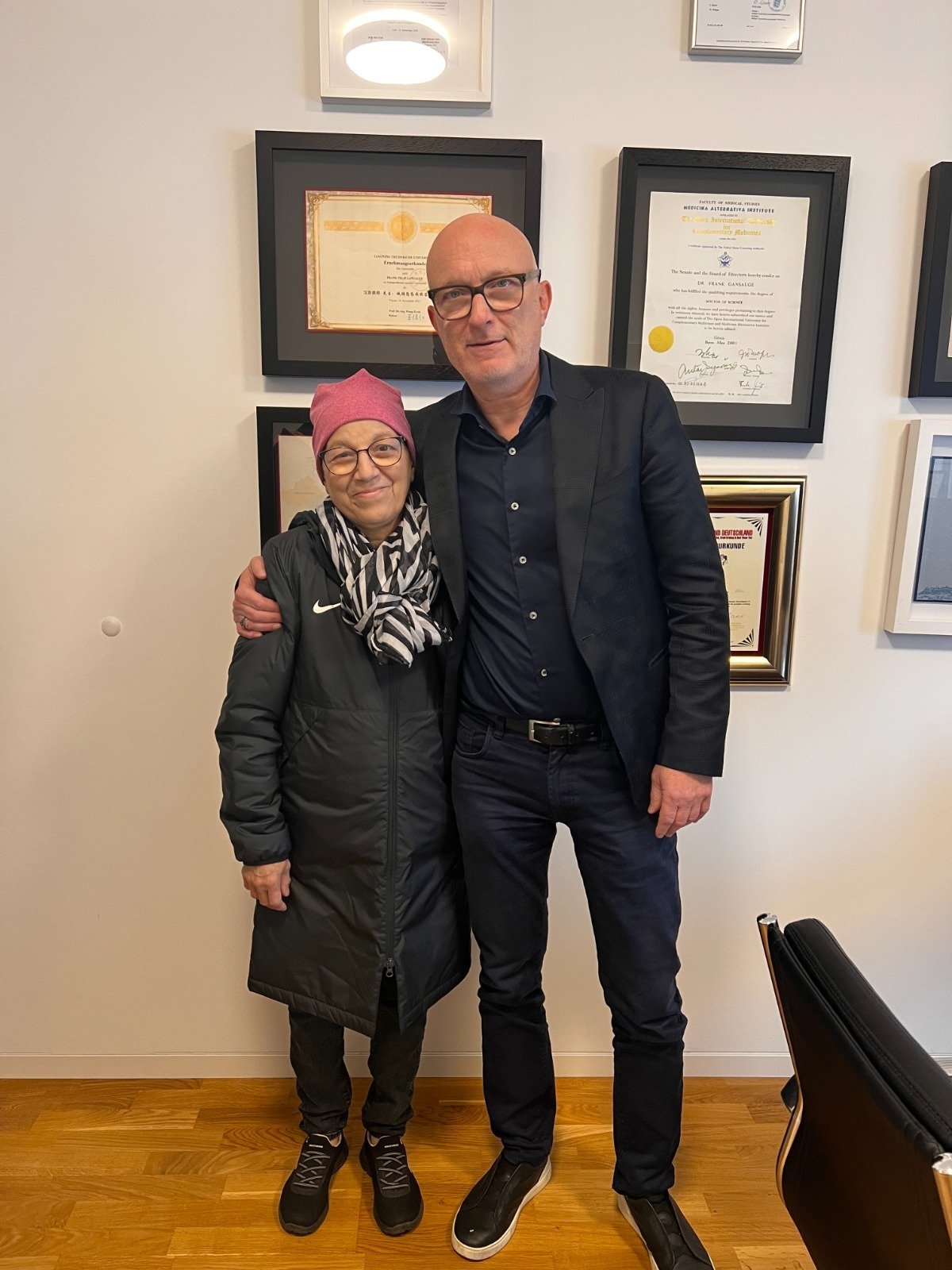
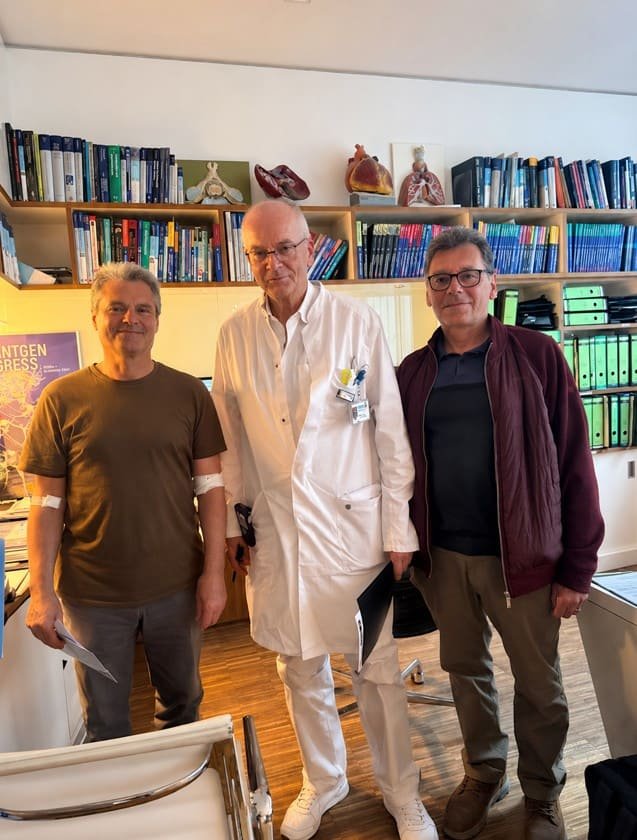
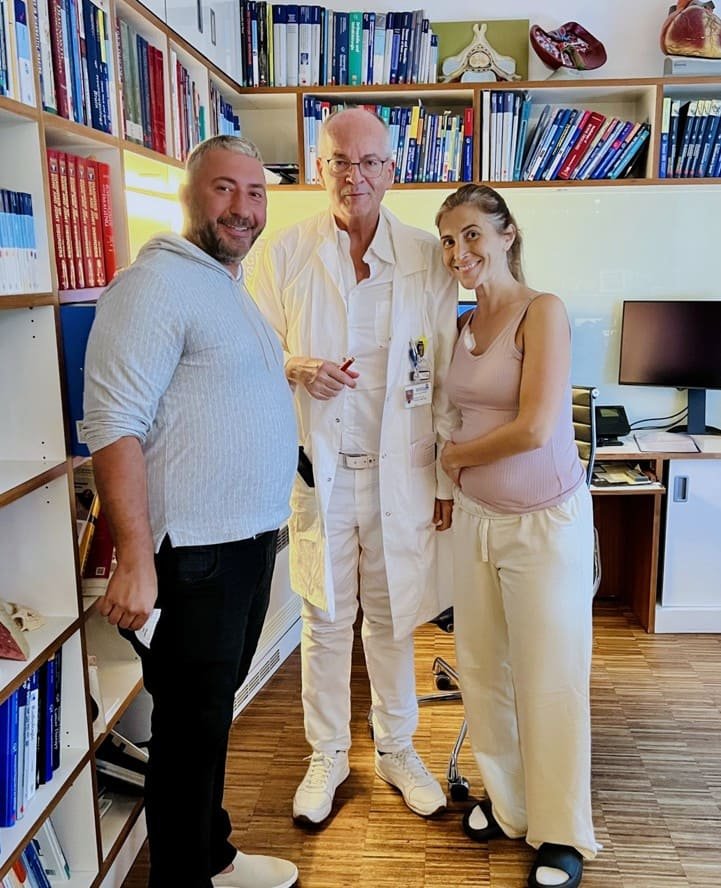
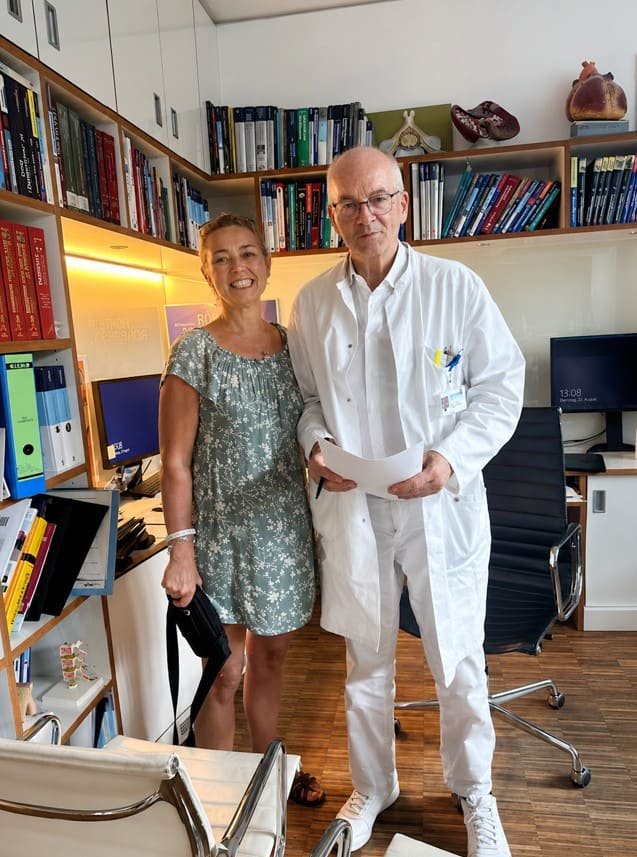
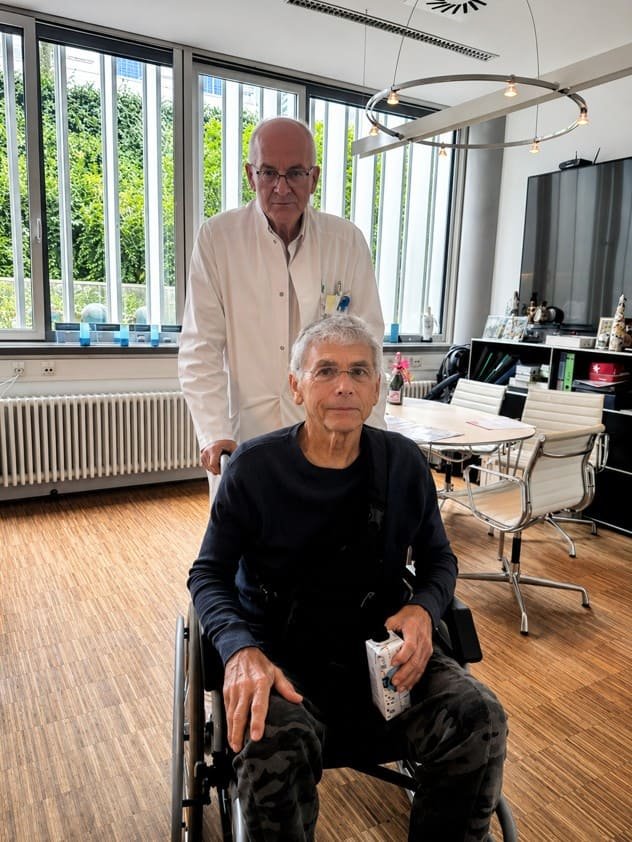
For International patients who wish to receive dendritic cell therapy for cancer in Germany, treatment is typically supervised by experienced immunotherapy specialists. One of the well-known experts in this field is Prof. Gansauge in Berg, Germany who has many years of experience working with immune-based therapies and personalized dendritic cell vaccine programs.
The cost of dendritic cell therapy in Germany is €24,000, which generally includes blood collection, laboratory preparation in an EU-GMP setting, vaccine development, and administration of the treatment.
Diagnostic Testing Before Dendritic Cell Therapy
Before recommending dendritic cell therapy, doctors perform a detailed evaluation to understand how the cancer is progressing. Accurate diagnosis is important because it allows the medical team to determine whether dendritic cell therapy should be used alone or in combination with other treatments.
Diagnostic tools may include:
• CT scans to examine tumor spread
• MRI to study soft-tissue involvement
• PET scans to detect active cancer areas
• Laboratory tests and tumor markers
• Review of medical history and previous treatments
These tests help build a full cancer diagnosis, supporting personalized decision-making and helping specialists determine the best treatment combinations.
How Dendritic Cell Therapy Fits Into a Cancer Treatment Plan
Dendritic cell therapy can be integrated into a broader treatment plan that may include surgery, chemotherapy, radiation therapy, targeted therapy, , or Targeted embolization treatment. This combination allows doctors to address cancer from different angles while strengthening the immune system at the same time. Patients often appreciate that dendritic cell therapy may continue to support immune recognition even after other treatments are completed. This gives many individuals a feeling of long-term support and reassurance.
Benefits of Dendritic Cell Therapy
Dendritic cell therapy offers several potential benefits for cancer patients and their families.
Benefits include:
• Personalized therapy created from the patient’s own immune cells
• Improved immune recognition of cancer cells
• Potential long-term immune support
• Generally mild side effects
• Useful alongside other treatments
• Availability in advanced German healthcare centers
• Considered an Innovative treatment for modern cancer treatment
Many International patients find comfort in knowing that this therapy focuses on their individual immune system rather than a one-size-fits-all approach.
🌍Why Patients Worldwide Prefer Our Medical Services in Germany – Key Benefits Explained:


Frequently Asked Questions
Is dendritic cell therapy available for several cancer types?
Yes, it can be considered for cancers including ovarian cancer, melanoma, glioblastoma, and others.
Does dendritic cell therapy act like a vaccine?
Yes, it functions as a personalized dendritic cell vaccine.
Why do international patients choose Germany for immunotherapy?
Germany offers experienced specialists and carefully regulated treatment programs.
Is this treatment considered an innovative treatment?
Yes, it is widely viewed as an Innovative treatment that supports immune function.
Can this therapy be combined with other treatments?
Yes, it often complements standard therapies.
Is dendritic cell therapy safe for older patients?
Yes, it is generally well tolerated.
Are there new clinical trials for cancer immunotherapy in Germany?
Yes, several centers participate in new clinical trials for cancer.
Do German healthcare centers offer this therapy?
Yes, several German healthcare centers provide it.
Can TIG help with arranging treatment?
Yes, the support of TIG (Treatment in Germany) assists with complete logistical arrangements.
Is dendritic cell therapy painful?
The injection is usually simple and well tolerated.
Does every patient respond the same way?
No, response varies based on cancer type and health condition.
Can dendritic cell therapy help advanced cancer?
It may be considered depending on individual evaluation.













.webp)
 (1).webp)

.webp)
.jpg)

 (1).webp)
.jpg)