
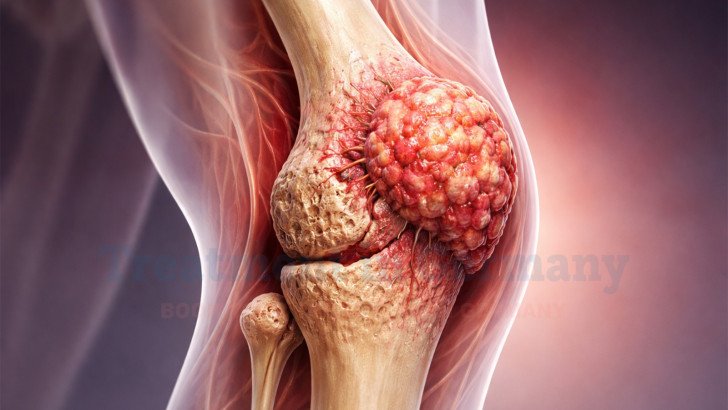
Comprehensive guide to osteosarcoma treatment in Germany, including diagnostics, innovative dendritic cell immunotherapy with complete logistical support through TIG.
Comprehensive Guide to Osteosarcoma Treatment
Osteosarcoma is a primary bone cancer that most commonly develops in the long bones of the arms and legs, particularly in adolescents and young adults. It begins when immature bone-forming cells grow uncontrollably, leading to the formation of malignant bone tissue. In advanced cases, the disease may spread beyond the original bone site, making treatment planning more complex and long term. International patients exploring osteosarcoma treatment in Germany often seek structured oncology evaluation, access to new and innovative cancer treatments, and multidisciplinary planning delivered through established German healthcare centers and specialized German oncology centers.
Germany is widely acknowledged for its structured oncology framework, rigorous regulatory standards, and advanced diagnostics that support accurate staging and individualized treatment planning. Treatment is delivered through experienced multidisciplinary teams working within established German healthcare centers and specialized German oncology centers, ensuring coordinated decision-making for complex cases.
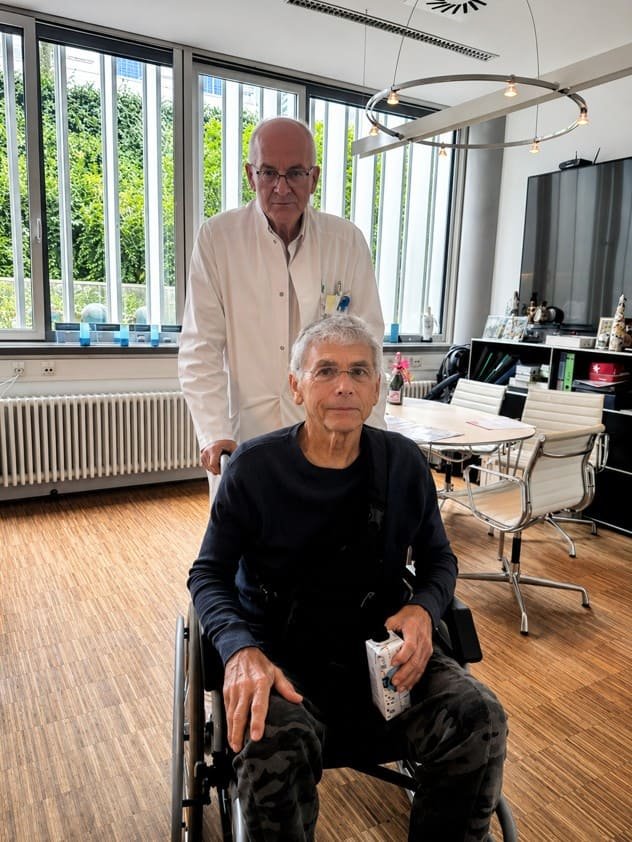
Prof. Gansauge, recognized for his focused expertise in advanced cell-based cancer immunotherapy, contribute to the integration of immune-based approaches alongside conventional therapies. Many international families seeking innovative cancer treatment options for osteosarcoma in Germany also prioritize consultation with the best oncologist in Germany when exploring innovative strategies within a comprehensive and carefully monitored treatment plan.
Diagnosis and Staging of Osteosarcoma in Germany
Accurate diagnosis is the foundation of effective osteosarcoma treatment. The process usually begins with imaging and biopsy to confirm tumor type and grade. In Germany, diagnostic planning is structured and thorough. Patients typically undergo advanced imaging such as CT scans, MRI, and PET scans to determine tumor size, location, and whether metastases are present. These technologies reflect the use of latest medical technology in Germany, which supports precise staging and informed treatment planning.
Multidisciplinary teams evaluate imaging results, biopsy findings, and the patient’s overall health to determine whether disease is localized or metastatic. When osteosarcoma spreads to the lungs or other bones, therapy decisions are adjusted accordingly. The importance of structured staging is also emphasized by organizations such as the American Cancer Society, which highlights the need for accurate classification before selecting therapy.
In complex cases, patients may also inquire about new clinical trials in Germany, particularly when advanced disease requires innovative strategies beyond conventional chemotherapy and surgery.
Standard Treatment Approaches for Osteosarcoma

Traditional osteosarcoma treatment typically includes chemotherapy combined with surgical removal of the tumor. Chemotherapy is often administered before surgery to shrink the tumor and again afterward to reduce recurrence risk. Surgical planning aims to remove the tumor while preserving as much function as possible. In certain cases, limb-sparing procedures are feasible, while others may require more extensive intervention.
Although conventional therapy remains central, ongoing advancements in oncology have led to growing interest in immune-based approaches. This is where innovative treatment options in Germany may be considered, particularly for advanced or recurrent osteosarcoma. Patients seeking comprehensive cancer treatment pathways often look for integrated programs that combine established therapies with carefully evaluated immunotherapy options.
Immunotherapy Dendritic Cell Therapy for Osteosarcoma in Germany

One of the most discussed immune-based strategies in advanced bone cancer treatment is Immunotherapy Dendritic cell therapy. This approach focuses on enhancing the body’s immune recognition of tumor cells rather than directly destroying the tumor through cytotoxic agents.
The process begins with a detailed medical evaluation to confirm suitability. After review of diagnostic findings and overall health status, a blood sample is collected, typically between 150 and 200 ml. From this sample, immune cells (monocytes) are isolated in an EU GMP-certified laboratory. Under strictly controlled conditions, these monocytes are developed into dendritic cells.
During laboratory preparation, dendritic cells are exposed to tumor-associated antigens. This exposure allows the cells to mature and gain the ability to present tumor signals to the immune system. Once quality control checks confirm sterility, viability, and functionality, the prepared cells are formulated into a personalized dendritic cell vaccine.
The vaccine is administered under medical supervision, usually through subcutaneous injection. The goal is to support immune surveillance by helping the patient’s immune system recognize osteosarcoma-related markers more effectively. Follow-up assessments are conducted to monitor overall condition and treatment tolerance. The cost of Immunotherapy Dendritic cell therapy in Germany is €26,000, including immune cell collection, laboratory processing, vaccine preparation, and administration. Eligibility is determined through structured medical review within regulated German cancer treatment programs.

Role of New Clinical Trials in Germany
Research plays a crucial role in improving outcomes for osteosarcoma. Structured new clinical trials in Germany may evaluate emerging immunotherapies, or combination protocols. Participation depends on strict eligibility criteria, including tumor biology, prior treatments, and general health condition.
Clinical trial consideration is carefully regulated to ensure patient safety and scientific integrity. Patients exploring advanced treatment often inquire about how clinical research complements existing treatment strategies within established German oncology centers.
Multidisciplinary Planning in Osteosarcoma Treatment
Effective osteosarcoma management requires collaboration among orthopedic surgeons, medical oncologists, radiologists, and immunotherapy specialists. Treatment sequencing is planned to reduce overlap of toxicities while maintaining therapeutic effectiveness. Structured coordination within German healthcare centers supports consistent monitoring and individualized treatment.
Limitations and Important Considerations in Osteosarcoma Treatment
Although significant progress has been made in osteosarcoma management, especially with the integration of immune-based approaches such as Immunotherapy Dendritic cell therapy, treatment planning must be individualized. Not every patient with osteosarcoma is automatically eligible for advanced or investigational therapies. Suitability depends on tumor stage, location, whether metastasis is present, previous treatments received, and overall physical condition.
Osteosarcoma is a biologically aggressive bone tumor, and outcomes can vary depending on how early it is diagnosed and how the disease responds to therapy. Advanced or metastatic cases may require multimodal management that combines surgery, chemotherapy, and carefully selected immune-based strategies. It is also important to understand that immune therapies aim to support immune recognition and disease control rather than replace established treatment protocols.
Comprehensive diagnostic evaluation, realistic expectations, and continuous monitoring are essential parts of responsible osteosarcoma care. Decisions should always be guided by experienced oncology teams who evaluate benefits, limitations, and safety considerations before recommending advanced treatment options.
International Patient Support through Treatment in Germany
Access to advanced management for osteosarcoma treatment involves more than clinical decision-making; it requires careful logistical coordination, especially for international patients seeking specialized therapies such as Immunotherapy Dendritic cell therapy. Through Treatment in Germany (TIG), medical documentation is reviewed in advance to facilitate appropriate specialist referral and structured treatment planning within experienced oncology centers. This pre-evaluation by the treating physician helps align the patient’s clinical condition with available therapeutic options before travel arrangements are finalized.
Treatment in Germany (TIG) at www.treatmentingermany.de provides comprehensive logistical assistance, including hospital coordination, appointment scheduling, travel planning, and medical visa support when required. By organizing these administrative components in advance, patients can focus on clinical evaluation and multidisciplinary consultation upon arrival. Individuals considering advanced and Innovative treatment approaches may get a free consultation with TIG (Treatment in Germany) to receive structured guidance and coordinated access to specialized cancer programs in Germany.
🌍Why Patients Worldwide Prefer Our Medical Services in Germany – Key Benefits Explained:











.webp)
 (1).webp)
.webp)
.jpg)

 (1).webp)
.jpg)