

Dendritic cell therapy (DCT) for pancreatic cancer is a personalised immune-based approach that uses the patient’s own cells to support an immune response against cancer. The treatment involves cell collection, laboratory preparation, administration and follow-up, with eligibility assessed individually. It may be considered alongside established treatments in selected programmes. Current clinical evidence, limitations, safety, clinical research, treatment costs and access to DCT in Germany are also discussed.
Dendritic Cell Therapy for Pancreatic Cancer: Treatment Process and Eligibility in Germany
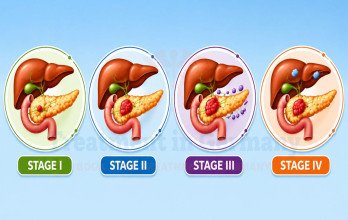
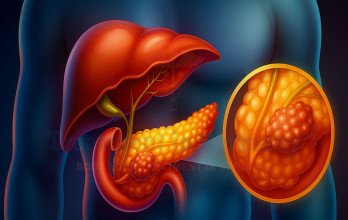
Pancreatic cancer remains one of the most challenging cancers to treat, with a five-year survival of only around 13% across all stages. Dendritic cell therapy (DCT) is a personalised immune-based treatment approach that aims to help the patient’s own immune system recognise and respond to pancreatic cancer cells. The treatment process involves several stages, from preparation and eligibility assessment to administration and follow-up. Current clinical evidence and the limitations of the available research are also important considerations [5].
Dendritic Cell Therapy in Pancreatic Cancer: Treatment Role and Eligibility

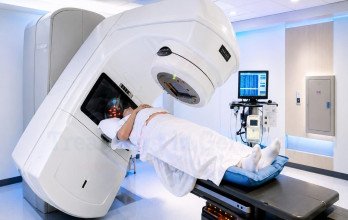
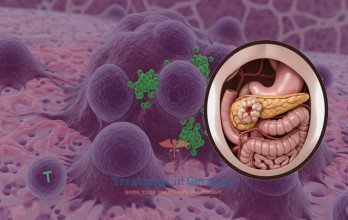
Dendritic cells are the immune system’s messengers: they pick up tumor antigens and present them to T cells, prompting a targeted response. Pancreatic tumours are considered immunologically cold, and laboratory work has shown that boosting these cells can help the immune system act against pancreatic tumours such as pancreatic ductal adenocarcinoma in experimental models. Based on this immune mechanism, dendritic cell therapy is being studied as an additional approach to pancreatic cancer care. It does not replace established treatments such as surgery for pancreatic cancer, chemotherapy, or in selected cases, radiation therapy, and should not be used as a substitute for standard care. Depending on the individual case and treatment programme, it may be considered alongside or after standard care, including within clinical research programmes [4].
Whether a person may be considered depends on several individual factors:
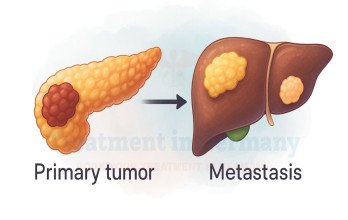
- Disease setting whether the cancer was removed by surgery, has returned, or is advanced.
- Previous treatment what chemotherapy or surgery has already been given and how the disease responded.
- Overall health general fitness and organ function needed to tolerate the process.
- The specific protocol each programme or trial sets its own requirements, so not every patient is a candidate.
Dendritic Cell Therapy Preparation Process
One of the key features of DCT is that it is autologous and personalized meaning that the dendritic cells are derived from the patient, but the overall vaccine formulation and antigen source vary between protocols. The treatment is prepared using the patient’s own cells rather than being an off-the-shelf drug. In practice, monocytes are collected from the patient’s blood and taken to a specialist laboratory, where they are matured into dendritic cells over a number of days using defined growth signals although the exact collection and manufacturing process varies by protocol. The dendritic cells are then exposed to selected tumour-related material, such as tumour-cell lysate or specific peptides. This helps prepare them to recognise characteristics associated with the patient’s cancer before they are administered back to the patient as a form of immunotherapy for pancreatic cancer [2].

The cells are grown, matured and checked under strict EU GMP-certified laboratory conditions, and each batch undergoes release testing before it becomes the final personalized dendritic cell vaccine. Because manufacturing methods can differ between treatment programmes, including how tumour-related material is selected, how the cells are prepared, and how doses are scheduled, the final treatment process may vary from one programme to another.
- Manufacturing usually takes several weeks from cell collection to a released product, so treatment is planned in advance [2].
- Antigen choice (broad tumour lysate versus targeted peptides) shapes both the process and the timeline.
- Batch testing can occasionally extend timing, since a product is only released once it meets quality criteria.
Dendritic Cell Therapy Treatment and Follow Up in Pancreatic Cancer

A course begins with a specialist assessment and a careful review of the pathology report and previous treatment. Only once eligibility is confirmed does cell collection go ahead, followed by the manufacturing period described above. Once the personalised dendritic cell vaccine is ready, it is administered according to the treatment programme. This may involve an initial series of doses given over several weeks, followed by additional doses in some programmes. There is no established universal dosing schedule for dendritic cell therapy in pancreatic cancer; the number, interval, route, and duration of vaccinations vary according to the specific investigational protocol between programmes and studies [2].
During treatment, patients are monitored for reactions and, where relevant, for signs of an immune response. Follow-up after the course typically includes:
- Clinical review and routine blood tests to check tolerance, organ function, blood counts, and other safety parameters as appropriate.
- Imaging at intervals to watch for recurrence or disease change.
- Optional immune monitoring in trial settings, to see whether T-cell activity has been triggered.
Combining Dendritic Cell Therapy With Other Treatments
DCT has mostly been studied in combination rather than alone. It has been given after surgery and standard-of-care chemotherapy in the adjuvant setting, and it has been explored with chemotherapy for pancreatic cancer or with other immune-based agents to try to make “cold” tumours more responsive. The timing and sequence of these treatments depend on the individual treatment programme. These combinations are not part of routine pancreatic cancer care and may be considered in specialised programmes or clinical research [1].
Evidence and Limitations of Dendritic Cell Therapy in Pancreatic Cancer
Early clinical studies have reported encouraging immune and recurrence-related findings, although the available evidence remains limited. In a single-centre phase I/II study involving patients with resected pancreatic cancer, 26 of 38 patients (68%) remained free of recurrence after a median follow-up of 25.5 months. The estimated two-year recurrence-free survival was 64%, compared with a pre-defined expected outcome of approximately 40%. The study also reported signs of immune activation, including an increase in activated CD4-positive T cells [1].

Estimated two-year recurrence-free survival reported in the phase I/II study [1].
Some studies have also reported measurable tumour-specific immune responses following dendritic cell vaccination. In a retrospective study of neoantigen-loaded dendritic cell vaccination after surgery, tumour-specific T cells were induced in 13 of 16 patients (81.3%), and all seven patients treated in the adjuvant setting were alive at a median follow-up of 61 months, with only one recurrence. These findings are encouraging, but the studies were small and cannot establish whether dendritic cell therapy improves long-term survival [3].
The limitations matter. Most studies are small, single-centre and single-arm, without a randomised comparison group, so apparent benefits may partly reflect patient selection. Larger, well-controlled studies are still needed to determine whether DCT can meaningfully improve survival and other long-term outcomes.
Safety and Side Effects of Dendritic Cell Therapy in Pancreatic Cancer

Across the available studies, DCT has generally been reported as well tolerated, with most side effects described as mild. In one retrospective series, no adverse reactions were recorded and every patient completed the full course of vaccinations however, this finding should be interpreted in the context of the study's retrospective design and should not be generalized to all dendritic-cell therapy protocols. The effects that are described tend to be limited and manageable [1] [3].
- Reactions related to the blood-cell collection step, such as brief lightheadedness.
- Fever or flu-like symptoms shortly after a dose, usually short-lived and are generally monitored for according to the treatment protocol.
- Fatigue in the days following administration.
- Local reactions at the injection site, including redness or swelling.
- Inflammatory or immune-related effects, which are uncommon but monitored for.
Because some effects are protocol-specific, patients are watched during and after treatment. The treating team may adjust, delay or discontinue treatment if significant side effects occur or if the patient's condition or disease progression requires a change in the treatment plan.
Dendritic Cell Therapy Trials for Pancreatic Cancer

Clinical research plays an important role in evaluating the safety, feasibility and potential benefits of DCT for pancreatic cancer. Research spans early phase I studies focused on toxicity and manufacturing feasibility through to combined phase I/II work looking at immune and recurrence outcomes [1] [2]. The National Cancer Institute currently lists an active phase I pancreatic adenocarcinoma study evaluating the safety, toxicity and feasibility of autologous dendritic cell therapy after surgery. Before considering enrolment, it helps to weigh a few points:
- Trials have strict eligibility and protocol requirements, including cell-manufacturing steps.
- Early studies often measure safety and feasibility first, not survival.
- Participation in a clinical trial should be discussed with the treating oncology team and should not replace established treatment options that may be appropriate for the patient and investigational dendritic-cell therapy should not be used as a substitute for established treatments.
- Availability changes over time and by centre, so options should be checked close to the time.
Dendritic Cell Therapy in Germany for Pancreatic Cancer

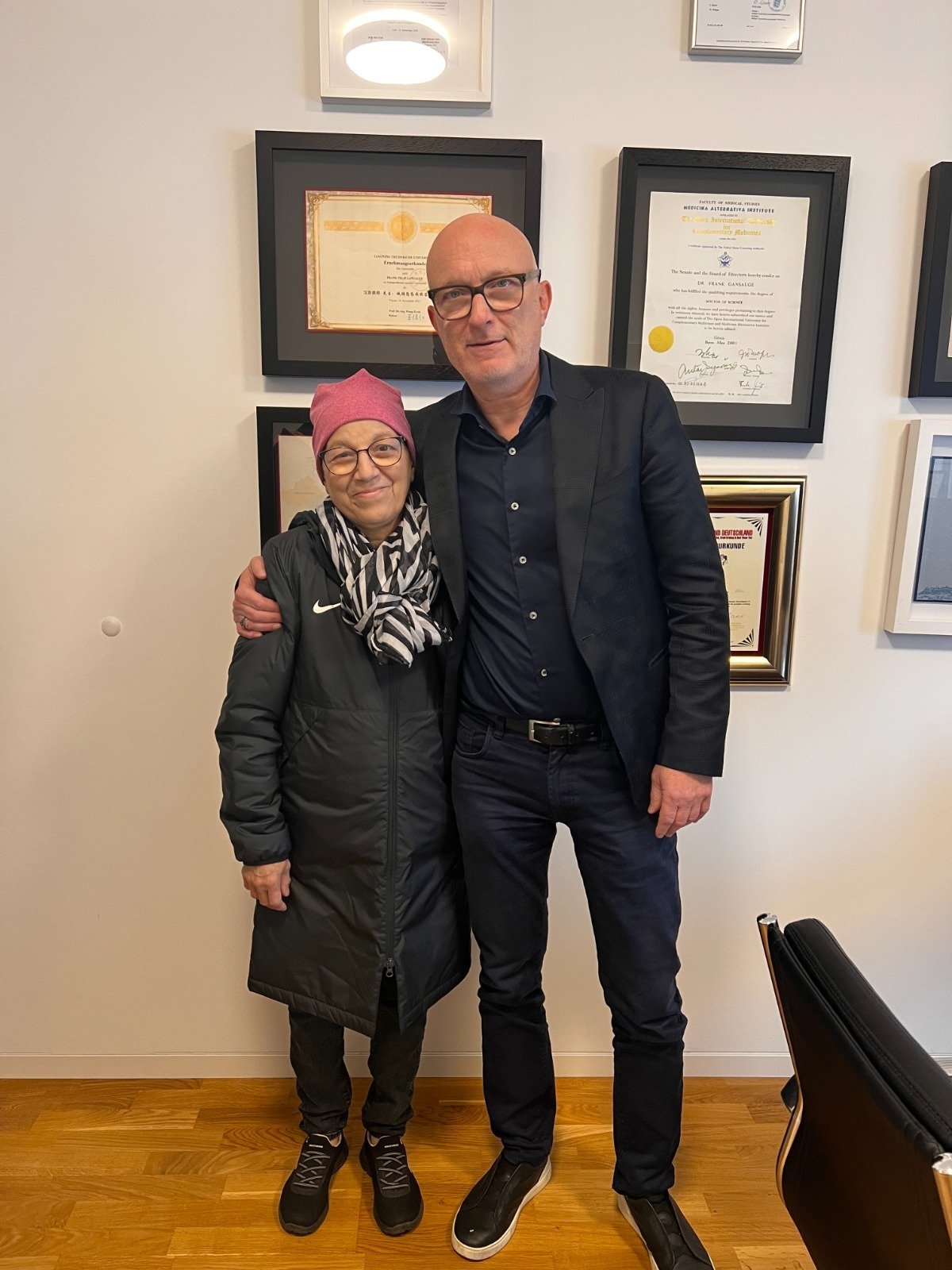
In Germany, dendritic cell therapy is provided through specialised treatment programmes following an individual medical assessment. Prof. Frank Gansauge, associated with LDG Laboratories, has expertise in personalised immune-based cancer treatments, including dendritic cell therapy. The process involves collecting monocytes from the patient’s blood and processing them in an EU GMP-certified laboratory to prepare a personalised dendritic cell vaccine.
For international patients, Treatment in Germany (TIG) can help coordinate an initial medical assessment and share the relevant medical records with the treating team for review. The assessment usually begins with a review of the patient’s pancreatic cancer diagnosis, previous treatment and current medical records. The centre will usually require:
- Recent pathology and histology reports.
- A summary of previous treatment (surgery, chemotherapy, radiotherapy).
- Up-to-date imaging and key blood results.
Once these documents are reviewed, the medical team determines whether dendritic cell therapy is suitable and outlines the next steps for the treatment plan.
References
5. Cancer Stat Facts: Pancreatic Cancer
Why Patients Worldwide Prefer Our Medical Services in Germany – Key Benefits Explained




















.webp)
 (1).webp)

.webp)
.jpg)

 (1).webp)
.jpg)