

Stage 4 ovarian cancer treatment in Germany including targeted embolization and dendritic cell therapy with complete logistical support through Treatment in Germany (TIG).
Stage 4 Ovarian Cancer Treatment in Germany
Stage 4 ovarian cancer represents the most advanced stage of the disease, where malignant cells have spread beyond the pelvis and abdomen to distant organs such as ovarian cancer with liver metastases, lungs, or lymph nodes outside the abdominal cavity. At this point, the cancer is considered systemic and requires comprehensive treatment planning rather than localized therapy alone. Although advanced, modern oncology focuses on long-term disease control, symptom management, and preservation of quality of life. Understanding available options for stage 4 ovarian cancer treatment is essential for informed decision-making.
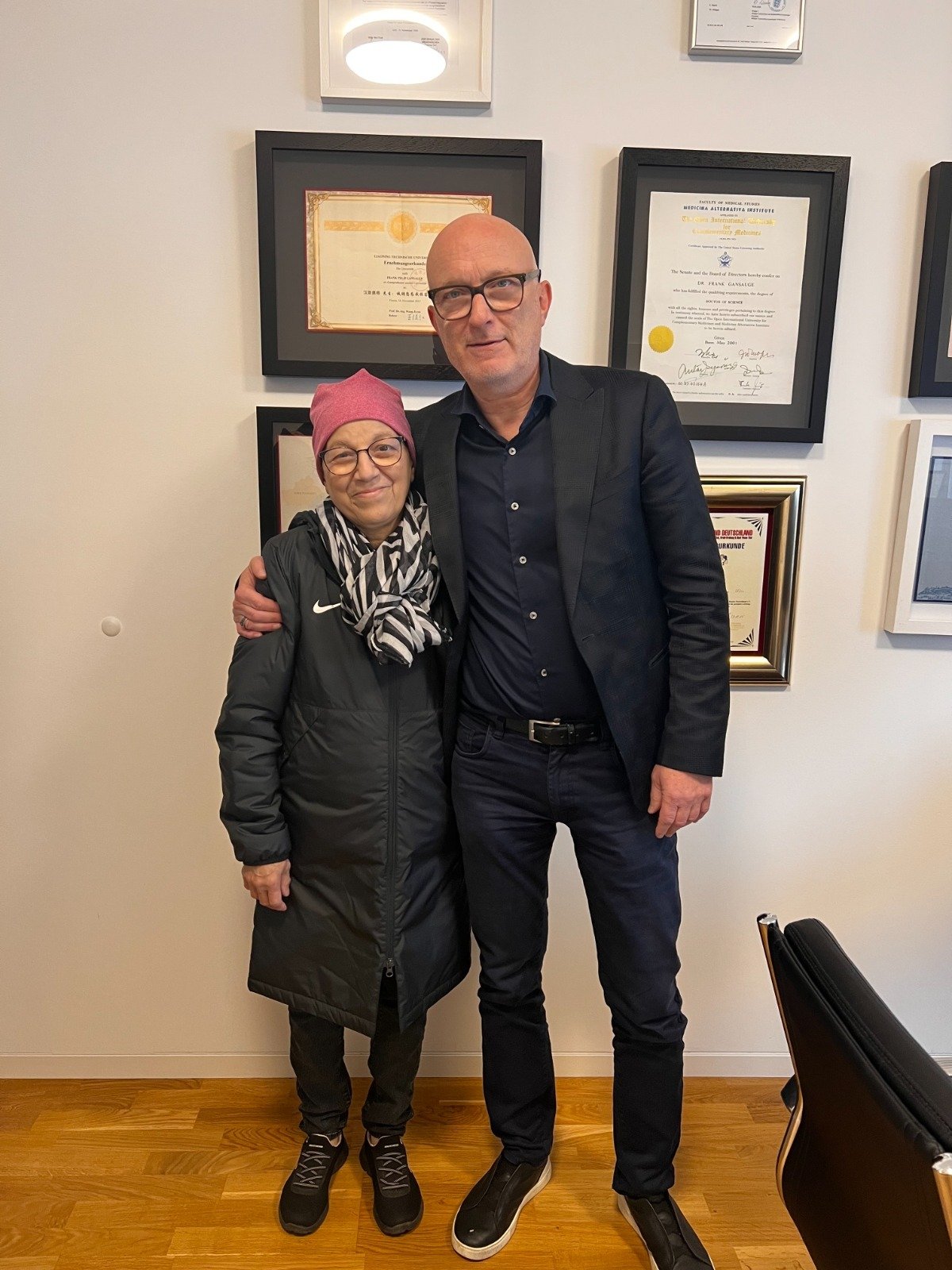
Germany has become a recognized destination for patients seeking new and innovative treatment options for stage 4 ovarian cancer in Germany, particularly in complex metastatic cases. Treatment planning is conducted within specialized German healthcare centers and accredited German oncology centers, where multidisciplinary tumor boards review imaging, pathology, and molecular findings. Interventional oncology procedures are associated with the expertise of Prof. Vogl, known for advanced image-guided embolization techniques, while immune-based strategies are associated with the expertise of Prof. Gansauge, recognized for his focused work in cellular immunotherapy. Many international patients seek consultation from specialists considered among the best oncologist in Germany, drawn by structured care pathways and access to latest medical technology in Germany.
Understanding Stage 4 Ovarian Cancer

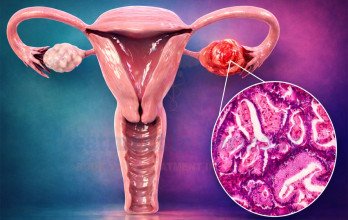
Stage 4 ovarian cancer develops when tumor cells spread beyond the abdominal cavity to distant organs. Common sites of metastasis include the liver surface, lungs, or distant lymph nodes. Because ovarian cancer often produces vague early symptoms, many cases are diagnosed at an advanced stage.
The biological behavior of the tumor depends on histological subtype and genetic markers such as BRCA mutations. Personalized assessment is essential to determine whether systemic therapy, interventional procedures, or immune-based approaches are appropriate. Accurate staging guides the overall strategy for stage 4 ovarian cancer treatment.
Symptoms may include abdominal swelling due to fluid accumulation, persistent bloating, pelvic discomfort, or early satiety. As the disease progresses, fatigue, unintended weight loss, and digestive disturbances may develop.
If metastasis involves the lungs, shortness of breath may occur. Because these symptoms can be nonspecific, imaging and biopsy confirmation are necessary for accurate diagnosis and management.
Advanced Diagnostics for Stage 4 Ovarian Cancer in Germany
Precise staging is essential to evaluate disease extent and guide therapy. In Germany, advanced Diagnostics include biopsy, tumor marker assessment, and imaging such as CT scans, MRI, and PET scans to determine metastatic distribution.
These evaluations are supported by latest medical technology in Germany, ensuring detailed anatomical mapping and treatment planning accuracy. Molecular testing may identify genetic alterations influencing therapy decisions. Findings are reviewed within multidisciplinary tumor boards at German Oncology centers, ensuring individualized care.
Targeted Embolization Treatment for Stage 4 Ovarian Cancer in Germany

Targeted embolization Treatment is an interventional oncology approach considered when metastatic ovarian cancer lesions require focused local control, particularly in cases where the liver is involved. In advanced disease, dominant metastatic deposits can contribute significantly to overall tumor burden and symptom progression. This procedure works by delivering specialized embolic agents directly into the vessels supplying the tumor, thereby blocking its blood supply and limiting further growth. By concentrating treatment on specific metastatic sites, the technique aims to minimize exposure to surrounding healthy tissue. Careful patient selection is essential before proceeding with this intervention.
The procedure is carried out in a specialized interventional radiology suite under continuous real-time imaging guidance. A catheter is inserted through an artery in the groin and navigated carefully toward the vessels feeding the metastatic lesion. Once accurate positioning is confirmed, embolic material is administered in a controlled manner to blocks the blood flow to the tumor. The reduction in circulation deprives cancer cells of oxygen and nutrients, contributing to localized tumor control. Continuous imaging throughout the procedure ensures precision, safety, and minimal risk to adjacent structures.
After targeted embolization, patients undergo structured follow-up to monitor both organ function and treatment response. Blood tests assess liver performance, while repeat imaging helps determine whether the tumor has stabilized, reduced in size, or requires additional sessions. The procedure may be integrated with systemic chemotherapy or other therapies depending on tumor biology and overall disease distribution. Regular reassessment within specialized German oncology centers ensures adaptive treatment planning. The cost of Targeted Embolization Treatment in Germany typically ranges between €8,000 and €9,000 per session, depending on clinical complexity and individualized planning requirements.
Immunotherapy: Dendritic Cell Therapy for Stage 4 Ovarian Cancer in Germany

Immunotherapy represents an evolving component of advanced ovarian cancer management. The dendritic cell vaccine approach is designed to stimulate the immune system to recognize tumor-associated antigens expressed by ovarian cancer cells. Because advanced tumors may evade immune detection, immune-based strategies aim to enhance systemic immune surveillance.
The treatment begins with the collection of immune cells (monocytes) from the patient’s blood under medical supervision. These cells are isolated in a sterile clinical environment to preserve viability and biological integrity. Strict handling protocols ensure optimal cell quality before laboratory processing.
Collected cells are transferred to an EU GMP certified laboratory, where they are cultured under strictly regulated conditions. Within this environment, the monocytes are exposed to tumor-associated antigens derived from ovarian cancer tissue. This controlled exposure supports maturation into active dendritic cells capable of presenting cancer markers to T-cells. Comprehensive sterility and viability testing is conducted before administration.
Once prepared, the cells are reintroduced into the patient as a personalized immune-based therapy commonly referred to as a dendritic cell vaccine. This therapy is integrated alongside systemic chemotherapy rather than replacing it. Continuous monitoring evaluates immune response and tolerance. The cost of Dendritic Cell Therapy in Germany is €27,000, covering immune cell collection, laboratory processing, preparation, and administration.
Combining Modern Treatment Strategies in Germany
Stage 4 ovarian cancer management typically includes systemic chemotherapy as the backbone of treatment. Surgical intervention may be considered depending on tumor distribution and patient condition. Interventional procedures such as targeted embolization may provide localized control in selected cases. Immune-based therapy may complement systemic treatment in appropriate patients. Multidisciplinary coordination within German healthcare centers ensures individualized planning. Continuous reassessment through imaging helps adapt therapy according to disease behavior.
New Clinical Trials for Stage 4 Ovarian Cancer in Germany
Patients with advanced or treatment-resistant disease may be evaluated for participation in new clinical trials for Stage 4 Ovarian Cancer. These structured research programs investigate emerging immunotherapies and targeted approaches under strict ethical oversight. Clinical research standards align with international frameworks referenced by the Australian Cancer Society, emphasizing patient safety and scientific transparency. Eligibility requires structured evaluation within accredited German oncology centers.
Limitations and Considerations for Stage 4 Ovarian Cancer Treatment
Not every patient with advanced ovarian cancer is an appropriate candidate for interventional procedures or immune-based therapies. Careful evaluation by the treating physician is required to assess liver and kidney function, immune status, tumor biology, metastatic distribution, and overall physical stability. In certain situations, particularly when the disease is widespread or the patient’s condition is fragile, systemic chemotherapy remains the primary and most suitable treatment approach. Decisions are made within multidisciplinary teams at specialized German oncology centers, ensuring that advanced options are recommended only when medically justified and safe.
Ongoing monitoring is a critical component of stage 4 ovarian cancer management. Imaging studies such as CT scans, MRI, and PET scans are performed regularly to evaluate treatment response, detect progression, and guide further therapeutic adjustments. Clinical assessments and laboratory testing complement imaging to provide a comprehensive picture of disease status. The overall focus remains on sustained disease control, symptom reduction, and preservation of quality of life. Treatment strategies within German healthcare centers are individualized, realistic, and aligned with long-term stability rather than guaranteed cure.
International Patient Support through Treatment in Germany
Access to advanced management for ovarian cancer involves more than clinical decision-making; it requires careful logistical coordination, especially for international patients seeking specialized therapies such as Immunotherapy Dendritic cell therapy and Targeted embolization Treatment, Through Treatment in Germany (TIG), medical documentation is reviewed in advance to facilitate appropriate specialist referral and structured treatment planning within experienced oncology centers. This preliminary evaluation by the treating physician helps align the patient’s clinical condition with available therapeutic options before travel arrangements are finalized.
Treatment in Germany (TIG) at www.treatmentingermany.de provides comprehensive logistical assistance, including hospital coordination, appointment scheduling, travel planning, and medical visa support when required. By organizing these administrative components in advance, patients can focus on clinical evaluation and multidisciplinary consultation upon arrival. Individuals considering advanced and Innovative treatment approaches may get a free consultation with TIG (Treatment in Germany) to receive structured guidance and coordinated access to specialized cancer programs in Germany.
🌍Why Patients Worldwide Prefer Our Medical Services in Germany – Key Benefits Explained:




















.webp)
 (1).webp)

.webp)

.jpg)

 (1).webp)

.jpg)