
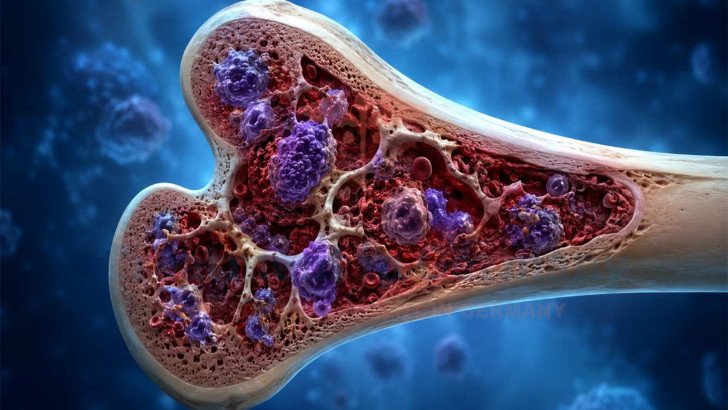
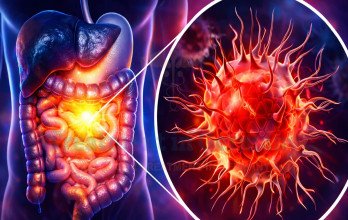
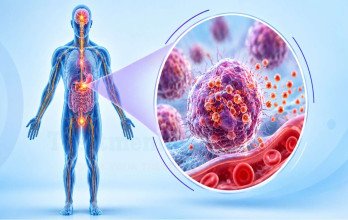
Multiple myeloma happens when healthy plasma cells become abnormal cells that multiply and produce abnormal antibodies.
Advanced Multiple Myeloma Treatment in Germany
Multiple myeloma is a complex blood cancer that often requires that often requires combination treatment approaches including targeted therapies, immunotherapy, corticosteroids, stem cell transplantation, and supportive care. Germany is increasingly recognized for advanced multiple myeloma treatment due to its academic transplant centres, cellular therapy programmes, and access to modern immunotherapy and multidisciplinary hematology teams within internationally recognized university hospitals. For international patients seeking evidence-based treatment with transparent coordination, Germany offers a broad network of university hospitals and specialist haematology centres for multiple myeloma care.
According to the most recent global data, an estimated 188,000 new cases of multiple myeloma and 121,000 related deaths were recorded worldwide in 2022, making it a significant haematological malignancy associated with substantial morbidity and mortality, particularly in older adults [1]. Multiple myeloma accounts for roughly 10% of all hematologic malignancies and is characterized by the uncontrolled growth of malignant plasma cells in the bone marrow [2]. Within Germany's network of specialized hematology hospitals in Germany, treatment is tailored carefully around each patient's disease stage, genetic risk profile, and previous treatment history.
For families facing a multiple myeloma diagnosis, one of the hardest parts is understanding which treatment options are realistic and where the most appropriate care may be available. In recent years, advances in transplant medicine, immunotherapy, and cellular therapies have significantly expanded what is possible for many patients antibodies and CAR T-cell therapy have improved treatment options for many patients with multiple myeloma. TIG GmbH supports international patients with a free initial case review, helping families explore suitable treatment pathways with experienced specialists in Germany
What Is Multiple Myeloma?
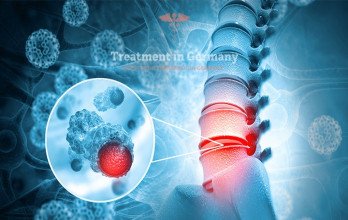
Multiple myeloma, also known as plasma cell myeloma, is a cancer of plasma cells in the bone marrow. Healthy plasma cells normally produce antibodies that fight infection. In multiple myeloma, malignant plasma cells proliferate in the bone marrow and produce a monoclonalprotein (M protein), which can contribute to organ dysfunction over time. The disease typically develops gradually, beginning as a precursor condition called MGUS (monoclonal gammopathy of undetermined significance), progressing to smoldering multiple myeloma, and finally to active disease requiring treatment.

The main organ damage from multiple myeloma is summarized by the CRAB criteria [2]: high calcium levels, renal impairment anaemia and bone pain, osteolytic lesions, fractures, hypercalcemia, anemia, renal impairment, and increased susceptibility to infections and bone leision. The clinical hallmarks of multiple myeloma include osteoporosis, hypercalcaemia, bone pain, and pathological fractures, with progressive damage to internal organs [2]. Many patients first present with persistent back pain, fragility fractures, recurrent infections, or unexplained kidney problems before the underlying diagnosis is established.
Symptoms of Multiple Myeloma
Many of the early signs of multiple myeloma are easily mistaken for ageing, arthritis, or general fatigue. Multiple myeloma symptoms that should always prompt further investigation include:
- Persistent bone pain, particularly in the back, ribs, or hips
- Unexplained fractures from minor injuries
- Ongoing fatigue and weakness
- Frequent infections that resist standard antibiotics
- Unexplained weight loss
- Numbness or tingling in the hands and feet
- Excessive thirst, increased urination, or confusion (signs of hypercalcemia) constipation, confusion, or lethargy
- Foamy urine (proteinuria) or reduced urine output suggesting kidney involvement
A confirmed diagnosis requires bone marrow biopsy, serum and urine protein electrophoresis, free light chain testing, imaging studies such as whole-body MRI or PET-CT, and cytogenetic analysis to determine genetic risk. This precise staging is what distinguishes care at Germany's leading hematology hospitals in Germany and guides every treatment decision that follows.
Stages of Multiple Myeloma and Prognosis
The stages of multiple myeloma are defined by the Revised International Staging System (R-ISS), combining tumour burden markers, cytogenetic abnormalities, and lactate dehydrogenase levels [2]. Three stages are recognized, ranging from lower-risk disease (Stage I) to higher-risk disease (Stage III), based on prognostic factors rather than symptom severity. While multiple myeloma remains classified as incurable, modern therapies have substantially improved outcomes. Modern therapies including proteasome inhibitors, immunomodulators, monoclonal antibodies, and autologous stem cell transplantation have substantially improved survival outcomes in multiple myeloma over the past two decades[2].
The multiple myeloma survival rate has improved meaningfully in recent decades. The introduction of new drug classes, maintenance therapy, and widespread use of autologous stem cell transplantation has substantially improved outcomes, particularly among transplant-eligible patients receiving combination therapy [3]. Recent studies suggest that survival outcomes for transplant-eligible patients have improved substantially compared with historical cohorts, reflecting advances in transplantation, maintenance therapy, and immunotherapy [4]. For families researching multiple myeloma prognosis and life expectancy with multiple myeloma, these numbers reflect the genuine progress modern haematology has delivered.
Patients may also encounter different clinical phases of the disease beyond the formal R-ISS staging system. Smoldering multiple myeloma refers to an asymptomatic precursor state in which abnormal plasma cells are present without end-organ damage, although progression to active disease remains possible over time. In contrast, relapsedmultiple myeloma describes disease that returns after an initial response to therapy, while refractory multiple myeloma refers to disease that no longer responds adequately to treatment. Individuals with advanced stage multiple myeloma, particularly those with relapsed or refractory disease, often require intensive multimodal treatment strategies incorporating newer targeted therapies, immunotherapy, and stem cell transplantation approaches to improve long-term outcomes.
Treatment Options for Multiple Myeloma in Germany
Treatment options for multiple myelomain Germany are organized around the patient's age, fitness, genetic risk, and disease stage. The current best treatment for multiple myeloma in newly diagnosed patients combines induction therapy with multiple drug classes, high-dose chemotherapy plus stem cell transplant for eligible patients, and maintenance therapy to delay relapse. For those experiencing relapsed multiple myeloma or refractory multiple myeloma, newer options including CAR T-cell therapy, bispecific antibodies, and cellular vaccines are increasingly available within Germany's regulated specialist centers. For an individualized assessment of which therapies suit your case, TIG GmbH coordinates direct evaluation with leading multiple myeloma specialists in Germany.
Chemotherapy and Targeted Therapy
Treatment of multiple myeloma rarely relies on traditional cytotoxic chemotherapy alone and is instead based on targeted agents, immunotherapy, and combination regimens. The standard backbone of targeted therapy for multiple myeloma combines proteasome inhibitors (bortezomib, carfilzomib, ixazomib), immunomodulators (lenalidomide, pomalidomide), and anti-CD38 monoclonal antibodies for multiple myeloma such as daratumumab and isatuximab. Quadruplet induction therapy combining a proteasome inhibitor, an immunomodulator, daratumumab, and dexamethasone has become the new standard for transplant-eligible patients [3]. These combinations have transformed first-line outcomes and form the foundation of any advanced multiple myeloma treatment plan.
Stem Cell Transplant for Advanced Multiple Myeloma Treatment in Germany
Autologous stem cell transplantation using high-dose melphalan remains an important treatment option for eligible newly diagnosed patients.for over 30 years [3]. The procedure involves collecting the patient's own stem cells, delivering high-dose chemotherapy to clear residual disease, and reinfusing the stem cells to rebuild the bone marrow.

Autologous stem cell transplant in Germany is performed at certified academic transplant centres with full intensive care backup and infection-control infrastructure. Although autologous stem cell transplantation can achieve deep and durable remissions, multiple myeloma is generally considered a chronic, relapsing disease. Bone marrow transplant for multiple myeloma typically takes place after 3 to 6 cycles of induction therapy, followed by maintenance treatment to extend remission.
The cost of stem cell therapy at in Germany is approximately €20,000, with TIG GmbH handling all coordination from initial evaluation through discharge and follow-up.
CAR T-Cell Therapy for Multiple Myeloma
CAR T-cell therapy for multiple myeloma or relapsed or refractory multiple myeloma. The treatment involves collecting the patient's own T cells, genetically engineering them to recognise a specific protein (BCMA) on myeloma cells, expanding them in the laboratory, and reinfusing them. Two BCMA-directed CAR T-cell therapies have received regulatory approval for relapsed or refractory multiple myeloma[5].

The KarMMa-3 phase 3 trial demonstrated that ide-cel significantly prolonged progression-free survival with ide-cel compared with standard regimens in triple-class–exposed patients [5]. CAR T-cell therapy in Germany is now offered at certified academic centres under strict regulatory oversight by the Paul-Ehrlich-Institut, with the procedure requiring 4 to 6 weeks from cell collection through to infusion.
Although CAR T-cell therapy has produced high response rates in heavily pretreated patients, long-term durability and optimal sequencing continue to be studied [5].
Dendritic Cell Therapy forAdvanced Multiple Myeloma Treatment in Germany

Immunotherapy for multiple myeloma continues to expand rapidly, with dendritic cell-based vaccines forming one of the most actively researched approaches under investigation in multiple myeloma. Dendritic cell therapy is a personalised cellular cancer immunotherapy that trains the patient's own immune system to recognize and attack myeloma cells. Immune cells are collected from the patient through a standard blood draw, matured into active dendritic cells in a GMP-certified laboratory, loaded with tumour-specific antigens, and reinfused to activate cytotoxic T cells against residual disease. Current clinical evidence for dendritic cell therapy in multiple myeloma remains limited, and the approach is currently considered investigational rather than standard guideline-based treatment within major international multiple myeloma guidelines.
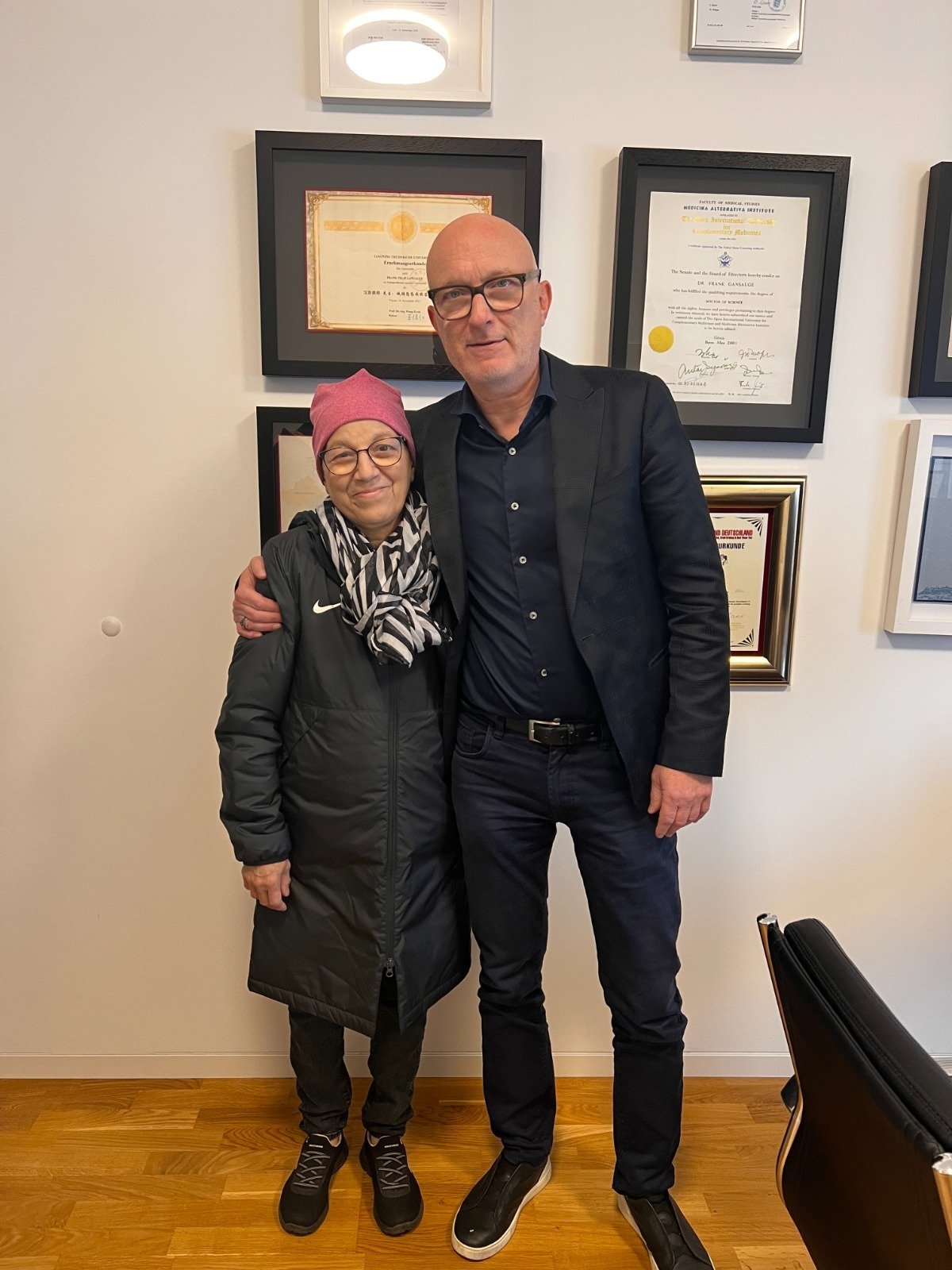
Cancer vaccines can be delivered through various platforms including peptide, RNA, DNA, viral, and dendritic cell vaccines, and remain an active area of clinical investigation in multiple myeloma [6]. Clinical evidence for dendritic cell therapy in multiple myeloma remains limited, and the approach should currently be regarded as investigational rather than standard guideline-based therapy [6]. The cost of dendritic cell therapy in Germany is approximately €27,000 for total course, delivered by Prof. Gansauge at LDG Laboratories.
Treatment decisions should always be based on current international guidelines, specialist evaluation, and the patient’s overall clinical condition. Some immunotherapy and cellular approaches discussed remain investigational and may not yet be considered standard of care.
For international patients wondering how to begin the evaluation process, TIG GmbH provides a free case review within 24 hours, including a personalised plan for combining standard and investigational therapies if clinically appropriate.
Who Is Eligible for Stem Cell Transplant, CAR T-Cell Therapy, or Dendritic Cell Therapy (DCT)?
Eligibility for advanced multiple myeloma therapies depends on the patient’s overall health, organ function, disease stage, and prior treatments. Autologous stem cell transplant is typically offered to medically fit patients with good heart, lung, liver, and kidney function. CAR T-cell therapy is mainly used for relapsed multiple myeloma or refractory multiple myeloma after several prior treatment lines, while Dendritic Cell Therapy (DCT) remains an investigational immunotherapy considered for selected patients at specialised centres. Final eligibility is determined through comprehensive evaluation by specialist haematology teams.
Limitations and Important Considerations
Although modern therapies have improved outcomes significantly, multiple myeloma remains a chronic and often relapsing disease. Important considerations include infection risk, treatment-related side effects, prolonged recovery time, financial cost, and the possibility of relapse despite therapy. CAR T-cell therapy may also cause cytokine release syndrome and neurological complications, requiring treatment at experienced academic centres with intensive monitoring capability.
Why Germany Stands Out for Multiple Myeloma Care
Several factors make multiple myeloma treatment in Germany a leading international choice. Patients gain access to:
- Certified academic transplant centres with decades of experience
- Strict regulatory oversight from the Paul-Ehrlich-Institut
- Specialist haematology teams across leading hospitals in Germany for multiple myeloma
- Active participation in international clinical trials
- Comprehensive support for international patients including medical visa Germany cancer treatment
- Fixed transparent pricing through coordination platforms such as TIG
Leading Hospitals in Germany for Multiple Myeloma Treatment
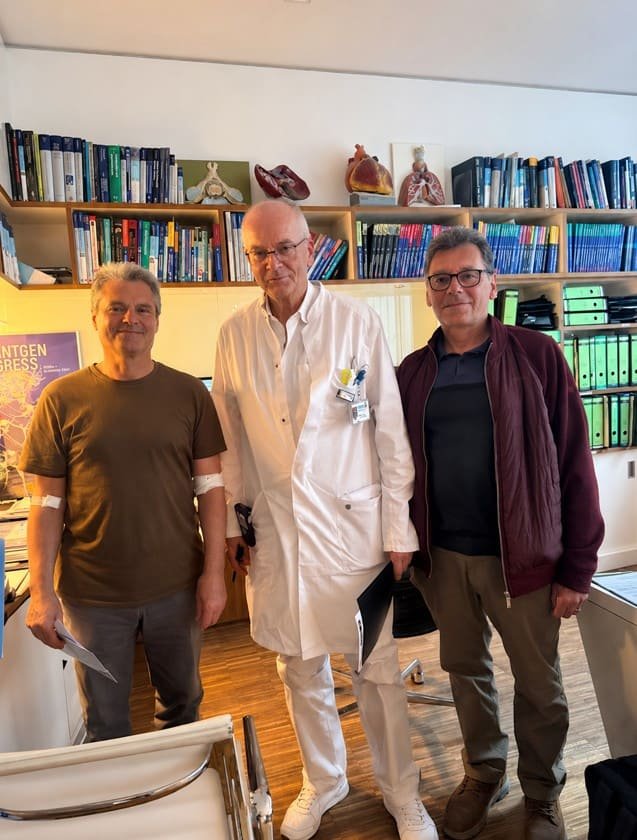
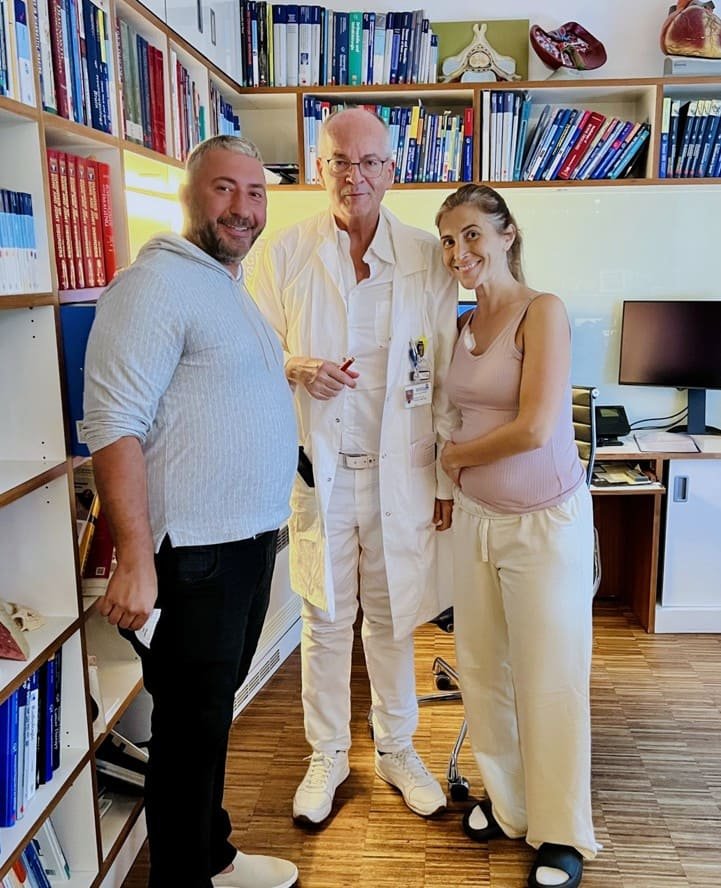
International patients access these leading German clinics for multiple myeloma through the TIG coordination network:

How TIG GmbH Supports International Multiple Myeloma Patients
TIG GmbH is an officially registered patient coordination platform that connects international patients with certified hospitals and leading specialists across Germany. From first contact through to long-term follow-up, the team handles every step of the journey. Services include:
- Free initial case review by experienced medical coordinators
- Specialist matching based on disease stage, prior treatment, and genetic risk
- Priority appointment scheduling at leading multiple myeloma specialists in Germany
- Comprehensive medical visa Germany cancer treatment support
- Direct hospital payments with full financial transparency
- Dedicated coordinator and interpreter assistance throughout the stay
- Continuous follow-up coordination after returning home
To begin your journey toward advanced multiple myeloma treatment in Germany, you can submit your medical reports to TIG GmbH for a personalised response within 24 hours.
References
Related Articles:
Multiple Myeloma Treatment with Dendritic Cell Therapy in Germany
Why Patients Worldwide Prefer Our Medical Services in Germany – Key Benefits Explained


























.webp)
 (1).webp)

.webp)
.jpg)

 (1).webp)
.jpg)