
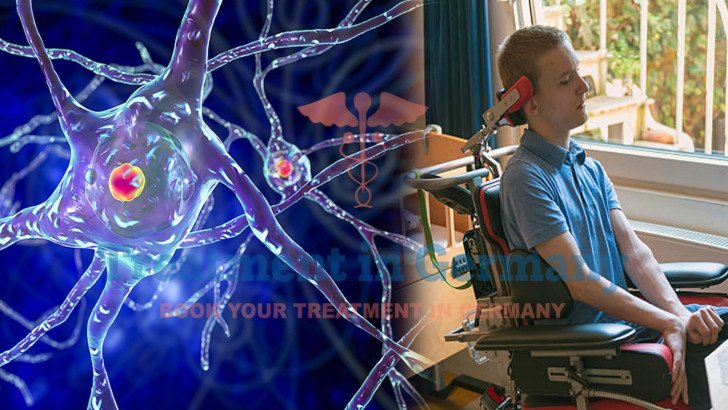
Motor neurone disease (MND) is a rare condition that progressively damages parts of the nervous system.
Motor Neurone Disease Treatment in Germany
Motor neurone disease (MND) is a neurodegenerative disorder that progressively debilitates the motor nerve cells responsible for controlling muscles. Life with MND is challenging, but Germany offers promising advanced treatments in its high-end healthcare system and approaches to complete care.
Why Go to Germany for Neurological Care?
German healthcare facilities are globally known for the best medical services in the treatment of muscular and neural disorders. The country employs classical medical therapies, together with the use of advanced innovative treatments, and hence is the most sought-after place by patients requiring specialized care for disorders of the spinal cord along with the degeneration of nerve cells.
Advanced Medical Camps
- Berlin Charité University Hospital
- Munich Technical University Hospital
- Heidelberg University Hospital
- Frankfurt University Hospital
Specialized treatment in the above camps using the latest technology and excellence by the treating medical team for progressive neurological problems.
Treatment Available Options
Medication Follow-up therapy
German neurologists use the latest FDA and EMA-approved medicines to manage the symptoms of MND these include:
- Riluzole slows down the disease progression.
- Edaravone acts like an antioxidant.
- Symptom-Specific Drugs according to patient.
Physical Therapy Programs
In German hospitals, there are specialized treatment programs for muscle weakness disease. These include:
- Focused strengthening of individual weak muscles.
- Physiotherapy, especially with a view to improving efficiency in breathing.
- Physiotherapy concerning coordination of movement.
- Techniques for balancing improvement.
Advanced Therapeutic Approaches
Stem Cell-Based Research and Treatment
Many of the German medical centers carry out innovative research in stem cell therapy for the treatment of neuromuscular diseases. Though it is an experiment so far, these treatments have shown potential in the following respects:
- Nerve cells regeneration
- Increasing muscle strength
- Progression of the disease in slowing
Respiratory Support Equipment
State of the Art Respiratory Support in Neurological Conditions
Through advanced care in neurology, respiratory support is taken to a more sophisticated level in Germany that includes:
- Non-invasive ventilation
- Modern breathing-assistive devices
- Respiratory system evaluation
- Tailored breathing exercises
Comprehensive Care Program
This treatment is done through a comprehensive multidisciplinary team that involves:
- Neurologists
- Physiotherapists
- Speech therapists
- Occupational therapists
- Nutritionists
- Psychiatrists/psychologists
Quality of Life Hold Focus
German hospitals strive to make changes in the daily lives of patients by:
- Mobility aids
- Communication devices
- Home adaptation counseling
- Dietary advice
Treatment Procedure and Duration
Initial Assessment
It begins with a scheduled checkup that includes:
- Detailed medical history
- Physical Check-up
- Diagnostic procedures
- Preparation for the treatment
Follow-up Care
Follow-up care involves the following:
- Therapy every week
- monthly repeated evaluation
- Treatment might be changed if needed.
- Follow-up by experts
Making the Decision
If one wants to seek treatment in Germany, he/she must never forget:
- Steps to Take
- Gather medical papers
- Contact preferred German hospitals
- Talk to experts on treatment
- Make travel and accommodation arrangements
- Prepare for additional support while receiving treatment
Future Outlook
German medical care institutes are constantly enhancing treatment of neurological disorders through:
- Well-structured research programs
- Clinical trials
- New treatment options
- Cross-border collaboration
The experience of medical practitioners, advanced technology, and comprehensive care make Germany the best destination for motor neurone disease treatment. The journey might seem too long, but the support systems in place ensure patients get the best assistance for their condition.

.webp)
 (1).webp)
.webp)
.jpg)
 (1).webp)
.jpg)