
15 min read 265 clicks
An astrocytoma is a type of glioma, a brain tumour that develops from cells called astrocytes. In adults, diffuse astrocytomas grow into nearby brain tissue, making complete removal difficult. IDH-mutant gliomas are among the most common malignant brain tumours in adults under 50 [1]. For patients considering astrocytoma treatment in Germany, specialists plan care based on the tumour's grade, genetic changes and MRI findings. Treatment is coordinated by a neuro-oncology team as part of brain cancer treatment in Germany.
Astrocytoma Types and Grades
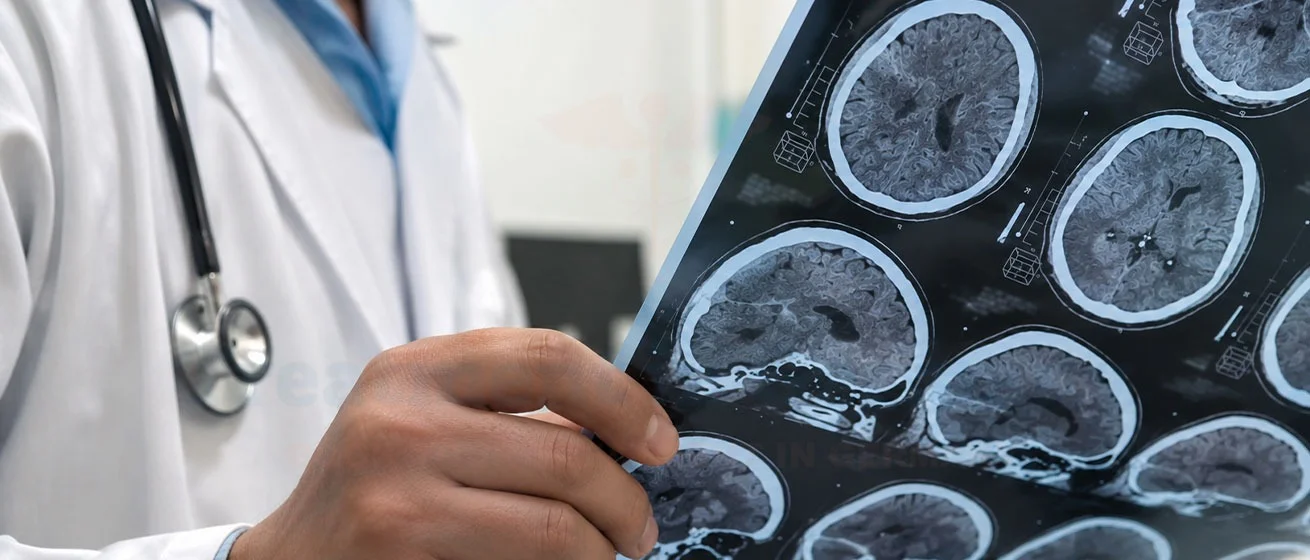
Astrocytomas are classified by their genetic changes and graded by how quickly they are likely to grow. Both help specialists plan treatment.
Types of Astrocytoma
Under the 2021 WHO classification, adult-type diffuse astrocytomas have a mutation in the IDH1 or IDH2 gene. The diagnosis is recorded as "astrocytoma, IDH-mutant", with a CNS WHO grade of 2, 3 or 4. Older terms such as diffuse astrocytoma and anaplastic astrocytoma may still appear in medical reports. Testing also confirms the absence of 1p/19q codeletion, which distinguishes astrocytoma from oligodendroglioma. IDH status helps doctors predict tumour behaviour and choose treatment. IDH-mutant astrocytomas generally have a better outlook than aggressive IDH-wildtype gliomas, and some can now be treated with IDH-targeted medicine.
Astrocytoma Grades 2, 3 and 4
A grade 2 astrocytoma grows slowly, while a grade 3 astrocytoma shows more abnormal, actively dividing cells and grows faster.
An IDH-mutant astrocytoma is classified as grade 4 when testing shows dead tumour tissue (necrosis), abnormal blood vessel growth or loss of both copies of the CDKN2A/B genes. This gene loss occurs in about 22% of IDH-mutant astrocytomas [2]. Grade 4 IDH-mutant astrocytoma is different from IDH-wildtype glioblastoma, although treatment approaches may overlap.
Astrocytoma Symptoms and Diagnosis
Astrocytoma symptoms depend on the tumour’s size and location. Diagnosis combines MRI with tissue testing to confirm the tumour type and grade.
Astrocytoma Symptoms
An astrocytoma most often comes to attention through:
- A first seizure, which is a common early sign in lower-grade tumours.
- New, persistent or progressively worsening headaches, which may sometimes be associated with increased intracranial pressure.
- Changes in speech, such as difficulty finding words.
- Memory problems, slower thinking or a change in personality.
How Astrocytoma Is Diagnosed in Germany
Doctors first assess a suspected astrocytoma using contrast-enhanced MRI. A tissue sample, collected during surgery or a needle biopsy, is usually needed to confirm the diagnosis. German specialists test for genetic markers such as IDH, ATRX, 1p/19q, CDKN2A/B and MGMT, with additional testing when required. MGMT promoter methylation testing may also be performed when clinically relevant to treatment planning, particularly in glioblastoma, IDH-wildtype. For a second opinion, existing tissue samples can often be reviewed without another operation.
Astrocytoma Treatment Approaches in Germany
Astrocytoma treatment depends on the tumour's grade, genetic profile, surgery results, symptoms and overall health. Depending on these findings, doctors may recommend one or more of the following approaches.
| Approach | Main role | Status |
|---|---|---|
| Surgery (resection or biopsy) | Removes tumour and provides tissue for diagnosis | Standard care |
| Active monitoring with MRI | Delays further treatment in selected grade 2 tumours | Standard care for selected patients |
| Radiotherapy | Controls remaining tumour after surgery | Standard care |
| Chemotherapy (temozolomide or PCV) | Given after or together with radiotherapy | Standard care |
| IDH inhibitor tablet | Delays tumour growth in selected grade 2 IDH-mutant astrocytomas after surgery | Standard care for a narrow group |
| Dendritic cell therapy | Immune-based treatment alongside standard care | Specialised immune-based treatment for selected patients |
| Laser-induced thermotherapy (LITT) | Heat treatment of small or deep tumours | Selected use |
| Clinical trials | Access to new drugs and strategies | Selected use |
Surgery and Active Monitoring in Germany
Surgery aims to remove as much tumour as safely possible and collect tissue for diagnosis. Removing more tumour while protecting brain function may improve disease control [3]. An MRI shortly after surgery shows how much tumour remains and helps doctors plan further treatment.
When a tumour is near areas controlling speech or movement, astrocytoma surgery in Germany may involve awake brain surgery. The team checks important brain functions during the procedure to help protect them. MRI, ultrasound or fluorescent imaging may also guide safe tumour removal.
Active monitoring may be suitable for selected grade 2 astrocytomas, particularly in younger patients with little or no tumour remaining after surgery and controlled symptoms [3]. Regular MRI scans help doctors detect changes and decide when further treatment is needed.
Radiation Therapy and Chemotherapy by Grade
Radiotherapy targets the tumour and nearby areas where cancer cells may remain. Chemotherapy for brain cancer with temozolomide or PCV (procarbazine, lomustine and vincristine) helps control remaining tumour cells. Studies show that adding chemotherapy to radiotherapy improves survival in certain lower-grade gliomas [3].
Grade 2 astrocytoma treatment depends on the tumour remaining after surgery, symptoms and other risk factors. Higher-risk patients often receive radiotherapy followed by chemotherapy, while selected lower-risk patients may have regular MRI monitoring. In a Munich study of 183 patients with grade 2 or 3 IDH-mutant astrocytoma, median disease control was 3.4 years with temozolomide alone versus 6.2 years with radiotherapy [4].
Grade 3 astrocytoma treatment usually involves radiotherapy followed by temozolomide chemotherapy. This is the recommended approach for IDH-mutant grade 3 astrocytoma, while other treatment schedules may be considered individually [8].
Grade 4 astrocytoma treatment for IDH-mutant tumours may follow a glioblastoma-like approach, using radiotherapy with temozolomide followed by further chemotherapy. Specialists may also use a grade 3 treatment approach, depending on the individual case [2].
Targeted Therapy for IDH-Mutant Astrocytoma
Targeted therapy for astrocytoma includes vorasidenib, a tablet that blocks abnormal IDH1 and IDH2 enzymes involved in tumour growth. In a clinical trial involving 331 patients with grade 2 IDH-mutant glioma, vorasidenib reduced the risk of tumour progression or death by 61% compared with placebo [5].
| Treatment | Median progression-free survival (months) |
|---|---|
| IDH inhibitor (vorasidenib) | 27.7 |
| Placebo | 11.1 |
Source: Mellinghoff et al., N Engl J Med 2023 (INDIGO trial, 331 patients) [5]
Vorasidenib (Voranigo) received European Union marketing authorisation on 17 September 2025 for adults and adolescents aged 12 years and older, weighing at least 40 kg, with predominantly non-enhancing CNS WHO grade 2 astrocytoma or oligodendroglioma harbouring an IDH1 R132 or IDH2 R172 mutation, following surgical intervention, including biopsy or resection, when immediate radiotherapy or chemotherapy is not required.
- Suitable: Predominantly non-enhancing grade 2 tumours after surgery, when radiotherapy or chemotherapy is not immediately needed.
- Not suitable under the EU approval: Grade 3 or 4 tumours, disease requiring immediate radiotherapy or chemotherapy, or patients who have already received these treatments.
Regular blood tests are needed to monitor liver function, as vorasidenib can increase liver enzyme levels.
Innovative Treatment Options for Astrocytoma in Germany
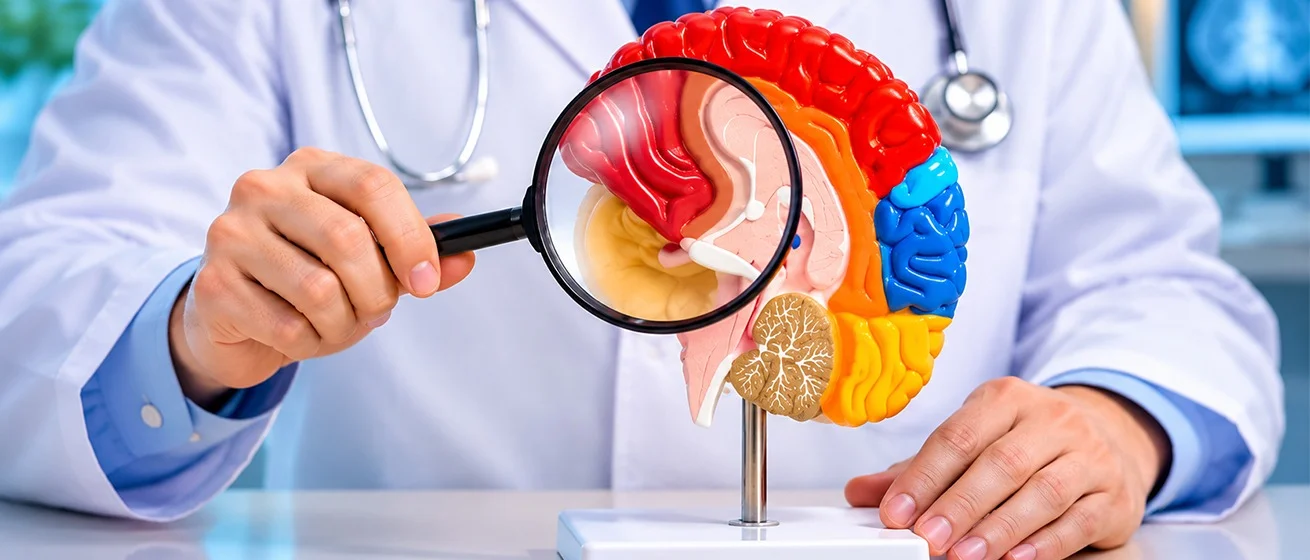
Specialised treatments may offer additional options for selected patients, depending on the tumour and previous care. Their suitability is assessed individually alongside established treatments.
Dendritic Cell Therapy for Grade 3 and 4 Astrocytoma
Dendritic cell therapy for astrocytoma is a personalised immune-based treatment using the patient's own cells. These cells are prepared to help the immune system recognise and respond to tumour cells [6].
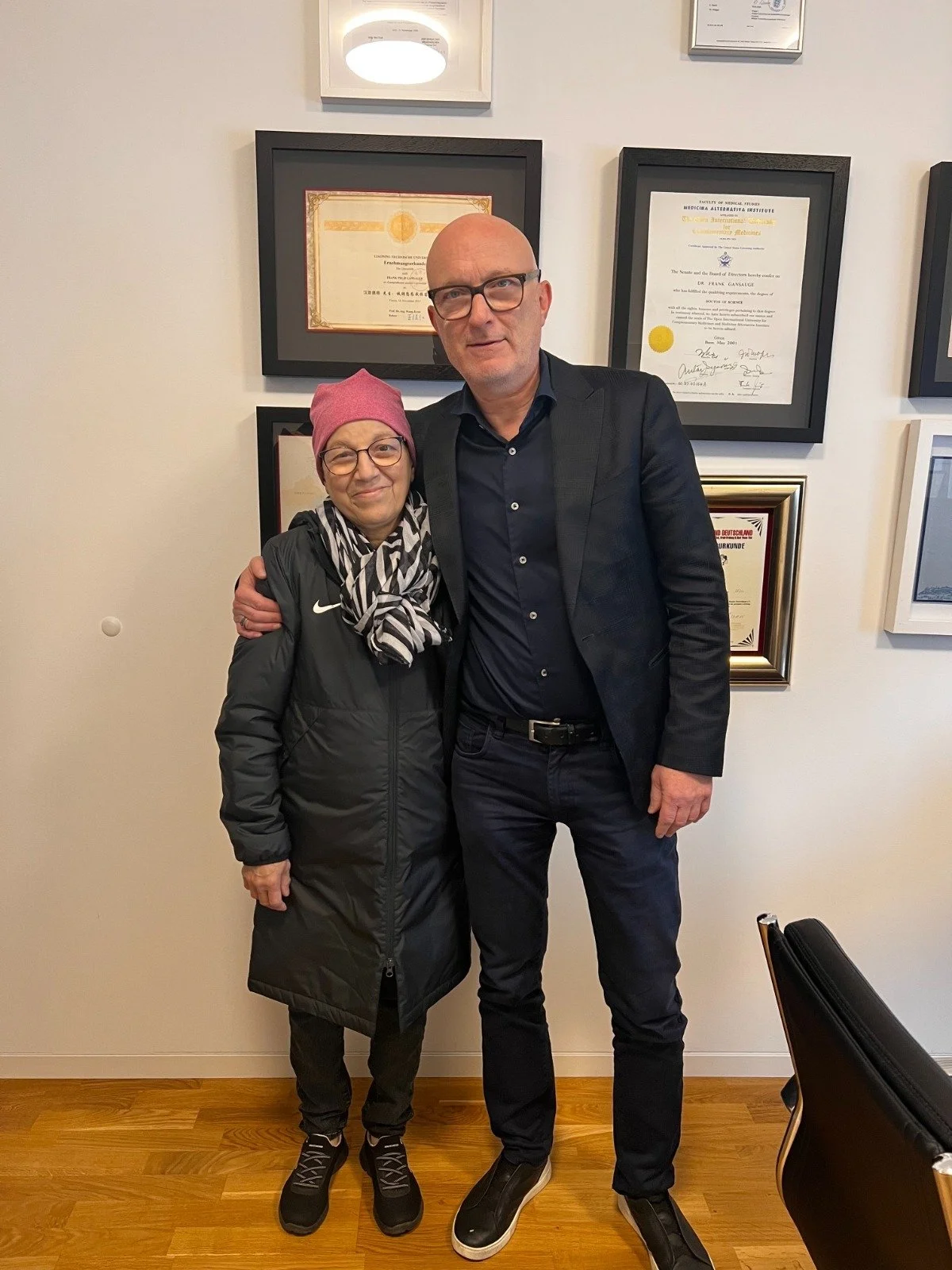
Immune cells are collected from the patient's blood and prepared with tumour material in a laboratory. The resulting vaccine is given by injection. In Germany, LDG LANEX-DC in Berg provides this therapy, with Prof. Dr. Frank Gansauge specialising in dendritic cell treatment.
Dendritic cell therapy may be considered as an additional option for selected patients with grade 3 or 4 astrocytoma or recurrent disease. It aims to strengthen the immune response against tumour cells and may offer an additional approach for selected patients, although its effect on survival remains uncertain. Suitability depends on overall health, previous treatment and steroid use. Published reviews report generally manageable side effects, mainly flu-like symptoms and injection-site reactions [6]. Further details are available on the dendritic cell therapy for brain cancer page.
Laser-Induced Thermotherapy (LITT) for Astrocytoma
Laser-induced thermotherapy (LITT) is a minimally invasive laser treatment for astrocytoma that uses heat to destroy targeted tumour tissue. A thin probe is inserted through a small opening in the skull, while MRI guides treatment and monitors temperature. It is available at specialised neurosurgical centres.
LITT for brain cancer may be considered for selected small or deep tumours, particularly when open surgery carries greater risks or the tumour returns. It aims to control the treated area. In a study of 22 patients with grade 2 or 3 IDH-mutant glioma, three experienced complications, including one with severe brain swelling [7]. Suitability and risks are assessed individually. Further details are available on the LITT page.
Clinical Trials and Molecular Testing for Astrocytoma
Molecular testing helps doctors classify astrocytomas, predict tumour behaviour and select treatments. Markers such as IDH, CDKN2A/B and MGMT may also help identify suitable clinical trials, including studies of targeted drugs, immunotherapy and IDH1 vaccines [1]. MGMT promoter methylation and other treatment-related molecular findings may also be relevant to specific trials, depending on the tumour type and previous treatment history. German university hospitals participate in neuro-oncology trials, and specialists can assess eligibility based on the tumour's genetic profile and previous treatment.
Treatment for Recurrent Astrocytoma in Germany
Astrocytoma can return near its original location, sometimes at a higher grade. MRI helps detect recurrence, although treatment-related changes can resemble tumour growth. Previous temozolomide treatment may also cause additional genetic changes including hypermutation and alterations in DNA mismatch-repair pathways, which can influence tumour behaviour and the selection of further treatment options [1]. Before choosing recurrent astrocytoma treatment, doctors may recommend further imaging, repeat surgery or biopsy when clinically appropriate.
A German neuro-oncology tumour board typically considers:
- Repeat surgery, when safe, to remove tumour and reassess the diagnosis.
- Radiotherapy for brain cancer or carefully planned repeat radiation in selected cases.
- Alternative chemotherapy, such as lomustine-based treatment.
- Clinical trials based on tumour genetics and previous treatment.
- Specialised options such as dendritic cell therapy or LITT for selected patients.
Astrocytoma Prognosis and Follow-Up
The outlook for an IDH-mutant astrocytoma depends mainly on:
- Grade, including CDKN2A/B status.
- IDH status, as IDH-mutant tumours do better than IDH-wildtype glioma.
- How much tumour was removed at surgery.
- Age and general fitness.
In a Munich study of grade 2 and 3 IDH-mutant astrocytoma, median overall survival exceeded 10 years across treatment groups [4]. However, these findings reflect selected patients and cannot predict individual outcomes.
Follow-up after treatment usually includes:
- MRI every three to six months in the first years, more often for grade 4 tumours, with longer gaps once the disease is stable.
- Regular review of seizure control and antiseizure medicine.
- Support for tiredness, memory, concentration, return to work and family planning.
- Rehabilitation and psychological care where needed.
After treatment in Germany, patients can receive MRI images and medical reports to support follow-up with their local doctors. The German team may review additional scans when needed.
Specialist Centres for Astrocytoma Treatment in Germany
Astrocytoma treatment in Germany is often coordinated by multidisciplinary teams at specialised neuro-oncology centres. Neurosurgeons, neuro-oncologists, radiation specialists and other experts review the diagnosis and recommend treatment. The German Cancer Society (DKG) certifies neuro-oncology centres that meet defined quality standards.
Centres involved in astrocytoma care include:
- Neurosurgery: University Hospital Münster, UKE Hamburg, Charité Berlin and Helios Berlin-Buch.
- Neuro-oncology: University Hospital Heidelberg.
- Dendritic cell therapy: LDG LANEX-DC, Berg (Prof. Dr. Frank Gansauge).
Patient Journey for Astrocytoma Treatment in Germany
For international patients, the route from first contact to follow-up at home usually runs in this order:
- Submit MRI images, pathology reports and treatment history.
- German specialists review the medical records.
- A treatment recommendation and individual cost estimate are provided.
- Invitation letters and visa guidance are provided when required.
- Travel and treatment-related arrangements are coordinated.
- Treatment and monitoring follow the specialist's plan.
- Medical reports and follow-up recommendations are provided.
Astrocytoma Treatment Cost in Germany
Astrocytoma treatment cost in Germany depends on the tumour grade, required therapies and hospital care. Costs may include surgery, radiotherapy, chemotherapy, targeted therapy or specialised procedures. An individual estimate is prepared after medical review. Further details are available in our guide to brain cancer treatment costs in Germany.
Treatment in Germany (TIG GmbH) helps international patients connect with German specialists and coordinates appointments, medical documentation and travel-related arrangements. Patients can submit MRI scans and pathology reports for specialist review to explore suitable treatment options.
References
Why Patients Worldwide Prefer Our Medical Services in Germany – Key Benefits Explained
International patients planning astrocytoma treatment in Germany may need support with hospital consultations, medical documentation, translations, and travel arrangements. TIG GmbH helps coordinate these practical steps and communication with healthcare providers according to each patient's needs and the services agreed.
If you are unsure about a diagnosis or the recommended plan, a second opinion from German specialists can also be arranged based on your medical records.
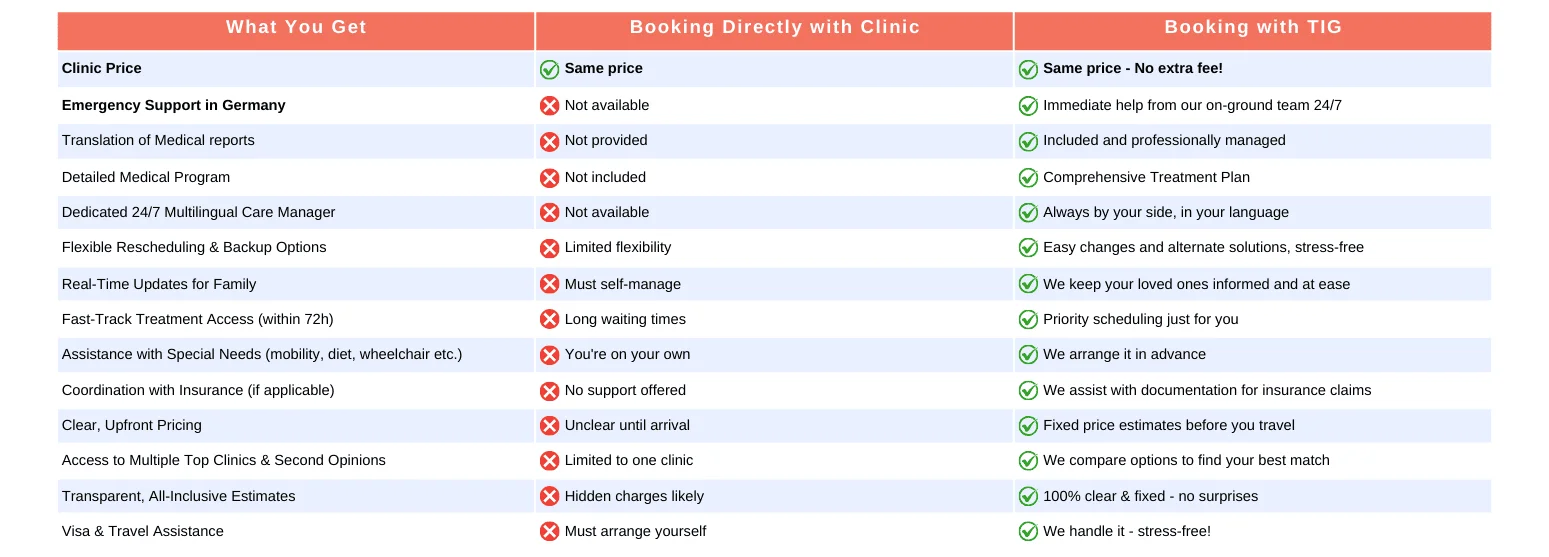
The table above compares the support and coordination services offered through TIG GmbH for astrocytoma treatment in Germany with the arrangements patients may need to manage when booking directly with a clinic.
Frequently Asked Questions About Astrocytoma Treatment in Germany
1. Is astrocytoma curable?
Diffuse astrocytoma is usually difficult to cure completely because tumour cells can spread into nearby brain tissue. However, surgery, radiotherapy, chemotherapy and targeted therapy may help control the disease for many years in selected patients.
2. What is the life expectancy for grade 2 and grade 3 astrocytoma?
Life expectancy for grade 2 and grade 3 astrocytoma varies with tumour genetics, surgery results, age and treatment response. Some patients live for many years, but individual outcomes cannot be predicted from tumour grade alone.
3. What are the treatment options for grade 2, 3 and 4 astrocytoma?
Grade 2 astrocytoma treatment may include monitoring, surgery, radiotherapy, chemotherapy or targeted therapy. Grade 3 usually requires radiotherapy and chemotherapy, while grade 4 often needs more intensive treatment following surgery, depending on individual findings.
4. Can an astrocytoma brain tumour be completely removed with surgery?
Astrocytoma surgery can remove all visible tumour in some patients, depending on its location. However, microscopic cells may remain in surrounding brain tissue, making further treatment or regular MRI monitoring necessary for some patients.
5. What are the treatment options for recurrent astrocytoma?
Recurrent astrocytoma treatment may include repeat surgery, radiotherapy, chemotherapy or clinical trials. Specialists may also consider LITT or dendritic cell therapy for selected patients, depending on previous treatments, tumour characteristics and overall health.
6. Is vorasidenib available for astrocytoma treatment in Germany?
Yes, vorasidenib is authorised in the EU for selected patients with grade 2 IDH-mutant astrocytoma following surgery. It may delay tumour progression when immediate radiotherapy or chemotherapy is unnecessary and eligibility criteria are met.
7. Can I get a second opinion for astrocytoma treatment in Germany?
Yes, German neuro-oncology specialists can review MRI scans, pathology reports and existing tissue samples. A second opinion may help confirm the astrocytoma diagnosis, assess treatment options and guide decisions about further medical care.
8. Can dendritic cell therapy be used for astrocytoma treatment?
Dendritic cell therapy for astrocytoma may be considered for selected patients, particularly with recurrent or higher-grade tumours. It aims to stimulate the immune system against cancer cells, although survival benefits remain unconfirmed in trials.
Frequently asked questions
It can. A specialist second opinion may clarify the pathology, molecular classification, MRI findings or whether further surgery is feasible. It may confirm the original treatment plan or identify a different approach. This can be particularly useful when the diagnosis is unusual, molecular testing is incomplete or major treatment decisions are being considered.
Yes. If progression is confirmed, the team reviews the tumor location, current neurological function and previous surgery, radiotherapy and systemic treatment. Depending on the situation, options may include repeat surgery, re-irradiation, another systemic treatment, molecular reassessment, a clinical trial or supportive care. Treatment is individualized for each patient.
Yes, in selected patients. Residual tumor does not automatically mean that immediate radiotherapy or chemotherapy is required. The decision depends on the tumor type and grade, molecular findings, tumor location, symptoms, amount of residual disease and whether serial MRI shows convincing growth. Stable residual disease may sometimes continue to be monitored.
Yes. Molecular testing can refine or change the integrated diagnosis and therefore affect the treatment plan. IDH status and 1p/19q codeletion help define the tumor type, while MGMT promoter methylation can help estimate the likely benefit of temozolomide in relevant clinical settings. Results are interpreted with the complete clinical picture.
Because the tumor type is only one part of the decision. CNS WHO grade, molecular findings, tumor location, amount removed, neurological symptoms, age, general health and evidence of growth all matter. Two patients with the same tumor type can therefore need different treatment, even at a similar stage of care.
Yes, for selected gliomas. Active surveillance uses planned MRI and clinical follow-up rather than leaving the disease untreated. It may be appropriate when the integrated diagnosis, symptoms, amount of residual tumor and imaging findings support delaying treatment. Active treatment is reconsidered if there is convincing tumor growth or an important clinical change.
Sometimes, particularly as the initial approach. After maximal safe resection of selected CNS WHO grade 2 IDH-mutant astrocytomas, immediate additional treatment may not be required. Follow-up still continues with clinical assessment and MRI because diffuse gliomas can leave microscopic tumor cells and may later show new growth.
Yes, in selected patients. Some CNS WHO grade 2 IDH-mutant astrocytomas can be monitored after surgery when the clinical and molecular findings support delaying additional treatment. Vorasidenib may also be an option for eligible patients. Radiotherapy is considered when the tumor or clinical situation indicates a need for active treatment.
.webp)



.webp)



 (1).webp)
 (1).webp)

.webp)
.webp)