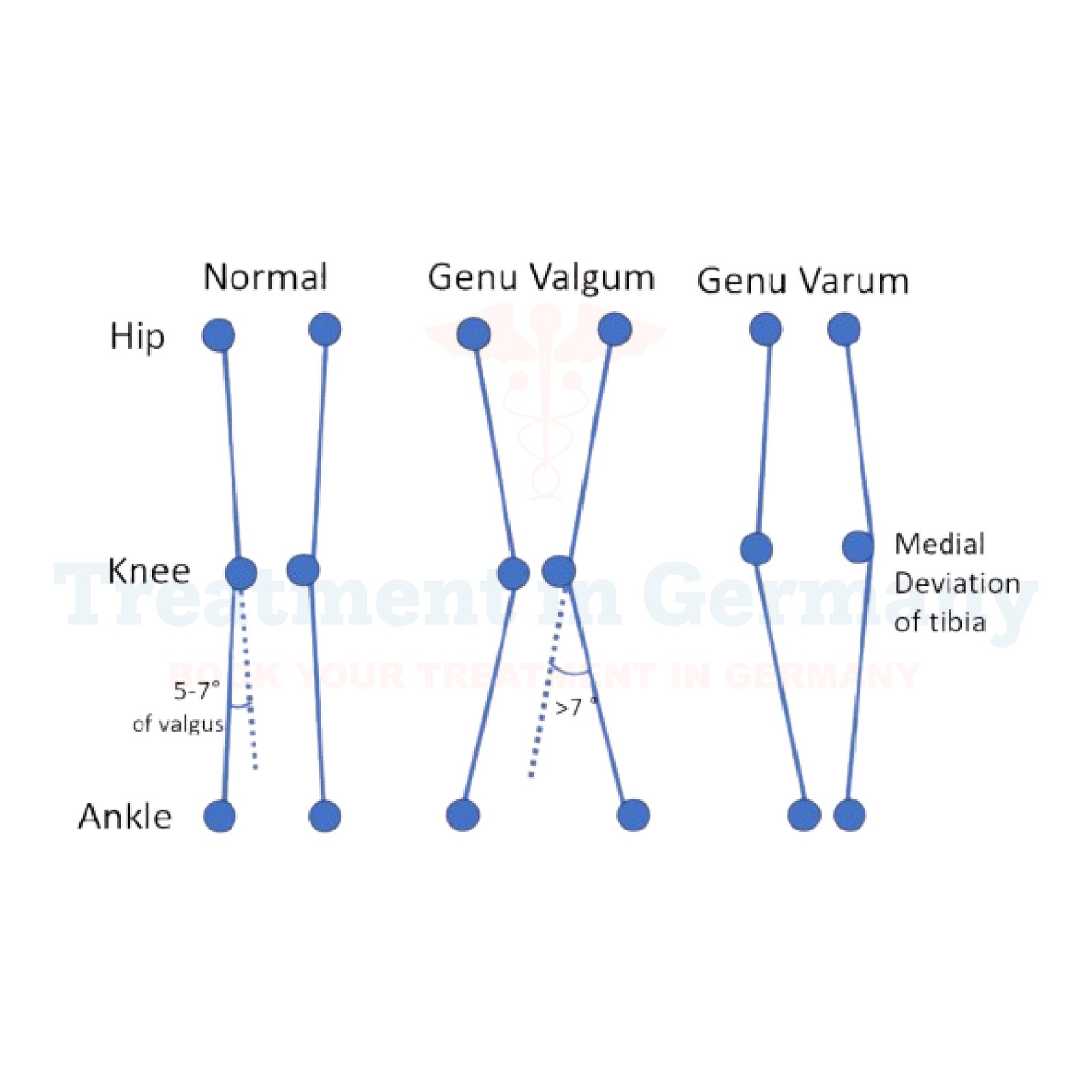
Understanding Genu Varum (Bowed Legs)
Genu Varum, commonly known as bowed legs, is a condition where the legs appear bowed outwards, causing the knees to be apart even when standing with the ankles together. This condition can affect individuals of all ages, from infants to adults, and can vary in severity.
Side Effects of Genu Varum (Bowed Legs)
The primary concern with untreated or severe cases of genu varum is the potential for joint problems later in life. These may include early-onset osteoarthritis due to uneven pressure on the joints, particularly the knees. In children, bowed legs can also impact walking and running efficiency and may lead to discomfort or pain in the legs.
Diagnosis of Genu Varum (Bowed Legs)
Diagnosing genu varum typically involves a physical examination by a healthcare professional, who will assess the alignment of the legs while the patient is standing and evaluate any associated symptoms. X-rays may be used to measure the degree of bowing and to assess the alignment of bones in more detail.
Potential Treatments for Genu Varum (Bowed Legs)
- Observation and Monitoring: Mild cases of bowed legs in infants often resolve on their own as the child grows and begins to walk. Regular check-ups with a pediatrician or orthopedic specialist are recommended to monitor progress.
- Bracing or Orthotics: In some cases, especially when the condition persists beyond infancy or is more severe, braces or orthotic devices may be prescribed. These can help guide proper bone alignment as the child grows.
- Surgical Intervention: For severe or persistent cases of genu varum, surgery may be recommended, particularly if there are concerns about joint health or if the condition is causing significant functional limitations. Surgical options include osteotomy (bone realignment) to correct the bowing.
👉 Contact us for further information and receive a complimentary consultation.
Consult German Specialists for Genu Varum (Bowed Legs)
Get a free evaluation of medical records and discover personalized treatment options in Germany.
.jpg)


.jpg)


 (1).webp)
 (1).webp)
.webp)
.webp)