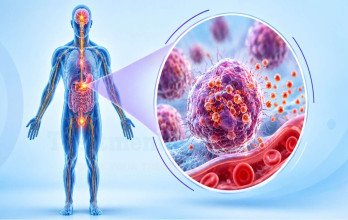

Breast cancer treatment in Germany depends on the cancer stage, hormone receptor and HER2 status, tumor characteristics, and overall health. This guide covers diagnosis, staging, surgery, chemotherapy, radiation, endocrine and targeted therapies, survival, treatment costs, and care at DKG-certified breast centers. It also explains what international patients can expect when arranging specialist review, treatment, travel, and follow-up care.
Details →
A breast cancer second opinion in Germany brings specialist review of pathology, imaging, biomarker results, and treatment history together to reassess a diagnosis or proposed treatment plan. Rather than replacing an existing care team, this kind of review offers an additional, evidence-based assessment that can help determine whether a recommendation remains appropriate, particularly when a diagnosis is complex, a major surgical decision is pending, or the disease has recurred. In Germany, this review can be coordinated through breast centers certified by the German Cancer Society (DKG), where multidisciplinary tumor boards bring surgery, medical and radiation oncology, radiology, and pathology together to review a case. Published studies show that second opinions sometimes support the original plan and sometimes change it, so results cannot be predicted for any individual patient.
Details →
Breast cancer treatment costs in Germany vary with the diagnosis, treatment plan and hospital services required. The article covers guide prices for diagnostics, surgery and specialised treatments, along with reconstruction, systemic therapy and radiotherapy. It also explains treatment quotations, leading breast cancer centres, how to compare hospitals, and common questions about deposits, doctor fees, hospital stays and follow-up care.
Details →
A guide to HER2-positive breast cancer treatment in Germany: how HER2 testing guides therapy, how antibody-based treatments, antibody-drug conjugates, and oral inhibitors are used before and after surgery and after progression, where European regulatory developments stand, and how international patients can arrange specialist assessment.
Details →
This guide explains how hormone and targeted therapy are used for hormone receptor-positive and BRCA-related breast cancer, including CDK4/6 inhibitors, PARP inhibitors, and newer biomarker-matched treatments, covering eligibility, side effects, monitoring, and care coordination in Germany.
Details →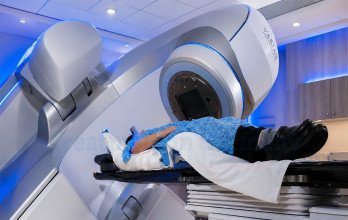
A guide to radiation therapy for breast cancer treatment in Germany, covering when radiation is recommended after breast-conserving surgery or mastectomy, the main techniques (EBRT, partial-breast irradiation, brachytherapy), typical treatment schedules, side effects and recovery, and how care is coordinated among German radiation oncology teams, plus answers to common patient questions.
Details →
Chemotherapy for early breast cancer is planned according to the cancer’s stage, receptor status and individual risk of recurrence. It may be given before surgery (neoadjuvant) or after surgery (adjuvant), commonly using anthracyclines and taxanes, with carboplatin or capecitabine in selected situations. Depending on the subtype, chemotherapy may be combined with HER2-targeted therapy or with the immunotherapy drug pembrolizumab. In Germany, treatment is planned by multidisciplinary teams in line with the national S3 guideline, and supportive care is used to prevent and manage side effects.
Details →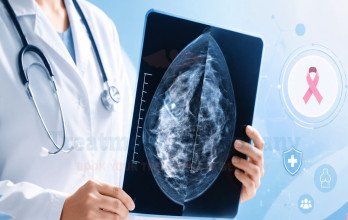
Breast cancer surgery generally involves lumpectomy (removing the tumor with a margin of surrounding tissue) or mastectomy (removing the entire breast), often alongside lymph node surgery and, when appropriate, reconstruction. For many appropriately selected early-stage cancers, both approaches can provide similar survival outcomes. The choice depends on tumor characteristics, treatment plans, reconstruction options, and personal preference.
Details →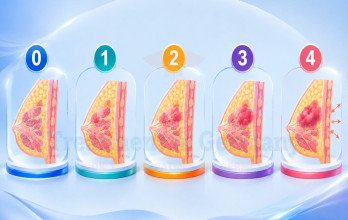
Breast cancer staging describes how far the disease has spread, while prognosis depends on several factors beyond stage alone. This guide explains breast cancer stages 0 to 4, including tumor size, lymph-node involvement, and distant metastasis, as well as tumor grade, hormone receptor and HER2 status, survival rates, breast cancer subtypes, and the factors that can influence individual outcomes.
Details →
Breast cancer includes several types and subtypes that differ in where they develop, whether they invade surrounding tissue, and which biomarkers they carry. This guide explains DCIS, LCIS, invasive ductal and lobular carcinoma, hormone receptor-positive, HER2-positive, and triple-negative breast cancer, along with other less common forms and how these classifications can influence diagnosis and treatment.
Details →
Breast cancer screening and diagnostic tests help doctors detect and evaluate breast abnormalities at different stages. This guide covers the main imaging methods, including mammography, ultrasound, and MRI, as well as biopsy and receptor testing used to confirm and characterize breast cancer. It also explains screening recommendations for different risk groups and the breast cancer diagnostic pathway in Germany.
Details →
Breast cancer symptoms can range from a distinct lump to subtle skin or nipple changes, and some early cases cause no symptoms at all. This article explains the warning signs to watch for, how symptoms differ in men and in specific subtypes such as inflammatory breast cancer and Paget disease, and the genetic, hormonal, and lifestyle factors that influence individual risk. It also covers which breast changes need medical evaluation and how international patients can access specialised diagnostic and treatment pathways in Germany through coordinated support.
Details →
Breast cancer treatment now depends heavily on tumour biology, and immunotherapy has become a key option for certain subtypes. This article explains how breast cancer is diagnosed and staged in Germany, the standard treatment options, and how immunotherapy works through checkpoint inhibitors and dendritic cell therapy. It covers who benefits by subtype, how immunotherapy compares with chemotherapy, side effects and their management, survival by stage, treatment costs, leading centres and how international patients arrange a specialist second opinion.
Details →
Triple-Negative Breast Cancer treatment in Germany including dendritic cell therapy, TACE, TACP, and complete logistical support through TIG.
Details →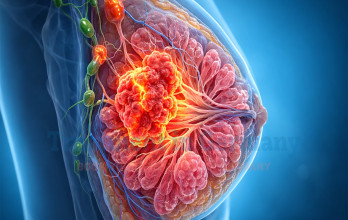
Metastatic breast cancer treatment in Germany is individualized according to tumor biology, biomarker results, disease characteristics, and previous treatment. This guide covers biomarker reassessment, systemic and targeted therapies, site-directed treatments, treatment monitoring, and supportive care as part of a coordinated approach to managing Stage 4 breast cancer.
Details →
Our benefits:
.webp)
 (1).webp)
.webp)
.jpg)

 (1).webp)
.jpg)