

Breast cancer treatment now depends heavily on tumour biology, and immunotherapy has become a key option for certain subtypes. This article explains how breast cancer is diagnosed and staged in Germany, the standard treatment options, and how immunotherapy works through checkpoint inhibitors and dendritic cell therapy. It covers who benefits by subtype, how immunotherapy compares with chemotherapy, side effects and their management, survival by stage, treatment costs, leading centres and how international patients arrange a specialist second opinion.
Breast Cancer Immunotherapy in Germany: Dendritic Cell Therapy and New Treatments
Immunotherapy is now part of treatment for some breast cancers, particularly in certain early-stage and unresectable locally advanced or metastatic triple-negative breast cancer. It is not appropriate for every breast cancer or every stage. In specific triple negative settings, checkpoint inhibitors have moved from clinical trials into routine practice, guided by tumor stage, biomarker results, and previous treatment. For patients considering treatment in Germany, these options may be discussed as part of a specialist treatment plan based on the cancer’s individual characteristics.
Dendritic cell therapy is at a much earlier stage of development. Some approaches use a patient’s own dendritic cells, which may be collected, exposed to tumor-associated antigens or other immune signals, and returned to the body to stimulate an antitumor immune response. These approaches remain investigational, with substantially less established clinical evidence than approved checkpoint inhibitors.
Breast Cancer Immunotherapy and Its Role in Treatment
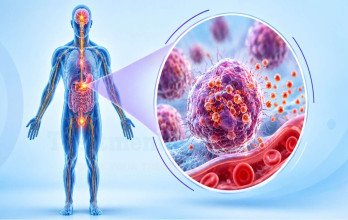
Immunotherapy in breast cancer helps the immune system recognize and attack cancer cells. Unlike chemotherapy, which kills rapidly dividing cells, or endocrine therapy, which blocks hormone signals, checkpoint inhibitors work by releasing a brake on T-cell activity.

Their established role is mainly in selected triple-negative breast cancer (TNBC) settings, where clinical trials have shown benefit. TNBC tends to have more immune-cell infiltration, which may make it more responsive to immunotherapy, although responses vary. Treatment timing before surgery, after surgery, or for advanced disease depends on the specific clinical setting and available evidence.
Checkpoint Inhibitors in Breast Cancer
Checkpoint inhibitors are the most thoroughly evaluated immunotherapy class in breast cancer. They block inhibitory pathways, such as PD-1 and PD-L1, that tumor cells exploit to suppress T-cell function, thereby restoring antitumor T-cell responses.

Early Stage or Locally Advanced Triple-negative breast cancer (TNBC): Pembrolizumab is approved with chemotherapy before surgery, followed by pembrolizumab alone after surgery, for adults with early stage or locally advanced TNBC at high risk of recurrence. This approach is based on the KEYNOTE 522 regimen [1].
Advanced or Metastatic TNBC: Pembrolizumab combined with chemotherapy is indicated as first-line treatment for adults with locally recurrent unresectable or metastatic TNBC whose tumors express PD-L1 (CPS ≥10) and who have not received prior chemotherapy for metastatic disease. This indication is based on the KEYNOTE 355 trial [2].
Limitations and Eligibility: Outside these specific TNBC settings, checkpoint inhibitors are not routinely used for breast cancer. Treatment selection depends on the breast cancer subtype, biomarker results such as PD-L1 expression, disease setting, and previous systemic treatments.
Immunotherapy for Triple-Negative Breast Cancer
TNBC is the main breast cancer setting where immunotherapy has an established role. Because TNBC lacks estrogen receptor, progesterone receptor, and HER2 expression, endocrine therapy and HER2-directed therapy are generally not indicated, which makes other systemic treatment strategies, immunotherapy among them, particularly important and a long-standing research focus.
In selected patients with early-stage TNBC, pembrolizumab combined with neoadjuvant chemotherapy is recommended for tumors larger than 2 cm or with lymph-node involvement. Treatment is continued after surgery with adjuvant pembrolizumab, irrespective of PD-L1 status, according to the established regimen. The metastatic setting works differently: eligibility there turns on PD-L1 status and treatment history rather than tumor size or nodal involvement. This distinct eligibility profile is set out in the Recurrent and Advanced Breast Cancer section below [2].
The treatment sequence can look quite different from one TNBC patient to another, depending on the stage, biomarkers, and treatments already received.
Eligibility for Breast Cancer Immunotherapy

Whether immunotherapy is appropriate for an individual patient depends on the breast cancer subtype and clinical stage, as well as relevant biomarkers, prior treatment, comorbidities, treatment goals, and the specific treatment indication. Before recommending treatment, oncologists typically weigh:
- Disease stage and extent.
- PD-L1 or other biomarker results, where relevant.
- Previous treatment received.
- Tumor characteristics including hormone-receptor and HER2 status and other clinically actionable features.
- Overall health and ability to tolerate treatment-related risks.
No single test decides treatment on its own; treatment decisions are interpreted in the context of the specific indication, disease stage, prior therapy, and the patient's overall clinical circumstances. Two patients with similar PD-L1 results can still be offered different plans once stage and treatment history are factored in.
Patients considering immunotherapy may find it useful to ask their oncology team:
- Is immunotherapy a standard option for my specific diagnosis, or would it be outside standard use?
- What biomarker or genetic testing has been done, and what did it show?
- What side effects should I watch for, and how are they managed?
- Are there clinical trials that might be relevant to my situation?
Biomarkers and PD-L1 Testing
PD-L1 testing is among the more clinically relevant biomarker assessments in breast cancer immunotherapy, particularly in metastatic TNBC. Pathology laboratories use a defined assay and scoring method, and the eligibility threshold varies by drug and setting, so a cutoff used for one drug or setting cannot simply be carried over to another. For metastatic TNBC, the German guideline recommends that pathology reports state both the immune-cell area score and the Combined Positive Score (CPS); these are different scoring methods and are not interchangeable. Results are read alongside stage, prior treatment, and other findings rather than in isolation [1] [2].
A qualifying PD-L1 score suggests pembrolizumab therapy may be appropriate, though it does not guarantee a response. Conversely, a negative result does not rule out all investigational trials, as some research protocols do not require PD-L1 expression, even if it limits eligibility for established standard treatments.
Before and After Breast Cancer Surgery
In selected early breast cancer, typically higher-risk TNBC as defined above, pembrolizumab may be combined with breast cancer chemotherapy before surgery and continued afterward as a single agent. Response is assessed through imaging before surgery and, ultimately, through pathological examination of the tissue removed. The presence or absence of residual invasive cancer at surgery provides important prognostic information and may influence subsequent treatment planning [2].
Recurrent and Advanced Breast Cancer
In locally recurrent unresectable or metastatic TNBC, pembrolizumab combined with chemotherapy may be used first-line when the following apply:
- The tumor is PD-L1-positive, defined as a Combined Positive Score (CPS) ≥10. CPS is a pathology score that reflects how many PD-L1-staining cells (both tumor cells and surrounding immune cells) are present relative to the total number of tumor cells, and it is reported on a pathology report to help guide eligibility for this treatment.
- The patient has not received prior chemotherapy for metastatic disease.
- The regimen follows the evidence base established by the KEYNOTE-355 trial [2].
Treatment options are also changing quickly in this setting, particularly for Stage 4 breast cancer treatment. In the European Union, the antibody-drug conjugate sacituzumab govitecan (Trodelvy) is now authorized for two first-line uses in adults with unresectable locally advanced or metastatic TNBC who have not received prior systemic therapy for metastatic disease:
- As a single agent, for patients who are not candidates for PD-1 or PD-L1 inhibitor therapy (European Commission marketing authorization in June 2026).
- In combination with pembrolizumab, for patients whose tumors express PD-L1 with a CPS ≥10 (positive CHMP opinion in July 2026, followed by European Commission marketing authorization in August 2026) [3].
Other antibody-drug conjugate combinations are also being evaluated or introduced in advanced TNBC, but their use depends on the specific indication and the regulatory status in each country. EU marketing authorization does not by itself mean that a treatment is reimbursed or available at every German center; availability and coverage are confirmed individually with the treating team.
For metastatic breast cancer, treatment is usually aimed at controlling the disease, relieving or preventing symptoms, maintaining quality of life, and prolonging survival; it is generally not considered curative.
Long-Term Monitoring and Side Effects of Breast Cancer Immunotherapy

Immunotherapy produces distinct side effects from conventional chemotherapy, though combination regimens can trigger both. Rather than directly killing dividing cells, checkpoint inhibitors alter immune activity, which can lead to immune-related side effects where normal tissues are targeted.
Oncology teams use clinical evaluations, lab tests, and periodic imaging to monitor toxicity and disease status. Managing reactions may require pausing, adjusting, or treating therapy. Some immune-related adverse events can occur during treatment or after it ends. Patients should promptly report new or worsening symptoms to their oncology team, with follow-up guided by the treatment received and clinical findings [2].
Common and Immune-Related Side Effects
Fatigue is among the most frequently reported effects. Beyond that, immune-related adverse events can affect several organ systems, though not every patient develops them, and severity varies widely. Reported effects can include:
- Skin reactions, such as rash or itching.
- Gastrointestinal effects, including diarrhea or colitis.
- Endocrine effects, such as changes in thyroid function.
- Liver-related changes, often detected through blood tests.
- Lung-related inflammation, which can cause cough or breathlessness.
Severity ranges from mild to serious, and some reactions require urgent medical assessment; timing varies too, with some appearing early in treatment and others surfacing later, including after treatment has ended. Some endocrine effects, such as hypothyroidism or pituitary hormone deficiencies, may persist and require long-term or lifelong hormone replacement, whereas many other reactions may resolve with appropriate management. Lung inflammation (pneumonitis) can be serious and needs prompt medical evaluation if new cough, shortness of breath, or chest discomfort develops [2].
Monitoring Response and Safety
Monitoring typically includes regular check-ups, imaging to assess the tumor, and blood tests to detect immune-related side effects. Doctors use these findings alongside the patient’s symptoms and overall condition to decide whether to continue, temporarily withhold, or permanently discontinue the immunotherapy, or change the treatment strategy. Persistent or worsening symptoms may require evaluation by a relevant specialist.
Dendritic Cell Therapy for Breast Cancer

Dendritic cells are antigen-presenting immune cells that help the immune system recognize and respond to abnormal cells. Some dendritic-cell approaches use a patient’s own dendritic cells, which may be collected, exposed to tumor-related antigens or other signals, and then returned to the body to stimulate an antitumor immune response.
Unlike checkpoint inhibitors, which enhance T-cell activity by removing inhibitory signals, dendritic-cell therapies aim to prime the immune system against cancer. Different approaches have been studied, including antigen-based vaccines and dendritic cells combined with tumor cells, so results from one approach may not apply to others. For breast cancer, these therapies remain investigational and are not currently established as standard, guideline-recommended treatment.
Dendritic Cell Therapy Approaches and Eligibility
Because these are investigational approaches studied under specific protocols, there is no single, universal eligibility checklist across dendritic-cell programs. Autologous cell collection, tumor-antigen or peptide-based vaccines, and dendritic cell–tumor cell fusion strategies each follow their own trial-specific criteria, and patients are evaluated individually before enrollment, with monitoring continuing throughout the study. Dendritic cell therapy is not a standard treatment in Germany or internationally, and access is generally restricted to clinical research settings.
The table below summarizes how these approaches currently compare:

Evidence, Research and Expected Outcomes
Clinical research on dendritic-cell approaches in breast cancer consists of small early-phase trials and pilot studies, each testing a distinct platform rather than a single, unified therapy. Evidence from cancer vaccines more broadly should not be interpreted as evidence that every dendritic-cell platform, or every DC1 approach, is effective in breast cancer; findings tied to one antigen target, manufacturing method, route of administration, treatment combination, or patient population cannot automatically be extrapolated to another.
The table below summarizes the most relevant studies and what each one can, and cannot, tell us:
Study | Design | Key reported finding | Important limitation |
|---|---|---|---|
2025 systematic review of cancer vaccines (19 trials, 747 patients). | Systematic review across multiple vaccine platforms in advanced breast cancer. | Immune-response rates (laboratory measures of immune activation) varied widely (44%–100%) across trials of different cancer-vaccine types, not only dendritic-cell therapy. These are immunological markers, not tumor-response or survival rates [4]. | Heterogeneity between studies prevented pooled analysis of survival or progression outcomes. |
2025 HER2-directed dendritic-cell pilot. | Small, non-randomized pilot of HER2-directed dendritic cells added to neoadjuvant therapy in early-stage HER2-positive, ER-negative breast cancer. | Treatment was feasible, with no unexpected safety signals; immune and pathological responses were observed alongside standard neoadjuvant therapy [5]. | Small, non-randomized design cannot establish efficacy or isolate the contribution of the dendritic cells from the standard treatment given alongside them. |
Early 2026 intratumoral dendritic-cell research. | Preclinical mouse and cell-culture experiments, exploratory clinical observations in patients with stage I–III HER2-positive breast cancer, and one stage IV case report. | Preclinical experiments and small exploratory human cohorts (HER2-positive disease) showed changes in metastasis-initiating-cell markers. One patient with stage IV HER2-positive disease had a near-complete response to trastuzumab, pertuzumab, and tamoxifen before DC1 was given, with further regression afterward while those drugs continued [6]. | Preliminary and hypothesis-generating; based on exploratory data and one patient who received combination treatment. Cannot establish that DC1 caused the outcome or controls metastatic disease, and cannot be generalized to other subtypes such as TNBC. |
Because triple-negative breast cancer lacks HER2 expression, findings from HER2-targeted dendritic cell trials cannot be extrapolated to TNBC, where research remains earlier-stage and focused primarily on feasibility and safety. Taken together, these findings reflect genuine research interest rather than demonstrated clinical benefit. Larger, controlled trials would be needed before any dendritic-cell approach could be considered for standard use.
Emerging Immunotherapy and Research in Breast Cancer

Beyond checkpoint inhibitors and dendritic-cell approaches, researchers are exploring other immune-based strategies, including therapeutic cancer vaccines, novel treatment combinations, and personalized approaches guided by a tumor's molecular profile. These approaches are at different stages of development, with some in early-phase clinical trials and others still preclinical; outside established checkpoint-inhibitor indications, they remain investigational rather than standard, guideline-recommended breast cancer treatments.
Breast Cancer Immunotherapy Clinical Trials
Clinical trials move new immunotherapy approaches from laboratory findings toward potential clinical use, typically through three phases:
- Phase I: primarily evaluates safety, tolerability, dosing, and how the body processes the treatment, although some early evidence of antitumor activity may also be collected.
- Phase II: evaluates preliminary efficacy or activity while continuing to assess safety and appropriate dosing or treatment schedules.
- Phase III: compares the treatment with current standard approaches in larger groups of patients, usually to confirm efficacy and safety before wider approval.
Clinical trial eligibility depends on the specific study and may include factors such as cancer type and stage, biomarker results, previous treatments, and overall health. Some trials test new treatments, while others compare different treatment approaches or established therapies. Participation usually involves regular visits, tests, safety monitoring, and follow-up. The possible benefits and risks vary by study and may not be known in advance. Because eligibility and trial availability can change, patients should check the current requirements with the trial team or a clinical trial registry such as ClinicalTrials.gov.
Access to Breast Cancer Immunotherapy in Germany
In Germany, breast cancer immunotherapy is provided within specialist oncology care. Whether it is appropriate depends on factors such as the cancer subtype, stage, biomarker results, previous treatment, and the specific indication for immunotherapy.
How Does the Immunotherapy Process Work in Germany?
For international patients seeking treatment in Germany, the process usually begins with a review of the pathology and biomarker results, imaging, previous treatments, and overall health. Additional testing, such as PD-L1 or other biomarker assessments, may be needed to determine whether an established immunotherapy is appropriate. A multidisciplinary oncology team can then assess the available findings and recommend an appropriate treatment approach. Where relevant, the team may also consider clinical trial options, depending on the study criteria and the recruiting center.
The cost of immunotherapy in Germany can vary considerably depending on the specific drug, treatment schedule, duration of therapy, and whether the treatment is covered by health insurance or paid for privately. International patients should therefore request an individualized cost estimate before starting treatment, including the costs of consultations, diagnostic tests, medication, and administration where applicable. For a broader overview of breast cancer treatment in Germany, patients can review the main treatment approaches and specialist-care pathways
For patients considering treatment in Germany, Treatment in Germany (TIG) can help coordinate an initial medical assessment and share relevant records with German specialists. Treatment decisions remain with the treating oncology team, and an assessment does not guarantee eligibility for a specific treatment or clinical trial.
References
3. Trodelvy (sacituzumab govitecan): European Public Assessment Report and product information. European Medicines Agency (EMA); Trodelvy: opinion on variation to marketing authorisation (CHMP, July 2026). European Medicines Agency (EMA).
Why Patients Worldwide Prefer Our Medical Services in Germany – Key Benefits Explained

















.webp)
 (1).webp)

.webp)


.jpg)

 (1).webp)


.jpg)