

Actinium-225 therapy delivers powerful alpha radiation directly to targeted cancer cells. Explore how it works, who may benefit, and its availability in Germany. It is an emerging form of nuclear medicine treatment that delivers highly targeted radiation to cancer cells while limiting exposure to surrounding healthy tissue and how the therapy works, which cancers may benefit, eligibility, treatment process, clinical evidence, potential side effects, treatment costs, and access to specialized nuclear medicine care in Germany.
Actinium-225 Targeted Alpha Therapy for Advanced Cancer Treatment in Germany
For patients with advanced cancer that no longer responds to standard treatment, precision matters more than ever. Actinium-225 targeted alpha therapy is an emerging form of nuclear medicine cancer treatment that delivers powerful radiation directly to targeted cancer cells while limiting exposure to surrounding healthy tissue. It is a form of targeted radionuclide therapy in Germany used mainly for advanced, treatment-resistant disease [1].
With its established nuclear medicine expertise, Germany has become an important destination for patients exploring Actinium-225 therapy in Germany. Understanding what this therapy offers, and what the evidence shows, helps patients and families make informed decisions.
Patients exploring advanced cancer treatment in Germany face both medical and practical questions. TIG GmbH connects international patients with nuclear medicine specialists, arranges a review of their imaging and pathology, and coordinates the pathway from assessment to follow-up.
What Is Actinium-225 Targeted Alpha Therapy?
Actinium-225 targeted alpha therapy combines a targeting molecule with a powerful radioactive isotope. The targeting molecule binds to a specific marker associated with cancer cells, allowing Actinium-225 to deliver highly localized alpha radiation to the targeted tissue. It is a highly precise form of targeted cancer therapy in Germany.

It is a radioactive isotope that emits alpha particles as it decays. Alpha particles carry a large amount of energy over a very short distance, which makes them exceptionally destructive to the cells they reach [1].
For patients asking what is Actinium used for, the isotope Ac-225 is being investigated mainly in cancer treatment. It can be attached to targeting molecules that recognize specific markers on cancer cells, creating a targeted form of Actinium-225 cancer treatment. This pairing of a precise carrier with a potent radioactive payload is the essence of targeted alpha therapy for cancer.
How Does Actinium-225 Target and Destroy Cancer Cells?
The therapy works by exploiting markers found on the surface of cancer cells. A targeting molecule carries Ac-225 directly to these cells, where the alpha particles it emits cause complex, irreparable DNA double-strand breaks. These alpha particles travel only a very short range, about 0.1 millimeters, or a few cell diameters. This short tissue range allows Actinium-225 therapy to concentrate radiation damage within and near targeted cancer cells while limiting exposure to surrounding healthy tissue [5].
Why Is Actinium-225 Different from Conventional Radiation?
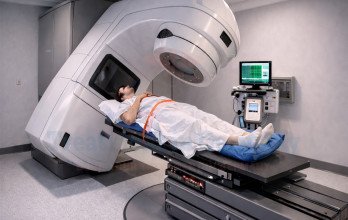
Conventional external radiation is delivered from outside the body and is carefully planned to concentrate the dose on the tumor while limiting exposure to nearby healthy tissue. Targeted alpha-particle therapy works differently by using a radiolabeled molecule to carry radiation to cells expressing a specific biological target.
Compared with the beta radiation used in some other radionuclide therapies, the alpha particles from Actinium-225 deliver much higher energy over a shorter range [1].This high linear energy transfer causes complex DNA damage, which is why alpha-emitting radionuclide therapy is being investigated for cancers that have progressed despite previous treatments [5].

Which Cancers Can Be Treated with Actinium-225 Therapy in Germany?
Actinium-225 treatment for advanced cancer is used for selected cancers that express a suitable molecular target. The strongest clinical evidence currently comes from prostate cancer, while a smaller but growing evidence base is available for neuroendocrine tumors [2] [3] [4].
Actinium-225 Therapy for PSMA-Positive Metastatic Prostate Cancer
The most studied use is Actinium-225 PSMA therapy for prostate cancer. Prostate-specific membrane antigen or PSMA, is frequently overexpressed in prostate cancer, particularly in advanced disease. Its relatively limited expression in many normal tissues makes it a useful target for radioligand therapy, although uptake also occurs in organs such as the salivary glands and kidneys [7].

In Ac-225 PSMA therapy, a targeting molecule carries Actinium-225 to PSMA-positive cells. This PSMA-targeted alpha therapy is used mainly for metastatic castration-resistant prostate cancer, often after other treatments, including beta-emitting therapy, have stopped working. Studies of Actinium-225 PSMA therapy have reported meaningful PSA responses in heavily pretreated patients, although evidence from randomized controlled trials remains limited [2] [3].
Actinium-225 Therapy for Neuroendocrine Tumors
Another important area of research is neuroendocrine tumors, or NETs. These tumors often express somatostatin receptors, which serve as the target. A molecule called DOTATATE carries Actinium-225 to these receptors, delivering alpha radiation to the tumor [4].
This approach, a form of peptide receptor radionuclide therapy, is being studied for advanced, metastatic, or inoperable NETs, particularly in patients whose disease has progressed after standard treatment. It represents an emerging application of radionuclide therapy for selected patients with somatostatin-receptor-positive disease.
Actinium-225 Therapy for Other Advanced Cancers
Beyond these two established uses, Actinium-225 is being studied for other cancers that express suitable targets. Research is exploring its use with different targeting molecules and antibodies to reach a wider range of tumors [1].
These applications remain investigational, so they are considered mainly within specialized centers and research settings rather than as routine care. This is why patient selection based on a confirmed molecular target is central to Actinium-225 cancer treatment in Germany.
What Are the Benefits of Actinium-225 Cancer Treatment in Germany?
Precision Targeting with Less Radiation Exposure to Healthy Tissue
A key potential benefit of Actinium-225 cancer treatment in Germany is precision. When the targeting molecule reaches cells expressing the intended target, radiation can be concentrated within a very short tissue range, helping to limit exposure to surrounding healthy tissue [5].This targeted delivery is a defining feature of targeted alpha therapy.
Potential Role in Advanced and Treatment-Resistant Cancers
A key potential advantage is its role in treatment-resistant disease. The powerful high-energy alpha particles can damage cancer cells that survive other treatments, including beta-emitting radionuclide therapy [1].
This is why Actinium-225 treatment for advanced cancer is being studied mainly in heavily pretreated patients whose disease has progressed after established treatment options. In published studies of prostate cancer and neuroendocrine tumors, it has often been evaluated in patients whose disease progressed after previous treatments.
Who Is Eligible for Actinium-225 Therapy in Germany?
Tests and Imaging Before Actinium-225 Treatment
Eligibility depends on confirming that the cancer carries the right target. This is done with specialized PET/CT imaging that shows whether the tumor expresses PSMA or somatostatin receptors [3] [4].
Suitable candidates generally include:
- Patients with PSMA-positive metastatic prostate cancer confirmed on a PSMA PET/CT scan [3].
- Patients with advanced neuroendocrine tumors that are somatostatin-receptor-positive [4].
- Patients whose disease has progressed after established treatments; in some published studies, this has included previous beta-emitting radionuclide therapy [1] [2].
- Patients with adequate kidney function and blood counts to tolerate treatment.
Who May Not Be Eligible for Actinium-225 Therapy?
Some patients are not suitable candidates. These may include people whose tumors do not express the target, since the therapy relies on that binding to work.
Others may be unsuitable because of poor kidney function, inadequate blood counts, or a general health status too fragile to tolerate treatment. A specialist assessment identifies these situations and helps set realistic expectations.
How Is Actinium-225 Therapy Performed in Germany?
Evaluation, Imaging, and Personalized Treatment Planning
Treatment begins with a thorough evaluation. A PET/CT scan confirms the target and maps the extent of disease, while blood tests assess kidney function and blood counts [5]. This information supports personalized cancer treatment, tailored to the individual tumor. The process below outlines the full pathway.

How Is Actinium-225 Therapy Administered?
The therapy is given as an intravenous infusion of Actinium-225 bound to its targeting molecule. It is delivered in cycles, with the interval between cycles set individually based on the patient's response and tolerance.
Although Actinium-225 therapy is administered by intravenous infusion, treatment requires specialist nuclear medicine facilities, radiation-safety procedures, and individualized monitoring.
Follow-Up and Monitoring After Actinium-225 Therapy
Between cycles, response is assessed with imaging and blood tests. For prostate cancer, this includes tracking PSA levels, while for neuroendocrine tumors it involves imaging and clinical review.
This monitoring guides whether treatment continues, pauses, or is adjusted. For patients considering Actinium-225 therapy in Germany, TIG GmbH coordinates imaging, specialist consultation, and scheduling throughout the treatment pathway.
How Effective Is Actinium-225 Targeted Alpha Therapy?
Response Rates and Treatment Outcomes of Actinium-225 Targeted Alpha Therapy
Clinical studies have reported meaningful responses to Actinium-225 targeted alpha therapy, particularly in heavily pretreated patients, but most evidence remains non-randomized and should be interpreted cautiously. The results differ by cancer type, reflecting the different targets and patient groups.
In metastatic castration-resistant prostate cancer, a meta-analysis found that 87.0% of evaluable patients had some PSA decline and 66.1% had a PSA decline of more than 50%. The pooled median overall survival was 12.5 months [3]. These findings came mainly from non-randomized studies of heavily pretreated patients and should not be interpreted as the expected survival for every patient. A larger systematic review of PSMA-targeted alpha therapy reported a pooled PSA50 response of 65% across 1,155 patients [2].
In neuroendocrine tumors, a meta-analysis of five studies and 153 patients found a pooled disease response rate of 51.6% and a disease control rate of 88% [4]. The chart below shows these reported response figures across the two main cancer types.

Figures represent different clinical endpoints reported in separate meta-analyses of different cancers and patient groups. They are shown together for context and should not be directly compared.
Factors That Influence the Effectiveness of Actinium-225 Therapy
Several factors may influence how well a patient responds to Actinium-225 therapy. The presence and distribution of the intended molecular target are important because the treatment relies on the radiopharmaceutical reaching target-expressing cells [7]. Outcomes may also depend on disease burden, tumor biology, previous treatments, and overall health. Because responses vary between individuals, treatment is planned and monitored carefully for each patient, and outcomes cannot be reduced to a single number.
Clinical Studies of Actinium-225 Targeted Alpha Therapy
Actinium-225 targeted alpha therapy is supported by a growing body of clinical research. The evidence is strongest in prostate cancer, where studies and systematic reviews have documented meaningful PSA responses, although most available data remain non-randomized [2] [3]. In neuroendocrine tumors, evidence comes from retrospective studies and meta-analyses showing high disease control rates [4]. Many published studies involve heavily pretreated patients, but the lack of randomized comparator groups limits conclusions about survival benefit and comparative effectiveness.
Ongoing Research and Clinical Trials of Actinium-225 Targeted Alpha Therapy in Germany
The field is developing quickly, and the quality of evidence is still maturing. Most current data come from retrospective studies and smaller cohorts rather than large randomized controlled trials, which are considered the highest standard of proof.
Germany is actively involved in research on Actinium-225 targeted alpha therapy. One study of an Actinium-225-based treatment for neuroendocrine tumors was conducted at a specialized center in Wiesbaden and Frankfurt [6].
Is Actinium-225 Therapy Approved and Available in Germany?
Understanding the regulatory status is important. Actinium-225 radiopharmaceuticals are not yet broadly approved as standard, licensed medicines in the way that some beta-emitting therapies are. Instead, they are largely investigational.
Actinium-225 therapy in Germany may be available to selected patients through specialized nuclear medicine centers, including research studies or individually assessed treatment pathways. Availability depends on the specific radiopharmaceutical, cancer type, clinical setting and current regulatory requirements. This means it is available to suitable patients through these centers, but as an advanced option for selected cases rather than a routine, first-line treatment. A specialist can explain the current availability of a specific radiopharmaceutical for a given cancer.
What Are the Side Effects of Actinium-225 Therapy?
The side effects of Actinium-225 therapy have often been manageable in published studies, although the safety profile varies by radiopharmaceutical, dose, previous treatments, and individual patient factors. In prostate cancer, the most common side effect is dry mouth, known as xerostomia, which occurs because the salivary glands also express some PSMA. In one meta-analysis, xerostomia of any degree occurred in 77.1% of patients, though severe cases were uncommon [3].
Other reported effects include:
- Mild-to-moderate fatigue.
- Anemia and mild reductions in blood counts [4].
- Mild kidney effects, monitored through blood tests [8].
In neuroendocrine tumor studies, the therapy was well tolerated in most patients, with a low rate of hematological toxicity [4]. These effects are generally manageable with supportive care.
Long-Term Safety of Actinium-225 Targeted Alpha Therapy
Long-term safety monitoring after Actinium-225 targeted alpha therapy focuses on the kidneys, bone marrow and, for PSMA-targeted treatment, the salivary glands. Severe hematologic or renal toxicity has been uncommon in several published studies, but long-term safety data remain limited [3] [4] [8].
In neuroendocrine tumor meta-analyses, no severe grade 3 or 4 toxicities were commonly reported, and kidney effects were limited [4].Careful patient selection and monitoring are important for identifying and managing treatment-related toxicity [8].
Advanced Nuclear Medicine and Personalized Cancer Treatment in Germany
Germany has specialized nuclear medicine departments with experience in theranostics, PET/CT imaging, radiopharmaceutical therapy and multidisciplinary cancer care. These capabilities support Actinium-225 therapy and broader approaches to precision oncology in Germany.
Patients considering alpha therapy for cancer in Germany may be evaluated at university hospitals and specialized centers with established nuclear medicine or theranostics programs. The following are internationally recognized for nuclear medicine and theranostics:

These centers combine PET/CT imaging, radionuclide therapy, and multidisciplinary oncology in one system. TIG GmbH works with such centers and can connect each patient to the right specialist for their cancer.
Cost of Actinium-225 Therapy in Germany
Cost is a practical concern for every patient. The cost of Actinium-225 therapy in Germany is approximately €18,000 to €20,000 per cycle, depending on the individual treatment plan. Treatment may be provided by Prof. Stefan Dresel, a specialist in nuclear medicine.
The cost generally covers the radiopharmaceutical itself, its administration, hospital care during treatment, and the monitoring that follows each cycle. PET/CT imaging and laboratory tests may be billed separately depending on the plan. A clear, itemized estimate should always be provided before treatment begins.
Factors Affecting the Cost of Actinium-225 Therapy
Several factors influence the final figure. The Actinium-225 treatment cost in Germany depends on the number of cycles, required imaging, laboratory tests, and any additional supportive care.
Because responses vary, the number of cycles is not fixed at the outset, which is why costs are best confirmed as treatment progresses.
TIG GmbH provides a personalized breakdown of the expected Actinium-225 cancer treatment cost in Germany before treatment begins, including the expected treatment, imaging, and coordination expenses.
International Patient Services for Actinium-225 Treatment in Germany
Traveling abroad for treatment involves more than the medicine itself. Coordinated support begins with a review of the patient’s medical records and an online consultation, allowing specialists to assess whether Actinium-225 therapy may be appropriate before the patient travels.
Support also covers treatment coordination, medical visa assistance, travel and accommodation, and medical interpretation, so language is never a barrier. TIG GmbH handles these arrangements end to end, so patients can focus on their care.
Why Choose TIG for Actinium-225 Treatment in Germany?
TIG GmbH supports international patients seeking Actinium-225 cancer treatment in Germany by coordinating the practical steps involved at each stage. The service is informational and organizational, working alongside the treating specialists rather than replacing medical advice. From the first medical report review and online consultation to specialist matching, scheduling, travel, and follow-up, the aim is to make a complex journey as smooth as possible, so patients can concentrate on their treatment and recovery.
Your Treatment Journey for Actinium-225 Therapy in Germany
For patients considering Actinium-225 therapy in Germany, the pathway is organized into clear stages:
- Medical report review and online consultation, so specialists can advise before any travel.
- PET/CT imaging and evaluation, to confirm the target and map the disease.
- Personalized treatment planning, matched to the individual tumor.
- Actinium-225 infusion, given in scheduled cycles.
- Response monitoring, with imaging and blood tests between cycles.
- Follow-up coordination, continued after returning home.
At each step, TIG GmbH coordinates communication, scheduling, travel arrangements, and follow-up logistics alongside the treating medical team.
References
Why Patients Worldwide Prefer Our Medical Services in Germany – Key Benefits Explained
























.webp)
 (1).webp)

.webp)

.jpg)

 (1).webp)
.jpg)