
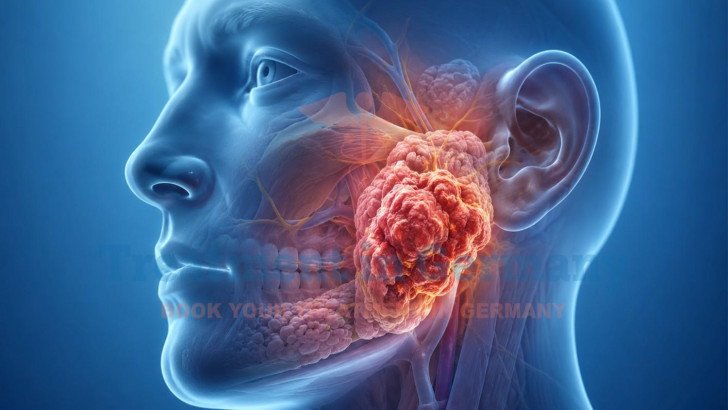
“Salivary gland cancer” is a term used to describe malignant tumors that affect your salivary glands. Your salivary glands are located in your mouth and throat
Advanced Salivary Gland Cancer Treatment in Germany
A diagnosis of salivary gland cancer can feel overwhelming, particularly because these tumors are rare, biologically diverse, and may require highly specialized multidisciplinary care. Management of salivary gland cancer often involves multidisciplinary teams with expertise in head and neck surgery, radiation oncology, pathology, and medical oncology, and selected cases may benefit from molecular profiling to guide diagnosis or systemic treatment decision. Salivary gland cancer is a rare but serious head and neck malignancy with variable clinical behavior and prognosis. Although it makes up only a small share of all cancers, their behavior varies considerably according to histologic subtype, tumor grade, and site of origin. The burden of salivary glands neoplasm cases has been rising in several countries with high human development indices [1]. In the United States, the overall incidence is roughly 1.1 per 100,000 people each year, and these tumors make up about 6 to 8 percent of head and neck cancers [2].
For patients exploring advanced salivary gland cancer treatment in Germany, the country brings together highly experienced surgeons, medical oncologists, radiation specialists, and immunotherapy teams reconstructive surgery, and supportive care. Germany offers a strong combination of standard care and innovative treatment options depending on tumor subtype and stage, treatment may include surgery, radiation therapy, systemic therapy, targeted therapy, or enrollment in clinical trials. Patients seeking cancer treatment in Germany can access top oncology centers in Germany where head and neck cancer care is delivered through multidisciplinary tumor boards involving surgical, medical, and radiation oncology specialists. TIG GmbH connects international patients with these specialists and supports each step of the medical journey.
What Is Salivary Gland Cancer and Who Does It Affect?
A salivary gland tumor begins in the cells that make saliva, the secretory or ductal cells of the major or minor salivary glands. The three major glands are the parotid (in front of and below the ear), the submandibular (under the jaw), and the sublingual (under the tongue). Numerous smaller minor salivary glands line the mouth and throat, throughout the mucosa of the oral cavity, oropharynx, and upper aerodigestive tract. Malignant tumors of these glands form a small but very diverse group of cancers, accounting for around 6 to 8 percent of all head and neck cancers.

The parotid gland is the most common site. Parotid gland tumor cases make up the majority of salivary gland tumors, and roughly 75 to 80 percent of parotid lesions are benign. When parotid gland cancer is diagnosed, careful evaluation matters because the facial nerve runs through this gland and may be affected by tumor involvement or surgery[3]. A submandibular mass or submandibular gland neoplasm is less common but more often turns out to be malignant. Cancer sublingual gland is rare, but minor salivary gland tumors of the mouth and throat are also part of this disease group.
Salivary gland cancers come in several histological forms, and histopathology strongly influences prognosis, treatment selection, and patterns of recurrence.
The most common malignant salivary gland neoplasms include:
Mucoepidermoid carcinoma, the most frequent malignant subtype [2]
Adenoid cystic carcinoma, characterized by frequent perineural invasion and a tendency for late local recurrence and distant metastasis [4]
Salivary duct carcinoma, an aggressive high-grade malignancy that occurs more commonly in older men [2]
Acinic cell carcinoma, a malignancy that is often low grade and associated with relatively favorable long-term outcomes, although aggressive variants can occur.
Adenocarcinoma not otherwise specified (NOS) and rarer subtypes recognized in modern salivary gland tumor classification system

Understanding salivary gland neoplasm causes is still a work in progress although several environmental and clinical risk factors have been identified.
Most cases occur without a single clear cause, but recognised risk factors include:
Previous radiation exposure to the head and neck
Older age, with most cases diagnosed after age 55
Occupational exposure to certain industrial dusts, solvents, or metal compounds has been investigated as a possible risk factor
Some studies suggest that genetic susceptibility or family history may contribute to risk in a minority of cases, although hereditary associations remain incompletely defined
Tobacco use, mainly linked to a specific subtype called Warthin tumor , a usually benign salivary gland neoplasm, but its relationship with malignant salivary gland cancers is less clearly established.
Recognising Salivary Gland Cancer Symptoms and Signs
Many patients first notice salivary gland cancer symptoms a painless swelling or lump near the ear, beneath the jaw, or within the mouth, depending on which salivary gland is involved. Because both benign and malignant salivary gland tumors may initially present as a painless mass, some patients delay seeking medical evaluation for weeks or months.
The most common salivary gland cancer symptoms and signs include:
A painless lump or swelling that grows slowly over weeks or months
Persistent numbness, tingling, or altered sensation affecting part of the face
Weakness or loss of movement on one side of the face
Pain in the gland area, jaw, or ear
Trouble opening the mouth widely
Difficulty swallowing
A persistent neck mass, which may represent regional lymph node involvement
Facial nerve weakness is a particularly important warning sign because it may indicate tumor involvement of the facial nerve and is more commonly associated with malignant disease. In one large series, preoperative facial nerve palsy was present in around 22 percent of patients with malignant disease [3]. Any persistent change in facial movement should be evaluated quickly.
Quick Look: Warning Signs That Should Be Checked Promptly A painless lump that keeps growing: even small lumps deserve a clinical check, especially near the parotid area. Facial weakness on one side: this can mean nerve involvement and needs urgent specialist review. A firm or fixed mass under the jaw or in the neck: may signal a deeper or more advanced local or regional disease Trouble swallowing, persistent pain, or numbness: should not be ignored, even when other symptoms are mild. |
How Salivary Gland Cancer Is Diagnosed ?
Diagnosis typically begins with a detailed history, physical examination, and appropriate imaging studies. Ultrasound is commonly used as an initial imaging study for superficial salivary gland masses because it is widely available, non-invasive, and useful for guiding tissue sampling. A salivary gland biopsy, fine-needle aspiration (FNA), often performed under ultrasound guidance, obtains cells for cytological evaluation and is commonly used in the diagnostic assessment of salivary gland lesions.
The Milan System for Reporting Salivary Gland Cytopathology now offers a structured way to interpret these results [5]. Core needle biopsy may be considered when FNA is nondiagnostic or when additional tissue is required. Published studies have reported sensitivity of approximately 94–96% and specificity of approximately 98–100% for distinguishing benign from malignant salivary gland lesions [5].
For larger or deeper tumors, CT and MRI are frequently used to define their extent, and assess possible involvement of adjacent nerves, bone, or surrounding soft tissues [5]. In selected patients with advanced disease or suspected metastatic spread, PET-CT may be used to evaluate regional lymph nodes and distant metastatic disease. These steps together help the team plan surgery and decide on additional treatment.
Salivary Gland Cancer Survival Rate and Prognosis
Many people worry about dying from salivary gland cancer. Outcomes vary considerably according to tumor stage, histologic subtype, grade, resectability, and the presence of regional or distant spread. The salivary gland cancer survival rate is generally favourable for localised disease, with many patients achieving long-term survival following appropriate treatment.
According to recent population-based data from the U.S. Surveillance, Epidemiology, and End Results (SEER) Program, estimated 5-year relative survival varies by stage at diagnosis and large cohort studies show the following ranges:

In a single-center German cohort of 318 patients followed over nearly three decades, careful surgery combined with adjuvant therapy produced solid long-term outcomes, although recurrence and distant spread remained issues for high-grade tumors [6]. Histologic subtype is also an important prognostic factor. Salivary duct carcinoma and high-grade adenoid cystic carcinoma are generally associated with less favorable outcomes than acinic cell carcinoma or low-grade mucoepidermoid carcinoma.
Overall, the salivary gland cancer prognosis depends on tumor size, lymph node status, distant metastases, perineural invasion, surgical margins, and grade [6]. Even in advanced disease, modern multidisciplinary care can offer meaningful disease control symptom relief, and prolonged survival for selected patients. For international patients, Germany salivary gland cancer treatment pathways aim to improve outcomes by combining experienced surgery with personalised systemic and supportive care.
Standard Treatment Options for Salivary Gland Cancer
Standard treatment for salivary gland tumor follows international guidelines and is delivered through a multidisciplinary tumor board. Surgery is the cornerstone, while radiation and systemic therapy are added based on stage, grade, and other risk factors.
The main components of salivary gland cancer treatment include the following [2][7].
Salivary gland surgery with negative margins remains the primary treatment for most resectable salivary gland malignancies often involving partial or total parotidectomy for parotid disease
Salivary glands operation or salivary glands removal of the submandibular or sublingual gland for tumors in those sites
Selective neck dissection to remove regional lymph nodes when needed [7]
Adjuvant radiation therapy for high-grade, node-positive, or close-margin disease
Concurrent chemoradiation in selected high-risk cases
Systemic chemotherapy for advanced, recurrent, or metastatic disease [4]
Targeted therapy in patients with actionable molecular features such as HER2, androgen receptor positivity, or NTRK fusions
Immune checkpoint inhibitors may be considered in selected patients, particularly those with biomarkers such as high tumor mutational burden, although response rates vary and evidence remains limited for most salivary gland cancer subtypes [8].
Surgery for parotid tumors is delicate because the facial nerve sits inside the gland. A salivary gland surgery plan therefore aims to remove the tumor completely while preserving facial nerve function whenever possible [7]. For submandibular and sublingual tumors, surgery is usually paired with neck node assessment.
Chemotherapy is mostly used for recurrent or metastatic disease. Cisplatin-based combinations such as CAP (cyclophosphamide, doxorubicin, cisplatin) or cisplatin with docetaxel have shown modest response rates [4]. Newer options like trastuzumab for HER2-positive disease, anti-androgen therapy for androgen receptor positive tumors, and TRK inhibitors for NTRK-fusion tumors are now changing outcomes in selected patients [8]. Patients accessing salivary gland cancer treatment in Germany benefit from molecular profiling at experienced oncology hospitals in Germany for salivary gland cancer.
Dendritic Cell Therapy for Salivary Gland Cancer in Germany
Dendritic cell therapy for salivary gland cancer is an experimental immune-based treatment offered in selected German clinics. Dendritic cells are specialised immune cells that act as messengers between the tumor and the rest of the immune system. They play a central role in initiating and regulating adaptive immune responses. They take pieces of cancer cells, present these signals to T-cells, and teach the immune system to recognise the disease as a target, helping to stimulate tumor-specific immune responses [9].
In DCT for salivary gland cancer, a patient's own immune cells are collected from the blood and then matured and primed in a controlled laboratory setting. They are exposed to tumor-related antigens and given back to the patient through small infusions. The goal is to support the body's own immune response and add to the work that surgery, radiation, or chemotherapy is doing.

Research has shown that dendritic cells play a central role in shaping the immune environment of head and neck cancers. When their function is impaired inside the tumor, T-cell activation drops and the cancer can hide from immune attack [10]. DC-based vaccines aim to correct this. A 2024 case report described long-lasting tumor control after combining dendritic cell vaccination with radiation and immune checkpoint blockade [10]. Broader reviews highlight encouraging safety profiles and measurable immune responses, particularly when DC therapy is combined with checkpoint inhibitors or personalised neoantigen approaches [9].
It is important to be clear: dendritic cell therapy Germany is not yet considered a standard-of-care treatment for salivary gland cancer in major international guidelines. It is offered as a personalised, experimental option alongside, not instead of, standard care. Patients considering personalized cancer immunotherapy Germany should discuss expectations and timing with their oncologist. TIG GmbH helps families weigh those choices and coordinates the multi-week schedule.
Within advanced immunotherapy for salivary gland cancer, dendritic cell therapy is most often considered for patients with measurable disease who have completed standard surgery and want to add an immune-focused option. When offered, dendritic cell therapy is generally considered on an individual basis and is discussed within the context of available evidence, ongoing clinical trials, disease status, and standard treatment options.
Salivary Gland Cancer Treatment Cost in Germany
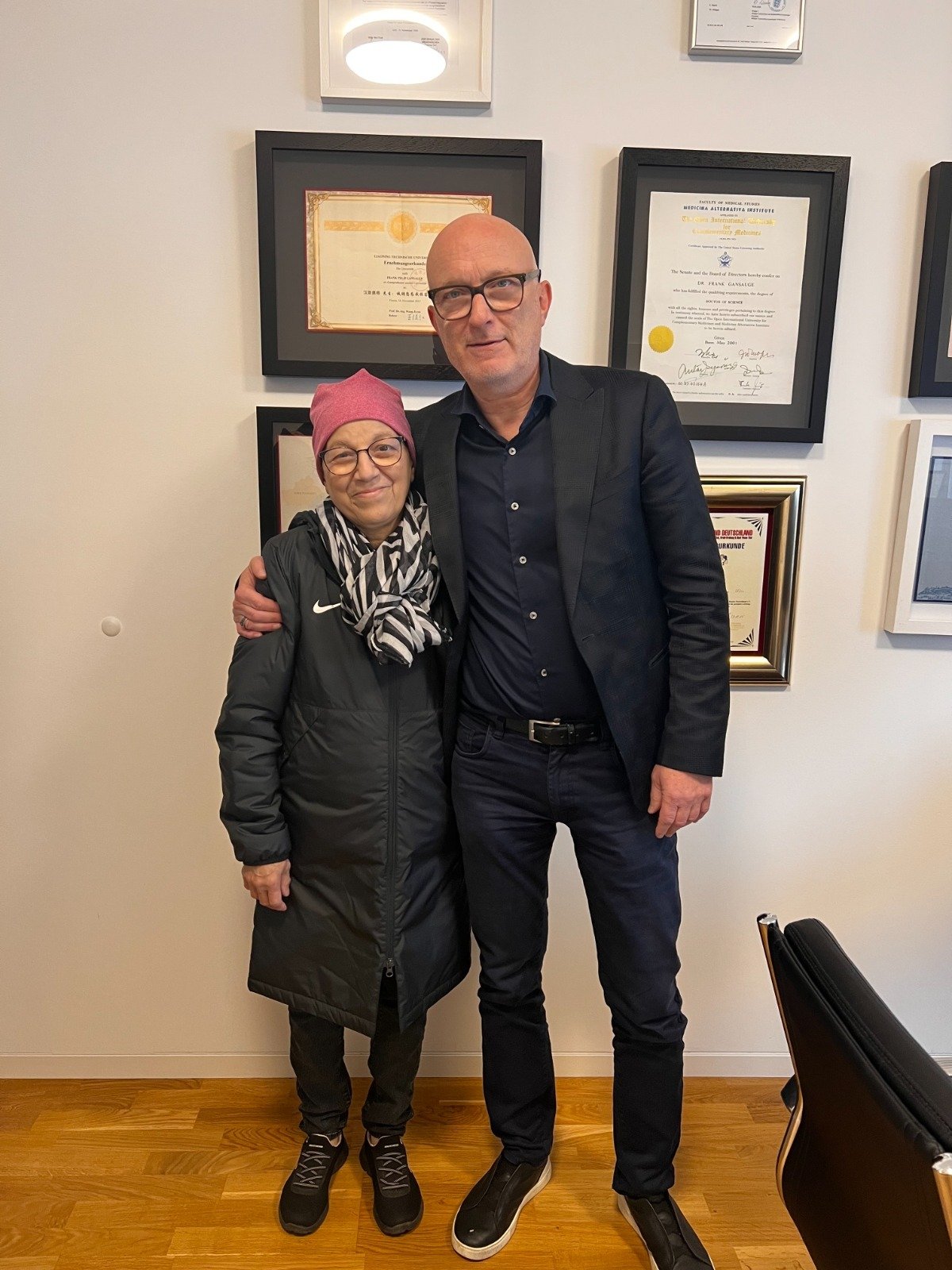
Understanding cost is a key part of planning. Prices vary based on treatment type, hospital, complexity of surgery, and length of stay. For patients pursuing dendritic cell therapy for salivary gland cancer, the cost in Germany is approximately €27,000 for total course, delivered by Prof. Gansauge at LDG Laboratories. This price covers laboratory work, cell preparation, and the multi-week infusion schedule.
Costs for salivary gland surgery, radiation, and systemic therapy depend on the regimen, number of cycles, and the institution involved. Many international families consider affordable cancer treatment in Germany attractive because academic-level care comes with structured, transparent pricing. TIG GmbH provides a clear, written cost breakdown before any travel commitment, including the practical costs of medical tourism in Germany such as visa and interpreter support.
Who Is Eligible for Surgery, Chemotherapy, or Dendritic Cell Therapy?
Every patient is reviewed individually by a multidisciplinary tumor board involving surgical, medical, and radiation oncology specialists. The summary below describes general clinical eligibility for each option that may influence treatment selection, although eligibility is determined on an individual basis:
Surgery Eligibility
Localised or locally advanced tumor that can be resected with clear margins
Acceptable cardiovascular and anaesthetic fitness
Absence of extensive metastatic disease when surgery is intended as definitive treatment, although selected patients with metastatic disease may still undergo surgery for symptom control or individualized treatment goals
Chemotherapy Eligibility
Confirmed advanced, recurrent, unresectable, or metastatic disease where systemic therapy is clinically appropriate.
Adequate kidney, liver, and bone marrow function
Molecular and receptor profiling completed when relevant
No active uncontrolled infection or severe comorbidity that would substantially increase treatment risk
Dendritic Cell Therapy Eligibility
Confirmed salivary gland malignancy with measurable disease
Sufficient immune-cell collection may be required for protocols that involve ex vivo dendritic cell preparation.
Certain autoimmune conditions, immunosuppressive therapies, or other medical factors may affect eligibility depending on the treatment protocol
Willingness to commit to a multi-week protocol with several infusion sessions
Limitations and Important Considerations
While modern care has improved outcomes, patients should keep realistic expectations. Surgery for salivary duct carcinoma and high-grade adenoid cystic carcinoma is challenging because these tumors tend to recur or spread along nerves [4][6]. Chemotherapy for advanced disease is mostly palliative, primarily used to control symptoms, slow disease progression, and improve quality of life rather than achieve cure. Targeted and immune-based therapies help most in patients with the right molecular features [8].
Dendritic cell therapy remains under active clinical evaluation. Reviews emphasise that benefit varies between patients and that more research is needed to define the best protocols and combinations [9][10]. Choosing cancer treatment in Germany also involves logistical and financial planning, which TIG GmbH coordinates carefully for international families.
Why Germany Stands Out for Salivary Gland Cancer Care?
Patients with rare or advanced salivary gland cancers often seek treatment centers with extensive experience in complex head and neck oncology. Germany is internationally recognized for its multidisciplinary approach, combining advanced surgery, molecular diagnostics, radiation oncology, targeted therapies, and personalized immunotherapy strategies within leading university hospitals and cancer centers.
International patients commonly pursue salivary gland cancer treatment in Germany for several reasons:
Access to experienced specialists in rare salivary gland tumors and recurrent disease
Multidisciplinary tumor board evaluation involving head and neck surgeons, medical oncologists, radiologists, pathologists, and radiation oncology teams
Advanced facial nerve-preserving surgical techniques for parotid gland tumors
Modern molecular profiling to identify targeted therapy and immunotherapy options
Personalized treatment planning for recurrent, metastatic, or high-grade disease
Availability of advanced radiation techniques such as intensity-modulated radiation therapy (IMRT)
Evaluation for innovative therapies, including targeted treatments, immunotherapy, and personalized dendritic cell therapy (DCT) for selected patients
Coordinated care pathways for international patients, including second opinions, treatment planning, visa support, and follow-up coordination
Because salivary gland cancers are uncommon and biologically diverse, treatment experience can play an important role in surgical planning, pathology review, and long-term disease management. Many patients therefore seek specialist evaluation in Germany when looking for additional treatment options or expert multidisciplinary care.
List of Leading Hospitals for Advanced Salivary Gland Cancer Treatment in Germany
Several German hospitals for salivary gland cancer treatment are recognised internationally for their head and neck oncology programs. The institutions below represent the best salivary gland cancer hospital options in Germany for advanced care.

Each center offers a dedicated salivary gland cancer specialist in Germany along with experienced surgical, medical, and radiation oncology teams. TIG GmbH has working relationships with these institutions and helps patients arrange consultations and coordinate every aspect of their treatment.
How TIG GmbH Supports International Salivary Gland Cancer Patients
For patients and families considering cancer treatment in Germany, TIG GmbH provides complete support from the first inquiry through post-treatment follow-up. The team reviews medical records, matches patients with the right salivary gland cancer specialist in Germany, and coordinates appointments at leading academic hospitals.
TIG GmbH also handles practical concerns, including medical visa documentation, travel, interpreter services, and follow-up coordination with the patient's home physician. Whether you are exploring surgery, chemotherapy, or dendritic cell therapy, TIG GmbH simplifies access to advanced care.
References
Why Patients Worldwide Prefer Our Medical Services in Germany – Key Benefits Explained

































.webp)
 (1).webp)
.webp)
.jpg)

 (1).webp)
.jpg)