
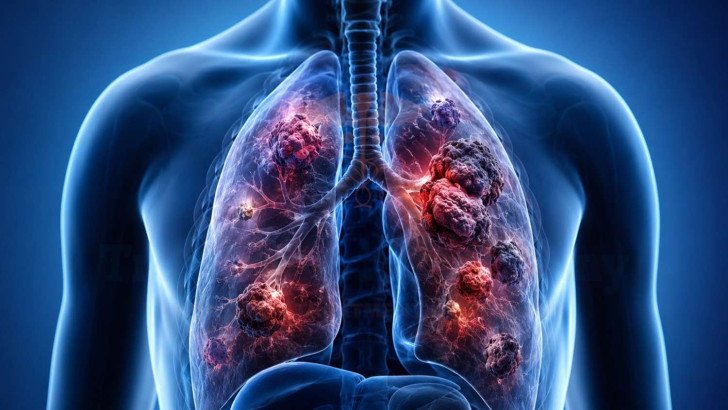
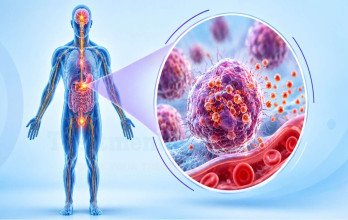
Lung cancer is a disease caused by uncontrolled cell division in your lungs. Your cells divide and make more copies of themselves as a part of their normal function.
Advanced Stage 4 Lung Cancer Treatment in Germany
Lung cancer is the leading cause of cancer-related death worldwide, accounting for approximately 2.5 million new cases and 1.8 million deaths globally in 2022 alone [1]. It ranks first in cancer mortality among both men and women globally, and continues to pose major clinical and public health challenges despite substantial advances in diagnosis and treatment [2]. For patients seeking Advanced Stage 4 Lung Cancer Treatment in Germany, the disease has already spread beyond the lungs to distant organs, or other thoracic structures, and management typically requires specialized multidisciplinary care involving medical oncology, radiation oncology, thoracic surgery, pulmonary medicine, and molecular diagnostics.
The two main categories, non-small cell lung cancer (NSCLC) and small cell lung cancer, differ substantially in biology, clinical behavior, and treatment strategy. Non-small cell lung cancer accounts for approximately 85% of all lung cancer cases and includes subtypes such as lung adenocarcinoma, squamous cell lung carcinoma, and large cell carcinoma [11]. Each subtype carries different molecular alterations and variable responsiveness to targeted therapies, chemotherapy, and immunotherapy.
Germany is internationally recognized for its academic oncology clinics, advanced molecular diagnostics, and access to specialized cancer therapies, offering internationally recognized oncology expertise, access to innovative methods for stage 4 lung cancer in Germany including interventional oncology techniques, immunotherapy, and dendritic cell therapy, and a structured multidisciplinary approach that ensures every patient receives truly individualized care. Whether you are a stage 4 lung cancer patient seeking a second opinion or beginning your treatment journey, TIG GmbH is here to connect you with the right specialists at the right centers and support you through every step of the process and assists international patients with coordinating consultations, medical record review, and logistical planning at specialized oncology centers in Germany.
What Is Stage 4 Lung Cancer?
Stage 4 lung cancer means the cancer has spread beyond the lung to distant organs such as the brain, liver, adrenal glands, or bones. It is also referred to as metastatic lung cancer or stage 4 metastatic lung cancer. At this stage, treatment goals treatment goals focus on prolonging survival, controlling disease progression, relieving symptoms, and preserving quality of life.

Within the category of non-small cell lung cancer, lung adenocarcinoma is the most common histologic subtype and often arises in the peripheral lung parenchyma. It is frequently associated with actionable molecular alterations such as EGFR mutations, ALK rearrangements, ROS1 fusions, KRAS mutations, and other targetable genomic abnormalities. Squamous cell lung cancer arises more commonly arises in central airways and has a strong association with tobacco smoking. Small cell lung cancer is less common but highly aggressive, with a strong tendency for early widespread metastasis [11].
Understanding stages of lung cancer is important for treatment planning. The lung cancer stages range from Stage I (localized tumor) through Stage IV (distant metastases) disease according to the TNM classification system. Stage 4 lung cancer is further divided into stage IVA (limited metastatic spread) and stage IVB (more extensive distant spread), each carrying different prognostic implications and treatment considerations.
Common risk factors associated with the development of lung cancer include:
-
Cigarette smoking, which remains the single most important risk factor and is responsible for approximately 85% of all cases
-
Occupational or environmental exposure to carcinogens such as asbestos, radon, arsenic, silica, diesel exhaust, and certain industrial chemicals
-
Air pollution and indoor exposure to cooking fumes in certain regions
-
Family history of lung cancer and inherited genetic susceptibility
-
Prior radiation therapy to the chest for other cancers.
Recognizing Stage 4 Lung Cancer Symptoms
Stage 4 lung cancer symptoms can be varied and depend on the location of the primary tumor and the sites of metastatic spread. Many patients experience a combination of respiratory and systemic symptoms. Common presentations include:
-
A persistent cough that worsens over time or does not resolve
-
Coughing up blood or blood-tinged mucus
-
Shortness of breath or difficulty breathing at rest or with minimal exertion
-
Chest pain that may worsen with deep breathing, coughing, or laughing
-
Hoarseness or changes in voice quality related to recurrent laryngeal nerve involvement
-
Unexplained and significant weight loss and loss of appetite
-
Fatigue and general weakness that does not improve with rest
-
Bone pain if skeletal metastases are present
-
Headaches, dizziness, or neurological symptoms if brain metastases are present
Because many of these symptoms can be attributed to other respiratory conditions, lung cancer diagnosis at an early stage remains challenging. It is worth noting that untreated stage 4 lung cancer is associated with poor survival outcomes, although prognosis varies substantially according to tumor histology, molecular profile, and extent of metastatic disease, treatment responsiveness, and overall patient health status.
How Is Stage 4 Lung Cancer Diagnosed?
The diagnostic process typically begins with chest imaging, either a plain X-ray or, more commonly, a CT scan of the chest. A PET-CT scan is often performed to assess the extent of metastatic spread. Bronchoscopy or CT-guided percutaneous biopsy, or other sampling techniques, followed by histopathological and molecular analysis Lung cancer diagnosis is confirmed by pathology, which also determines the tumor subtype and guides treatment selection [11].
Molecular testing has become an indispensable part of lung cancer treatment options planning, particularly for non-small cell lung cancer treatment. Assessment of EGFR mutation, ALK and ROS1 rearrangement, KRAS mutation, PD-L1 expression, and tumor mutational burden directly determines eligibility for NSCLC targeted therapy and lung cancer immunotherapy .Comprehensive molecular profiling using next-generation sequencing is widely used at major German oncology centers for advanced non-small cell lung cancer [11].
Stage 4 Lung Cancer Prognosis and Survival Statistics
The following table summarizes survival data across lung cancer stages and key prognostic factors. These are population-level estimates and individual outcomes vary based on molecular profile, treatment access, and patient performance status [1].

Stage 4 lung cancer prognosis has improved meaningfully over the past decade with the introduction of lung cancer targeted therapy and lung cancer immunotherapy. Patients with actionable molecular alterations receiving matched targeted can achieve substantially longer survival compared with historical chemotherapy-only outcomes. Stage 4 lung cancer life expectancy with treatment is therefore highly variable and increasingly dependent on tumor molecular profile rather than stage alone [3]. Patients accessing stage 4 lung cancer treatment in Germany benefit from molecular-guided care that maximizes individual outcomes.
These survival statistics are population-level estimates and do not predict individual outcomes. Prognosis depends heavily on molecular profile, response to treatment, overall health, smoking history, and access to specialized care.
Standard Treatment Options for Stage 4 Lung Cancer
When stage 4 lung cancer is diagnosed, treatment is determined through multidisciplinary tumor board review incorporating molecular profiling results, performance status, and patient preferences.
Standard lung cancer treatment options in Germany include:
-
NSCLC targeted therapy: Tyrosine kinase inhibitors (TKIs) such as osimertinib (EGFR), alectinib (ALK), and entrectinib (ROS1) for patients with actionable driver mutations. Targeted therapies have significantly improved outcomes for selected patients with actionable molecular alterations. [11]
-
Lung cancer immunotherapy: Checkpoint inhibitors targeting PD-1/PD-L1, used as monotherapy or combined with chemotherapy based on PD-L1 expression and molecular profile
-
Chemotherapy for lung cancer stage 4: Platinum-based doublet regimens remain the backbone for patients without targetable alterations. Chemo for lung cancer is often combined with immunotherapy or targeted agents
-
Small cell carcinoma lung cancer treatment: Combination chemotherapy (carboplatin/etoposide) plus immunotherapy is the standard first-line approach for extensive-stage small cell lung cancer
-
Lung cancer medication: Antiangiogenic agents such as bevacizumab and ramucirumab are used in combination with chemotherapy in selected patients
-
Stereotactic body radiotherapy (SBRT): Used for oligometastatic disease to ablate limited metastatic deposits and prolong systemic therapy efficacy
-
Palliative care and supportive treatments to manage symptoms and maintain quality of life throughout treatment
TIG GmbH works alongside Germany's leading thoracic oncologists to ensure international patients receive a treatment plan that reflects the most current evidence and is tailored to their individual molecular and clinical profile.
Innovative treatment options for Advanced Stage 4 Lung Cancer Treatment in Germany
TPCE Treatment for Stage 4 Lung Cancer in Germany
Transpulmonary chemoembolization (TPCE) is a specialized interventional oncology technique developed specifically for the treatment of malignant lung tumors. TPCE treatment for lung cancer involves the selective delivery of chemotherapy agents directly into the bronchial arterial circulation supplying the lung tumor, followed by embolization to block the blood flow. This approach aims to increase local drug concentration within the tumor while reducing systemic exposure compared with intravenous chemotherapy. Unlike standard intravenous chemotherapy, which distributes throughout the entire body, TPCE may allow higher local chemotherapy exposure compared with conventional systemic administration [4].

The technique was pioneered and extensively developed at University Hospital Frankfurt under the leadership of Prof. Vogl, a recognized specialist in interventional oncology. Clinical evaluation of TPCE treatment in Germany has been explored in selected patients with primary and metastatic lung malignancies. A study specifically evaluating TPCE combined with microwave ablation for recurrent or advanced non-small cell lung cancer found that the combined approach reported encouraging local tumor control outcomes in selected patients [10].
A comprehensive review of transcatheter arterial chemoembolization approaches for lung cancer confirmed that transarterial techniques can achieve clinically relevant disease control in patients with advanced or inoperable tumors, providing an important additional tool in the management of stage 4 metastatic lung cancer when conventional systemic therapies have been exhausted or are poorly tolerated [6]. The procedure is performed under imaging guidance with patients typically recovering within a few hours, making it suitable even for patients with reduced performance status noting that the duration depends on the patient’s condition and institutional protocols
Transarterial treatment approaches for lung cancer, including TPCE, represent emerging interventional techniques being explored in selected patients with advanced or treatment-refractory disease [5].
The cost of TPCE treatment in Germany typically ranges between €8,000 and €9,000 per session. TIG GmbH assists patients in scheduling consultations with Prof. Vogl's team and coordinating multi-session treatment plans for transpulmonary chemoembolization lung cancer management.
TACP Treatment for Stage 4 Lung Cancer in Germany
Transarterial Chemoperfusion (TACP) is an advanced, minimally invasive therapy that delivers high concentrations of chemotherapy directly to the tumor through its arterial blood supply. Unlike systemic chemotherapy, which circulates throughout the entire body, TACP treatment for lung cancer targets the tumor locally, with the goal of improving local drug delivery while minimizing exposure and potential side effects to healthy tissues.

For patients seeking innovative methods for stage 4 lung cancer in Germany, TACP may be considered in selected patients with metastatic disease, as it allows prolonged drug exposure to multiple tumor deposits without blocking blood flow. The procedure is carefully planned using MRI or CT imaging, followed by catheter-guided delivery of chemotherapy directly into the artery feeding the tumor.
Patients are typically monitored for a few hours after treatment, with follow-up imaging and consultation performed on the same day to evaluate results and plan further care. TACP treatment in Germany is performed with an individualized treatment planning approach by Prof. Vogl and his specialist team. The cost generally ranges between €8,000 and €9,000 per session, TIG GmbH coordinates all aspects of the process, from initial consultation to post-procedure follow-up, for patients pursuing innovative methods of stage 4 lung cancer in Germany.
Immunotherapy for Stage 4 Lung Cancer in Germany
Lung cancer immunotherapy has fundamentally changed the treatment landscape for advanced non-small cell lung cancer and increasingly for small cell disease as well. Immunotherapy for lung cancer primarily involves checkpoint inhibitors targeting the PD-1/PD-L1 pathway, which cancer cells exploit to evade immune recognition. By blocking these inhibitory signals, checkpoint inhibitors enhance anti-tumor immune activity by blocking inhibitory immune signaling pathways. [11]
PD-L1 expression level is a key determinant of immunotherapy benefit in NSCLC treatment. Patients with high PD-L1 expression (50% or above) may receive pembrolizumab monotherapy as first-line treatment, achieving response rates and survival outcomes that are markedly superior to chemotherapy alone. For patients with lower PD-L1 expression, combination chemotherapy plus immunotherapy has become the standard of care across the major international guidelines. [11]
Immunotherapy for lung cancer in Germany is delivered within comprehensive molecular tumor board programs that assess PD-L1, tumor mutational burden, and other emerging biomarkers to optimize patient selection. Germany's oncology centers are also active participants in clinical trials evaluating novel combinations of checkpoint inhibitors with targeted agents, antibody-drug conjugates, and cellular therapies for stage 4 metastatic lung cancer.
TIG GmbH facilitates access to leading immunotherapy programs at major academic centers, helping international patients connect with thoracic oncology teams that specialize in molecular-guided, personalized treatment strategies for advanced lung cancer.
Dendritic Cell Therapy for Stage 4 Lung Cancer in Germany
Dendritic cell (DC) therapy is an experimental immunotherapy approach currently under clinical investigation. Dendritic cells are central regulators of the immune system, functioning as professional antigen-presenting cells that activate the T-cell response against foreign or abnormal cells. In dendritic cell therapy for lung cancer, a patient's own blood-derived immune cells are collected, matured and loaded with lung cancer-specific tumor antigens in a controlled laboratory environment, then reinfused to prime a targeted anti-tumor immune response. Dendritic cell therapy is not currently considered a standard-of-care treatment for stage 4 lung cancer in major international oncology guidelines.

Research into DC-based immunotherapy for non-small cell lung cancer has demonstrated that DC vaccines are capable of generating measurable tumor-specific immune responses and that they can safely be administered to patients with advanced disease. A comprehensive critical review of dendritic cell-based immunotherapy in non-small cell lung cancer found that DC vaccines represent a promising strategy for remodeling the immunosuppressive tumor microenvironment, potentially enhancing the effectiveness of concurrent systemic therapies [8].
Further research specifically examining the role of DC vaccination in remodeling the tumor immune microenvironment in NSCLC treatment confirmed that DC vaccines can shift the balance within the tumor from an immunosuppressive to an immune-activating state, creating conditions more favorable for sustained anti-tumor immunity [9]. This immunological remodeling is particularly valuable when DC therapy is combined with checkpoint inhibitors or other systemic treatments, as it may enhance the overall response to lung cancer immunotherapy [7].
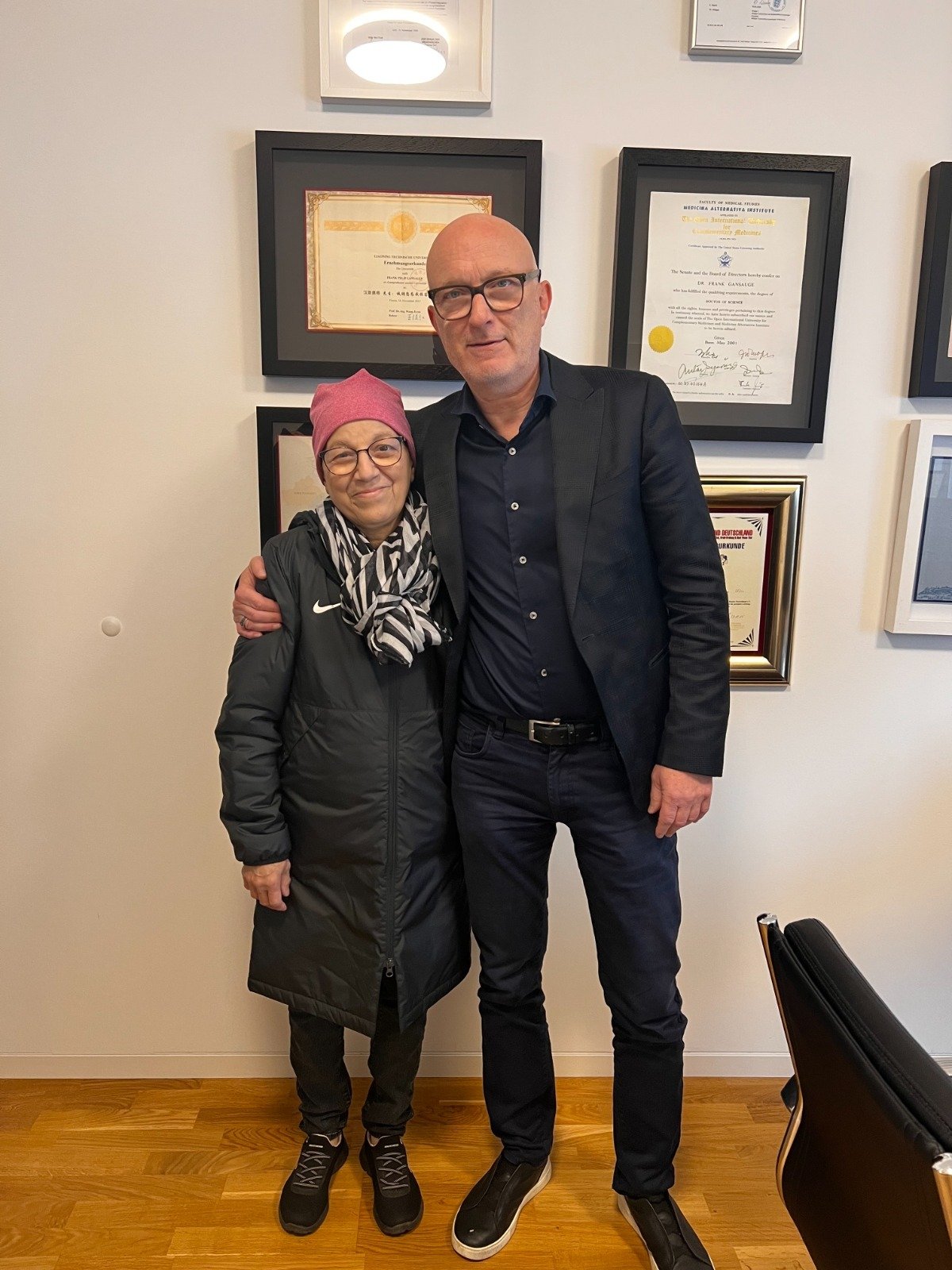
The cost of dendritic cell therapy in Germany is approximately €27,000 for total course, delivered by Prof. Gansauge at LDG Laboratories. TIG GmbH supports patients through every aspect of this treatment, from understanding the evidence base to coordinating laboratory scheduling, travel logistics, and the multi-week commitment required to complete the total course.
Lung Cancer Treatment Cost in Germany
For patients considering lung cancer treatment in Germany, understanding the cost of each treatment modality is an important part of planning. Costs vary based on the specific therapy, institution, and individual clinical needs.
For interventional treatments, the cost of TPCE and TACP treatment in Germany typically ranges between €8,000 and €9,000 per session, both delivered by Prof. Vogl and his specialist team. The cost of dendritic cell therapy in Germany is approximately €27,000 for total course, delivered by Prof. Gansauge at LDG Laboratories.
Costs for immunotherapy, targeted therapy, surgery, and radiotherapy depend on the specific agent, number of cycles, and the institution involved. TIG GmbH provides patients with a detailed, personalized cost breakdown before any commitment to travel or treatment is made, ensuring full transparency for all stage 4 lung cancer patients considering care in Germany.
Who Is Eligible for TPCE, TACP, Immunotherapy, or Dendritic Cell Therapy?
Eligibility for each treatment type is assessed individually by lung cancer specialists in Germany through multidisciplinary tumor board review.
TPCE and TACP Eligibility
-
Stage 4 lung cancer or metastatic lung cancer with tumor deposits accessible via bronchial or systemic arterial catheterization.
-
Adequate respiratory and cardiopulmonary function to tolerate an interventional radiology procedure.
-
No contraindication to contrast agents or minimally invasive arterial procedures.
-
Patients who have progressed on or are not candidates for standard systemic therapies.
Immunotherapy Eligibility
-
Confirmed non-small cell lung cancer or small cell lung cancer histology.
-
PD-L1 expression testing completed; high expression is associated with increased likelihood of response to PD-1/PD-L1 inhibitors.
-
No EGFR or ALK driver mutation (for monotherapy pembrolizumab), or combination use with chemotherapy regardless of mutation status [11].
-
Adequate organ function and performance status (ECOG 0-2).
Dendritic Cell Therapy Eligibility
-
Confirmed diagnosis of stage 4 lung cancer including adenocarcinoma lung stage 4 and squamous cell lung cancer.
-
Adequate circulating immune cell counts for collection and laboratory processing.
-
No active autoimmune disease or ongoing immunosuppressive therapy beyond standard corticosteroids.
-
Willingness to commit to a multi-week protocol with multiple infusion sessions.
Limitations and Important Considerations
-
Patients seeking Advanced Stage 4 Lung Cancer Treatment in Germany should maintain realistic expectations and understand that treatment outcomes vary from person to person. While a complete cure in Lung Cancer is uncommon, modern multimodal therapies may help control disease, prolong survival, and improve quality of life in selected patients [4].
-
Survival rates are influenced by several factors, including the patient’s molecular profile, response to treatment, and access to specialized cancer care. Advanced therapies such as TACP and TPCE are highly specialized interventional procedures available only at selected centers and are generally used in combination with systemic therapies rather than as standalone treatments [4].
-
Similarly, dendritic cell therapy for lung cancer is still under clinical evaluation, and patients should be fully informed about the current scientific evidence before proceeding [8]. International treatment also involves logistical and financial considerations, which TIG GmbH helps coordinate for patients traveling to Germany for care.
Why Germany Leads in Stage 4 Lung Cancer Treatment
For patients with stage 4 metastatic lung cancer, Germany is internationally recognized for its academic thoracic oncology centers, molecular diagnostics infrastructure, and multidisciplinary cancer programs.
-
Multidisciplinary thoracic oncology tumor boards at major academic centers ensure individualized, evidence-based treatment planning for Lung Cancer patients.
-
Comprehensive molecular profiling, including NGS, PD-L1, TMB, and emerging biomarkers, supports highly personalized treatment strategies.
-
Access to approved NSCLC targeted therapies and advanced immunotherapy agents through structured oncology programs.
-
Availability of specialized interventional procedures such as TPCE treatment in Germany and TACP treatment in Germany at leading oncology clinics.
-
Participation in clinical trials for advanced non-small cell lung cancer and small cell lung cancer treatments.
-
High standards of patient care, streamlined medical visa processes, and strong support systems for international patients traveling to Germany for treatment.
TIG GmbH routinely supports international patients in accessing Germany's leading thoracic oncology programs, handling visa documentation, hospital coordination, travel arrangements, and interpreter services to make the entire journey as straightforward as possible.
Leading Lung Cancer Treatment Centers in Germany
The following institutions are recognized as leading centers for lung cancer treatment in Germany and are frequently accessed by international patients through TIG GmbH.

Each of these centers has dedicated thoracic oncology specialists working within structured multidisciplinary teams. TIG GmbH has established relationships with oncology departments at these institutions and can help patients secure second opinions, schedule consultations, and coordinate every aspect of their treatment journey.
How TIG GmbH Supports International Lung Cancer Patients
For patients seeking advanced stage 4 lung cancer treatment in Germany, TIG GmbH provides complete support throughout the medical journey. From reviewing medical records and arranging specialist consultations to matching patients with leading German cancer centers, It helps simplify access to advanced therapies such as TPCE, TACP, immunotherapy, and dendritic cell therapy for lung Cancer treatment.
TIG GmbH also assists with medical visa documentation, travel arrangements, interpreter services, and post-treatment follow-up coordination with physicians in the patient’s home country. Whether exploring innovative treatment options or preparing to begin care in Germany, TIG GmbH ensures a smooth, organized, and patient-focused experience from consultation through recovery.
References
Why Patients Worldwide Prefer Our Medical Services in Germany – Key Benefits Explained






























.webp)
 (1).webp)
.webp)

.jpg)
 (1).webp)

.jpg)