
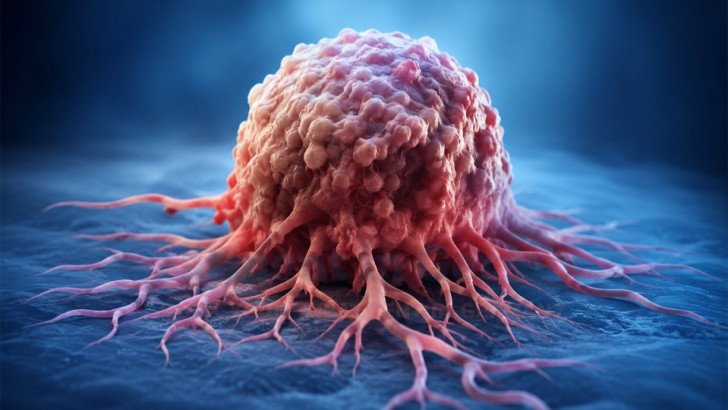
Sarcoma is a rare cancer that develops in the body's connective tissues, including muscles, fat, bones, cartilage, blood vessels, and nerves. Sarcoma treatment in Germany combines specialized multidisciplinary care with personalized treatment plans based on the tumor type and stage. This article covers diagnosis, surgery, chemotherapy, radiation therapy, targeted therapy, dendritic cell therapy, survival outcomes, treatment costs, and specialist care. Contact TIG GmbH for a free medical report review.
Sarcoma Treatment in Germany: Advanced Treatment Options
Sarcoma cancer is a rare and complex group of tumors that demands specialized coordinated care. Because these cancers are uncommon and include many distinct subtypes, accurate diagnosis and treatment at an experienced center are particularly important. Germany, with its multidisciplinary sarcoma expertise and selected investigational or individualized treatment approaches and access to advanced therapies, has become a trusted destination for sarcoma treatment in Germany, including newer immune-based options such as dendritic cell therapy which remains under clinical investigation for sarcoma.
Standard treatment remains the foundation, built around surgery, chemotherapy, radiation and targeted therapy. For advanced or recurrent disease, additional approaches are being explored to strengthen the response and understanding what each offers helps patients make informed decisions.
Patients exploring advanced sarcoma treatment face both medical and practical questions. TIG GmbH connects international patients with a sarcoma specialist, arranges a review of their imaging and pathology and coordinates the pathway from assessment to follow-up.
What Is Sarcoma Cancer?
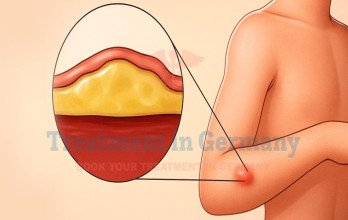
It is a malignancy that arises in the body's connective tissues, such as muscle, fat, bone, cartilage, blood vessels and nerves. This sets it apart from the more common carcinomas, which begin in the cells lining organs. Sarcoma is rare, making up less than 1% of all adult cancers, which is precisely why specialized care matters so much [3].

What Are Soft Tissue and Bone Sarcomas?
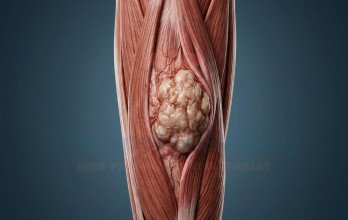
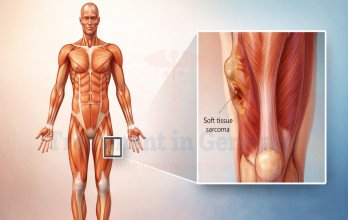
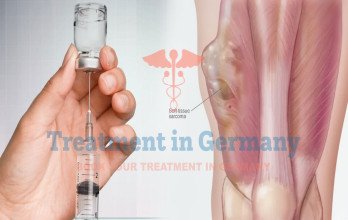
Sarcomas fall into two broad groups. Soft tissue sarcomas develop in muscle, fat, blood vessels and other connective tissues and they account for more than 80% of all sarcoma subtypes [1]. Bone sarcomas arise in the skeleton and are less common. There are more than 70 different histological subtypes of soft tissue sarcoma, which is one reason accurate diagnosis is so important. The overall annual incidence of soft tissue sarcoma is estimated at 5.6 to 5.9 per 100,000 adults in Europe [2].

How Does Sarcoma Spread to Other Parts of the Body?
Sarcoma spreads when cancer cells break away and travel through the bloodstream to distant organs, most often the lungs, in a process called metastasis. A substantial proportion of patients with soft tissue sarcoma eventually develop distant metastases, with the risk varying according to factors such as tumor subtype, grade and size [2]. When sarcoma spreads to distant organs, it is considered metastatic or advanced disease and, depending on the sarcoma type and staging system used, may be classified as stage 4 sarcoma.
Symptoms and Diagnosis of Sarcoma in Germany
Common Symptoms of Sarcoma
Sarcoma symptoms depend on the tumor's size and location and are often vague early on. The most common signs include:
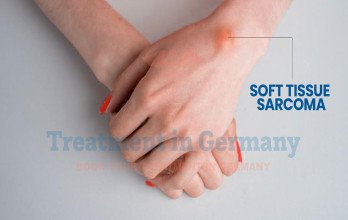
- A painless lump or swelling, often the first noticeable sign.
- Pain, when the tumor presses on nerves or muscles.
- Swelling or limited movement in an arm or leg.
- Abdominal pain, bloating or fullness for sarcomas deep in the body.
Because these signs can overlap with benign conditions, diagnosis may sometimes be delayed. Any lump that is growing, larger than a golf ball or deep within the tissue should be assessed promptly by a specialist [3].
Imaging, Biopsy and Molecular Testing for Sarcoma
Accurate sarcoma diagnosis combines imaging, biopsy and molecular testing. MRI and CT scans map the tumor's size and location, while a biopsy confirms the diagnosis and subtype and is essential before any treatment decision [3]. Molecular testing may then identify genetic or molecular features, including biomarkers associated with specific sarcoma subtypes, which can help guide treatment and provide additional prognostic information [4].
Because sarcoma includes many rare subtypes that can be difficult to distinguish, expert pathology review is particularly important for confirming the diagnosis before treatment begins. TIG GmbH can arrange a second opinion for sarcoma in Germany so the diagnosis and subtype are confirmed before treatment begins.
Types of Sarcoma and How They Affect Treatment in Germany
Common Types of Soft Tissue Sarcoma
The types of sarcoma cancer are numerous, but a few soft tissue subtypes are seen most often: liposarcoma in fat tissue, leiomyosarcoma in smooth muscle, synovial sarcoma near joints and undifferentiated pleomorphic sarcoma, a frequent high-grade subtype. Each behaves differently, which is why identifying the exact type shapes the whole treatment plan [1].

Bone Sarcomas, Including Osteosarcoma and Ewing Sarcoma
Bone sarcomas are a distinct group. Osteosarcoma is the most common primary bone cancer, typically affecting children, adolescents and young adults, while Ewing sarcoma is another aggressive bone and soft tissue cancer mainly affecting young people. Both are immunologically cold tumors although immune characteristics vary among tumors and they tend to evade the immune system, making them a focus of research into new immune-based treatments [8].
How Sarcoma Type and Grade Guide Treatment in Germany
Beyond the subtype, tumor grade is one of the most important prognostic factors, reflecting how aggressive the cancer appears and how likely it is to spread. Low-grade tumors generally grow more slowly, while high-grade tumors are more aggressive and carry a greater risk of metastasis. One review reported that approximately 50% of patients with high-grade soft tissue sarcoma die from metastatic disease within five years [5].
Standard Sarcoma Treatment Options in Germany
Personalized Treatment Planning for Sarcoma
Care in Germany begins with a multidisciplinary sarcoma treatment board, where surgeons, oncologists, radiologists and pathologists review each case together. This ensures the plan reflects the tumor's type, grade, location and stage. Because sarcoma is rare and complex, this collaborative model is the foundation of effective personalized sarcoma treatment in Germany.
Surgery, Chemotherapy, Radiation Therapy and Targeted Therapy
Established therapies form the backbone of sarcoma treatment and the sequence is tailored to each patient. The main approaches are:
- Sarcoma surgery, the primary treatment for most localized sarcomas, aiming to remove the tumor completely with clear margins.
- Radiation therapy, used before or after surgery to reduce the risk of local recurrence.
- Chemotherapy, which plays a larger role in certain subtypes and advanced disease, with reported response rates of approximately 15 to 35% in the patient populations discussed in the cited review depending on the sarcoma subtype, treatment regimen and line of therapy.[5].
- Targeted therapy for sarcoma in Germany, matched to specific molecular features of the tumor.
For localized sarcoma, complete surgical removal with appropriate margins is often the main potentially curative treatment approach. For soft tissue sarcoma treatment in Germany, surgery may be combined with radiation therapy, while chemotherapy is considered according to the sarcoma subtype, stage and individual risk factors. The limited effectiveness of chemotherapy in some advanced sarcoma subtypes is one reason researchers continue to investigate new immune-based and targeted approaches.
TIG GmbH can arrange access to surgery, radiation, chemotherapy and targeted therapy at experienced German centers coordinated through a multidisciplinary team focused on sarcoma treatment in Germany.
Dendritic Cell Therapy for Advanced Sarcoma in Germany
For selected patients with advanced sarcoma, specialized centers in Germany may offer dendritic cell therapy, a personalized immune-based approach designed to stimulate tumor-specific immune responses. It is considered alongside standard treatment rather than as a replacement for established therapies and its clinical benefit in sarcoma is still being investigated [6].
How Does Dendritic Cell Therapy Work Against Sarcoma?
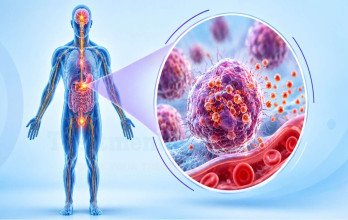
Dendritic cells are the immune system's messengers between innate and adaptive immunity. They capture and process tumor antigens and present them to T cells, helping initiate antigen-specific immune responses [9]. A dendritic cell vaccine uses the patient's own immune cells, which are prepared with tumor-associated antigens and then administered back to the patient with the aim of stimulating a tumor-specific immune response [7].

This approach is of research interest because some sarcomas, including Ewing sarcoma and osteosarcoma, are considered immunologically cold tumors with mechanisms that limit effective antitumor immune responses [8]. Dendritic cell-based approaches are being investigated as one way to improve tumor-specific immune recognition, with early research exploring their potential in Ewing sarcoma, osteosarcoma and other subtypes [10].
Who Is Eligible for Dendritic Cell Therapy in Germany?
Eligibility is confirmed through a specialist assessment. Dendritic cell therapy may be considered for selected patients with advanced, recurrent or metastatic sarcoma after a specialist reviews the tumor subtype, previous treatments, available tumor material, immune status and overall health. Suitable candidates typically include:
- Patients with advanced or metastatic sarcoma seeking to add an immune-based approach.
- Those with available tumor tissue for preparing a personalized vaccine [7].
- Patients whose overall health allows time for an immune response to build.
A specialist review is required to determine suitability and dendritic cell therapy should be considered as part of a broader treatment plan rather than presented as a stand-alone cure. Patients with severe immune dysfunction, uncontrolled infections, significant organ impairment or a very poor general condition may not be suitable candidates, although eligibility must be assessed individually.
How Is Dendritic Cell Therapy Performed in Germany?
The process is structured around cell collection, laboratory preparation and administration of the personalized vaccine. The patient's immune cells are collected from the blood, processed and matured in the laboratory, exposed to selected tumor-associated antigens and then administered back to the patient [7]. The overview below shows the pathway.

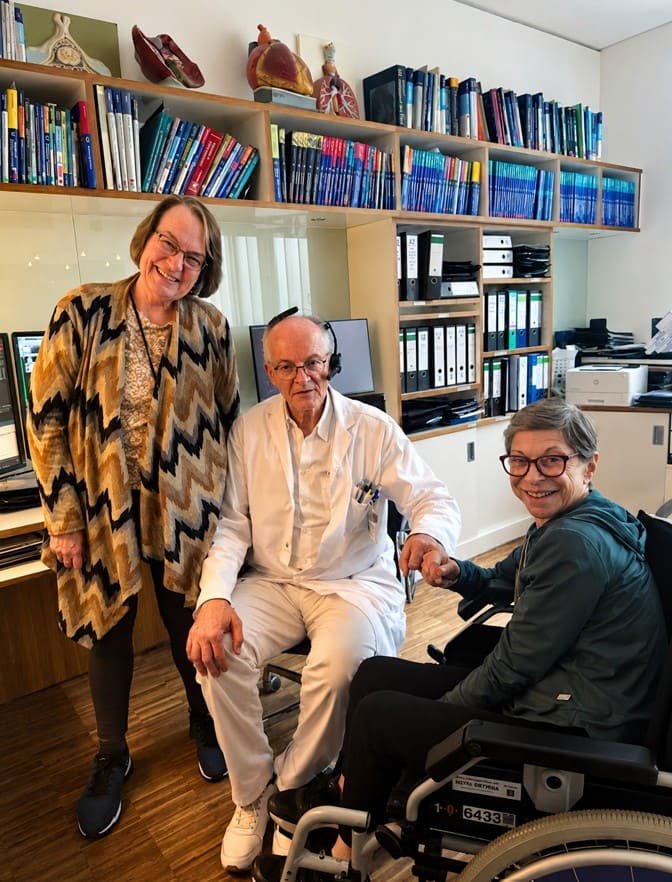
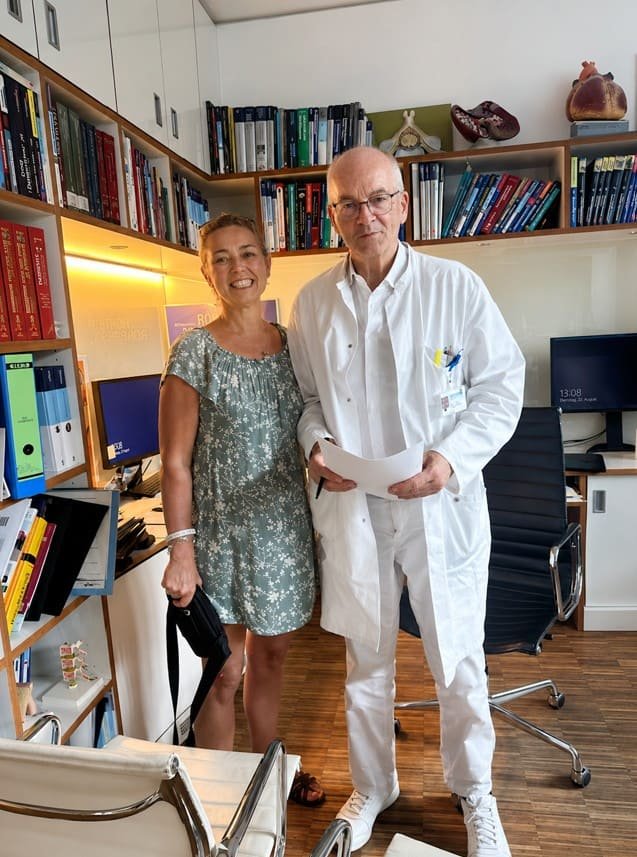
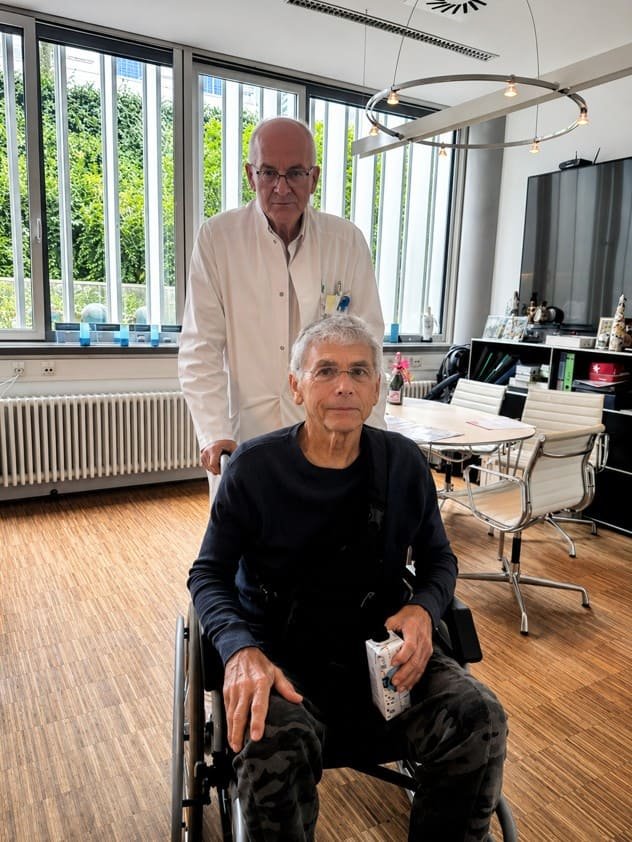
Because it uses the patient's own cells, dendritic cell therapy is a clear example of personalized sarcoma immunotherapy in Germany. It is delivered by Prof. Gansauge at LDG Laboratories, using patient-specific cell processing protocols integrated with standard oncologic care.
Can Dendritic Cell Therapy Be Combined with Other Sarcoma Treatments?
A strength of dendritic cell therapy is that it fits naturally alongside standard care. Because dendritic cell therapy is generally well tolerated, it may be integrated with surgery, radiation, chemotherapy or targeted therapy when considered appropriate by the treating specialists. The timing and sequence depend on the patient's condition, treatment history and overall treatment plan [9].
There is a biological rationale for combination. Surgery may provide tumor tissue for preparing a personalized vaccine, while some forms of radiation and chemotherapy can promote tumor-antigen release and may create conditions that support immune recognition. Preclinical research suggests that combining dendritic cell-based approaches with certain targeted therapies may modify the tumor microenvironment and improve antitumor immune activity. These findings remain experimental and do not yet establish a clinical benefit for patients with sarcoma [10]. For this reason, dendritic cell therapy is being investigated as a potential complement to established sarcoma treatment rather than as a replacement for standard care.
A multidisciplinary tumor board decides which combination fits each patient, weighing the tumor type, grade, prior treatment and overall health before any therapy begins. Because sarcoma is rare and biologically diverse, international guidelines recommend that diagnosis and treatment be planned by multidisciplinary teams with expertise in sarcoma, including orthopedic or surgical oncologists, medical oncologists, radiation oncologists, radiologists and specialist pathologists. Management at experienced centers has been associated with improved diagnostic accuracy and more appropriate treatment planning.
Who Can Benefit from Advanced Sarcoma Treatment in Germany?
Patients Who Have Not Responded to Standard Treatments
Patients diagnosed with complex or high-risk sarcoma may benefit from advanced sarcoma treatment in Germany. This includes individuals with rare sarcoma subtypes, tumors located in difficult anatomical areas, or cancers that require specialized surgery and personalized treatment planning. German sarcoma centers use a multidisciplinary approach, where surgical oncologists, medical oncologists, radiation oncologists, radiologists, and pathologists work together to develop an individualized treatment strategy based on the patient's diagnosis, overall health, and treatment goals.
Patients with Recurrent or Metastatic Sarcoma
Patients whose cancer has returned after initial treatment or spread to other parts of the body may also benefit from metastatic sarcoma treatment in Germany. After a comprehensive evaluation, specialists determine whether surgery to remove isolated metastases, systemic therapies, targeted treatments, radiotherapy, or other personalized approaches are appropriate. Dendritic cell-based immunotherapy is also being investigated for selected patients with advanced disease, although its long-term impact on tumor control and survival has not yet been established. For recurrent or metastatic sarcoma, treatment aims to slow disease progression, manage symptoms, and preserve quality of life while considering clinical trial opportunities whenever appropriate.

Patients with Stage 4 Sarcoma
Patients requiring stage 4 sarcoma treatment in Germany may benefit from a personalized treatment plan designed to control disease progression, relieve symptoms, and maintain quality of life. Although the stage 4 sarcoma survival rate is generally lower than for localized sarcoma, treatment decisions are based on factors such as the sarcoma subtype, the extent of metastasis, previous treatments, and the patient's overall condition. Depending on the individual case, care may include surgery, chemotherapy, radiotherapy, targeted therapy, or other advanced treatment approaches delivered by an experienced multidisciplinary team. Participation in clinical trials may also provide access to emerging therapies for eligible patients
Who May Not Be Eligible for Advanced Sarcoma Treatment?
Some patients are not suitable candidates for certain therapies, including those whose health is too fragile to tolerate treatment, those with uncontrolled infections or severe organ dysfunction or those whose disease pattern does not fit a particular approach. A specialist assessment identifies these situations and sets realistic expectations [5]. A specialist review confirms whether a patient is a suitable candidate for each therapy before any travel is planned, which protects patients from treatment unlikely to help.
How Effective Is Sarcoma Treatment in Germany?
Effectiveness varies widely with the type, grade and stage of sarcoma. For localized disease treated with complete surgery, outcomes can be good, while advanced disease is more challenging. Reported five-year survival for soft tissue sarcoma varies widely by subtype, stage, grade, tumor location and study population, with some published analyses reporting overall rates of approximately 50% to 70% [1].

Factors That Influence Sarcoma Treatment Outcomes
Several factors shape the sarcoma prognosis, including tumor grade, subtype, size, location, stage, whether the tumor can be completely removed and the patient's overall health [5]. There is no single answer to whether sarcoma is curable or life-threatening, since a small, localized, low-grade tumor that can be completely removed has a very different outlook from high-grade metastatic disease [1].
Survival and Prognosis for Advanced Sarcoma
For advanced disease, the sarcoma survival rate is generally lower than for localized disease. For metastatic soft tissue sarcoma, the median overall survival reported in published studies is approximately 12 to 18 months and fewer than 20% of patients are alive at two years. A meaningful minority achieve long-term survival, with one large series reporting that 9% of patients with metastatic disease were alive five years after diagnosis [2]. These figures describe study populations and should not be used to predict an individual patient's outcome. Whether soft tissue sarcoma is curable depends on the individual case, as cure is difficult once the disease is widespread. However, the soft tissue sarcoma prognosis varies and the stage 4 sarcoma survival rate depends heavily on the subtype, extent of disease and response to treatment.
Is Dendritic Cell Therapy for Sarcoma Supported by Medical Research?
Clinical Evidence and Current Research on Dendritic Cell Therapy for Sarcoma
Dendritic cell therapy for sarcoma has been investigated in early clinical studies, but the evidence remains limited and the field is still developing. In a phase I/II trial, a tumor lysate-pulsed dendritic cell vaccine was evaluated in 37 patients with bone or soft tissue sarcoma, with the study reporting no treatment-associated adverse effects and evidence of immunological responses [6]. In a separate study of advanced pediatric sarcoma and neuroblastoma, sarcoma was the most common diagnosis and personalized vaccines were successfully prepared from patients' tumor tissue [7].
Early studies have generally supported the feasibility and tolerability of dendritic cell-based approaches. However, whether they improve tumor control or survival in patients with sarcoma remains uncertain and requires larger, well-designed clinical studies [9]. Dendritic cell therapy should therefore be presented as a research-informed option rather than a proven cure.
Regulatory Status and Treatment Availability in Germany
Standard sarcoma treatments such as surgery, radiation therapy, chemotherapy and approved targeted therapies are widely available in Germany. Dendritic cell therapy is not an established standard treatment for sarcoma and may be available through specialized providers as an individualized immune-based approach. Patients should receive clear information about the available evidence, treatment costs, potential risks and alternative options before proceeding.
Risks and Side Effects of Sarcoma Treatment
Every treatment carries potential side effects. Surgery carries the usual risks of a major operation, including infection and effects on function depending on the tumor's location. Radiation can cause skin changes, fatigue and local tissue effects. Chemotherapy can cause fatigue, nausea, hair loss and low blood counts and its benefit in sarcoma is limited to certain subtypes.
Dendritic cell vaccines have generally shown favorable tolerability in early studies, with commonly reported effects including low-grade fever, fatigue and injection-site reactions. One early sarcoma study reported no treatment-associated adverse effects [9][6]. Patients are monitored throughout so any reaction can be managed promptly.

Why Choose Germany for Sarcoma Treatment?
Specialized Sarcoma Centers and Multidisciplinary Care
Germany is recognized for its specialized sarcoma expertise, delivered through high-volume centers where teams manage these rare tumors regularly. Because sarcoma is rare and includes many distinct subtypes, care at an experienced center can provide access to specialist pathology review, multidisciplinary treatment planning, complex surgery, molecular diagnostics and coordinated follow-up.
Personalized Cancer Treatment and Advanced Therapies
Specialized centers may combine expert pathology, molecular diagnostics, surgery, radiation therapy, systemic treatment and supportive care within a coordinated treatment plan tailored to the sarcoma subtype and stage. Access to a sarcoma oncologist in Germany, expert pathology review and advanced treatment options can support a coordinated and individualized approach to care.
Cost of Sarcoma Treatment in Germany
The sarcoma treatment cost in Germany depends on the therapies used, the extent of surgery and the overall plan. German centers combine high clinical standards with transparent costs, set out clearly before treatment begins.
What Does Sarcoma Treatment Cost Include?
The cost generally covers the therapy, hospital care, imaging, laboratory tests and specialist review and for surgery the operation, anesthesia and recovery. The soft tissue sarcoma treatment cost in Germany varies with the complexity of the case and whether treatments are combined.
Factors Affecting Sarcoma Treatment Costs
Several factors influence the final figure, including the sarcoma type and stage, the number of therapies, the length of treatment and supportive care. Advanced disease requiring combined approaches costs more than a single localized surgery and a clear estimate should always precede travel.
Cost of Dendritic Cell Therapy in Germany
For the treatment program coordinated through TIG GmbH and delivered by Prof. Frank Gansauge, a leading specialist in personalized cancer immunotherapy with extensive experience in dendritic cell–based treatments, the cost of dendritic cell therapy in Germany is approximately €27,000 for the complete treatment course. This includes the laboratory preparation of the personalized dendritic cell vaccine and the scheduled treatment injections. TIG GmbH provides a personalized cost estimate before treatment begins, allowing patients to review the expected expenses in advance.

International Patient Services for Sarcoma Treatment in Germany
Medical Report Review and Second Opinion
The journey begins with a review of the patient's medical records before any travel. A second opinion for sarcoma in Germany is often the most valuable first step, confirming the diagnosis and subtype, which is critical for such a varied cancer and can prevent misdiagnosis that would misdirect the whole plan.
Medical Visa, Travel and Interpreter Support
International patients often need a medical visa, along with help arranging travel and medical interpretation. This practical support removes the barriers that can otherwise complicate treatment abroad, so patients can focus on their care. These arrangements are handled end to end, from the first medical review to travel, treatment and follow-up coordination, so patients face no logistical gaps.
Why Choose TIG for Sarcoma Treatment in Germany?
TIG GmbH helps international patients approach sarcoma cancer treatment in Germany with clarity and coordinated support at every stage. The service is informational and organizational, working alongside the treating specialists rather than replacing medical advice. From the first medical report review and second opinion to specialist matching, scheduling, travel and follow-up, the aim is to make a complex journey as smooth as possible, so patients can concentrate on their treatment and recovery.
Your Treatment Journey for Sarcoma Treatment in Germany
For patients considering treatment, the pathway is organized into clear stages:
- Medical report review and second opinion, so specialists can confirm the diagnosis before any travel.
- Specialist consultation, to confirm suitability and plan the approach.
- Diagnosis and staging, including imaging, biopsy and molecular testing.
- Treatment, which may combine surgery, radiation, chemotherapy, targeted therapy and dendritic cell therapy.
- Response monitoring, tracking the disease with imaging and clinical review.
- Follow-up coordination, continued after returning home.
At each step, TIG GmbH coordinates the details, so patients move through the process with confidence and clear information.
References
Why Patients Worldwide Prefer Our Medical Services in Germany – Key Benefits Explained





.webp)
 (1).webp)
.webp)
.jpg)
 (1).webp)
.jpg)