

Learn about Stage 3 Lung Cancer: Survival Rates and Treatment Options, including TPCE treatment, TACP treatment, and dendritic cell immunotherapy in Germany, with doctor details, costs, and guidance for international patients.
Stage 3 Lung Cancer: Survival Rates and Treatment Options in Germany
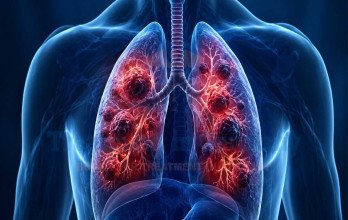
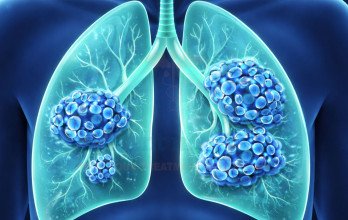
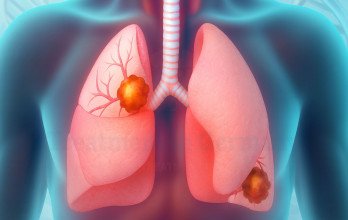
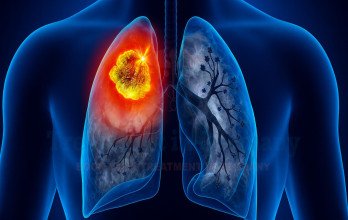
Stage 3 lung cancer is a locally advanced form of lung cancer in which the disease has spread beyond the primary lung tumor to nearby lymph nodes or surrounding structures within the chest. At this stage, the cancer is more complex than early-stage disease but has not yet spread to distant organs. Because of this intermediate position, treatment decisions for stage 3 lung cancer require careful planning and coordination among specialists.
Patients researching Survival Rates and new treatment Options for lung cancer in Germany are often seeking clarity about what this stage means, how treatment is planned, and why outcomes differ from one patient to another. According to information referenced by the British Cancer Society, stage 3 lung cancer does not have a single predictable outcome, as the disease behaves differently depending on tumor biology and individual health factors.
How Stage 3 Lung Cancer Is Classified
Stage 3 lung cancer includes several subcategories based on the size of the tumor and the extent of lymph node involvement. In some patients, cancer may involve lymph nodes on one side of the chest, while in others it may affect multiple regions within the chest cavity. This variation explains why treatment planning cannot follow a single standard pathway.
Doctors focus on determining how far the disease has progressed locally and whether it can be controlled using a combination of treatments. The aim is to slow disease progression, manage symptoms, and preserve lung function as much as possible.
Stage 3 Lung Cancer Survival Rates Depend on Individual Factors
When discussing stage 3 lung cancer survival rates, doctors do not rely on fixed numbers. Survival depends on multiple factors, including tumor size, the number and location of affected lymph nodes, tumor growth behavior, and how the cancer responds to treatment. The type of lung cancer, whether non-small cell or small cell, also plays an important role.
Patient-related factors such as age, lung capacity, overall health, and ability to tolerate treatment further influence outcomes. Because these variables differ widely, survival expectations are always personalized and reviewed throughout the treatment process rather than defined at diagnosis.
Factors That Influence Stage 3 Lung Cancer Survival
Several factors influence how stage 3 lung cancer progresses over time. These include how early the cancer was detected within stage 3, whether treatment achieves good local control, and how the body responds to therapy. Patients with better lung function and fewer additional health conditions may tolerate treatment differently than others.
Response to treatment is another critical factor. Some tumors respond well to therapy, while others may require treatment adjustments. This is why survival discussions are ongoing and based on continuous medical assessment rather than initial estimates.
Diagnostic Evaluation before Stage 3 Lung Cancer Treatment in Germany
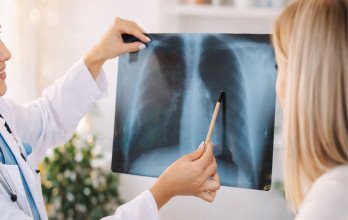
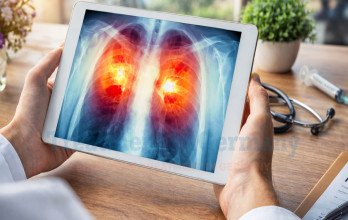
Before treatment begins, doctors carry out a detailed diagnostic evaluation to confirm the stage and extent of disease. This typically includes imaging studies such as CT scans and PET scans to assess tumor activity and lymph node involvement. MRI scans may be used when additional detail is required, and biopsy confirms the cancer type. Lung function tests help determine how well a patient can tolerate certain treatments.
Hospitals providing lung cancer treatment in Germany follow structured diagnostic protocols aligned with international standards referenced by the British Cancer Society. This thorough evaluation ensures that advanced treatment options are selected appropriately.
Why International Patients Choose Treatment in Germany for Stage 3 Lung Cancer
Germany is internationally recognized for its advanced oncology infrastructure and multidisciplinary treatment approach. Patients seeking new treatment options for lung cancer in Germany benefit from detailed diagnostics, coordinated specialist care, and access to innovative interventional and immune-based treatments.
Many international patients travel for cancer treatment in Germany to consult specialists regarded among the best oncologist in Germany, particularly for complex lung cancer cases. Germany’s emphasis on precision, safety, and individualized treatment planning makes it a trusted destination for advanced cancer treatment.
TPCE Treatment (Transpulmonary Chemoembolization) for Stage 3 Lung Cancer in Germany
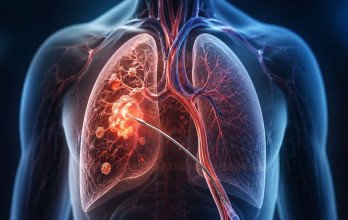
TPCE Treatment for stage 3 lung cancer in Germany, is an interventional oncology approach designed to deliver chemotherapy directly to lung tumors through the pulmonary circulation. This targeted delivery allows a higher concentration of chemotherapy to reach the tumor while reducing exposure to the rest of the body. In stage 3 lung cancer, TPCE may be considered when localized tumor control is needed as part of a broader treatment plan. TPCE Treatment in Germany is performed by Prof. Vogl in Frankfurt, Germany, a specialist in interventional oncology. The cost of TPCE Treatment in Germany generally ranges from €8,000 to €9,000 per session, depending on treatment complexity and the number of sessions required.
TACP Treatment (Transarterial Chemoperfusion) for Stage 3 Lung Cancer in Germany
TACP Treatment for stage 3 lung cancer in Germany focuses on delivering chemotherapy directly through arteries supplying the tumor without fully blocking blood flow. This approach allows targeted treatment of tumor tissue while maintaining circulation to surrounding structures. For stage 3 lung cancer, TACP may be evaluated when localized tumor burden requires focused treatment alongside other therapies.
TACP Treatment in Germany is also performed by Prof. Vogl in Frankfurt, Germany. The cost of TACP Treatment in Germany typically falls between €8,000 and €9,000 per session, depending on individual treatment planning.
Immunotherapy Dendritic Cell Therapy for Stage 3 Lung Cancer in Germany
Immunotherapy Dendritic Cell Therapy for stage 3 lung cancer in Germany is a personalized immune-based treatment designed to support the body’s ability to recognize and respond to lung cancer cells. Rather than directly removing tumors, this therapy focuses on strengthening immune recognition of cancer-related markers.
For stage 3 lung cancer, dendritic cell therapy may be evaluated in patients who require additional immune support alongside other treatments. Blood is collected from the patient, and immune cells (monocytes) are processed in an EU GMP certified laboratory to develop dendritic cells. These cells are exposed to tumor-specific antigens and administered back to the patient as a personalized dendritic cell vaccine.
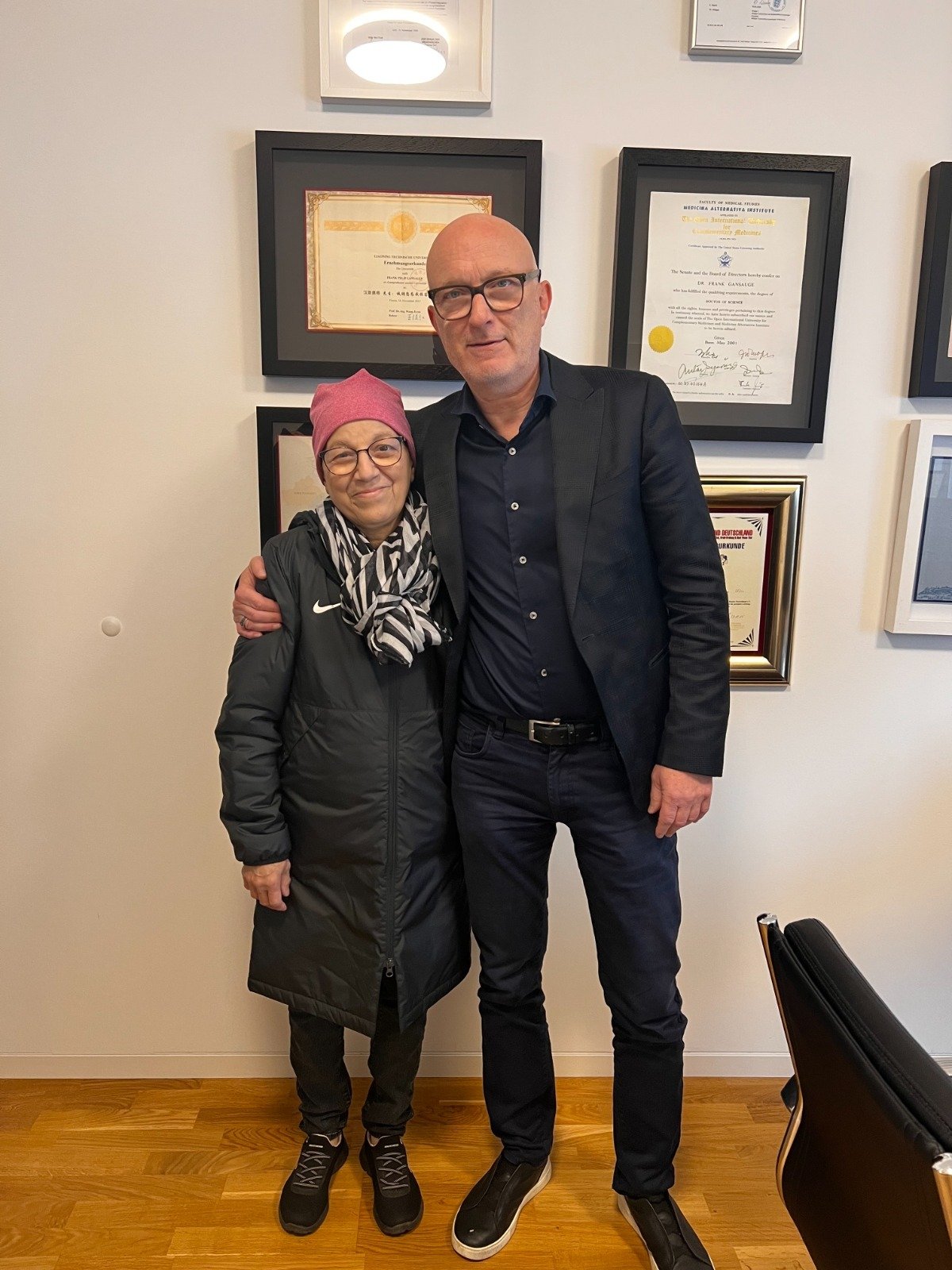
This therapy is provided by Prof. Gansauge in Berg, Germany, who specializes in cell-based immunotherapy. The cost of Dendritic Cell Therapy in Germany is €24,000, which includes laboratory processing, vaccine preparation, and administration.
Prof. Gansauge has authored over a hundred scientific publications in renowned medical and research journals.
Combining Treatments for Stage 3 Lung Cancer in Germany
In many cases, doctors evaluate combined treatment strategies to manage stage 3 lung cancer effectively. Interventional treatments such as TPCE and TACP focus on localized tumor control, while immunotherapy supports systemic immune response. German oncology teams monitor patients closely using imaging and lung function testing to adapt treatment plans based on response.
International Patient Support through TIG, Treatment in Germany
For international patients, navigating treatment abroad can be challenging. TIG, Treatment in Germany, at www.treatmentingermany.de, provides complete logistical support including medical visa support if required. This allows patients to focus on treatment decisions.
🌍Why Patients Worldwide Prefer Our Medical Services in Germany – Key Benefits Explained:


Frequently Asked Questions
What is stage 3 lung cancer?
It is locally advanced lung cancer involving nearby lymph nodes or chest structures.
Do survival rates vary in stage 3 lung cancer?
Yes, survival depends on tumor size, response to treatment, and patient health.
What treatment options are available for stage 3 lung cancer?
Options include TPCE Treatment, TACP Treatment, and Immunotherapy Dendritic Cell Therapy in Germany.
Does innovative treatments in Germany reduce the risk of recurrence in stage 3 lung cancer?
Recurrence risk in stage 3 lung cancer depends on tumor biology, treatment effectiveness, and follow-up care.
Can stage 3 lung cancer be treated successfully?
Treatment success in stage 3 lung cancer depends on early diagnosis, comprehensive care, and individual response to therapy.
Is TPCE Treatment in Germany safe for lung cancer patients?
TPCE Treatment in Germany is performed under image guidance by experienced specialists to ensure safety.
Is TACP Treatment in Germany effective for stage 3 lung cancer?
Effectiveness of TACP Treatment in Germany depends on tumor location and patient selection.
What is Immunotherapy Dendritic Cell Therapy in Germany?
It is an immune-based therapy that trains the immune system to recognize cancer cells.
How does a dendritic cell vaccine work?
A dendritic cell vaccine guides immune cells to identify cancer-specific markers.
Is dendritic cell therapy safe for lung cancer patients?
Immunotherapy Dendritic Cell Therapy in Germany is prepared under strict EU GMP standards to ensure safety.
Are new clinical trials available in Germany?
Yes, new clinical trials for stage 3 lung cancer are available in Germany.
How can international patients arrange treatment in Germany?
TIG, Treatment in Germany at www.treatmentingermany.de , assist international patients with complete logistical arrangements including a medical visa support if required.
Who is the best cancer specialist for stage 3 lung cancer in Germany?
Germany has many highly experienced oncologists and specialized cancer centers known for advanced diagnostics and personalized treatment approaches. The “best” cancer specialist depends on the specific cancer type and treatment needs. Some of the most recognized cancer experts include professors working at leading hospitals such as Charité University Hospital (Berlin), University Hospital Heidelberg, University Hospital Munich (LMU), and Frankfurt University Hospital.












.webp)
 (1).webp)
.webp)
.jpg)
 (1).webp)
.jpg)