
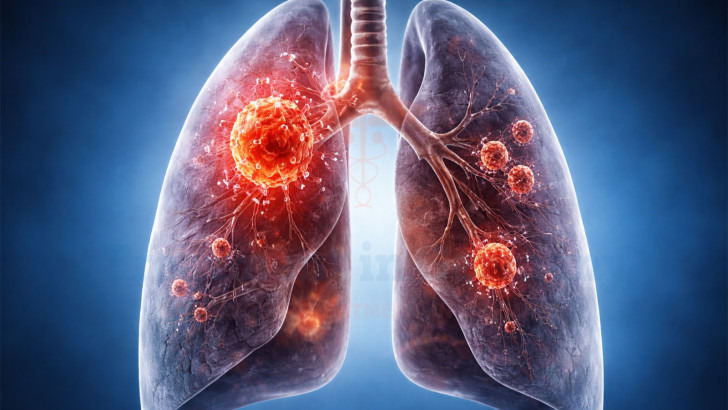
Learn what non-small cell lung cancer stage 4 is and explore modern treatments in Germany including TPCE, TACP, and dendritic cell therapy with complete logistical support through TIG.
What Is Stage 4 Non-Small Cell Lung Cancer?
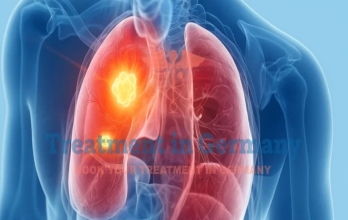
Non-small cell lung cancer (NSCLC) is the most common type of lung cancer and represents the majority of lung malignancies worldwide. According to Global Cancer Statistics 2022, lung cancer accounted for 2,480,675 new cases and 1,817,172 deaths worldwide in 2022 [1]. Because early lung cancer often causes minimal symptoms, many patients are diagnosed only after the disease has spread beyond the lungs, resulting in stage 4 metastatic non-small cell lung cancer that requires comprehensive multidisciplinary management.
Data from the SEER Cancer Stat Facts indicate that the 5-year relative survival rate for lung and bronchus cancer diagnosed between 2013 and 2019 was 23.7 percent overall [2]. Prognosis in metastatic disease depends on tumor genetics, extent of spread, and response to treatment. These clinical factors influence discussions about stage 4 non-small cell lung cancer prognosis and expectations regarding stage 4 lung cancer life expectancy.
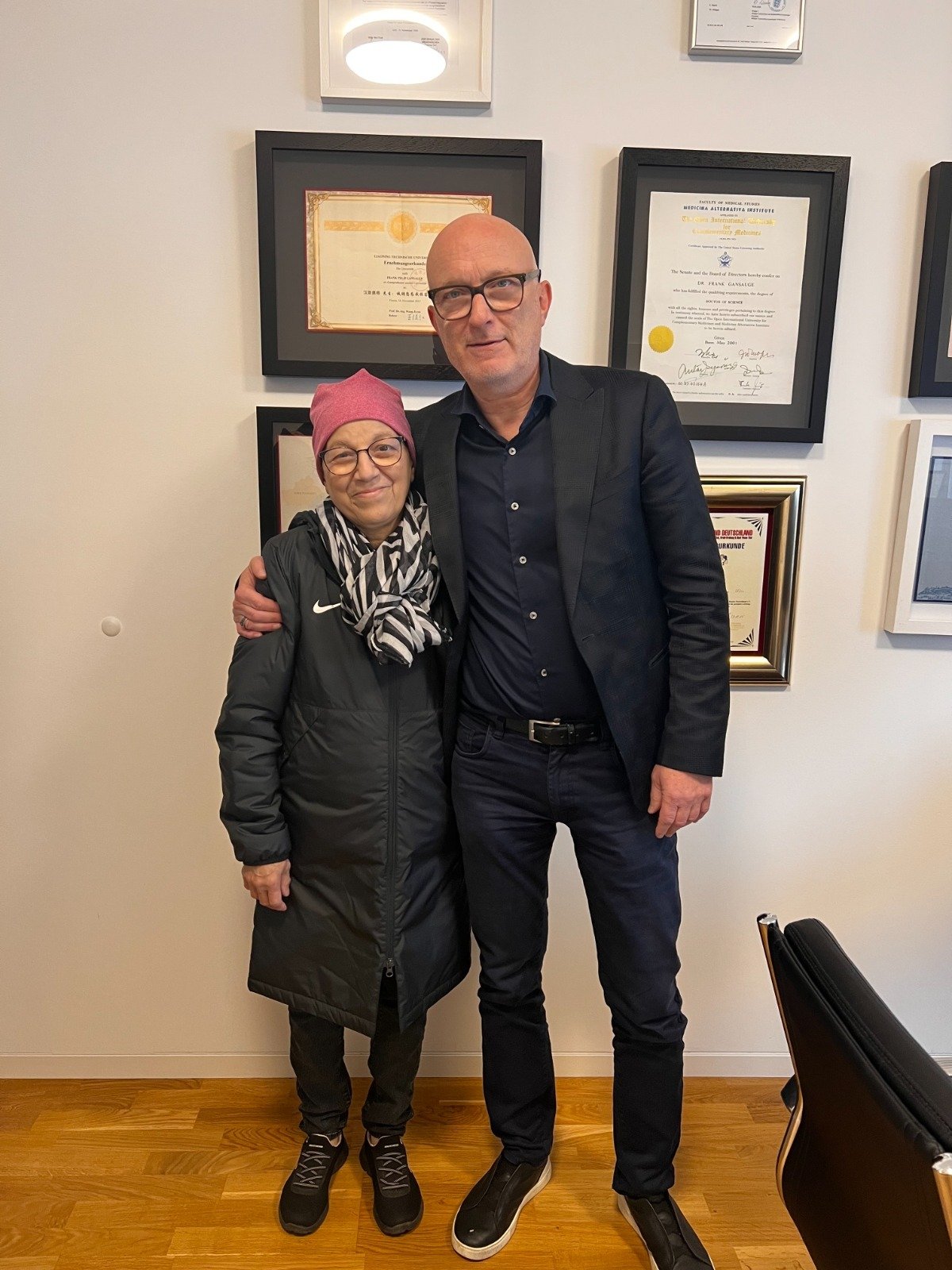
In Germany, treatment is delivered in certified German healthcare centers that follow structured oncology programs and multidisciplinary tumor board evaluation. Prof. Vogl is recognized as an expert in image-guided interventional oncology and embolization therapies, while Prof. Gansauge specializes in regulated cellular immunotherapy programs, including Immunotherapy Dendritic Cell Therapy. This coordinated framework allows international patients to access innovative therapies supported by oncology specialists and the latest medical technology in Germany.
Lung Cancer and Its Major Types
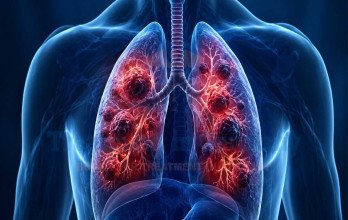
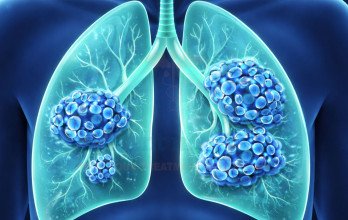
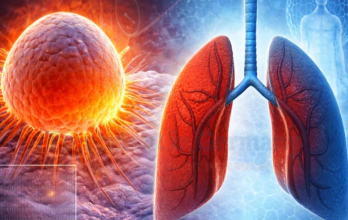
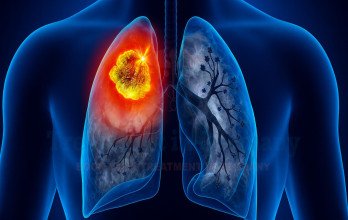
Lung cancer develops when abnormal cells grow uncontrollably in the lungs and form malignant tumors that may invade nearby structures or spread to distant organs. The disease is broadly divided into two primary categories based on microscopic features and biological behavior.
The first category is non-small cell lung cancer (NSCLC), which accounts for approximately 85 percent of lung cancer diagnoses [3]. NSCLC includes several subtypes such as adenocarcinoma, squamous cell carcinoma, and large cell carcinoma. These tumors tend to grow more slowly than small cell lung cancer but can become aggressive when diagnosed at advanced stages.
The second category is small cell lung cancer (SCLC), a less common but more rapidly growing form strongly associated with tobacco exposure. Correct identification of the tumor type is essential because treatment strategies differ significantly between these two groups.
Understanding Stage 4 Metastatic Non-Small Cell Lung Cancer

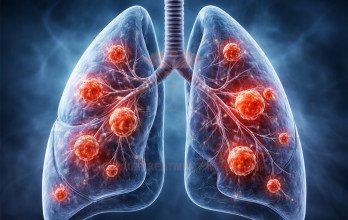
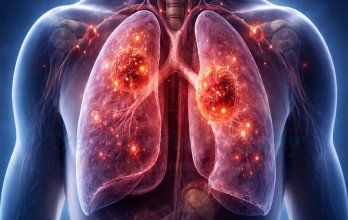
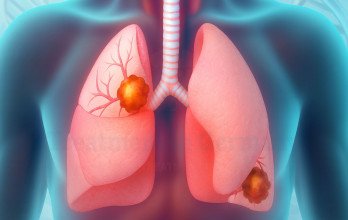
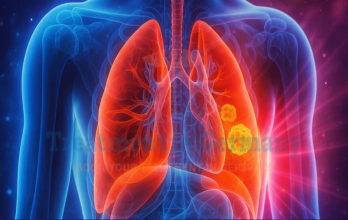
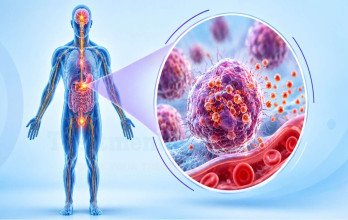
Stage 4 NSCLC means that cancer has spread beyond the lungs to distant organs. This condition is referred to as stage 4 metastatic non-small cell lung cancer, where tumor cells travel through the bloodstream or lymphatic system and establish secondary tumors in other parts of the body. Stage 4 NSCLC is further divided into stage IVA and stage IVB depending on the number and location of metastatic sites.
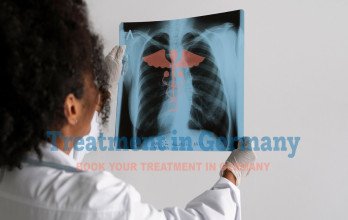
Common metastatic sites include non-small cell lung cancer with liver metastases, brain, bones, and adrenal glands. Advanced imaging and laboratory testing are used to evaluate tumor burden and determine appropriate treatment strategies. These diagnostic assessments help physicians decide whether systemic therapy, interventional oncology procedures, or immunotherapy may be beneficial.
Although stage 4 lung cancer is generally considered advanced disease, modern oncology strategies focus on controlling tumor growth, reducing symptoms, and prolonging survival. Advances in targeted therapy, immunotherapy, and minimally invasive interventional treatments have expanded options for patients with advanced NSCLC.
Standard Systemic Therapy and Clinical Management
Systemic therapy is the primary treatment approach for stage 4 NSCLC. Depending on tumor genetics and molecular testing, treatment may include chemotherapy, targeted therapy, or immunotherapy. Targeted therapies may be used when specific mutations such as EGFR or ALK alterations are detected through genomic testing.
Immunotherapy has become a major therapeutic advancement in lung cancer management. Immune checkpoint inhibitors activate the immune system to recognize and attack tumor cells. In many cases these drugs are combined with chemotherapy to improve treatment response.
Radiation therapy may also be used to control symptoms caused by metastatic lesions, such as pain from bone metastases or neurological symptoms from brain metastases. Multidisciplinary tumor board evaluation ensures that treatment decisions are individualized according to tumor biology and patient health status.
TPCE Treatment (Transpulmonary Chemoembolization) for Stage 4 NSCLC in Germany

TPCE Treatment (Transpulmonary Chemoembolization) is a specialized interventional oncology procedure used in selected patients with advanced lung tumors. The TPCE therapy procedure starts with detailed imaging evaluation to identify tumor location, vascular supply, and the suitability of the patient for localized therapy. Careful pre-procedural assessment ensures that the treatment can be performed safely and effectively.
During the TPCE procedure, a catheter is inserted through a small vascular access point and carefully guided under imaging control toward the blood vessels feeding the lung tumor. Once the correct position is confirmed, chemotherapy is delivered directly into the tumor-supplying vessels. After chemotherapy infusion, embolic agents are introduced to block the blood flow to the tumor, prolonging the contact between the drug and cancer tissue.
This localized approach allows significantly higher drug concentration within the tumor compared with systemic chemotherapy. Potential benefits of TPCE therapy include improved local tumor control and reduced systemic exposure to chemotherapy drugs. As with other interventional procedures, patients are monitored after treatment for possible TPCE therapy side effects, which may include temporary fatigue, mild chest discomfort, or inflammatory responses that are typically manageable. The cost of TPCE therapy in Germany typically ranges between €8,000 and €9,000 per session, depending on individualized treatment planning.
TACP Treatment (Transarterial Chemoperfusion) for Stage 4 NSCLC in Germany

TACP Treatment (Transarterial Chemoperfusion) is another regional therapy used in selected patients with advanced lung cancer. This method is a form of Chemoperfusion therapy that delivers chemotherapy directly to the arteries supplying the tumor, allowing higher drug concentration at the tumor site while reducing systemic toxicity.
The procedure begins with comprehensive imaging evaluation to determine tumor distribution and vascular anatomy. Under real-time imaging guidance, a thin catheter is inserted through a small arterial access point and advanced toward the arteries feeding the lung tumor. Chemotherapy is then infused slowly and selectively into these vessels to maximize local drug exposure.
After treatment, patients are monitored carefully for potential Side effects of TACP treatment, which may include temporary discomfort or mild inflammatory symptoms. The benefits of TACP therapy include targeted drug delivery and potential integration with systemic treatment strategies. The cost of TACP therapy in Germany typically ranges between €8,000 and €9,000 per session, depending on individualized treatment planning.
Immunotherapy Dendritic Cell Therapy for Stage 4 NSCLC in Germany

Immunotherapy Dendritic cell therapy is a personalized immune-based treatment used in selected patients with advanced lung cancer. This dendritic cell therapy cancer treatment aims to stimulate the patient’s immune system to recognize and attack cancer cells more effectively.
The process begins with comprehensive medical evaluation and immune assessment. Blood is collected from the patient to isolate immune cells (monocytes), which are transported to an EU-GMP-certified laboratory. In controlled laboratory conditions, these cells are differentiated into dendritic cells capable of presenting tumor antigens.
The cells are then exposed to tumor-associated antigens to create a dendritic cancer vaccine tailored to the patient’s cancer profile. After strict quality control testing, the vaccine is administered intradermally according to a structured schedule. Potential benefits of dendritic cell therapy include targeted immune activation against tumor cells, while dendritic cell therapy side effects are usually mild and may include temporary fever or fatigue. The cost of Dendritic Cell Therapy in Germany is €27,000, covering immune cell collection, laboratory processing, preparation, and administration. This cellular immunotherapy remains investigational and is considered in highly selected patients within regulated clinical programs.
Ongoing and New Clinical Trials for NSCLC in Germany
Germany actively supports oncology research and offers access to new clinical trials for stage 4 NSCLC exploring advanced treatments for non-small cell lung cancer stage 4. These trials investigate innovative drug combinations, immune-based therapies, and advanced interventional approaches under strict ethical oversight. Eligibility depends on tumor characteristics, prior treatments, and overall health.
Limitations and Considerations in stage 4 NSCLC
Stage 4 NSCLC demonstrates significant biological variability, and treatment outcomes depend on tumor genetics, metastatic distribution, and overall patient health. Although modern therapies provide meaningful disease control, responses may vary between individuals.
Regional interventional procedures such as TPCE and TACP are typically considered for selected patients with localized tumor dominance. They are usually integrated with systemic therapy rather than used as stand-alone treatments. Multidisciplinary tumor board discussions remain essential to ensure balanced treatment planning and individualized care for each patient.

International Patient Support through Treatment in Germany (TIG)
For international patients, planning NSCLC treatment abroad can involve multiple challenges, including medical report review, hospital coordination, scheduling, travel planning, lodging, and documentation. These steps can be difficult for families already under stress. That is why structured support becomes essential. TIG (Treatment in Germany) at www.treatmentingermany.de ensures seamless coordination and manages complete logistical arrangements for international patients, including travel, lodging, and medical visa for international patients (if required). This support helps patients focus on treatment rather than administrative challenges.
Patients may also get a free consultation with TIG (Treatment in Germany) to receive individualized guidance and coordinated access to specialized oncology centers.
References
1- Bray F, Laversanne M, Sung H, et al. Global Cancer Statistics 2022. CA Cancer J Clin. Open Access.
2- National Cancer Institute. SEER Cancer Stat Facts: Lung and Bronchus Cancer. Public Registry.
3- American Cancer Society. Non-Small Cell Lung Cancer Overview. Open Access.
🌍Why Patients Worldwide Prefer Our Medical Services in Germany – Key Benefits Explained:






















.webp)
 (1).webp)
.webp)

.jpg)

 (1).webp)

.jpg)