
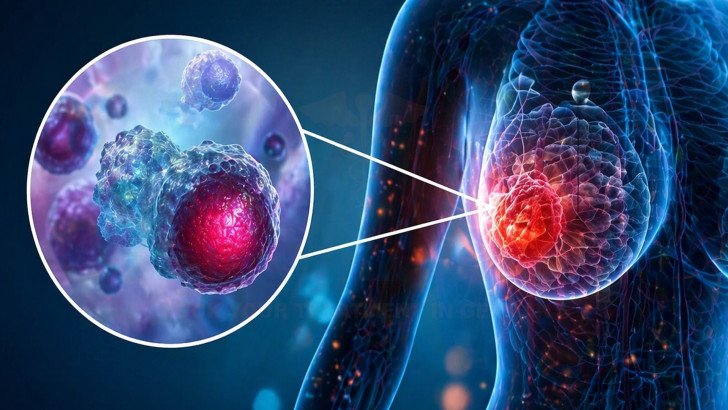
Triple-negative breast cancer (TNBC) is an aggressive subtype of breast cancer that lacks estrogen, progesterone, and HER2 receptors, making it more challenging to treat with conventional targeted therapies. This form of cancer often grows rapidly and may spread earlier than other types, which is why early recognition of early signs of breast cancer is extremely important. Patients diagnosed with this condition often require advanced and multi-layered TNBC treatment strategies, for which variety of options including cancer immunotherapy in Germany, to improve outcomes and manage disease progression effectively.
Dendritic Cell Therapy for Triple-Negative Breast Cancer (TNBC) in Germany
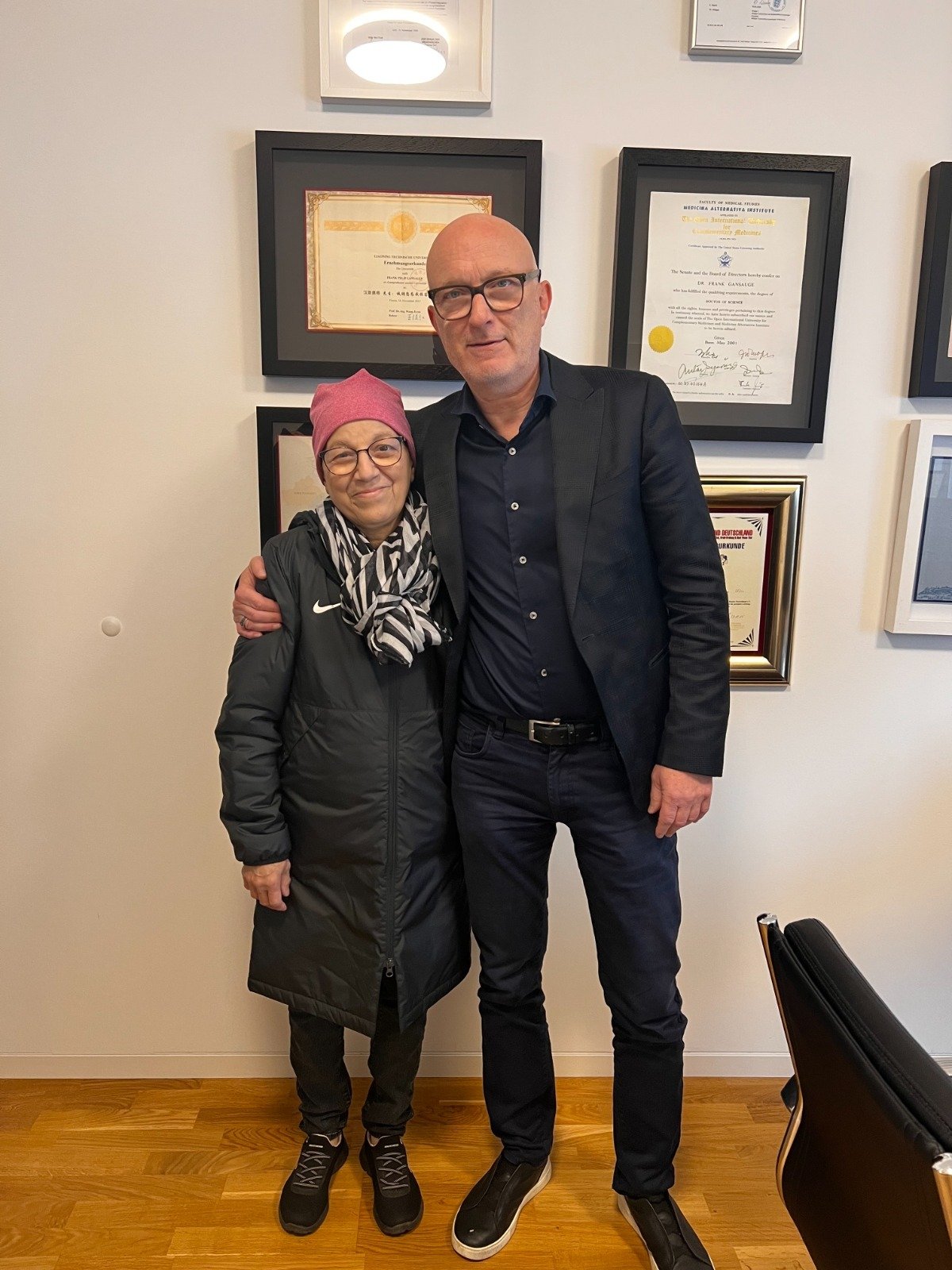
Germany has become a preferred destination for dendritic cell therapy for triple-negative breast cancer, offering access to advanced breast cancer immunotherapy within leading German oncology clinics. Specialists such as Prof. Gansauge, known for expertise in dendritic cell-based immune therapies, contribute to personalized cancer care approaches. With access to the latest advances and structured treatment pathways, many international patients consider Germany among the best countries for dendritic cell therapy for TNBC treatment, especially for complex and advanced cases and advanced cases with strongly backed medical trials as well as evidence based care.
Types of Breast Cancer and Focus on Triple-Negative Breast Cancer
Breast cancer is the second most commonly diagnosed cancer in women and the fifth leading cause of cancer-related deaths worldwide. It is a highly heterogeneous disease, consisting of multiple subtypes that vary significantly in clinical characteristics and survival outcomes. Triple-negative breast cancer (TNBC) is a particularly aggressive and challenging subtype of breast cancer and it includes multiple subtypes that differ in behavior, treatment response, and prognosis. Among these, Triple-negative breast cancer stands out due to its aggressive nature and limited response to hormone or HER2-targeted therapies. Unlike other types, TNBC relies heavily on chemotherapy and newer approaches such as immunotherapy for cancer to control disease progression.
As we already know Dendritic cell-based vaccines offer a promising treatment strategy for TNBC. Triple-negative breast cancer (TNBC) requires a different treatment approach due to its unique biological profile. In these cases, modern strategies such as dendritic cell therapy, Targeted therapies, chemotherapy, play an important role in improving treatment effectiveness. Understanding these differences helps in selecting the most appropriate metastatic breast cancer treatment plan and ensures that patients receive therapies tailored to their individual cancer characteristics.
Advanced Diagnostic Tools for Triple-Negative Breast Cancer in Germany
Accurate diagnosis is critical for selecting appropriate treatment. Advanced breast cancer diagnosis methods in Germany include mammography, breast ultrasound, MRI, and biopsy, which help confirm the presence of cancer.
Additional tools such as fine needle aspiration, PET scan, CT scan, bone scan, genetic testing, blood work, and immunohistochemistry (IHC) including HER2 testing, provide detailed insights into tumor characteristics. This comprehensive approach ensures precise treatment planning and these approaches have been tested in Germany for patients with TNBC to improve disease outcomes.
Understanding How Dendritic Cell Therapy Works in TNBC Treatment
Dendritic cell therapy is a highly personalized form of cancer immunotherapy designed to activate the body’s immune system against cancer cells. It works by training immune cells to recognize tumor-specific markers and mount a targeted immune response. This is particularly valuable in TNBC treatment, where traditional therapies are less effective.
The therapy involves the development of a dendritic cell vaccine, which plays a key role in stimulating immune activity. Understanding how dendritic cell vaccines work in TNBC treatment highlights why this approach is considered one of the most promising latest advances for TNBC, offering a targeted and individualized treatment option.
Step-by-Step Process of Dendritic Cell Therapy for Triple-Negative Breast Cancer

Step 1: Collection of Immune Cells from the Patient
The process begins with the extraction of immune cells (monocytes) from the patient’s blood using a controlled medical procedure. These cells form the foundation of the therapy and are essential for creating a personalized treatment approach. This step ensures that the therapy is tailored specifically to the patient’s immune system.
Step 2: Processing in an EU-GMP Certified Laboratory
The collected cells are transported to an EU-GMP certified laboratory, where they are carefully processed and transformed into a customized dendritic cell vaccine. During this stage, the cells are exposed to tumor antigens so they can recognize cancer cells effectively. This step is critical in ensuring the effectiveness of dendritic cell therapy for triple-negative breast cancer.
Step 3: Reintroduction of the Dendritic Cell Vaccine
Once prepared, the vaccine is reintroduced into the patient’s body through controlled injections. These activated cells stimulate the immune system to identify and attack cancer cells, enhancing the body’s natural defense mechanisms. This process is central to the success of personalized dendritic cell vaccines for breast cancer patients.
Step 4: Monitoring and Evaluation of Immune Response
After administration, patients are closely monitored to assess immune response and treatment effectiveness. Follow-up evaluations help determine how well the therapy is working and whether additional sessions are required. This ensures that treatment remains aligned with patient needs.
Cost of Dendritic Cell Therapy for Triple-Negative Breast Cancer in Germany
The Cost of dendritic cell therapy for triple-negative breast cancerin Germany is approximately €27,000. This reflects the personalized nature of the therapy, including laboratory processing, vaccine development, and specialized clinical expertise required for treatment. The cost may vary depending on the number of sessions and individual patient requirements.
Many patients consider this therapy a valuable option within advanced breast cancer treatment, particularly due to its personalized approach and potential for improved disease control. It is often included as part of a comprehensive treatment plan for better outcomes.
Side Effects and Complications of Dendritic Cell Therapy

The side effects of dendritic cell therapy are generally mild and manageable compared to conventional treatments. Patients may experience temporary fatigue, low-grade fever, or slight discomfort at the injection site following therapy. These effects are usually short-lived and indicate immune system activation Fever, insomnia, anorexia, joint soreness and skin rashes were recorded as side-effects in some studies as well
As part of modern breast cancer treatment, it is widespread knowledge that dendritic cell therapy is usually considered Safe and generally well tolerated: It only attacks the cancer cells without damaging the healthy cells, this treatment is considered safe and well tolerated. Proper monitoring ensures that any side effects are managed effectively, allowing patients to continue treatment comfortably.It is important to notice that The full effect of dendritic cell therapy is noticed after 6-9 months.
Dendritic Cell Therapy Prognosis and Survival Outcomes in TNBC
The prognosis for patients undergoing dendritic cell therapy depends on disease stage, overall health, and response to treatment. Studies indicate improving survival rates after dendritic cell therapy in TNBC patients, particularly when combined with other therapies.
While results may vary, this therapy offers an additional option for improving disease control and quality of life, especially in advanced cases where treatment options are limited.
Combined Therapy Options: TACE, TACP, and Immunotherapy in TNBC Treatment
Combining therapies is often necessary to improve outcomes in advanced cancer cases. Integrating dendritic cell therapy with interventional approaches such as TACE and TACP allows both localized tumor control and systemic immune activation.
This combined approach enhances treatment effectiveness and provides a comprehensive strategy within advanced breast cancer treatment, particularly for patients requiring multi-modal therapy plans.
Causes and Risk Factors for Triple-Negative Breast Cancer
Understanding risk factors for breast cancer is essential for prevention and early detection. Genetic mutations, hormonal influences, lifestyle factors, and family history all contribute to the development of TNBC. Most researches confirm family history, breast density, and longer use of oral contraceptive hormones are associated with increased odds of TNBC, although less common, TNBC can also occur in men, making awareness important. Early diagnosis significantly improves treatment outcomes and expands available options.
New Clinical Trials for TNBC in Germany
Germany offers access to new clinical trials for TNBC, focusing on innovative therapies and combination treatments. Current studies investigate antibody-drug conjugates, combination immunotherapies, and cellular-based approaches aimed at improving outcomes in TNBC. These trials provide opportunities for patients to access emerging treatment options. Eligible patients can participate under strict medical supervision, ensuring safety while benefiting from advanced research-based therapies.

Limitations and Eligibility Criteria for Dendritic Cell Therapy in TNBC
The eligibility criteria for dendritic cell therapy in triple-negative breast cancer are determined through a detailed clinical evaluation that considers tumor stage, disease progression, immune system function, and overall health condition. As a personalized form of cancer immunotherapy, this treatment requires a responsive immune system to achieve optimal results. Additional factors such as prior treatments, tumor burden, and the presence of metastasis are also assessed to ensure that the therapy is suitable and aligned with the patient’s clinical needs.
In practice, dendritic cell therapy is usually incorporated into a broader treatment plan rather than used as a standalone option. It may be combined with other approaches such as chemotherapy or interventional procedures to improve overall effectiveness and disease control. Understanding its role within a comprehensive treatment strategy helps patients make informed decisions while maintaining realistic expectations regarding outcomes and long-term care.
International Patient Support for TNBC patients through TIG
Many international patients prefer Germany for advanced cancer treatment because of its structured healthcare system and access to specialized oncology programs. Treatment is delivered in accredited medical clinics where multidisciplinary teams carefully assess each case and design personalized treatment plans based on accurate diagnostics and clinical evaluation. The presence of experienced specialists, along with the use of modern medical technologies, supports precise treatment planning and consistent follow-up throughout the patient’s care journey.
Treatment in Germany (TIG) simplifies the entire process for patients traveling from abroad by providing organized and coordinated assistance. Services include arranging medical consultations, managing diagnostic appointments, helping with hospital selection, and ensuring smooth communication with treating specialists. This structured approach reduces logistical challenges and allows patients to focus fully on their treatment and recovery.
International patients can also request a free consultation through treatment in Germany (TIG) to receive initial medical guidance and explore suitable treatment options before planning their visit. This early support helps patients make informed decisions and ensures a more seamless and well-prepared treatment experience in Germany
Patients may also request a free consultation with TIG (Treatment in Germany) to receive individualized guidance and coordinated access to specialized breast cancer centers
Why Patients Worldwide Prefer Our Medical Services in Germany – Key Benefits Explained:
























.webp)
 (1).webp)

.webp)


.jpg)

 (1).webp)

.jpg)