

Metastatic triple-negative breast cancer (mTNBC) is an aggressive form of breast cancer that has spread beyond the breast to other parts of the body. Treatment in Germany combines personalized care with advanced therapies based on the tumor's biomarkers and the patient's overall health. This article covers immunotherapy, targeted therapy, dendritic cell therapy, TACP, TACE, survival outcomes, treatment costs, and specialist care. Contact TIG GmbH for a free medical report review.
Metastatic Triple Negative Breast Cancer (mTNBC) Treatment Options in Germany
Metastatic triple-negative breast cancer is one of the most challenging forms of breast cancer, but the treatment landscape has changed significantly in recent years. Immunotherapy, antibody-drug conjugates and interventional procedures have expanded the options for patients whose disease has spread. With access to precision oncology and multidisciplinary care, patients can explore specialized options for metastatic triple-negative breast cancer treatment in Germany.
Standard chemotherapy remains the backbone of care, now joined by newer approaches including dendritic cell therapy, transarterial chemoperfusion and transarterial chemoembolization for selected patients. Understanding what each offers helps patients make informed decisions.
Patients exploring triple-negative breast cancer treatment in Germany face both medical and practical questions. TIG GmbH connects international patients with a triple-negative breast cancer specialist in Germany, arranges a review of their imaging and pathology and coordinates the pathway from assessment to follow-up.
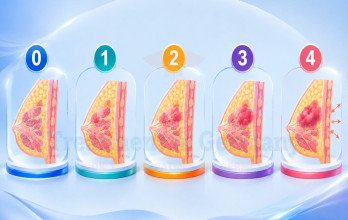
What Is Metastatic Triple Negative Breast Cancer (mTNBC)?
Triple-negative breast cancer is a subtype that lacks the three receptors commonly targeted in breast cancer treatment the estrogen, progesterone and HER2. Because these targets are absent, hormone therapy and HER2-directed drugs do not work, which historically left TNBC treatment dependent on chemotherapy [8].
TNBC has a high metastatic potential and a substantial risk of recurrence, particularly during the first five years after diagnosis [1]. When the disease spreads beyond the breast and nearby lymph nodes to distant organs, it becomes metastatic TNBC, also written as mTNBC.

How Does Triple Negative Breast Cancer Become Metastatic?
Triple-negative breast cancer metastasis occurs when cancer cells break away from the original tumor and travel through the blood or lymphatic system to distant sites. The most common locations are the lungs, liver, bones and brain [1].
This tendency to spread early and aggressively makes triple-negative metastatic breast cancer so difficult. Once the disease reaches distant organs, it is generally not curable and treatment focuses on controlling it and preserving quality of life. This is why questions about a triple-negative breast cancer cure must be answered honestly, since cure is rare once the disease is widespread [4].
Symptoms, Diagnosis and Staging of mTNBC in Germany
Symptoms of Metastatic Triple Negative Breast Cancer
Symptoms of metastatic TNBC depend on where the cancer has spread. Common signs include:
- Persistent bone pain, when the disease has spread to the skeleton.
- Shortness of breath or a lasting cough, with spread to the lungs.
- Abdominal pain or jaundice, with spread to the liver.
- Headaches or neurological changes, with spread to the brain.
- Persistent fatigue, weight loss and reduced appetite.
Because these signs can be mistaken for other conditions, prompt specialist assessment is essential when symptoms persist after a breast cancer diagnosis [1].
Diagnosis and Biomarker Testing for mTNBC
Diagnosis combines imaging, biopsy and biomarker testing. CT, MRI and PET scans map the extent of spread, while a biopsy confirms that the cancer is triple-negative [8].
Biomarker testing then helps guide treatment. PD-L1 testing can identify patients who may benefit from certain immunotherapy combinations, while BRCA mutation status can support the use of targeted drugs such as PARP inhibitors in eligible patients. TROP2 is the molecular target of antibody-drug conjugates such as sacituzumab govitecan, although routine TROP2 testing is not generally required to determine eligibility for this treatment [2][3]. This molecular profiling supports personalized treatment for metastatic breast cancer in Germany.
Because accurate biomarker testing shapes every decision, a second opinion for breast cancer in Germany helps confirm the diagnosis and molecular profile before treatment begins.
Treatment Approaches for Metastatic Triple Negative Breast Cancer
Personalized Treatment Planning for mTNBC
Care in Germany begins with a multidisciplinary tumor board, where oncologists, radiologists, surgeons and pathologists review each case together. This ensures the plan reflects the tumor's biomarkers, the extent of spread and the patient's overall health. Personalized treatment for metastatic breast cancer in Germany is built on this collaborative model.
Standard Treatment Options for Metastatic TNBC
Chemotherapy remains the mainstay of treatment for metastatic breast cancer in the triple-negative subtype, both alone and combined with newer agents [8]. The main standard approaches are:
- Chemotherapy for metastatic triple-negative breast cancer, using agents such as taxanes, platinum drugs and capecitabine [8].
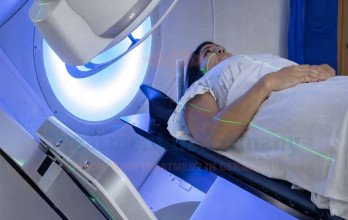
- Radiation therapy, used to control specific sites of disease and relieve symptoms such as bone pain.
- Surgery, in selected cases to remove isolated disease or relieve symptoms.
- Supportive and palliative care, to protect quality of life throughout treatment.
The relationship between triple-negative breast cancer and chemotherapy has long defined this disease, since the absence of hormone and HER2 targets left few alternatives. Newer options are now added to this foundation rather than replacing it, which has broadened the range of breast cancer metastasis drugs available.
TIG GmbH can arrange access to chemotherapy, radiation and the full range of standard care at experienced German centers, coordinated through a multidisciplinary team focused on metastatic breast cancer treatment in Germany.
Immunotherapy for Metastatic Triple Negative Breast Cancer in Germany
Immunotherapy has transformed care for a subset of patients with metastatic TNBC, one of the most significant advances in new TNBC treatments, offering a different mechanism from chemotherapy [9].
How Does Immunotherapy Work for mTNBC?
Cancer cells can hide from the immune system through the PD-1 and PD-L1 pathway. Immune checkpoint inhibitors block this escape, releasing the brakes on immune cells so they can attack the tumor [2]. The most established approach combines the checkpoint inhibitor pembrolizumab with chemotherapy.

In the phase III KEYNOTE-355 trial of 847 patients with previously untreated, locally recurrent inoperable or metastatic TNBC, pembrolizumab plus chemotherapy improved outcomes in patients whose tumors had a PD-L1 combined positive score of at least 10 [2]. This is why breast cancer immunotherapy in Germany is now a first-line option for many eligible patients.
Who Is Eligible for Immunotherapy in Germany?
Eligibility depends largely on PD-L1 status and the planned treatment setting. Patients with a PD-L1 combined positive score of 10 or higher may be eligible for pembrolizumab plus chemotherapy in the appropriate first-line setting, which is why PD-L1 testing is performed before treatment.
Other factors, including overall health, previous treatment and the extent of the disease, also influence suitability. A specialist assessment is therefore needed to confirm who may be a candidate for stage 4 TNBC immunotherapy.
For patients considering immunotherapy for metastatic breast cancer in Germany, TIG GmbH arranges a specialist review to confirm eligibility and explain the expected benefits and risks.
Dendritic Cell Therapy for Metastatic Triple Negative Breast Cancer in Germany
For selected patients with advanced disease, specialized centers in Germany offer access to dendritic cell therapy, a personalized immune-based approach that is being studied in triple-negative breast cancer. It may be considered alongside standard treatment rather than as a replacement for established care [6].
How Does Dendritic Cell Therapy Work Against mTNBC?
Dendritic cells are the immune system's messengers. They are potent antigen-presenting cells that capture tumor targets and present them to T-cells, activating a focused attack against cancer cells. Dendritic cell vaccines use antigen-presenting cells to expose the immune system to tumor-associated antigens and stimulate a targeted T-cell response against cancer cells [6].

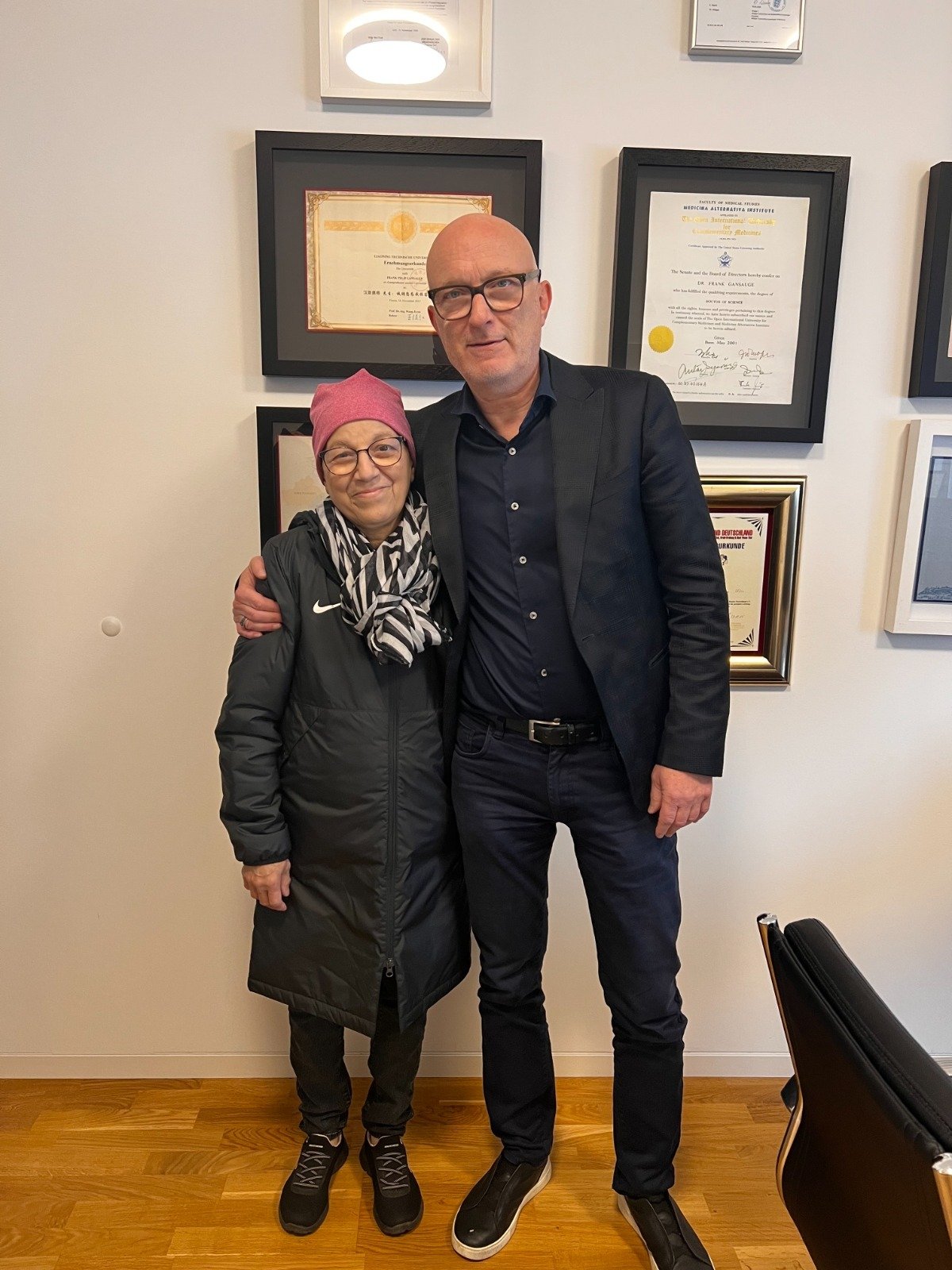
The cells are collected from the patient's blood, prepared and matured in the laboratory and then administered back to the patient as a vaccine. This approach is of particular research interest in TNBC because the subtype lacks the hormone and HER2 targets used in other breast cancers, making immune-based strategies an important area of ongoing study [6]. In Germany, dendritic cell therapy is delivered by Prof. Gansauge at LDG Laboratories.
Who Is Eligible for Dendritic Cell Therapy in Germany?
Eligibility is confirmed through an individual specialist assessment. Dendritic cell therapy remains an investigational approach in TNBC and may be considered only after individual specialist assessment as part of a broader treatment strategy. Potential candidates may include:
- Patients with advanced or metastatic TNBC whose case has been reviewed individually.
- Patients whose overall health and organ function are suitable for the proposed treatment.
- Patients for whom the treating specialist considers an individualized immune-based approach appropriate.
A specialist review is required to confirm suitability, as dendritic cell therapy should be considered within the patient's wider treatment plan rather than presented as a stand-alone cure. Dendritic cell vaccines remain an active area of research in TNBC, including studies evaluating their use alongside other immune-based treatments.

Targeted Therapy and Precision Medicine for mTNBC in Germany
Biomarker-Guided Treatments and Antibody-Drug Conjugates
Precision medicine has brought powerful new options to metastatic triple-negative breast cancer treatment. Targeted therapy for metastatic breast cancer is matched to the tumor's molecular features, going beyond chemotherapy alone.
Antibody-drug conjugates are among the most important recent advances in the treatment of metastatic breast cancer. Sacituzumab govitecan targets the TROP2 protein and delivers a chemotherapy payload directly to cancer cells. In the ASCENT trial involving previously treated patients with metastatic TNBC, sacituzumab govitecan improved median overall survival to 12.1 months compared with 6.7 months with physician's-choice single-agent chemotherapy, with a hazard ratio of 0.48 [5].
For eligible patients with BRCA mutations, PARP inhibitors offer another targeted option. These biomarker-guided therapies are among the newer treatment options for triple-negative breast cancer and have expanded the possibilities for personalized TNBC treatment in Germany[3]. Patients with metastatic TNBC should also be considered for enrollment in clinical trials whenever feasible, as clinical research continues to expand treatment options.
TACP Treatment for Metastatic Triple Negative Breast Cancer in Germany
How Does TACP Work and Who May Benefit?
Transarterial chemoperfusion known as TACP is a minimally invasive procedure that delivers a high concentration of chemotherapy directly through the artery supplying a tumor. By concentrating the drug in the targeted tumor region, TACP aims to increase local drug exposure while reducing exposure to the rest of the body compared with systemic chemotherapy. In patients with metastatic TNBC, it may be considered for selected tumors or metastatic sites that are suitable for catheter-directed treatment.

During TACP, an interventional radiologist guides a thin catheter through the blood vessels toward the artery supplying the targeted tumor. Chemotherapy is then infused directly into the tumor region. Unlike TACE and TACP does not intentionally block the artery after drug delivery, allowing blood flow to remain open.
Evidence for TACP in breast cancer includes a study of patients with breast cancer liver metastases, in which a therapeutic response was reported in 84.2% of the breast cancer group, no serious treatment-related complications were reported and median survival was 13.2 months. However, the study was not limited specifically to patients with metastatic TNBC, so these findings should not be interpreted as an mTNBC-specific response or survival rate [7].
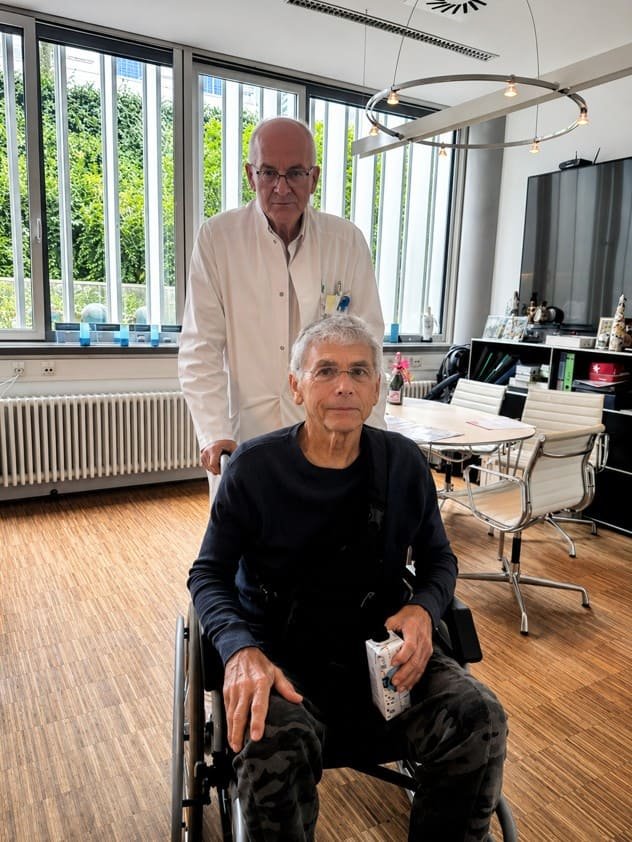
TACP may be considered for selected patients with tumors or metastatic sites that are suitable for catheter-directed treatment, particularly when additional local tumor control is needed. Suitability depends on the location and blood supply of the target tumor, previous treatments, overall disease burden and the patient's general health. In Germany, these image-guided procedures are performed by Prof. Vogl and his team at University Hospital Frankfurt, an experienced interventional oncology unit.

TACE Treatment for Breast Cancer Liver Metastases in Germany
How Does TACE Work and Who May Benefit?
Transarterial chemoembolization or TACE is a minimally invasive, catheter-based procedure that delivers chemotherapy into the arterial blood supply of liver tumors and combines it with embolization to reduce tumor blood flow. In selected patients with breast cancer liver metastases, TACE may be considered as a locoregional treatment when additional control of liver disease is needed [10].

For breast cancer liver metastases, TACE may provide local disease control in selected patients, particularly when liver disease is a major clinical concern. The decision to use TACE depends on the extent and distribution of liver involvement, previous treatment, liver function, overall disease burden and the patient's general health [10].
Can Advanced mTNBC Treatments Be Combined in Germany?
Treatment for metastatic TNBC may involve different therapies used in combination or sequence, depending on the tumor's biomarkers, previous treatment, metastatic sites and the patient's overall health. A multidisciplinary tumor board can help determine which approaches are appropriate for each individual patient.
Systemic therapy treats cancer throughout the body, while interventional procedures may provide additional local control at selected tumor sites. TACP can be considered for suitable tumors that can be targeted through an arterial blood supply, while TACE is primarily used for appropriate liver tumors and liver metastases. Dendritic cell therapy may be considered as part of an individualized treatment strategy in selected patients. Research is also evaluating combinations with other immune-based and systemic treatments, although the optimal timing, sequencing and clinical benefit of these combinations remain under investigation.
There is a biological rationale for studying these combinations. Antibody-drug conjugates for example, can trigger immunogenic cell death that stimulates dendritic cell maturation and T-cell activation, potentially complementing immune-based treatment [3]. Current research is increasingly exploring dendritic cell vaccines in combination with other immune-based and systemic treatments [6].
A multidisciplinary tumor board decides which combination fits each patient, weighing the tumor biology, prior treatment and overall health before any therapy is started.
Who Can Benefit from Advanced mTNBC Treatment in Germany?
Treatment for Recurrent, Progressive or Metastatic TNBC
Patients whose TNBC has returned, progressed or spread are the main candidates for advanced care. Metastatic breast cancer treatment in Germany may combine systemic therapy, interventional procedures and immune-based options aiming to control the disease as long as possible while protecting wellbeing.
These patients benefit most from an experienced, multidisciplinary team and biomarker-guided treatment. Access to a metastatic breast cancer specialist in Germany and advanced therapies is a key reason patients travel for care.
Who May Not Be Eligible for Advanced mTNBC Treatment?
Some patients are not suitable candidates for certain therapies. These may include people whose health is too fragile to tolerate treatment, those with uncontrolled infections or severe organ dysfunction or patients whose disease pattern does not fit a particular procedure. A specialist assessment identifies these situations and helps set realistic expectations.
A specialist review confirms whether a patient is a suitable candidate for each therapy before any travel is planned, protecting patients from treatment unlikely to help.
How Effective Is mTNBC Treatment in Germany?
Outcomes have improved with modern treatment, although metastatic TNBC remains a serious disease. Published studies have reported median overall survival ranging from approximately 8 to 13 months, although outcomes vary considerably according to patient characteristics, disease burden, metastatic sites and treatment received [4].Newer treatments have improved outcomes for selected patient groups.

Factors That Influence Treatment Outcomes
Several factors shape the outlook. These include PD-L1 status, the presence of BRCA mutations, the sites and extent of spread, prior treatments and the patient's overall health. Response varies widely between individuals, which is why outcomes cannot be reduced to a single number [4].
Survival and Prognosis with Modern mTNBC Treatments
In the ASCENT trial, sacituzumab govitecan improved median overall survival from 6.7 to 12.1 months in previously treated patients with metastatic TNBC [5]. Pembrolizumab plus chemotherapy has also improved outcomes in eligible patients with PD-L1-positive disease [2]. So while a triple-negative breast cancer cure remains rare in the metastatic setting, treatment is increasingly effective at controlling the disease and extending life [4].
Is There Medical Research Supporting Advanced mTNBC Treatments?
Clinical Evidence for Modern and Advanced mTNBC Treatments
The evidence varies by therapy. Immunotherapy and antibody-drug conjugates are backed by large randomized trials: KEYNOTE-355 for pembrolizumab and ASCENT for sacituzumab govitecan both showed clear benefits. [2][5]. TACP is supported by smaller studies, including research in breast cancer liver metastases [7]. while dendritic cell vaccines remain under active investigation in TNBC [6].
Building a robust evidence base takes time. A new therapy typically needs many years, often a decade or more, moving from early trials through larger randomized trials and long-term follow-up before it becomes an established standard. Immunotherapy and antibody-drug conjugates have completed this journey, while dendritic cell therapy and interventional procedures are at earlier points, supported by promising but smaller studies. A trustworthy clinic presents each option honestly, according to where its evidence stands.
Regulatory Status and Treatment Availability in Germany
Several chemotherapy regimens, immune checkpoint inhibitors, antibody-drug conjugates and targeted therapies are approved for specific groups of patients with advanced or metastatic TNBC. Dendritic cell therapy, TACP and TACE are offered at specialized German centers as part of individualized care, generally alongside standard treatment. Germany's regulated medical environment ensures these therapies are delivered to high standards, which is part of why patients seek the latest treatment for metastatic breast cancer there.
Clinical Trials and Emerging mTNBC Treatments in Germany
Germany's academic centers offer access to clinical trials studying emerging treatments for metastatic TNBC, including new antibody-drug conjugates, novel immunotherapy combinations and cancer vaccines such as dendritic cell approaches combined with checkpoint inhibitors [6].
Cancer vaccines are a particularly active area, since evoking active immune responses in the breast tumor is one of the most novel immunotherapeutic strategies under study. For eligible patients, a clinical trial can provide access to treatments not yet widely available. A specialist can advise whether a trial is appropriate as part of the overall plan.
Risks and Side Effects of mTNBC Treatment
Every treatment carries potential side effects. Chemotherapy can cause fatigue, nausea, hair loss and low blood counts. Immunotherapy has a different side-effect profile from chemotherapy and can cause immune-related adverse events affecting organs such as the skin, thyroid, lungs, liver or bowel.
Antibody-drug conjugates such as sacituzumab govitecan can cause low blood counts and diarrhea, which are managed with supportive care. TACP and TACE are minimally invasive procedures, but their risks differ. In the breast cancer liver metastasis study cited above, TACP was performed without serious complications while TACE can cause post-embolization symptoms such as pain, fever, nausea and fatigue [7][10]. Across all treatments, patients are monitored closely so any reaction can be managed promptly.

Why Choose Germany for Metastatic Triple Negative Breast Cancer Treatment?
Specialized Breast Cancer Care and Precision Oncology
Germany pairs breast cancer expertise with strict medical standards and access to therapies limited elsewhere. Its centers combine molecular diagnostics, systemic therapy, interventional oncology and immune-based treatment in one system, supporting truly personalized treatment for metastatic breast cancer in Germany.
This integrated, precision-oncology model is why patients seek advanced breast cancer treatment and a best oncologist for triple-negative breast cancer in Germany. Many search for the best hospital for triple-negative breast cancer in Germany or dedicated oncology hospitals for breast cancer in Germany, where specialists plan care together. This multidisciplinary approach is central to good outcomes and a key reason patients travel for TNBC treatment in Germany.
Cost of Metastatic Triple Negative Breast Cancer Treatment in Germany
The breast cancer treatment cost in Germany depends on the therapies used, the number of cycles and the overall plan. German centers combine high clinical standards with transparent costs, set out clearly before treatment begins.
What Does mTNBC Treatment Cost Include?
The cost generally covers the therapy, hospital care, imaging, laboratory tests and specialist review. Systemic therapies such as immunotherapy and antibody-drug conjugates vary by drug and number of cycles, so the total depends on the plan.
Cost of Dendritic Cell Therapy, TACP and TACE in Germany
Advanced treatment options have more defined treatment costs. The interventional procedures, TACP and TACE typically cost between €8,000 and €9,000 per session with Prof. Vogl, an internationally recognized expert in interventional oncology and image-guided cancer therapies. Dendritic cell therapy costs approximately €27,000 for the complete treatment course with Prof. Frank Gansauge, a leading specialist in personalized cancer immunotherapy, covering the laboratory preparation of the personalized vaccine and the scheduled injections.
TIG GmbH provides a transparent, personalized breakdown of the full metastatic triple-negative breast cancer treatment in Germany cost before treatment begins, so patients know what to expect with no hidden fees.

International Patient Services for mTNBC Treatment in Germany
Medical Report Review and Second Opinion
The journey begins with a review of the patient's medical records, so specialists can advise on the best approach before any travel. A consultation for metastatic breast cancer in Germany and a second opinion for breast cancer in Germany are often the most valuable first steps, confirming the diagnosis and biomarker profile that shape the whole plan. This service supports breast cancer treatment for international patients in Germany from the very start.
Medical Visa, Travel and Interpreter Support
International patients often need a medical visa, along with help coordinating travel and medical interpretation. This practical support is part of what makes medical tourism for breast cancer treatment in Germany manageable, so patients can focus on their care.
TIG GmbH handles these arrangements end to end, from the first medical review to travel, treatment and follow-up coordination.
Why Choose TIG for mTNBC Treatment in Germany?
TIG GmbH helps international patients approach triple-negative breast cancer treatment in Germany with clarity and coordinated support at every stage. The service is informational and organizational, working alongside the treating specialists rather than replacing medical advice. From the first medical report review and second opinion to specialist matching, scheduling, travel and follow-up, the aim is to make a complex journey as smooth as possible, so patients can concentrate on their treatment and recovery.
Your Treatment Journey for mTNBC Treatment in Germany
For patients considering metastatic triple-negative breast cancer treatment in Germany, the pathway is organized into clear stages, shown below.

At each step, TIG GmbH coordinates the details, so patients move through the process with confidence and clear information.
Recovery and Long-Term Follow-Up After mTNBC Treatment
Because metastatic TNBC is usually managed as a long-term condition rather than cured, ongoing follow-up is central to care. After each phase of treatment, patients are monitored with imaging and clinical review to track the response and catch any progression early [4].
Follow-up also focuses on quality of life, managing side effects and adjusting treatment as needed. For international patients, monitoring can continue after returning home, ensuring continuity of care. Supportive care, including symptom management and psychological support, is an important part of living well with triple-negative metastatic breast cancer.
References
Why Patients Worldwide Prefer Our Medical Services in Germany – Key Benefits Explained



























.webp)
 (1).webp)

.webp)


.jpg)

 (1).webp)

.jpg)