

Discover how dendritic cell immune-based therapy uses your own immune cells to help the body recognize and respond to cancer as part of a personalized treatment plan. Learn how the therapy works, which cancers may benefit, clinical evidence, eligibility, treatment steps, side effects, costs, and how it can be combined with standard therapies. Contact TIG GmbH for a free medical report review to explore whether this treatment is right for you.
Dendritic Cell Immune-Based Therapy for Cancer Treatment in Germany
For some patients, cancer treatment may involve exploring additional options alongside standard therapies, particularly when a personalized approach is appropriate. Cancer immunotherapy has become an important part of modern oncology, and Germany is recognized for its advanced research, specialized laboratories, and personalized approaches to cancer care, including dendritic cell therapy. Rather than attacking cancer directly, this personalized immunotherapy aims to train the patient's own immune system to recognize and respond to tumor cells. For patients seeking advanced cancer treatment in Germany, it may be considered alongside established therapies as part of an individualized treatment plan.
Specialized laboratories, experienced oncologists, and rigorous medical standards have made Germany a destination for international patients seeking dendritic cell therapy. TIG GmbH supports these patients from the first medical review through treatment and follow-up, coordinating each step with the treating specialists.
What Is Dendritic Cell Therapy in Germany?
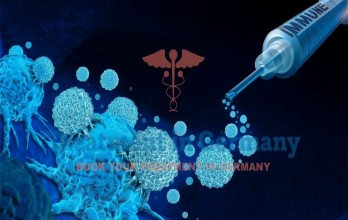
Dendritic cell therapy is a personalized form of cancer immunotherapy that uses a patient's own immune cells to stimulate an immune response against cancer. Because it is prepared from the patient's own cells, it is also referred to as an autologous dendritic cell vaccine[2].

What Are Dendritic Cells?
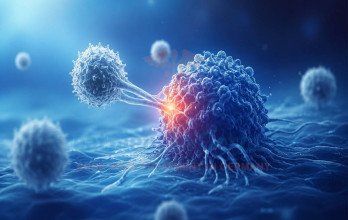
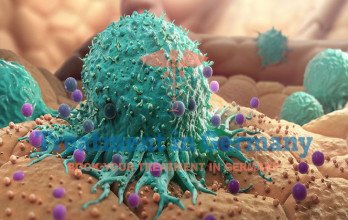
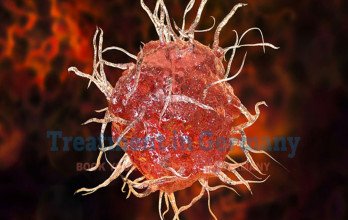
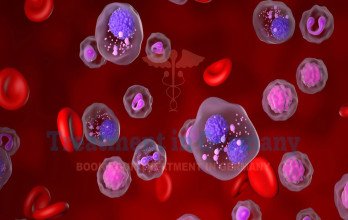
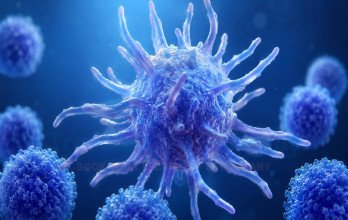
Dendritic cells are specialized immune cells that act as the messengers of the immune system. They are proficient antigen-presenting cells: they capture fragments of tumor cells and display them to T-lymphocytes, the cells that carry out the attack [2]. By presenting these targets, they activate naive T-cells and direct them against cancer cells carrying the same markers. This bridging role between the innate and adaptive immune systems is what makes them central to the development of cancer immunotherapy.
Scientific Background of Dendritic Cell Therapy
Dendritic cells were discovered by Ralph M. Steinman and Zanvil A. Cohn in 1973. Steinman's pioneering work on dendritic cells was recognized with the 2011 Nobel Prize in Physiology or Medicine. Steinman and Zanvil Cohn identified a rare cell type with treelike projections and named them dendritic cells, from the Greek word for tree. Later research revealed their central role in initiating immunity, which laid the foundation for dendritic cell vaccine development. In a poignant testament to the field, Steinman himself used experimental dendritic cell therapies against his own pancreatic cancer during his final years [1].
How Does Dendritic Cell Therapy Work?
A patient's dendritic cells are prepared in a laboratory, loaded with tumor antigens, matured, and returned to the body, where they direct the immune system against cancer cells carrying those targets [3]. Once reintroduced, the matured cells migrate to the lymph nodes and activate cytotoxic CD8 T-cells, which seek out and destroy tumor cells [6]. Because the therapy uses the patient's own cells, it is called autologous dendritic cell therapy or an autologous dendritic cell vaccine. Because the vaccine is tailored to the patient's tumor, it aims to generate immune memory that may help the immune system recognize tumor cells over time.
Why Is Dendritic Cell Therapy Different from Other Cancer Treatments?
Conventional treatments such as chemotherapy and radiation act on rapidly dividing cells, affecting both cancerous and healthy tissue. A dendritic cell cancer vaccine works differently, teaching the immune system to identify cancer specifically. This targeted approach is why the therapy is generally well tolerated, with far fewer of the harsh side effects of conventional treatment [4]. As an immune-based cancer therapy in Germany, it complements standard care rather than replacing it.
Understanding Cancer Immunotherapy in Germany
Immunotherapy has transformed cancer care over the past decade. It works by harnessing the body's own defenses, and cancer immunotherapy in Germany spans several distinct approaches, each with a different mechanism. Dendritic cell therapy is one branch of this broader field.

Types of Cancer Immunotherapy
Modern immunotherapy includes several categories, often used together depending on the tumor and the patient:
- Cancer vaccine therapy in Germany, including dendritic cell vaccines that prime the immune system against tumor antigens [2].
- Immune checkpoint inhibitors, which release the natural brakes on immune cells so they can attack cancer [6].
- Adoptive cell therapies, such as engineered T-cells, a form of immune cell therapy in Germany.
- Cytokine and antibody-based therapies, which support or direct the immune response.
Dendritic cell vaccines are a well-established example of cancer vaccine therapy, with a history stretching back to the FDA approval of the first such vaccine, sipuleucel-T, for prostate cancer [10]. Today the dendritic cell vaccine in Germany is offered as one form of immune therapy in Germany, alongside the other categories above.
Where Does Dendritic Cell Therapy Fit in Modern Cancer Treatment?
Dendritic cell therapy occupies a specific place in precision oncology in Germany. It is rarely used alone as a first treatment. Instead, it is added to surgery, chemotherapy, radiation, or checkpoint inhibitors, aiming to strengthen and prolong the immune response [6]. This allows dendritic cell therapy to be integrated into personalized cancer treatment plans, particularly for patients who have completed standard therapy and wish to reduce the risk of relapse or support ongoing disease control.
How Is Dendritic Cell Therapy Performed in Germany?
The treatment process is structured to ensure safety, quality, and personalization. Rather than a single injection, it involves a coordinated sequence of steps, from diagnosis and laboratory preparation to vaccine administration and follow-up. The overview below shows the full pathway.

Diagnosis and Evaluation Before Dendritic Cell Therapy
Before treatment begins, a thorough assessment confirms the diagnosis and checks that the therapy is suitable, usually including an MRI scan, a CT scan, a biopsy, and blood work to map the tumor, confirm its type, and assess overall health [3]. These tests establish the molecular profile of the cancer, which guides how the vaccine is prepared and protects the patient.
Collection and Laboratory Preparation of Dendritic Cells
The cells are collected from a simple blood sample, avoiding surgery. In the laboratory, immune cells are isolated and cultured, then loaded with tumor antigens and matured into active dendritic cells [3]. The laboratory preparation is typically completed in approximately 9 days, although the exact timeline may vary depending on the individual treatment plan. Strict quality control ensures the cells are viable and correctly primed before they are returned to the patient.
How Is Dendritic Cell Therapy Administered?
Once ready, the dendritic cell vaccine is given as an injection, usually into or under the skin, so the cells can travel to the lymph nodes [6]. The procedure is quick, requires no surgery, and is generally comfortable, so most patients continue their normal daily activities during the treatment course.
Follow-Up and Monitoring After Dendritic Cell Therapy
After the injections, patients are monitored to track the immune response and any change in the tumor. Importantly, dendritic cell therapy does not interfere with other therapies, so it can be scheduled around chemotherapy, radiation, or targeted treatment. Follow-up includes imaging and clinical review to assess how the disease is responding over time, and this continues for international patients after they return home.
Which Cancers Can Be Treated with Dendritic Cell Therapy in Germany?
Dendritic cell therapy has been studied across a wide range of cancers, from brain tumors to gastrointestinal, lung, breast and skin cancers. It is most often considered for advanced or recurrent disease, and it is added to standard treatment rather than replacing it [5].

Dendritic Cell Therapy for Brain Cancers (Glioblastoma and Astrocytoma)
Brain tumors have been a major focus of research. In glioblastoma, a tumor lysate-pulsed dendritic cell vaccine known as DCVax-L, given after surgery and chemoradiotherapy, likely extended survival in patients with newly diagnosed disease in a phase III trial [9]. Because tumors such as glioblastoma and astrocytoma are difficult to treat with surgery alone, immune-based approaches are an active area of study.
Dendritic Cell Therapy for Gastrointestinal Cancers (Colon Cancer, Pancreatic Cancer, and Liver Metastases)
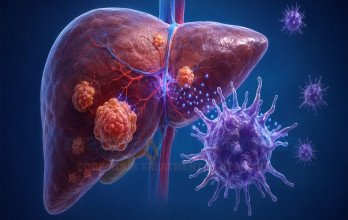
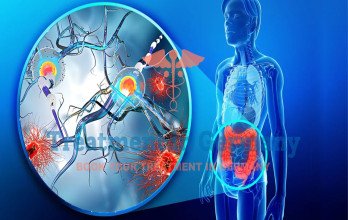
Dendritic cell therapy for colon cancer has shown promise, particularly after surgery for liver metastases. In a randomized phase II trial, patients who received dendritic cell vaccination after complete removal of colon cancer liver metastases had a median disease-free survival of 25.26 months versus 9.53 months for observation [7]. Dendritic cell therapy for pancreatic cancer is also under study, a fitting area given that Ralph Steinman himself explored dendritic cell approaches against his own pancreatic cancer [1].
Dendritic Cell Therapy for Lung, Breast, and Urological Cancers
Dendritic cell therapy for lung cancer has been tested in combination with chemotherapy. In advanced non-small-cell lung cancer, a dendritic cell vaccine combined with carboplatin and pemetrexed was well tolerated and showed promising efficacy in stage IV disease [8]. Dendritic cell therapy for breast cancer is being explored as a way to strengthen the immune response against tumor antigens. In urological cancers, the field's foundation is prostate cancer, where the autologous dendritic cell vaccine sipuleucel-T was FDA-approved and prolonged overall survival [10].
Dendritic Cell Therapy for Melanoma, Bone Cancer, Neuroendocrine Tumors, and Other Advanced Cancers
Dendritic cell therapy for melanoma has a long research history, since melanoma is highly immunogenic and responds to immune-based treatment. Dendritic cell vaccines have also been investigated in bone cancer, neuroendocrine tumors, and other advanced cancers, usually with standard care. Across these tumor types, the therapy is offered for advanced stage cancer or stage 4 cancer as part of a wider plan, and it is a recognized option in stage 4 cancer immunotherapy in Germany[5].
Is Dendritic Cell Therapy Supported by Medical Research?
Clinical evidence for dendritic cell therapy continues to expand, although the field is still evolving. It is supported by genuine clinical studies, but the field is still maturing, and understanding where the research stands is important for making an informed decision.
Published Clinical Studies
Numerous published trials support the safety of dendritic cell therapy and point to benefit in selected settings. The clearest milestone is sipuleucel-T, the first FDA-approved dendritic cell vaccine, which prolonged overall survival in metastatic prostate cancer [10]. In colon cancer liver metastases, a randomized trial showed longer disease-free survival with vaccination [7]. In glioblastoma, DCVax-L likely extended survival after standard treatment [9]. These studies establish dendritic cell therapy as a real, research-backed approach rather than an untested idea.
Current Research
Most of the published evidence for dendritic cell therapy comes from early-phase clinical studies. One comprehensive review found that only one of 25 published dendritic cell vaccine studies was a phase III trial, while the remainder were phase I or phase II studies. This is expected in the development of new cancer therapies, where evidence is built gradually through larger studies and longer follow-up before a treatment becomes part of routine clinical practice. Current evidence suggests that dendritic cell therapy has a favorable safety profile, while its long-term impact on survival continues to be evaluated in larger clinical studies [4].
Future of Personalized Cancer Immunotherapy
The future direction is combination and personalization. Research increasingly pairs dendritic cell vaccines with immune checkpoint inhibitors, since the clearest benefit appears in combination. As molecular profiling improves, personalized cancer immunotherapy in Germany is expected to become more precise, matching each vaccine ever more closely to the individual tumor [5].
Benefits of Dendritic Cell Therapy

1. Dendritic cell therapy offers several potential advantages because it is personalized and designed to stimulate a targeted immune response. While treatment outcomes vary among patients, these characteristics have made it an important area of research in modern cancer immunotherapy.
2. Personalized Treatment Approach. Because the vaccine is created from the patient's own dendritic cells, treatment is tailored to the individual's tumor characteristics. This personalized strategy aims to improve immune recognition while supporting compatibility with the patient's immune system.
3. Targeted Immune Response. Unlike treatments that affect both healthy and cancerous cells, dendritic cell therapy is designed to help the immune system recognize tumor-specific antigens and activate T cells against cancer cells. This targeted mechanism is one reason it is being investigated across multiple cancer types.
4. Reduced Side Effects Compared with Conventional Treatments. Since dendritic cell therapy stimulates the immune system rather than directly destroying rapidly dividing cells, many patients experience fewer systemic side effects than with chemotherapy. However, side effects can still occur and vary depending on the individual treatment plan.
Can Dendritic Cell Therapy Be Combined with Other Cancer Treatments?
A key advantage of dendritic cell therapy is that it does not interfere with other cancer treatments, allowing it to be integrated into a broader treatment plan alongside chemotherapy, radiation therapy, targeted therapy, or immunotherapy.

Dendritic Cell Therapy with Chemotherapy
Combining dendritic cell vaccines with chemotherapy has shown promise. In advanced lung cancer, the combination with carboplatin and pemetrexed was well tolerated and showed encouraging efficacy [8]. Chemotherapy can also release tumor antigens, potentially helping the immune response primed by the vaccine.
Dendritic Cell Therapy with Radiation Therapy
Radiation can damage tumor cells in ways that expose new antigens to the immune system. When paired with dendritic cell therapy, this may enhance the immune response, and the two are scheduled to complement each other within the overall plan [5].
Dendritic Cell Therapy with Targeted Therapy and Immunotherapy
The most active area of research combines dendritic cell vaccines with immune checkpoint inhibitors. Since dendritic cells prime T-cells and checkpoint inhibitors release the brakes on those T-cells, the two are biologically complementary, reflecting the future of precision oncology in Germany[6].
Who Can Benefit from Dendritic Cell Therapy in Germany?
Dendritic cell therapy may be considered in several clinical situations, depending on the patient's cancer type, stage of disease, previous treatments, and overall health.

Dendritic Cell Therapy for Early-Stage Cancer Patients
In early-stage disease, dendritic cell therapy may be used after surgery to lower the risk of relapse by clearing microscopic disease. The colon cancer liver metastasis trial, where vaccination followed complete surgical removal, is an example of this adjuvant use [7].
Dendritic Cell Therapy for Advanced and Stage IV Cancer Patients
For advanced stage cancer or stage 4 cancer, the therapy is offered as part of a combination approach aimed at controlling disease and supporting the immune system. It is a recognized option within stage 4 cancer immunotherapy in Germany, used alongside standard treatment rather than as a last resort.
Dendritic Cell Therapy for Recurrent Cancer
Patients whose cancer has returned after previous treatment may also be considered. In this setting, the goal is to reactivate the immune response against the tumor. A specialist assessment determines whether the patient's current health and immune status make them a suitable candidate for re-treatment.
Who May Not Be Eligible for Dendritic Cell Therapy?
Some patients are not suitable candidates. These may include people with severe immune deficiencies, uncontrolled infections, or a health status too fragile to allow an immune response to build. A specialist assessment identifies these situations and helps set honest expectations [5].
TIG GmbH arranges the specialist review that confirms whether a patient is a suitable candidate before any travel is planned.
How Is the Success of Dendritic Cell Therapy Evaluated?
Measuring response is essential, and it combines imaging with immune monitoring over time.
Imaging Tests and Clinical Assessment
Response is tracked with imaging such as CT scan and MRI scan, alongside clinical assessment of symptoms and wellbeing. These tests show whether the tumor is stable, shrinking, or progressing, and they guide any adjustment to the treatment plan [3].
Long-Term Follow-Up and Immune Response Monitoring
Because immune responses take time to develop, long-term follow-up matters. Doctors may also monitor immune markers to see whether the vaccine has activated a tumor-specific response [6]. This is why response to dendritic cell therapy is judged over months rather than days, and why the therapy is sometimes continued or repeated based on results.
How Effective Is Dendritic Cell Therapy for Cancer?
Treatment outcomes vary depending on several clinical factors, and no therapy can guarantee the same results for every patient. The therapy has shown real benefit in specific settings, such as prolonged survival in prostate cancer and longer disease-free survival in colon cancer liver metastases, but it is not a guaranteed cure [10][7].
Factors That Influence Treatment Outcomes
Several factors shape the result, including the cancer type, the stage of disease, the tumor's molecular profile, and whether the therapy is combined with other treatments. The clearest benefits appear when dendritic cell therapy is added to standard care [6].
Why Treatment Results Vary Between Patients
Each patient's immune system and tumor are different, so responses vary. The tumor microenvironment can suppress immune activity, which blunts the response in some patients [5]. This variation is why outcomes cannot be predicted precisely and why realistic expectations are essential.
Risks and Side Effects of Dendritic Cell Therapy
Understanding the potential risks and side effects helps patients make informed treatment decisions.

Common Side Effects of Dendritic Cell Therapy
Across studies, dendritic cell vaccines were well tolerated, with mostly mild-to-moderate grade 1 to 2 effects [4]. The most common include:
- Flu-like symptoms, such as low-grade fever.
- Fatigue.
- Mild skin reactions or rashes, sometimes at the injection site.
Rare Side Effects and Safety Considerations of Dendritic Cell Therapy
Serious side effects are uncommon when the therapy is used alone [4]. The favorable safety profile is one of its main advantages, and when combined with standard chemotherapy, as in lung cancer, no new safety concerns emerged [8]. As with any treatment, patients are monitored throughout to catch and manage any reaction promptly.
Why Choose Germany for Dendritic Cell Therapy?
Germany is internationally recognized for its advanced healthcare system, specialized cancer centers, and commitment to evidence-based medicine. These strengths have made the country a preferred destination for patients seeking personalized cancer immunotherapy and innovative treatment approaches.
Advanced Cancer Centers and Specialized Laboratories. Preparing an autologous dendritic cell vaccine requires specialized laboratories that operate under strict quality standards. Germany's advanced laboratory infrastructure supports precise cell processing and vaccine preparation, helping ensure consistency and safety throughout the treatment process.
Experienced Oncology Specialists. German oncologists, immunologists, and multidisciplinary cancer teams have extensive experience integrating dendritic cell therapy into comprehensive treatment plans. Careful patient selection, individualized treatment planning, and coordination with conventional therapies help optimize treatment strategies.
Personalized, Evidence-Based Cancer Care. Cancer treatment in Germany is guided by current scientific evidence and tailored to each patient's diagnosis, tumor characteristics, and overall health. Dendritic cell therapy is considered within a multidisciplinary treatment plan, allowing personalized care based on individual clinical needs.

What is the Cost of Dendritic Cell Therapy in Germany?
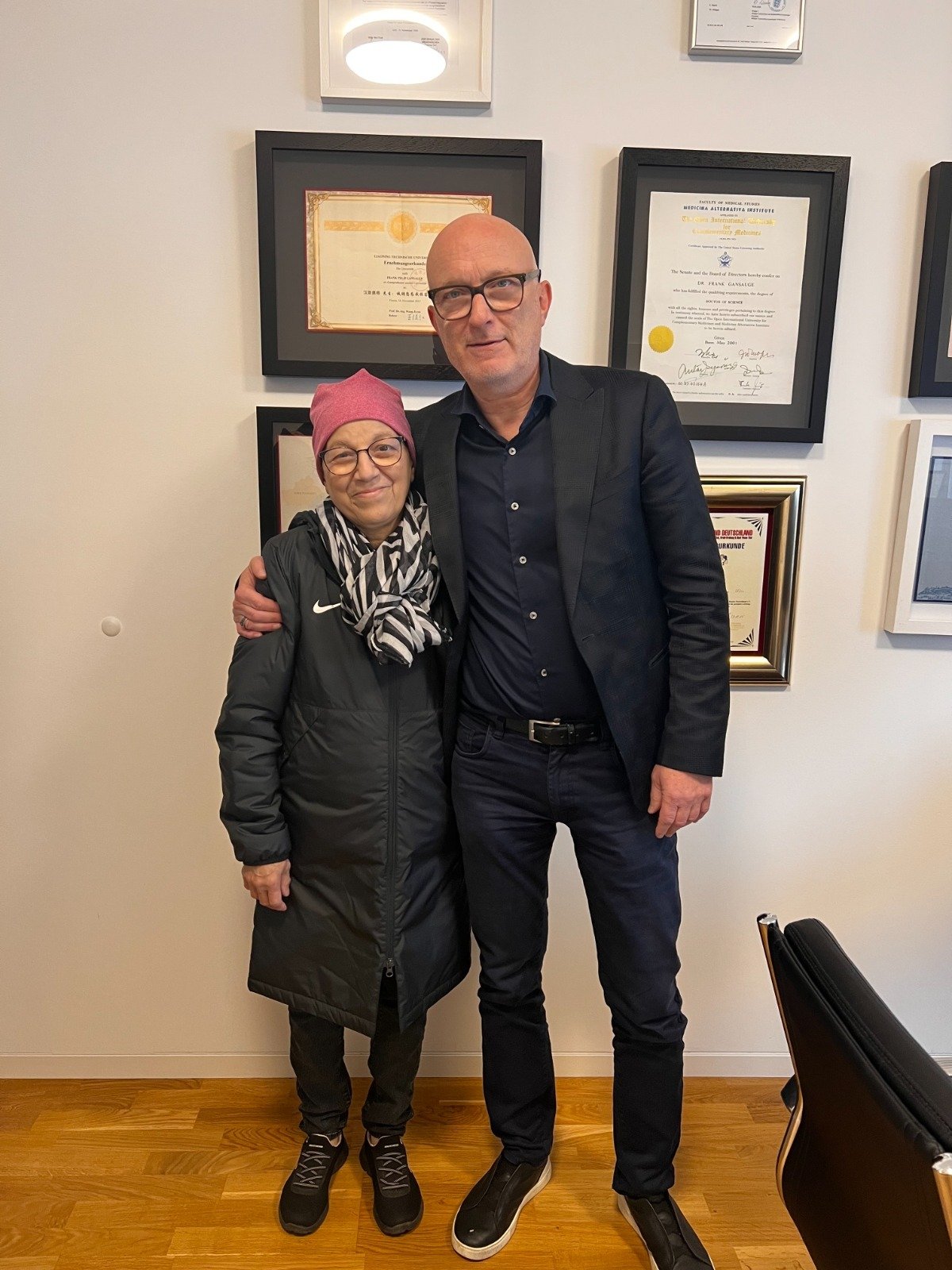
Cost is an important consideration for many international patients. In Germany, dendritic cell therapy is delivered by Prof. Gansauge at LDG Laboratories, and the cost of dendritic cell therapy in Germany is approximately €27,000 for total course. The table below outlines what this typically includes.

What Does the Cost of Dendritic Cell Therapy Include?
The dendritic cell therapy cost in Germany generally covers the laboratory preparation of the personalized vaccine, the scheduled injections, and the associated assessment and monitoring. Because the vaccine is custom-made from the patient's own cells, laboratory processing is the largest part of the cost [3].
Factors Affecting the Cost of Dendritic Cell Therapy
Several factors influence the final figure, including the cancer type, the number of injections, and whether the therapy is combined with other treatments. The complexity of preparing the vaccine and any additional imaging or supportive care also play a part.
Treatment Duration and Additional Expenses
The full treatment course, including injections and follow-up, extends beyond the laboratory preparation phase. Additional expenses can include travel, accommodation, and any standard treatment given alongside the vaccine. A clear estimate should always precede any commitment to travel.
TIG GmbH provides a transparent, personalized breakdown of the dendritic cell therapy cost in Germany before treatment begins, so patients know exactly what to expect with no hidden fees.
International Patient Services for Dendritic Cell Therapy in Germany
Traveling abroad for medical treatment involves more than the treatment itself. Patients and their families often need support with travel, documentation and communication throughout the treatment journey.
Medical Report Review
The journey begins with a review of the patient's medical records, so specialists can advise whether dendritic cell therapy is appropriate before any travel. This early assessment saves time and sets clear expectations.
Medical Visa Assistance
International patients often need a medical visa. Support with the required documentation and invitation letters helps ensure travel to Germany proceeds without unnecessary delays.
Travel and Translation Support
Practical support includes arranging travel and medical interpretation, so language is never a barrier. This structured help lets patients focus on their care rather than logistics.
Why Choose TIG for Dendritic Cell Therapy in Germany?
TIG GmbH helps international patients approach dendritic cell immunotherapy in Germany with clarity and coordinated support at every stage. The service is informational and organizational, working alongside the treating specialists rather than replacing medical advice. From the first medical report review to specialist matching, scheduling, travel, and follow-up, the aim is to make a complex journey as smooth as possible so patients can concentrate on their treatment and recovery.
Your Treatment Journey In Germany For Dendritic Cell Therapy
For patients considering dendritic cell therapy in Germany, the pathway is organized into clear stages:
- Medical report review, so specialists can advise before any travel.
- Specialist consultation, to confirm suitability and plan the approach.
- Diagnosis and evaluation, including MRI, CT, biopsy, and blood work.
- Blood collection and laboratory preparation, completed in about 9 days.
- Vaccine administration, given as scheduled injections.
- Follow-up and monitoring, continued after returning home.
Patients who are considering dendritic cell therapy can begin by submitting their medical reports for specialist review. This helps determine whether the treatment is appropriate before any travel arrangements are made.
References
Why Patients Worldwide Prefer Our Medical Services in Germany – Key Benefits Explained





















.webp)
 (1).webp)

.webp)

.jpg)

 (1).webp)

.jpg)