
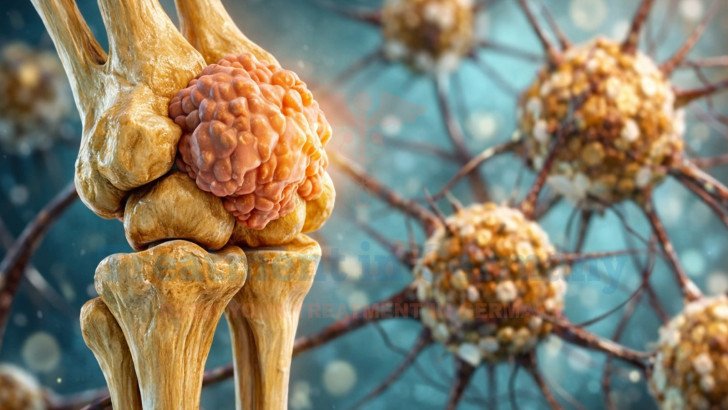
Learn about osteosarcoma treatment with dendritic cells in Germany, including immunotherapy process, safety, cost, and international patient support through TIG.
Osteosarcoma Treatment with Dendritic Cells in Germany
Osteosarcoma is a rare but aggressive primary bone cancer that most commonly affects adolescents and young adults, though it can also occur in older patients. When osteosarcoma progresses or shows limited response to standard therapies, treatment planning becomes more complex and requires highly specialized care. Germany has become a trusted destination for international patients seeking new and innovative treatment options for Osteosarcoma in Germany for advanced and recurrent osteosarcoma, supported by structured diagnostics, regulated oncology planning, and specialist-led immunotherapy programs.
Advanced osteosarcoma treatment in Germany is delivered through German oncology centers that integrate interventional oncology and immune-based therapies under strict regulatory oversight. Immunotherapy programs, including dendritic cell therapy, are associated with experienced specialists such as Prof. Gansauge, known for his focused work in advanced cell-based cancer immunotherapy. International patients receive coordinated care and complete logistical assistance through Treatment in Germany at www.treatmentingermany.de , allowing access to treatment without administrative burden.
Understanding Osteosarcoma and Advanced Disease Management

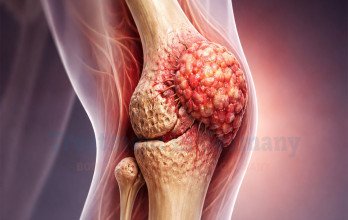
Osteosarcoma develops when malignant cells form in bone tissue, most often in long bones such as the femur, tibia, or humerus. The disease is known for its aggressive growth pattern and potential to spread to the lungs or other bones. In advanced or recurrent cases, osteosarcoma is considered a systemic disease, meaning treatment must address both visible tumors and microscopic cancer activity.
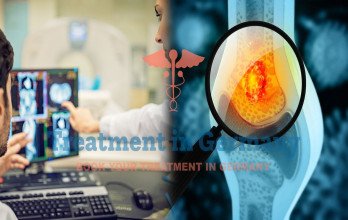
Treatment planning depends on tumor location, disease spread, previous therapies, and the patient’s overall health. This is why advanced osteosarcoma treatment in Germany relies on structured diagnostics, including CT scans, MRI, and PET scans, to support precise evaluation and individualized therapy planning.
Why International Patients Choose Treatment in Germany for Osteosarcoma
Germany is widely recognized for its regulated healthcare system, transparent oncology pathways, and access to latest medical technology in Germany. Treatment is delivered through well-established German healthcare centers, where multidisciplinary tumor boards including the best oncologist in Germany, evaluate each case before advanced therapies are recommended.
International patients often seek innovative treatment in Germany because decisions are guided by medical evidence rather than assumptions. Alignment with international oncology principles referenced by organizations such as the Canadian Cancer Society further strengthens confidence in treatment planning. Many families also value the consistency of follow-up care and the structured monitoring systems used in German oncology centers.
Role of Immunotherapy in Osteosarcoma Treatment

Standard osteosarcoma treatment often includes surgery and chemotherapy. However, in advanced cases or when disease recurs, additional approaches may be evaluated to support long-term disease control. Immunotherapy dendritic cell therapy for Osteosarcoma is one such approach, designed to support immune recognition of cancer-related markers rather than directly attacking tumors with cytotoxic agents.
This immune-based strategy is evaluated as part of a broader treatment plan and does not replace standard treatment. Instead, it may complement other therapies depending on individual suitability.
How Dendritic Cell Therapy Works for Osteosarcoma

Dendritic cell therapy in Germany is a personalized immunotherapy approach that focuses on training the immune system to better recognize tumor-specific signals associated with osteosarcoma.
The process begins with a detailed medical evaluation to determine therapy suitability. Doctors review medical history, current health status, and available diagnostic information. Once approved, a blood sample is collected, typically around 150 to 200 ml, under medical supervision.
In an EU GMP-certified laboratory, immune cells (monocytes) are isolated from the blood sample. These cells are cultured under highly controlled conditions and exposed to tumor-specific antigens related to osteosarcoma. Through this process, the cells mature into dendritic cells capable of presenting cancer markers to the immune system.
Before administration, the prepared dendritic cells undergo strict safety and quality checks to confirm sterility, viability, and purity. The final preparation is administered back to the patient as a personalized dendritic cell vaccine, usually via injection under the skin. Patients are monitored during treatment, and follow-up evaluations help guide ongoing care.
The cost of Immunotherapy Dendritic Cell Therapy in Germany typically ranges between approximately €24,000 and €26,000, covering immune cell collection, laboratory processing, vaccine preparation, and administration. Additional diagnostic or supportive care costs may vary depending on individual treatment plans.
Safety Profile and Side Effects of Dendritic Cell Therapy
One reason dendritic cell therapy is evaluated for osteosarcoma patients is its generally favorable safety profile. Reported side effects are usually mild and may include temporary fatigue, low-grade fever, or localized reactions at the injection site. Severe systemic side effects are uncommon, especially when compared to conventional chemotherapy.
Because therapy is personalized and produced under strict laboratory standards, safety monitoring is integrated into every stage of treatment in Germany.
Combining Dendritic Cell Therapy with Other Treatments
In selected cases, dendritic cell therapy may be combined with surgery, chemotherapy, or other supportive treatments as part of a comprehensive osteosarcoma management strategy. German specialists carefully evaluate how immunotherapy fits into the overall treatment plan, ensuring that therapies complement each other rather than overlap unnecessarily.
This coordinated approach reflects why many patients seek treatment through TIG, where multidisciplinary collaboration supports consistent and individualized oncology care.

New Clinical Trials and Research Pathways in Germany
Germany supports structured evaluation of new clinical trials for bone cancers, including osteosarcoma. Eligibility for clinical trials depends on tumor characteristics, prior treatment history, and overall patient health. Trial availability changes over time and is assessed through formal medical review within regulated research frameworks.
International Patient Support through Treatment in Germany
Managing cancer treatment abroad involves medical coordination, travel planning, and documentation. TIG at www.treatmentingermany.de provides complete logistical support for international patients, including appointment coordination and assistance with medical travel requirements. This allows patients and families to focus fully on treatment and recovery.
🌍Why Patients Worldwide Prefer Our Medical Services in Germany – Key Benefits Explained:










.webp)
 (1).webp)

.webp)
.jpg)
 (1).webp)
.jpg)