

Colon (colorectal) cancer starts in your colon (large intestine), the long tube that helps carry digested food to your rectum and out of your body.
Advanced Colon Cancer Stage 4 Treatment in Germany
Colon cancer ranks as the third most commonly diagnosed cancer worldwide and the second leading cancer-related mortality globally, with approximately 1.9 million new cases and more than 900,000 deaths reported annually. For patients who receive a diagnosis of stage 4 colon cancer, the disease has already spread beyond the colon to distant organs, most frequently the liver, lungs, and peritoneum. At this advanced stage, the treatment journey becomes significantly more complex, and the options available locally may not always reflect the latest developments in oncological care. Encouragingly, advances in colorectal cancer treatments including biomarker-directed targeted therapies, immune checkpoint inhibitors for selected molecular subtypes, and interventional oncology techniques, have improved outcomes in appropriately selected patients. [1]
Germany has established itself as a leading destination for colon cancer treatment in Germany, combining multidisciplinary expertise with access to advanced systemic therapies, interventional oncology techniques, and emerging immunological treatments. Patients pursuing modern colon cancer treatment in Germany benefit from multidisciplinary tumor board review, comprehensive molecular profiling, and individualized treatment planning based on disease stage, molecular characteristics, prior therapies, and overall clinical status. Whether exploring stage 4 colon cancer treatment in Germany for the first time or seeking a second opinion after prior treatment, TIG GmbH is here to guide you through every step of the process. As a dedicated patient facilitation company, TIG GmbH connects international patients with Germany's leading oncologists, handles all logistical and administrative aspects of the medical journey, and ensures that every patient arrives informed, prepared, and supported from the very first consultation through to post-treatment follow-up.
What Is Stage 4 Colon Cancer?
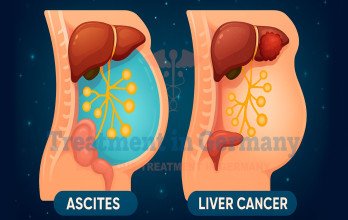
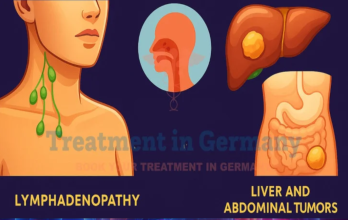
Metastatic colon cancer, also referred to as stage 4 colorectal cancer, occurs when cancer cells from the colon have spread through the lymphatic system or bloodstream to distant organs. The liver is the most common site of colon cancer metastasis, followed by the lungs, peritoneum, while bone and brain metastases occur less frequently. Bowel cancer liver spread is particularly common because the portal vein drains blood from the colon directly to the liver, making it the first organ exposed to circulating tumor cells.

According to the AJCC TNM staging system, stage IV colorectal cancer is subclassified into stage IVA, stage IVB, and stage IVC based on the number and location of metastatic sites, including distant organ involvement and peritoneal metastases. Each substage carries different therapeutic implications and colon cancer prognosis considerations and may influence the selection of systemic therapy, surgical intervention, and locoregional treatment strategies. Understanding the extent of metastatic spread is fundamental to selecting the most appropriate treatment strategy and setting realistic expectations for outcomes.
Risk factors that contribute to the development of colorectal cancer and its progression to advanced stages include:
Age over 50, with incidence rising significantly in older adults although colorectal cancer incidence has also been rising among younger adults in some populations.
Personal or family history of colorectal polyps or colorectal cancer
Inflammatory bowel conditions such as Crohn's disease and ulcerative colitis
Dietary patterns characterized by high consumption of red and processed meats and low intake of dietary fiber
Obesity, physical inactivity, heavy alcohol use, and smoking
Inherited syndromes including Lynch syndrome and familial adenomatous polyposis
Symptoms of Stage 4 Colon Cancer
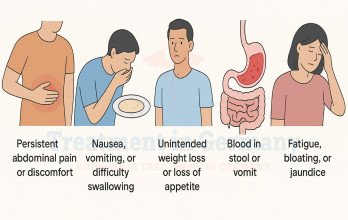
Stage 4 colon cancer symptoms can vary depending on the location of the primary tumor and the sites of metastatic spread. Patients may present with both local gastrointestinal symptoms and systemic manifestations of advanced malignancy.
Common presentations include:
Persistent changes in bowel habits, including diarrhea, constipation, or alternating patterns
Blood in the stool or rectal bleeding
Abdominal cramping, bloating, or persistent discomfort
Unexplained and significant weight loss
Fatigue and general weakness or reduced exercise tolerance, often associated with iron deficiency anemia secondary to chronic gastrointestinal blood loss.
Jaundice or right upper abdominal pain when bowel cancer liver spread is present
Dyspnea, cough, or chest discomfort may occur in patients with pulmonary metastases
Because many of these symptoms overlap with benign gastrointestinal conditions, colon cancer diagnosis at an early stage remains challenging. By the time systemic symptoms emerge, the disease may already be at an advanced stage, underlining the importance of prompt investigation for any persistent or unexplained changes in bowel function.
Diagnosis and Staging
Colon cancer diagnosis is confirmed through colonoscopy with biopsy, which allows direct visualization of the tumor and histological confirmation of malignancy. Once a diagnosis is established, staging evaluation generally includes contrast-enhanced CT imaging of the chest, abdomen, and pelvis to assess metastatic spread, while pelvic MRI is primarily used for rectal cancer staging; PET/CT may be considered in selected clinical scenarios. Serum carcinoembryonic antigen (CEA levels are commonly measured for prognostic assessment and treatment monitoring, although CEA is not sufficiently sensitive or specific for diagnostic use alone [9].
Molecular testing plays an increasingly important role in metastatic colorectal cancer management. Assessment of RAS and BRAF mutation status, microsatellite instability (MSI), and mismatch repair (MMR) deficiency status is now considered standard practice, as these biomarkers directly influence treatment selection, particularly for targeted therapy and immunotherapy eligibility. [9]
Stages and Prognosis of Colon Cancer
The following table outlines the stages of colon cancer alongside general survival estimates. These are population-level figures and individual outcomes vary significantly based on tumor biology, treatment response, and access to advanced therapies. [9]

Stage 4 colon cancer survival rate at five years sits at approximately 13-14% at the population level. However, stage 4 colon cancer survival statistics are shifting with the introduction of modern combination therapies. Patients with limited metastatic colon cancer who achieve complete resection of metastases report markedly better outcomes, and novel systemic and interventional therapies available through colon cancer stage 4 centers in Germany may improve outcomes in selected patients. [9]
Standard Treatment Options for Stage 4 Colon Cancer
When stage 4 colorectal cancer is diagnosed, the treatment strategy is determined through multidisciplinary tumor board review. Standard colon cancer treatment options include:
Surgical resection: In selected patients with resectable metastatic disease, removal of the primary tumor and metastatic lesions, particularly hepatic metastases, may improve long-term survival and, in some cases, allow for durable disease control
Systemic chemotherapy: Combination regimens such as FOLFOX, FOLFIRI, and FOLFOXIRI are commonly used as first-line systemic treatment options for metastatic colorectal cancer, depending on patient fitness, disease burden, molecular profile, and treatment goals [9]
Targeted therapy: Agents targeting VEGF (bevacizumab) and EGFR (cetuximab, panitumumab) are used based on RAS/BRAF mutation status [2]
Immunotherapy: Immune checkpoint inhibitors are recommended for patients with microsatellite instability-high (MSI-H) or mismatch repair-deficient (dMMR) metastatic colorectal cancer, which accounts for approximately 4–5% of metastatic cases [6]
Interventional oncology: TACE, TACP, and ablation techniques for liver-dominant or oligometastatic disease
Palliative care: Symptom management and supportive care throughout all stages of treatment
In Germany, all these modalities are available within integrated oncology programs. TIG GmbH works with colon cancer stage 4 centers in Germany to ensure international patients are matched with the treatment approach most appropriate for their specific diagnosis and molecular profile.
Emerging Innovative Treatment options for stage 4 colon cancer
When colorectal cancer spreads to the liver, Transarterial Chemoembolization (TACE) may serve as a locoregional treatment option for selected patients with liver-dominant metastatic disease, particularly when surgical resection is not feasible. TACE is a minimally invasive, image-guided procedure in which a thin catheter is carefully advanced through the arterial system into the small vessels supplying the liver tumors. A high dose of chemotherapy is then delivered directly into those feeding vessels, immediately followed by tiny embolic particles that obstruct blood flow and enhance tumor ischemia.
This dual mechanism achieves two things simultaneously: it concentrates a powerful chemotherapy dose precisely within the tumor, and it cuts off the oxygen and nutrient supply the tumor needs to survive. Normal hepatic parenchyma is relatively preserved because healthy liver tissue derives most of its blood supply from the portal venous system, whereas liver metastases are predominantly supplied by the hepatic arterial circulation.

For patients with metastatic colorectal cancer and liver-dominant disease, TACE may provide locoregional disease control and may be incorporated into multimodal treatment planning.. Clinical evidence supports its use in selected patients with colorectal liver metastases, particularly when combined with other locoregional or systemic approaches. Research published by Prof. Vogl and colleagues demonstrated that the combination of TACE with microwave ablation produced superior outcomes compared to ablation alone for colorectal liver metastases, reflecting the value of combining interventional techniques in this setting [8].
A comprehensive review of TACE for colorectal liver metastases confirmed that the technique can achieve meaningful local tumor control and, in selected patients, contribute to downsizing of metastatic deposits, potentially converting previously unresectable disease to a resectable state [3]. This is particularly relevant for patients pursuing best treatment for colon cancer stage 4 in Germany through centers with specialized interventional oncology expertise.
The cost of TACE therapy in Germany typically ranges between €8,000 and €9,000 per session, delivered by specialists such as Prof. Vogl, an expert in embolization therapies. TIG GmbH supports patients with scheduling medical consultations and coordinating personalized multi-session colon cancer treatment plans in Germany. Although systemic chemotherapy remains the standard first-line treatment for most patients with metastatic colorectal cancer, TACE may be considered in carefully selected cases at specialized interventional oncology centers.
TACP Treatment for Stage 4 Colon Cancer in Germany
Transarterial chemoperfusion (TACP) is a locoregional intra-arterial treatment performed in selected specialized centers, most commonly for liver-dominant metastatic disease, in which chemotherapy is delivered directly into the arterial blood supply feeding the tumor. Unlike systemic chemotherapy, which circulates throughout the body, TACP targets tumors locally, helping improve treatment effectiveness while reducing exposure to healthy tissues and minimizing side effects however, treatment outcomes and side-effect profiles vary depending on tumor burden, liver function, prior therapies, and the specific treatment protocol used.

For patients with stage 4 colon cancer in Germany, TACP is a specialized locoregional treatment approach used in selected centers for certain patients with advanced cancer, particularly when conventional systemic treatment options are limited or when a multidisciplinary team considers regional therapy appropriate. Treatment begins with a consultation with the treating professor and interventional radiology team, who review the patient’s medical history, prior treatments, laboratory results, and imaging studies to determine whether locoregional therapy is appropriate and to develop an individualized treatment strategy
During the procedure, an interventional radiologist inserts a small catheter into the artery typically via the femoral or radial artery, into the vessel supplying the tumor and administers chemotherapy directly to the targeted region. After treatment, patients are monitored for several hours, followed by a control CT scan and a same-day follow-up consultation to review results and discuss the next steps in the treatment plan. TACP in Germany is performed with a strong focus on precision, patient safety, and personalized care throughout every stage of treatment.
The cost of TACP therapy in Germany typically ranges between €8,000 and €9,000 per session, carried out by Prof. Vogl and his specialist team. TIG GmbH helps patients understand the full scope of this treatment and coordinates all aspects of the process, from initial consultation to post-procedure follow-up, for patients pursuing modern colon cancer treatment in Germany.
Immunotherapy for Stage 4 Colon Cancer in Germany
Immune checkpoint inhibitors have significantly changed treatment outcomes for the subset of patients with metastatic colorectal cancer whose tumors demonstrate microsatellite instability-high (MSI-H) or mismatch repair deficiency (dMMR), with clinical trials showing improved response durability and progression-free survival compared with conventional chemotherapy in selected patients. Immunotherapy for colorectal cancer works by blocking inhibitory pathways, particularly PD-1/PD-L1 and CTLA-4, that cancer cells exploit to evade immune detection which tumors may exploit to suppress antitumor immune responses and evade immune recognition. Once these pathways are blocked, the immune system is able to recognize and attack tumor cells more effectively [1].
The benefit of immunotherapy in metastatic colorectal cancer is most pronounced in patients whose tumors show microsatellite instability-high (MSI-H) or mismatch repair deficiency (dMMR). A systematic review of immune checkpoint inhibitors for metastatic colorectal cancer confirmed that MSI-H patients treated with checkpoint inhibitors such as pembrolizumab achieved significantly improved progression-free and overall survival compared to chemotherapy alone [6].
Emerging research is also exploring immunotherapy responses beyond MSI status, examining tumor mutational burden, the immune microenvironment, and other biomarkers that may predict benefit in a broader population of patients with stage IV colorectal cancer [7]. These translational insights are increasingly guiding treatment decisions at German university hospitals, where comprehensive molecular profiling is standard practice.
For patients exploring treatment for colon cancer stage 4 in Germany with an immunotherapy component, TIG GmbH facilitates access to specialized tumor board teams that integrate molecular profiling results into individualized treatment plans. This ensures that colon cancer treatments are selected based on the most accurate and current understanding of each patient's tumor biology.
Dendritic Cell Therapy for Stage 4 Colon Cancer in Germany
Dendritic cell (DC) therapy is an investigational form of cellular immunotherapy being explored in several cancers, including colorectal cancer. It is an innovative form of active cancer immunotherapy in which the patient's own immune cells are used to train the immune system to recognize and attack cancer. Dendritic cells are specialized antigen-presenting cells that play a central role in initiating and regulating immune responses. In dendritic cell therapy for colon cancer treatment, these cells (monocytes) are collected from the patient's blood, matured and loaded with tumor-specific antigens in a controlled laboratory setting, and then reinfused to stimulate a targeted immune response against the cancer.

Research into dendritic cell-based immunotherapy for colorectal cancer treatments has shown promising results. A study examining dendritic cell vaccine therapy for colorectal cancer found that DC vaccines can be safely administered, are capable of generating measurable tumor-specific immune responses, and represent a viable approach for patients with advanced disease who have limited options [5].
More recent research combining dendritic cells with natural killer T (NKT) cells has shown particularly encouraging results, suggesting that this cellular combination may enhance immune activation and tumor targeting compared to dendritic cell therapy alone [4]. These combination protocols are an active area of investigation in advanced colorectal cancer treatment and are available through specialized centers in Germany.
The cost of dendritic cell therapy in Germany is approximately €27,000 for total course, delivered by Prof. Gansauge at LDG Laboratories. TIG GmbH helps patients understand the full treatment scope, including scheduling, laboratory processing timelines, travel logistics, and the multi-week commitment required to complete the therapy for rectal cancer stage 4 in Germany and colon cancer patients alike.
Colon Cancer Treatment Costs in Germany
Treatment costs vary based on the modality, number of sessions, and institution. The table below provides a general overview of Colon Cancer treatment costs in Germany.

These figures are approximate and subject to variation based on individual clinical needs. TIG GmbH provides patients with a detailed, personalized cost estimate before any commitment to travel or treatment is made for colon cancer stage 4 Germany.
Who Is Eligible for TACE, TACP, Immunotherapy, or Dendritic Cell Therapy?
Eligibility for each treatment type is assessed on a case-by-case basis by colon cancer specialists in Germany, determined individually through multidisciplinary evaluation, taking into account disease distribution, molecular characteristics, performance status, organ function, prior therapies, and overall treatment goals.
TACE and TACP Eligibility
Metastatic colon cancer with liver-dominant or hepatic metastatic disease not amenable to surgical resection
Adequate liver function and performance status to tolerate the procedure
Identifiable arterial blood supply to target tumor areas on imaging
No contraindication to contrast agents or minimally invasive vascular procedures
Immunotherapy Eligibility
Confirmed microsatellite instability-high (MSI-H) or mismatch repair–deficient (dMMR) tumor status is currently the strongest validated biomarker predicting response to immune checkpoint inhibitors in metastatic colorectal cancer [6]
Histologically confirmed stage 4 colorectal cancer with recurrent or metastatic disease
Adequate hematologic, hepatic, and renal function, with performance status sufficient to tolerate systemic immunotherapy
No active severe autoimmune condition that would preclude checkpoint inhibitor use
Dendritic Cell Therapy Eligibility
Confirmed diagnosis of advanced or metastatic colorectal cancer being considered for investigational cellular immunotherapy
Adequate circulating immune cell counts to permit leukapheresis and cellular processing
No active autoimmune disease or current immunosuppressive therapy that could interfere with immune-based treatment protocols
Ability to participate in repeated treatment visits and monitoring required for individualized cellular therapy protocols
Limitations and Important Considerations
While Germany offers some of the most advanced options for colon cancer treatment, patients and families should approach treatment decisions with realistic expectations and a clear understanding of the evidence base.
Can colon cancer be cured at stage IV? Complete cure is rarely achieved, but meaningful disease control, tumor downsizing, and improved survival are realistic goals. Colon cancer cure rate improves significantly when metastatic deposits are fully resectable [9].
Bowel cancer stage 4 survival Population-based survival statistics for stage IV colorectal cancer do not predict outcomes for individual patients, as prognosis is influenced by factors including molecular subtype, disease burden, treatment response, performance status, comorbidities, and the potential for surgical resection
Immunotherapy benefits are largely confined to the MSI-H subgroup, which represents a minority of metastatic colorectal cancer patients [6]. Molecular testing before treatment is therefore essential.
Dendritic cell therapy is still being evaluated in large-scale randomized trials for colorectal cancer [5]. Patients should be fully informed of the current evidence base before proceeding.
Navigating cross-border medical care carries logistical and emotional complexity. TIG GmbH is dedicated to reducing these burdens for international patients pursuing treatment for colon cancer stage 4 in Germany as international patients seeking treatment in Germany may require coordination of medical records, travel arrangements, multidisciplinary consultations, financial planning, and follow-up care across healthcare systems.
Why Patients Choose Germany for Colon Cancer Treatment?
Germany is consistently recognized as one of the world's premier destinations for oncological care, and for patients seeking colon cancer stage 4 treatment in Germany, this reputation is backed by a strong clinical and research infrastructure.
Multidisciplinary tumor boards at all major academic centers ensure individualized, evidence-based decision-making for every patient
Comprehensive molecular profiling as standard practice, enabling truly personalized colorectal cancer treatments
Early access to investigational agents through clinical trials and compassionate use programs
Adherence to ESMO Clinical Practice Guidelines [9] ensuring internationally benchmarked care for metastatic colorectal cancer
Advanced interventional oncology infrastructure, including TACE and TACP
World-class standards of patient communication, care coordination, and post-treatment follow-up
Germany also maintains a clear and accessible pathway for international patients to obtain medical visas for cancer treatment. TIG GmbH routinely supports patients with visa applications and all necessary documentation, making clinics in Germany genuinely accessible to patients from across the world.
Leading Hospitals in Germany for Colon Cancer Treatment
Germany's academic medical centers are internationally recognized for their expertise in gastrointestinal and colorectal oncology. The following institutions represent some of the colon cancer stage 4 centers in Germany most sought after by international patients:

Each of these centers has dedicated colorectal oncology specialists who work within structured multidisciplinary teams to deliver personalized, evidence-based care. TIG GmbH has established working relationships with oncology departments at these institutions and can help patients obtain second opinions, schedule consultations, and coordinate every aspect of their treatment journey in Germany.
How TIG GmbH Supports International Colon Cancer Patients?
TIG GmbH supports patients throughout every stage of their treatment journey in Germany, including:
Medical record review and specialist pre-consultation
Matching patients with leading German hospitals and oncologists
Medical visa and documentation assistance
Travel coordination
Interpreter and medical translation services
Post-treatment follow-up and care coordination after returning home
Whether you are exploring TACE or TACP, seeking access to modern colon cancer treatment in Germany, or ready to begin a full treatment program at one of the best treatment for colon cancer stage 4 in Germany centers, TIG GmbH is your trusted partner throughout the process. Reach out today to begin your consultation journey.
Why Choose Us & Your Treatment Journey (TIG GmbH)?
At TIG, we focus on providing a seamless experience for international patients seeking innovative cancer treatment in Germany. From the moment you share your medical reports, our team coordinates every step of your journey. This includes expert case review, hospital selection, appointment scheduling, and travel support.
Your treatment journey is designed to be clear and structured, ensuring that you receive the best possible care without unnecessary stress. With dedicated support throughout the process, we help you navigate advanced cancer treatment with confidence and clarity.
👉 Contact TIG GmbH today to begin your personalized treatment journey in Germany.
References
Read more
- Advanced Colon Cancer Treatments with Dendritic Cell Therapy in Germany
- Stage 4 (Metastatic) Colon Cancer – Diagnosis and Treatment
- Treatment Options for Colon Cancer | Bowel Cancer
- Stage 4 (Metastatic) Colon Cancer Clinical Trials
- Difference between Stage 3 and Stage 4 Colon Cancer in Germany
Why Patients Worldwide Prefer Our Medical Services in Germany – Key Benefits Explained

































.webp)
 (1).webp)

.webp)


.jpg)

 (1).webp)


.jpg)