×
Written by: Alina Kaminski
Reviewed by: Dr. Aysha Altaf
Category: Dendritic Cell Therapy in Germany
Published 16.01.2025

Dendritic cell therapy is a personalized immunotherapy that helps the immune system target cancer cells. It works by activating immune cells to fight cancer more effectively.

Dendritic Cell Therapy Treatment in Germany

Cancer continues to impose an enormous burden on individuals and healthcare systems worldwideand remains a major global health challenge. According to the most comprehensive global cancer statistics published to date, approximately 20 million new cancer cases and 9.7 million cancer-related deaths were recorded across 185 countries in 2022, with an estimated 1 in 5 people expected to develop cancer during their lifetime [1]. The 2026 cancer statistics report projects more than 2 million new cancer diagnoses in the United States alone within a single year, underlining how urgently patients everywhere need smarter and less toxic treatment options [2].

Within this landscape, cancer immunotherapy Germany represents an innovative approach in oncology. Dendritic cells therapy in Germany sits at the heart of this progress, offering patients a biologically intelligent and highly personalized approach that strengthens the immune system rather than suppressing it and is a personalized immunotherapy designed to stimulate the patient’s immune system to target cancer cells, rather than relying solely on cytotoxic effects. Germany’s structured healthcare infrastructure, GMP-certified laboratories, and strict regulatory standards have established it among leading destinations globally for patients seeking dendritic cell immunotherapy beyond the reach of conventional medicine.

Treatment in Germany supports international patients seeking cancer immunotherapy Germany, including dendritic cell therapy, by managing the full coordination process. Services include medical report review, personalized treatment planning, visa assistance, and ongoing support throughout the treatment journey. Submit your medical reports to receive a response within 24 hours.


Scientific Background of Dendritic Cell Therapy

The foundations of dendritic cell immunotherapy trace back to a landmark discovery in immunology. In 1973, American immunologist Ralph Steinman identified a previously unknown immune cell at Rockefeller University, which he named "dendritic cells" for their characteristic branching projections. He spent the following decades demonstrating their central role as the primary activators of the adaptive immune system, showing how they capture antigens and instruct T-cells to mount highly specific immune responses against pathogens and cancer cells. His work was recognized with the Nobel Prize in Physiology or Medicine in 2011, awarded posthumously just days after his death from pancreatic cancer [3].

This discovery established a foundation for a new therapeutic approach. If dendritic cells are the immune systems instructors, then producing them artificially, loading them with tumor-specific antigens, and reinjecting them into patients could teach the immune system to destroy tumors it had previously been unable to attack. Over the following decades, that principle translated into clinical practice through the development of dendritic cell vaccines (DC vaccines), now delivered at specialized oncology centers across Germany under GMP-controlled conditions [3].


How Dendritic Cell Therapy Works in Cancer Treatment

To understand dendritic cells and cancer therapy, it helps to know where these cells operate. The question of where are dendritic cells typically found has a clear answer: Dendritic cells (DCs) are present in peripheral tissues such as the skin, lungs, and gastrointestinal mucosa, as well as in secondary lymphoid organs and circulating blood. In these locations, they continuously survey for antigens and initiate adaptive immune responses when necessary [4].

In the clinical context of dendritic cell treatment in Germany, the process begins with collection of immune cells (monocytes) from the patient's blood through leukapheresis. These immune cells are transported to a GMP-certified laboratory, cultured with appropriate growth factors and differentiated into mature dendritic cells. The cells are loaded with tumor-associated antigens from the patient's own cancer and activated to present these cancer-specific signals to the immune system. Upon reinfusion, the trained cells stimulate cytotoxic T-cells which are CD8⁺ T- cells and natural killer cells to destroy malignant cells carrying those same antigens [4].

Before the vaccine is cleared for use, rigorous quality control confirms its cellular composition through flow cytometry. This includes surface marker analysis for Phenotyping CD3 positive T-cells, CD4 helper T-cells, CD8 cytotoxic T-cells, Phenotyping additional antibodies: CD19 B-cells, CD45 pan-leukocytes, CD56 natural killer cells, CD13 myeloid progenitor cells, and CD86 co-stimulatory molecules that confirm dendritic cell maturation and readiness. Propidium iodide staining assesses cell viability before administration [4]. These standards are what separates a reliably effective vaccine from a sub therapeutic one at Germany's leading treatment centers.


Blood collection → Laboratory differentiation and maturation → Antigen loading →

Reinfusion → Immune activation → Tumor targeting

Why More Cancer Patients Are Turning to Dendritic Cell Therapy

The shift toward immunotherapy with dendritic cells is driven by its distinct mechanism of action and tolerability. Unlike conventional chemotherapy, which can cause hair loss, nausea, and immunosuppression, dendritic cell therapy is designed to stimulate the patient’s immune system without broadly depleting immune function. Cancer treatment with DC activates the immune system rather than depleting it, and its effects can persist long after the initial treatment course ends because they are encoded in immune memory [4].

Patients from the USA, the UK and across Asia are traveling to Germany because the infrastructure required for this therapy (certified laboratories, experienced immunologists, validated protocols, and regulatory oversight) is not widely available at the same level of standardization. For families who have been told there are no further options, this represents the first genuine alternative to traditional cancer treatments and dendritic cell therapy may provide an alternative approach that can potentially complement standard therapies while avoiding the systemic toxicity commonly associated with chemotherapy. 

If you or someone you love is facing that situation, TIG offers a free case review by experienced medical coordinators. Visit our website to submit your medical reports and receive a personalized evaluation within 24 hours.


Which Types of Cancer Can Be Treated with Dendritic Cell Therapy?

Cancer treatment with DC has been applied across a wide spectrum of both solid and hematologic malignancies. Commonly treated cancers include breast, lung, prostate, pancreatic, ovarian, kidney, and colorectal cancers, as well as melanoma, glioblastoma, osteosarcoma, soft tissue sarcoma, cervical cancer, pleural mesothelioma, and selected pediatric solid tumors [6].
Tumor biology significantly influences the likelihood of clinical benefit. Some non- immunogenic tumors with low mutational burden produce insufficient tumor-associated antigens, limiting the vaccine response. In these cases, combination strategies incorporating chemotherapy, radiotherapy, or checkpoint inhibitors can convert these tumors into immunologically active ones, making them far more vulnerable to vaccine-trained immune attack and potentially increasing susceptibility to dendritic cell vaccine-induced immune response [6].Germany’s specialist oncologists design individualized treatment protocols that combine dendritic cell therapy with other modalities, tailoring approaches to tumor type, stage, and patient condition.


Related Articles

  1. https://treatmentingermany.de/blog-details/dendritic-cell-therapy-for-triple-negative-breast-cancer-tnbc-in-germany
  2. https://treatmentingermany.de/blog-details/advanced-colon-cancer-treatments-with-dendritic-cell-therapy-in-germany
  3. https://treatmentingermany.de/blog-details/dendritic-cell-therapy-for-stage-4-brain-cancer-glioblastoma-in-germany
  4. https://treatmentingermany.de/blog-details/stomach-cancer-treatment-options-in-germany
  5. https://treatmentingermany.de/blog-details/stage-4-pancreatic-cancer-treatment-options-in-germany-advanced-care-guide
  6. https://treatmentingermany.de/blog-details/stage-4-ovarian-cancer-metastatic-treatment-and-survival-rate
  7. https://treatmentingermany.de/blog-details/treatment-options-for-lung-cancer-in-germany

Can Dendritic Cell Therapy Help in Stage 4 Cancer?

For patients with advanced or metastatic disease who have exhausted conventional cancer treatments, Cancer immunotherapy by dendritic cells Germany offers one of the most meaningful opportunities currently available. No responsible physician will promise a cure at Stage 4, but published evidence does support potential benefits in disease control, quality of life, and in selected cases, extended survival.

A 2024 study by Kyr and colleagues evaluated personalized dendritic cell vaccines in pediatric patients with high-risk relapsed or refractory solid tumors. The multimodal protocol, combined with checkpoint inhibitors, achieved disease control in 53.8% of treated patients, and the treated group showed approximately half the risk of death or disease progression over two years compared with those not receiving the vaccine [7]. The immunological principles behind these outcomes apply directly to adult oncology, where durable immune activation following dendritic cell immunotherapy has been documented in late-stage patients treated at Germany's specialist centers. Treatment in Germany regularly coordinates treatment evaluations for Stage 4 cancer patients from around the world, with specialist review of each case before any protocol is recommended.


Factors That Determine If You Are a Good Candidate

Not every patient is automatically eligible for DCT cancer treatment. Suitability requires a confirmed diagnosis with available tumor tissue or measurable antigens, sufficient immune function to mount a response, and a performance status compatible with outpatient treatment. Patients on strong immunosuppressive therapy, those with severely compromised bone marrow function, or those in end-stage organ failure may need stabilization first.

Additional factors include cancer type, disease stage, prior treatment history, and current organ function. A thorough assessment by a multidisciplinary team of experts including oncologists, immunologists, radiologists, and pathologists is the only reliable way to establish suitability. This assessment begins remotely with your existing medical records, so international patients receive a clear eligibility answer before committing to travel.

Clinical Evidence and Success Rates of Dendritic Cell Therapy

The effectiveness of dendritic cells in cancer is now supported by a growing body of peer-reviewed evidence. The field has moved well beyond proof-of-concept, with multiple studies confirming measurable immune responses and, in some cases, improved survival in various cancer types.

A 2024 study by Ingels and colleagues on neoantigen-targeted dendritic cell vaccination in lung cancer patients reported the induction of long-lived T-cell populations spanning the full differentiation spectrum, with only grade 1 to 2 adverse events recorded across the entire cohort, indicating a favorable tolerability profile even in advanced disease [5]. Research by Kamigaki and colleagues (2024) further demonstrated that personalized neoantigen-targeted DC vaccines can be successfully manufactured for individual patients, establishing tumor-specific immunity tailored to each person's unique cancer profile [8]. A comprehensive 2026 review by Khanmiri and colleagues found that patients who mounted a measurable immune response showed five-year overall survival rates of 53.8% compared to 25% in non-responders,a durable long-term benefit that reflects the durability of vaccine-induced immune activation [6].

To understand whether current clinical evidence supports treatment for your specific cancer type, We can connect you with specialist oncologists for a case-specific review. Visit to get started.


Dendritic Cell Therapy vs Traditional Cancer Treatments

Conventional cancer treatments remain the backbone of oncology, but their limitations are well recognized. Chemotherapy and radiotherapy affect healthy tissue alongside malignant tissue, producing the familiar side effect profile of hair loss, nausea, fatigue, immunosuppression, and organ toxicity. The advantages of dendritic cell therapy are biological: because it is built from the patient's own cells and trained against cancer-specific signals, it targets the malignancy while largely sparing healthy tissue [4].

Dendritic cell vaccines for cancer immunotherapy Germany offers create trained memory T-cells that continue patrolling the body for years after treatment, providing ongoing immune surveillance without additional drug administration [4]. This makes the therapy valuable as a primary treatment strategy and as a maintenance approach following surgery or chemotherapy.


Step-by-Step Procedure of Dendritic Cell Treatment

The overall duration of dendritic cell therapy in Germany is typically completed within approximately 9 days, making it practical for international patients who cannot relocate long-term. The process begins with a comprehensive diagnostic workup. This process typically includes imaging studies such as MRI scan, CT scan, biopsy, and blood work, establishing the clinical foundation for all treatment decisions.

On Day 1, the patient attends their initial medical consultation, where the treating physician reviews the full medical history, discusses treatment goals, and obtains informed consent. On Day 2, approximately 150 to 200 ml of blood is collected for monocytes isolation, followed by vitamin C and B-complex infusions and an intramuscular vitamin D injection. The collection of immune cells (monocytes) are then processed and cultured in the GMP laboratory for several days, matured into functional dendritic cells, and loaded with tumor-specific antigens.

Before vaccine release, quality control confirms cellular composition. Surface marker phenotyping is performed for Phenotyping CD3, CD4, CD8, Phenotyping additional antibodies: CD19, CD45, CD56, CD13, and CD86 co-stimulatory expression confirming maturation, while propidium iodidestaining quantifies viability before clinical release [4]. On Day 9, the vaccine is injected intradermally near lymph nodes to maximize immune activation. A follow-up MRI scan after 10 to 12 weeks is scheduled to assess response and disease status.

Can It Be Combined with Chemotherapy or Immunotherapy?

One of the most practically important characteristics of dendritic cell vaccination is that dendritic cell therapy does not interfere with other therapies and is generally considered compatible. It integrates safely alongside chemotherapy, radiotherapy, surgical protocols, hormonal therapy, and modern checkpoint inhibitors including pembrolizumab and nivolumab [6]. 

However, optimal sequencing and combination strategies are determined on an individual basis. Combinations approaches may enhance clinical outcomes in selected patients.. Some chemotherapeutic agents may reduce tumor-induced immunosuppression, potentially creating a more favorable environment for immune activation hence .for the vaccine. Adding immunotherapy with dendritic cells alongside cytokine-induced killer cells or checkpoint blockade can substantially amplify the coordinated immune response beyond what either approach achieves alone [6]. although results vary depending on tumor type and patient characteristics. We ensures that international patients are matched to the center with the deepest experience in their specific cancer type and combination approach.


Side Effects and Safety of Dendritic Cell Therapy

The safety profile of immunocine dendritic cell treatment is one of its most clinically significant advantages for patients who have already experienced the cumulative toxicity of prolonged conventional therapy. Because the vaccine is produced from the patient's own immune cells, the risk of immunological rejection is essentially absent [5].

The most common reactions include low-grade fever, temporary fatigue, brief flu-like symptoms, minor swelling or redness at the injection site, and occasional headaches, all of which typically resolve within 24 to 48 hours. The 2024 lung cancer study by Ingels and colleagues recorded predominantly grade 1 to 2 adverse events across the full treated cohort, with no serious treatment-related complications [5]. This relatively mild toxicity profile differs from that of chemotherapy and some immunotherapy regimens, which can cause more significant systemic adverse effects. As a result, carefully selected older or medically complex patients may be considered for dendritic cell therapy as part of individualized treatment planning for DCT cancer treatment at Germany's leading centers.

Limitations and Challenges of Dendritic Cell Therapy

A balanced clinical discussion requires acknowledging the limitations of any therapeutic approach. One key limitation is tumor biology. Some poorly immunogenic tumors with low mutational burden may produce insufficient tumor-associated antigens, which can limit the ability of dendritic cell vaccines to induce a measurable T-cell response. Tumors can also secrete immunosuppressive microenvironment through cytokines and other signaling pathways, which can reduce dendritic cell function and limit antitumor immune responses even after vaccine administration [9]. This is why combination approaches are increasingly preferred over monotherapy in advanced disease.

The second limitation is patient selection. The therapy requires an immune system capable of generating a meaningful response. Patients with severe immunodeficiency, advanced organ failure, or certain hematologic malignancies that impair immune cell function may not be suitable candidates. Lastly, while dendritic cell immunotherapy treatment is legally available and well-regulated in Germany as a new effective cancer treatment, it is not routinely covered by insurance in most countries, meaning international patients typically bear the full cost independently.


Real Patient Success Story: Life after Dendritic Cell Therapy through TIG GmbH

Clinical evidence and statistics capture the breadth of what is possible with dendritic cells and cancer therapy, but a patient's own account communicates what no study fully conveys.

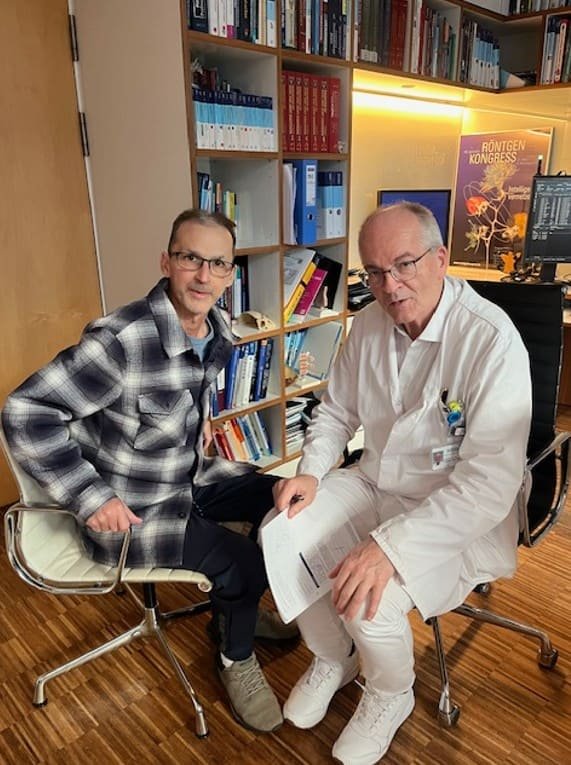
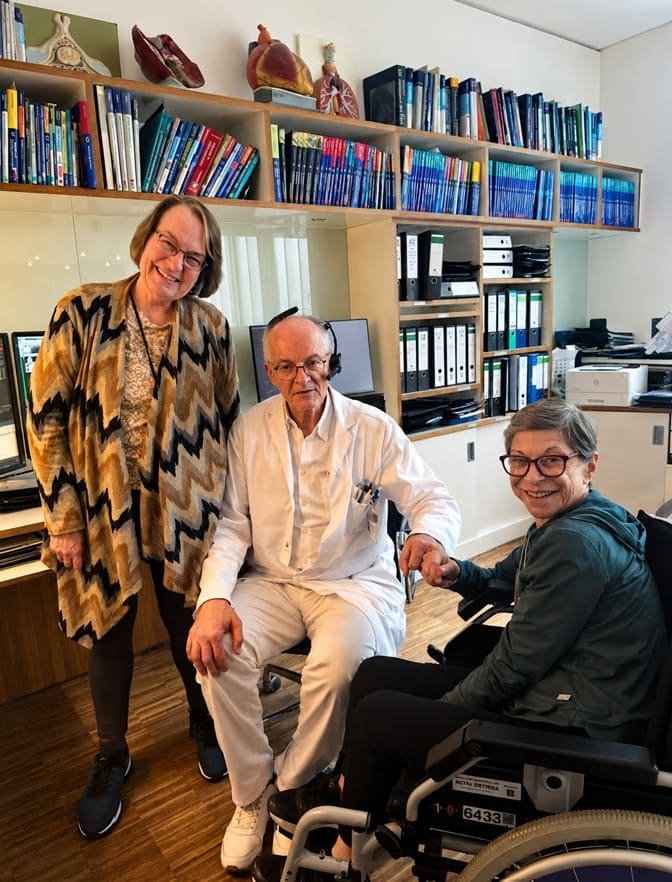
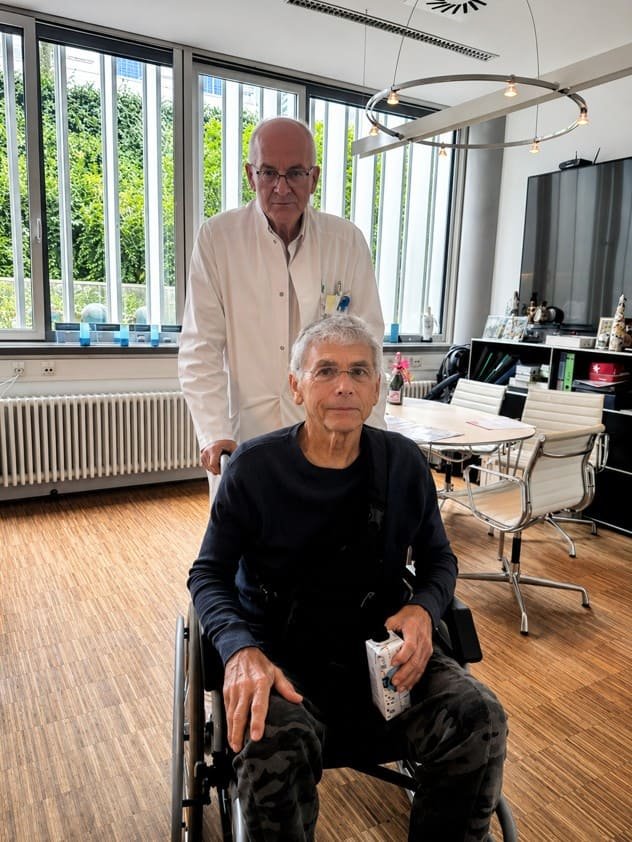
Susan Levin, accompanied by Martha Armer, traveled to Frankfurt for her cancer treatment Germany. She shares that We have provided exceptional, end-to-end support, from hospital coordination to daily care and communication. Under the guidance of experts like Dr. Vogel, Susan received high-quality treatment and felt continuously supported, even after hours. She expresses deep gratitude for the compassionate care and strongly recommends Treatment in Germany for patients seeking advanced therapies like dendritic cell treatment.


Watch her full story here:


Her experience makes clear that outcomes are shaped as much by the coordination process as by the treatment itself. Traveling abroad for advanced cancer care involves medical record translation, specialist pre-screening, logistics, interpreter support, and continuity of care on return. She arrived at her clinic fully prepared and with a complete treatment plan already in place, through us. Her result reflects both the therapy's clinical potential and the practical difference that experienced, patient-centered coordination makes.


What Results Can You Expect After Treatment?

Possible outcomes following a complete dendritic cell treatment course include measurable tumor shrinkage, disease stabilization, slowed progression, meaningful quality-of-life improvement, and in a proportion of patients, durable long-term remission. Patients frequently report improved energy, better appetite, reduced pain, and a stronger overall sense of physical well-being within weeks of the vaccine injection [7].

Radiological changes take time to appear, which is why the standard MRI scan after 10 to 12 weeks provides the first objective opportunity to assess the immune response. It is also important to recognize that immune-based therapies can produce pseudo-progression, a temporary apparent increase in tumor size caused by immune cell infiltration before subsequent shrinkage. Germany's oncologists evaluate response using both imaging data and immune biomarker analyses rather than tumor size alone. Many patients are offered maintenance booster doses every three to six months to sustain long-term immune surveillance.


Is Dendritic Cell Therapy Approved and Regulated in Germany?

Dendritic cells cancer treatment Germany operates within a clearly defined regulatory framework. The Paul-Ehrlich-Institut, Germany's federal authority for vaccines and biomedicines, oversees the manufacturing and clinical use of all cellular therapy products. Each authorized center must maintain GMP-certified production facilities, follow validated manufacturing protocols, and document the full production chain for every vaccine batch.

Dendritic cell vaccines (DC vaccines) are available in Germany as individualized advanced therapy medicinal products under EU regulatory provisions that permit personalized cell therapies to be used outside formal clinical trials, provided they are manufactured and administered under strictly controlled conditions. This regulatory pathway is one of the defining reasons patients from the USA and other countries travel for immunotherapy in Germany, knowing every aspect of their treatment meets a verified scientific and clinical standard.


How Much Does Dendritic Cell Therapy Cost in Germany?

The cost of dendritic cell therapy in Germany is approximately €27,000 for a standard initial treatment course. This typically encompasses the full diagnostic workup, leukapheresis, GMP laboratory vaccine production including the complete quality control phenotyping panel, multiple injection sessions, and monitoring within the treatment window. The cost of immunotherapy in Germany remains substantially more accessible than comparable programs in the United States.

Patients whose treatment incorporates combination approaches such as checkpoint inhibitors, hyperthermia, virotherapy, or extended booster cycles will encounter higher total costs. All international patients coordinating through TIG receive a fixed, fully itemized cost estimate before committing to travel, with direct hospital payment and no hidden fees.


Best Clinics for Dendritic Cell Therapy in Germany

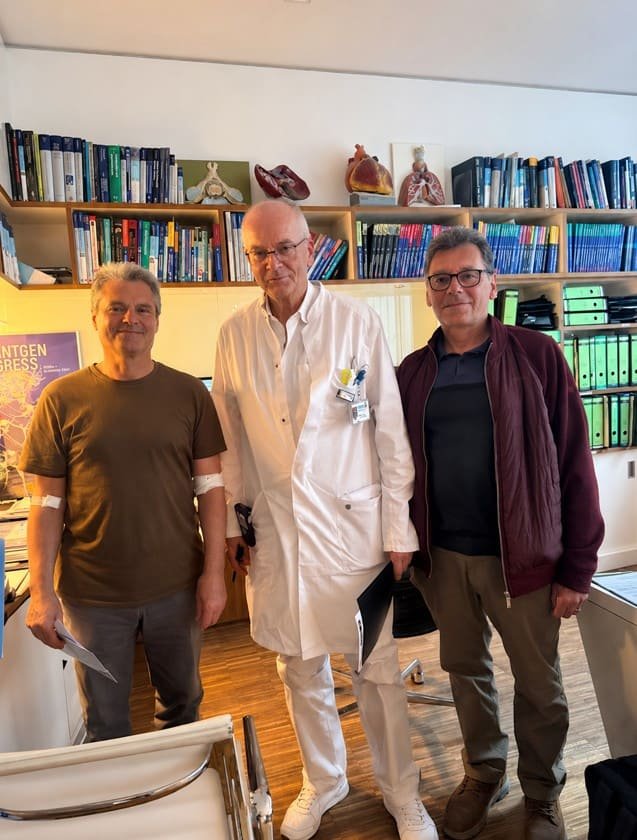
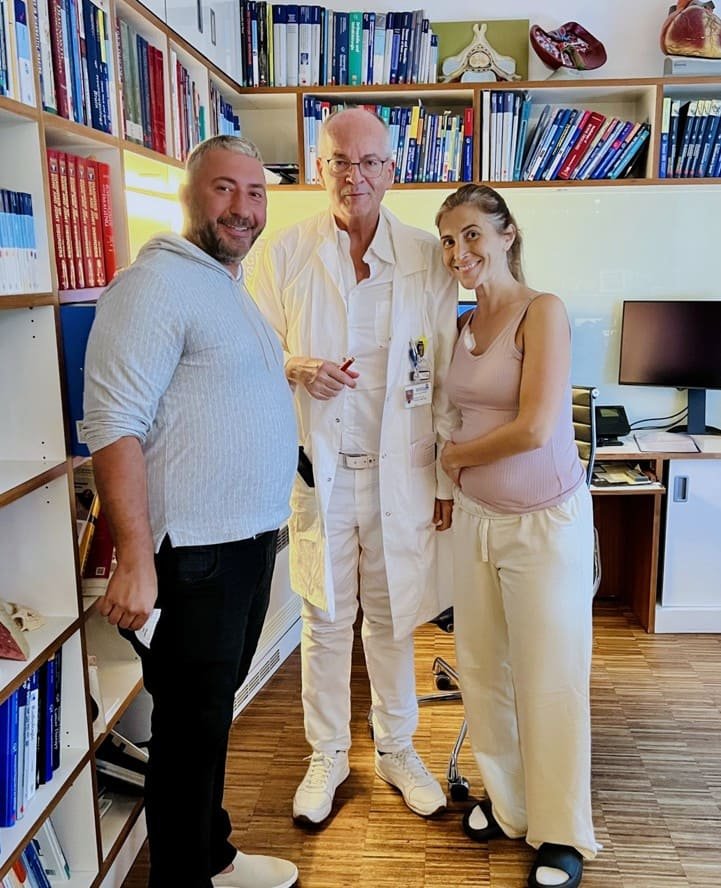
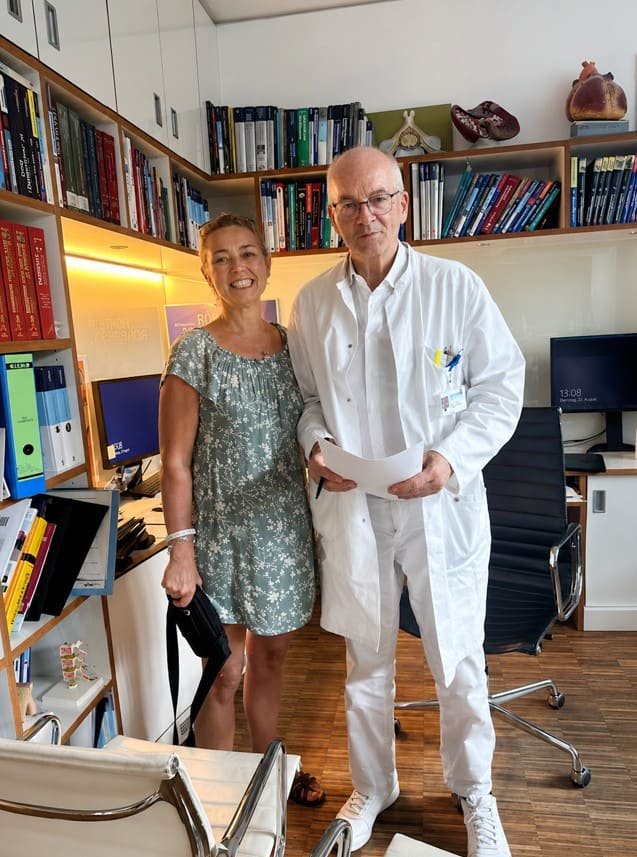
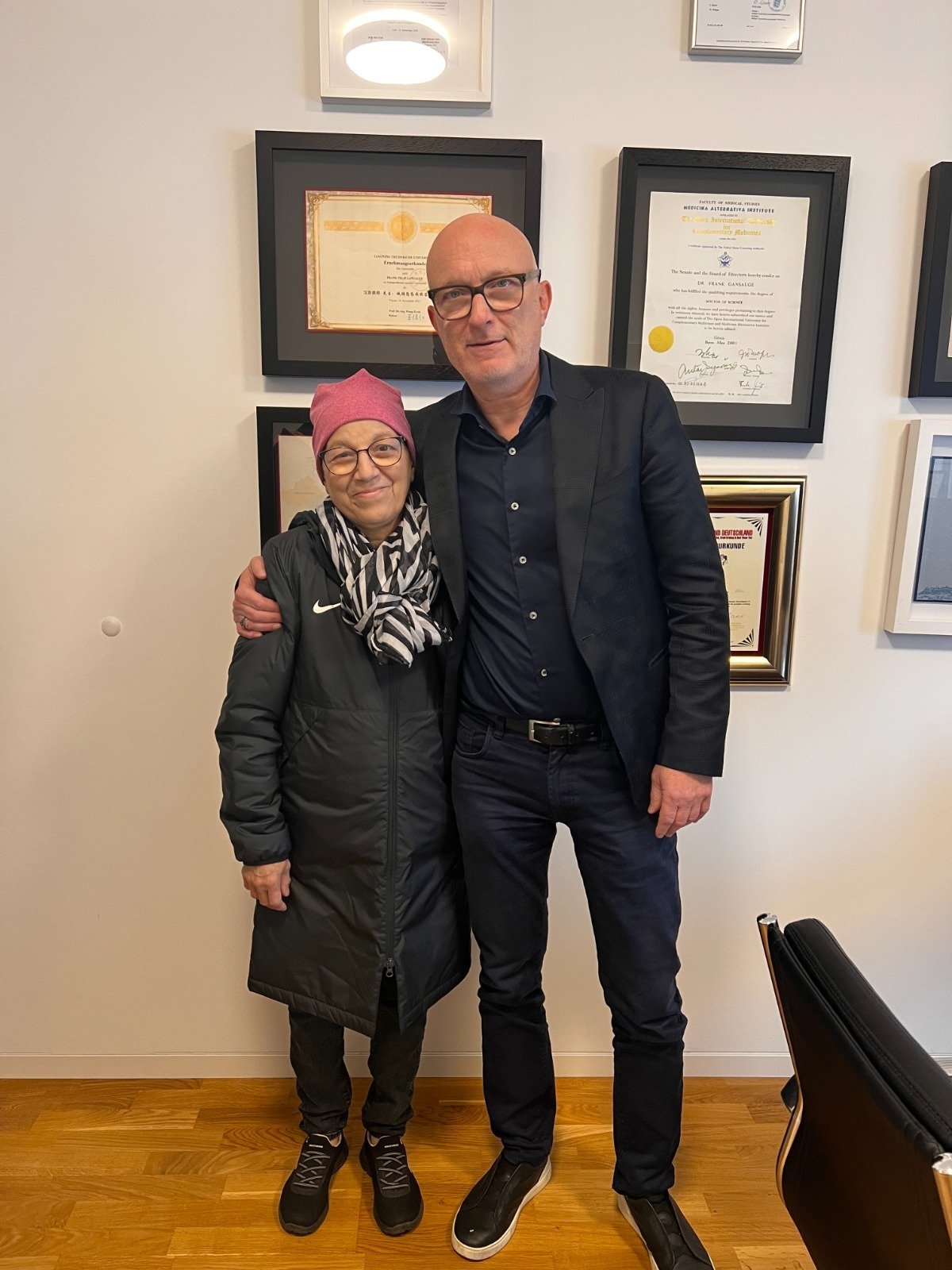
Germany is home to several internationally recognized specialized oncology centers delivering Cancer immunotherapy by dendritic cells Germany for decades. Prof. Gansauge of LDG Laboratories in Berg is among the most prominent figures in the field globally, with an extensive record of treating international patients across a wide range of tumor types.

Each German center has distinct clinical strengths. Matching a patient to the right facility requires knowledge of their specific diagnosis, treatment history, and immune profile, not simply a list of institutions. We perform this matching function, ensuring international patients are directed to the clinician and protocol most appropriate for their individual case.


Why Patients Worldwide Choose TIG GmbH (Treatment in Germany)

Treatment in Germany is an officially registered patient coordination platform in Germany connecting international cancer patients with certified hospitals and leading specialists Germany. With partnerships spanning more than 2,000 clinics, TIG ensures access to advanced treatments including dendritic cells therapy for cancer in Germany, backed by a fully transparent, patient-centered service that removes every logistical barrier between a patient and their treatment.


What TIG GmbH Offers International Patients

  • Quick Service Performance: Fast, efficient service without unnecessary delays.

  • Fast Appointment Arrangements: Priority scheduling with leading oncology specialists.

  • Customized Medical Program: Treatment plans built around your specific diagnosis, stage, and history.

  • Visa Support: Comprehensive guidance through the entire visa application process.

  • Direct Hospital Payments: Full financial transparency with payments made directly at the hospital.

  • Choice of Doctors: Access to verified specialists across Germany's leading oncology centers.

  • Follow-Up Support: Ongoing coordination and medical support after you return home.

  • Fixed Program Cost: Clear, confirmed pricing before travel commences.

  • Transparent Invoicing: No hidden costs, no surprises.

  • Multilingual Support: Coordinator and interpreter assistance in your language throughout.

Your Treatment Journey with TIG: Step by Step

From submitting your medical reports for initial review, through report translation, specialist evaluation, and eligibility confirmation, to personalized treatment planning, travel coordination, interpreter support on-site, and 24-month post-treatment follow-up, every step of the process is managed by a dedicated TIG coordinator. Patients receive a single point of contact from the day they reach out to the day they complete their final follow-up, with transparent billing and refund assurance at every stage.

To begin your journey with dendritic cell therapy through, contact our team directly. Submit your medical reports for a free case review, and a dedicated coordinator will respond within 24 hours with a clear, tailored plan for your situation.

References

  1. Bray F, Laversanne M, Sung H, et al. Global cancer statistics 2022: GLOBOCAN estimates of incidence and mortality worldwide for 36 cancers in 185 countries. CA Cancer J Clin. 2024 May-Jun;74(3):229-263. doi: 10.3322/caac.21834 

  2. Siegel RL, Kratzer TB, Wagle NS, et al. Cancer statistics, 2026. CA Cancer J Clin. 2026;76(1):e70043. doi: 10.3322/caac.70043

  3. Volchenkov R, Sprater F, Vogelsang P, Appel S. The 2011 Nobel Prize in physiology or medicine. Scand J Immunol. 2012 Jan;75(1):1-4. doi: 10.1111/j.1365-3083.2011.02663.x

  4. Song MS, Nam JH, Noh KE, Lim DS. Dendritic Cell-Based Immunotherapy: The Importance of Dendritic Cell Migration. J Immunol Res. 2024 Apr 8;2024:7827246. doi: 10.1155/2024/7827246

  5. Ingels J, De Cock L, Stevens D, et al. Neoantigen-targeted dendritic cell vaccination in lung cancer patients induces long-lived T cells exhibiting the full differentiation spectrum. Cell Rep Med. 2024 May 21;5(5):101516. doi: 10.1016/j.xcrm.2024.101516

  6. Khanmiri JM, Khani-Eshratabadi M, Seyedmoharram F, et al. Innovative combinatory approaches with dendritic cell-based vaccines: bridging preclinical insights and clinical challenges. Clin Exp Med. 2026 Feb 14;26(1):154. doi: 10.1007/s10238-026-02056-z

  7. Kyr M, Mudry P, Polaskova K, et al. Personalized dendritic cell vaccine in multimodal individualized combination therapy improves survival in high-risk pediatric cancer patients. Int J Cancer. 2024;155(8):1443-1454. doi: 10.1002/ijc.35062

  8. Kamigaki T, Takimoto R, Okada S, et al. Personalized Dendritic-cell-based Vaccines Targeting Cancer Neoantigens. Anticancer Res. 2024 Sep;44(9):3713-3724. doi: 10.21873/anticanres.17196

  9. Xie Z, Fang Y, Zhang X, et al. The emerging role of dendritic cells in the tumor microenvironment: from antigen presentation to targeted immunotherapy. Cell Death Dis. 2025;16:900. doi: 10.1038/s41419-025-08180-0


🌍Why Patients Worldwide Prefer Our Medical Services in Germany – Key Benefits Explained:


Conclusion

Dendritic cell therapy represents a revolutionary approach to treating cancer, autoimmune diseases, and other chronic conditions. Germany, with its advanced medical infrastructure and expert healthcare professionals, offers unparalleled opportunities for patients seeking innovative treatments. Guided by specialists like Prof. Frank Gansauge, patients can benefit from personalized care, cutting-edge therapies, and comprehensive support, making Germany a global leader in dendritic cell therapy.

For individuals looking to explore advanced treatment options, Germany stands out as a beacon of hope, offering world-class care and groundbreaking medical solutions.


Frequently Asked Questions

What does dendritic define in cancer treatment?

The word dendritic define refers to the branching, tree-like shape of specialized immune cells that train the body to fight cancer. Dendritic cells capture tumor signals and instruct T-cells to attack malignant cells with precision. They form the biological foundation of dendritic cell immunotherapy used at leading oncology centers in Germany.

What is cancer immunotherapy Germany?

Cancer immunotherapy Germany refers to advanced immune-based cancer treatments delivered under strict GMP-regulated clinical conditions, including dendritic cell vaccines (DC vaccines) and combination protocols. Germany is recognized globally for offering this therapy with the highest manufacturing standards, experienced oncology teams, and personalized treatment planning. It is one of the top destinations for patients from the USA, UK, and other European countries seeking alternatives to conventional treatment.

Is dendritic cell therapy in Germany suitable for Stage 4 cancer?

Yes, DCT cancer treatment is regularly offered to Stage 4 patients at specialized oncology centers in Germany, even after conventional cancer treatments have been exhausted. Eligibility is confirmed through a case-by-case review by a multidisciplinary team of experts based on immune function and cancer type.

How much does dendritic cell therapy treatment cost in Germany?

The cost of dendritic cell therapy in Germany is approximately €27,000, covering diagnostics, vaccine production, injection sessions, and monitoring. The cost of immunotherapy in Germany is significantly lower than comparable programs in the USA. Patients coordinating through TIG GmbH (Treatment in Germany) receive a fixed, transparent price estimate before committing to travel.

What are the side effects of dendritic cell therapy?

Dendritic cell treatment carries a very mild side effect profile, typically limited to low-grade fever, brief fatigue, and slight redness at the injection site, resolving within 24 to 48 hours.

Can dendritic cell therapy in Germany be combined with chemotherapy?

Yes, dendritic cell therapy does not interfere with other therapies and integrates safely with chemotherapy, radiotherapy, targeted therapies and checkpoint inhibitors. Combination protocols often produce the strongest outcomes, as certain agents reduce tumor-driven immunosuppression, allowing Cancer treatment with DC to work more effectively.

Which cancers can be treated with dendritic cell therapy in Germany?

Dendritic cells therapy for cancer in Germany has been applied to breast, lung, prostate, pancreatic, ovarian, colorectal, kidney, melanoma, glioblastoma, and cervical cancers, among others. Even non-immunogenic tumors can often be made responsive through combination strategies that prime the immune environment before vaccination. Treatment eligibility is assessed individually based on tumor biology, immune profile, and prior treatment history.

Where are dendritic cells typically found in the body?

Where are dendritic cells typically found is answered simply: they circulate in the bloodstream and reside in peripheral tissues including the skin, lungs, gastrointestinal lining, and lymph nodes. In Cancer immunotherapy Germany, monocytes are isolated from the patient's blood and matured into dendritic cells inside a GMP-certified laboratory before being loaded with tumor antigens. The result is a highly personalized vaccine that is biologically compatible with the patient's own immune system.

How do international patients start dendritic cell therapy in Germany?

International patients begin by submitting their medical reports for a free case review through Treatment in Germany, which connects patients with more than 2,000 certified German clinics. The team confirms eligibility, assigns a specialist, and prepares a personalized plan with transparent pricing before any travel commitment is made.

Send us an inquiry and we will get back to when you want!

Get Free Consultation

Kindly complete the form below, and our dedicated team will reach out to you promptly. We look forward to connecting with you soon!

You agree to our Terms and condition and policies

Address:

Trierer Straße, 56072 Koblenz, Germany

Follow Us:
Treatment Request

Send Request

You agree to our Terms and Policies.

Motivator

Our benefits:

  • Get free consultation with specialists
  • Free evaluation of medical reports & second opinion
  • Free fast-track treatment access
  • Flexible rescheduling and backup options
  • Clear, upfront pricing
  • 24/7 emergency support
  • Get a reply from our team within 1 hour
Zoomed Image