
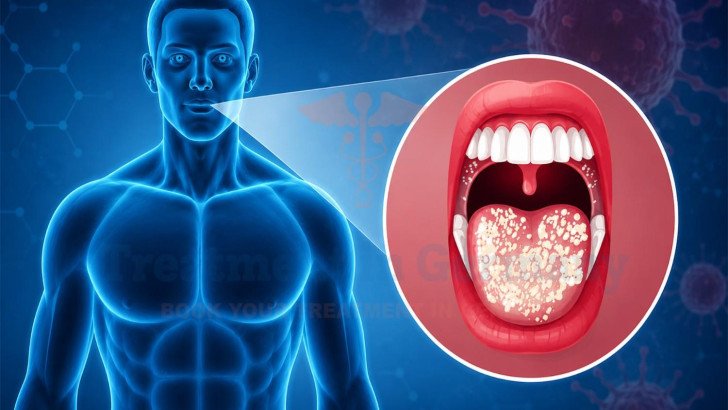
Oral cancer (mouth cancer) affects the tissues in your mouth and throat. Left untreated, oral cancer can be life-threatening.
Advanced Mouth Cancer Treatment in Germany
For international patients searching for advanced treatment of oral cancer in Germany, the country has become a leading global destination for personalized care, integrated multidisciplinary expertise, and access to certain advanced and adjunct therapies that may not be widely available in all healthcare systems. Mouth cancer treatment Germany combines surgical precision, radiation oncology, modern systemic therapy, and emerging cellular immunotherapy used in selected cases within a coordinated multidisciplinary framework. Depending on whether the cancer involves the tongue, lip, jaw, palate, or floor of the mouth, specialist clinics in Germany typically tailor treatment to the individual, aiming to preserve function and quality of life while optimizing clinical outcomes.
Globally, oral cancer represents a significant public health burden. Over 377,000 new cases and 177,000 deaths from oral cavity cancers were reported worldwide in 2020, with higher incidence in regions such as South and Southeast Asia, Eastern Europe, and parts of South America [1]. Latest US projections estimate more than 59,000 new cases of oral cavity and pharynx cancers in 2026 [2]. For patients facing diagnosed with oral cancer, selecting an appropriate treatment centre is an important factor in care.
International patients can access Germany's leading oral oncology specialists through TIG GmbH (Treatment in Germany). Submit your medical reports for a free case review and a coordinator will respond within 24 hours.
Understanding Oral Cancer: Types and Why Early Detection Matters

Oral cancer is a broad term covering malignancies of the lip, tongue, gums, palate, floor of the mouth, and inner cheeks. More than 90% of cases are classified as oral squamous cell carcinoma, arising from the epithelial cells lining the oral mucosa [3]. Less common forms include oral melanoma, salivary gland tumours, and rare sarcomas of the jaw cancer type, particularly those of the lateral border, may demonstrate aggressive behavior and can metastasize early due to a rich lymphatic network [4].
Different anatomical sites and tumor subtypes may vary in presentation and management
Lip cancer: Commonly associated with chronic ultraviolet (UV) exposure and tobacco use, including pipe or cigar smoking
Tongue cancer: Frequently affects the lateral border, often presenting as a non-healing ulcer
Floor of mouth cancer: Common in long-term alcohol and tobacco users
Palatal lesions: May present as masses or ulcers on the hard or soft palate and can represent oral squamous cell carcinoma
Jaw cancer: May include cancerous bone tumors or cancers invading the mandible or maxilla from adjacent sites
HPV-related oropharyngeal cancer: Increasingly common,particularly tumors of the
base of the tongue and tonsillar region in younger patients [3]
A significant proportion of oral cancer casesmay be preventable if risk factors are avoided and precancerous lesions are detected early, which is why regular dental checkups and prompt consultation about persistent oral symptoms remain so important.
What Are the First Signs of Oral Cancer?
Symptoms of oral cancer are often subtle in the early stages and easy to dismiss as everyday irritation. Many patients only seek medical advice once the lesion becomes symptomatic (e.g., painful, bleeding, or enlarging) or visibly noticeable. The most common first signs of mouth cancer that should not be ignored include:
A persistent ulcer, sore, or red or white patch in the mouth lasting more than three weeks
A lump, mouth tumor, or thickening anywhere in the oral cavity
Difficulty chewing, swallowing, or moving the tongue normally
A persistent sore throat, hoarseness, or change in voice quality particularly if involving the oropharynx or adjacent structures
Numbness or or altered sensation (paresthesia) in the mouth, lips, or jaw
Loose teeth or poorly fitting dentures without an identifiable dental or periodontal cause
A persistent neck lump, which may regional lymph node involvement (metastasis)
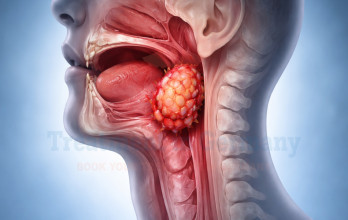
Clinical features of oral cancer vary depending on the tumour’s location, size, and stage at presentation. If you have been searching online for what does mouth cancer look like or what does tongue cancer look like,the approach is to seek prompt evaluation by a qualified healthcare professional, such as a dentist, oral and maxillofacial surgeon, or oncologist. Early evaluation by a specialist team in Germany typically combines clinical examination with biopsy and imaging within just a few days.
Causes and Risk Factors of Oral Cancer
Understanding what is the reason for mouth cancer helps patients and families recognize their own risk profile [3]. The most well-established risk factors include:
Tobacco use in any form, including smoking, chewing, and snuff
Heavy alcohol consumption, especially when combined with tobacco
High-risk HPV strains, particularly HPV-16, particularly HPV-16, are strongly associated with oropharyngeal cancers and less commonly with oral cavity cancers
Prolonged sun exposure, a major cause of lip cancer
Betel quid and areca nut chewing, common in South and Southeast Asia
Poor oral hygiene and chronic mucosal irritation (e.g., from sharp teeth or ill-fitting dentures)
A diet low in fruits and vegetables, immunosuppression (e.g., due to medical conditions or therapies), and a history of prior head and neck cancer
How Oral Cancer Is Diagnosed in Germany
The diagnosis for oral cancer in Germany begins with a thorough clinical examination by a dentist, oral and maxillofacial surgeon, or head and neck specialist, followed by biopsy for definitive diagnosis, with imaging studies used to determine the extent (stage) of disease. [3]. The standard workup typically includes:
Detailed visual and palpation examination of the oral cavity, neck, and lymph nodes
Tissue biopsy with histopathological analysis to confirm oral cell squamous carcinoma or other subtypes
HPV testing where oropharyngeal involvement is suspected
MRI for detailed assessment of soft-tissue extent of the primary tumor
CT scan of the head, neck with chest imaging (CT or X-ray) to assess for pulmonary metastases
PET-CT in selected cases to evaluate regional and distant metastases or an unknown primary tumor
Comprehensive examination of the upper aerodigestive tract, often including endoscopy (panendoscopy) under anesthesia when indicated
Standard Treatment Options for Oral Cancer in Germany
Oral cancer treatments in Germany are delivered by integrated multidisciplinary teams including surgical oncologists, radiation oncologists, medical oncologists, and reconstructive surgeons. Treatment is tailored to tumour stage, location, HPV status, and overall health. The main options include:
Surgery: Cornerstone of curative treatment, including partial or total glossectomy, mandibulectomy, neck dissection, and free-flap reconstruction to preserve speech and swallowing [5]
Radiation Therapy (IMRT): Modern intensity-modulated radiotherapy delivers precise doses while sparing healthy tissue, used as primary, postoperative, or combined treatment
Chemotherapy: Cisplatin-based regimens with cetuximab or 5-fluorouracil, used as concurrent chemoradiation in locally advanced disease [4]
Targeted Therapy: Cetuximab targets the epidermal growth factor receptor (EGFR) and may be used in patients who are not suitable for cisplatin-based chemotherapy or in specific clinical scenarios
Immune Checkpoint Inhibitors: Pembrolizumab and Nivolumab are used for recurrent or metastatic head and neck squamous cell carcinoma, including oral cavity cancers, particularly in advanced or treatment-resistant cases [5]
Table 1: Standard Treatment Options for Oral Cancer in Germany

Advanced and Innovative Therapies Available in Germany
Beyond standard care, Germany offers access to advanced therapies that few other countries combine within a single regulated framework. These approaches do not promise a cure, but they can support disease control, immune response, and quality of life in patients with advanced or recurrent disease.
Dendritic Cell Therapy for mouth Cancer treatment in Germany

Dendritic cell therapy is a personalized cellular immunotherapy approach designed to stimulate the patient’s immune system to recognize and target cancer cells in the oral cavity Peripheral blood monocytes are collected (typically via leukapheresis) and differentiated into dendritic cells GMP-certified laboratory, and loaded with tumor-associated antigens, which may be derived from the patient’s tumor tissue or selected antigen sources, The resulting dendritic cell vaccine is administered to the patient to activate tumor-specific cytotoxic T lymphocyte (CTL) responses [6].
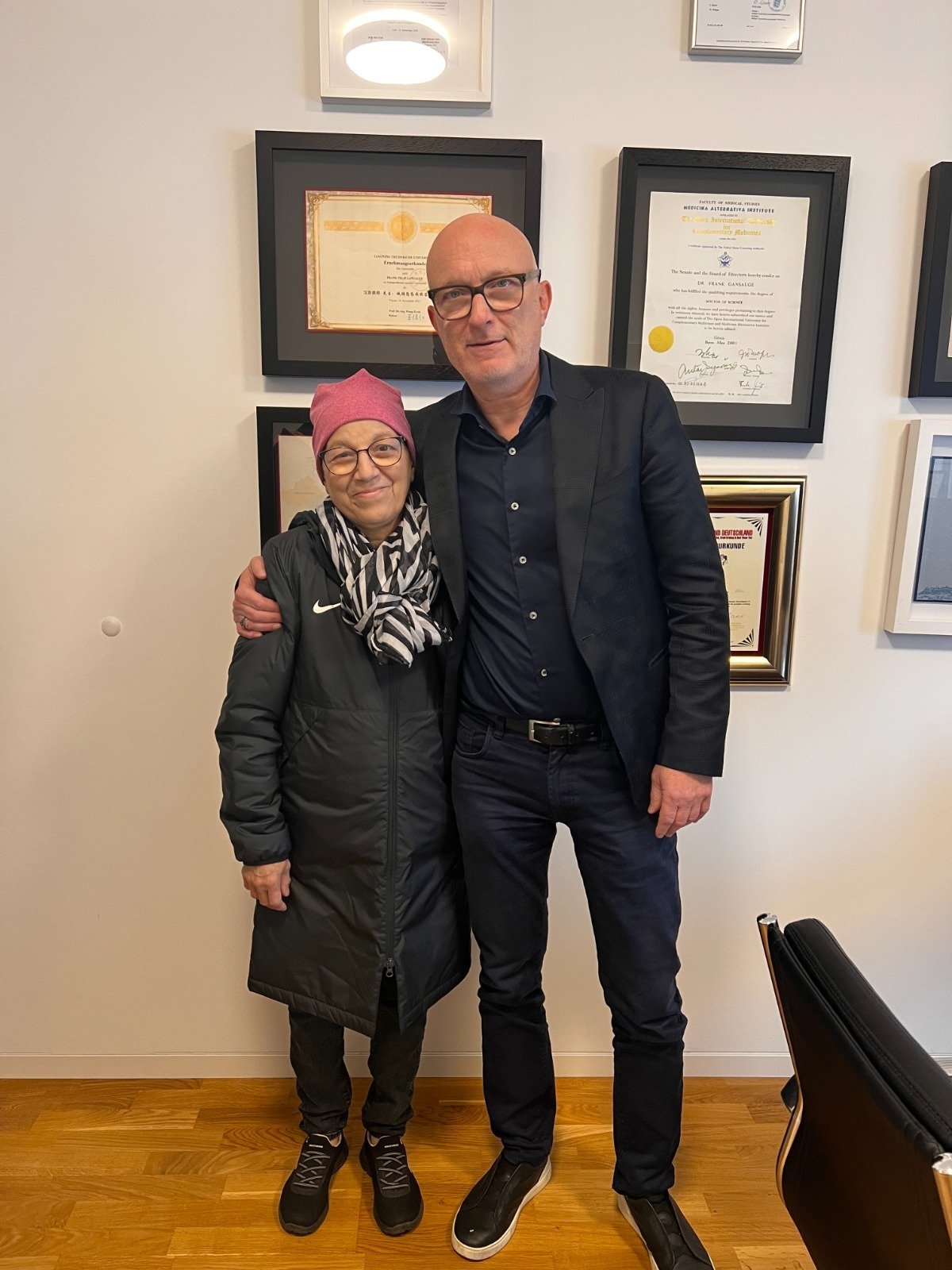
The cost of dendritic cell therapy in Germany is approximately €27,000 for an initial treatment course, delivered by specialists such as Prof. Gansauge at LDG Laboratories. Key advantages for oral cancer patients include:
Built entirely from the patient's own immune cells
Does not interfere with ongoing radiotherapy, chemotherapy, or checkpoint inhibitors
Mild, self-limiting side effects in most patients
Suitable for advanced jaw cancer, recurrent tongue cancer, and metastatic head and neck cases
Dendritic cell therapy is not currently standard of care and is typically used in selected or investigational settings.
To find out which combination of standard and advanced therapies could fit your case, get in touch with TIG GmbH (Treatment in Germany) for a free specialist evaluation today.
Why International Patients Choose Germany for Mouth Cancer Treatment
The hospitals for treatment of mouth cancer in Germany are widely respected for their expertise, ethical standards, and integration of standard care with innovative therapies. Patients travelling for mouth cancer treatment Germany consistently highlight several advantages:
Named specialists including Prof. Gansauge for dendritic cell therapy
GMP-certified laboratories and strict regulatory oversight by the Paul-Ehrlich-Institut
Multidisciplinary teams combining surgery, radiotherapy, oncology, and reconstruction
Fast access to specialist consultation within 24 to 48 hours of report submission
Fixed transparent pricing with no hidden costs
Full coordination from arrival to 24-month post-treatment follow-up
Table 2: Sample Cost Overview for Mouth Cancer Treatment in Germany

The cost for treatment of oral cancer in Germany is generally significantly lower than other countries, while quality of clinical outcomes remains internationally competitive.
How TIG GmbH Supports International Mouth Cancer Patients
TIG GmbH (Treatment in Germany) handles every step of the international treatment journey so patients can focus on their recovery rather than logistics. Services include:
Free specialist review of your medical records and prior treatment history
Matching to the right oral oncology team based on diagnosis and stage
Visa and flight support
On-site interpreter services and full report translation for your home oncologist
Fixed-price billing with direct hospital payment
Post-treatment coordination for 24 months after your return home
Begin your treatment journey today by submitting your reports through TIG GmbH (Treatment in Germany) and receiving a free, personalized response within 24 hours.
References
Why Patients Worldwide Prefer Our Medical Services in Germany – Key Benefits Explained





























.webp)
 (1).webp)
.webp)
.jpg)

 (1).webp)
.jpg)