

Early signs of cervical problems include abnormal bleeding and pelvic pain. Learn when to seek medical care and why many international patients choose advanced cervical treatment options in Germany.
What Are the Early Signs of Cervical Problems?
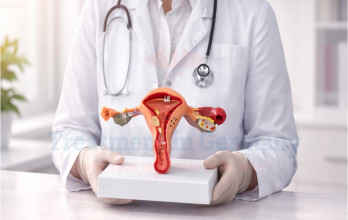
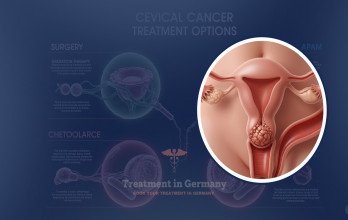
Cervical problems refer to medical conditions that affect the cervix, which is the lower part of the uterus connecting it to the vagina. The cervix plays a critical role in reproductive health, menstrual flow, and childbirth. Changes in cervical cells can range from mild inflammation and infections to pre-cancerous abnormalities and cervical cancer.
According to guidance referenced by the British Cancer Society, many cervical conditions develop gradually and may not cause noticeable symptoms in the early stages. This makes awareness of early signs extremely important. Recognizing subtle symptoms can lead to early diagnosis, timely treatment, and better long-term health outcomes.
Why Awareness of Early Signs of Cervical Problems Matters
Early-stage cervical abnormalities are often highly manageable when detected promptly. However, many women delay medical evaluation because symptoms may seem mild or intermittent. Understanding early signs empowers patients to seek evaluation before conditions progress.
Healthcare systems offering cancer treatment in Germany emphasize preventive care, early diagnosis, and structured screening programs. This approach reflects the understanding that early identification of cervical problems significantly improves treatment planning and patient experience.
How Cervical Problems Develop Over Time
Most cervical problems begin at the cellular level. Abnormal changes may occur due to persistent infection, inflammation, hormonal imbalance, or immune system factors. Over time, these changes can progress if not monitored or treated.
In early stages, abnormal cervical cells may remain confined to the surface of the cervix. Without intervention, some conditions may advance deeper into cervical tissue. This gradual progression explains why early signs may be subtle yet clinically important.
Common Early Signs of Cervical Problems
Early signs of cervical problems can vary widely. Some women experience noticeable symptoms, while others may have none at all. This variability highlights the importance of routine gynecological examinations even in the absence of symptoms.
Common early warning signs include abnormal vaginal bleeding, pelvic discomfort, changes in vaginal discharge, pain during intercourse, and irregular menstrual cycles. These signs do not automatically indicate cancer but should always be evaluated by a healthcare professional.
Abnormal Vaginal Bleeding and Cervical Problems
Abnormal vaginal bleeding is one of the most frequently reported early signs of cervical problems. This may include bleeding between periods, bleeding after sexual intercourse, or bleeding after menopause. Such bleeding can result from inflammation, infection, or abnormal cervical cell changes. Persistent or unexplained bleeding warrants prompt gynecological assessment to rule out serious conditions.
Pelvic Pain as an Indicator of Cervical Problems
Pelvic pain or pressure may be an early sign of cervical problems, particularly when it occurs without a clear cause. Pain may be mild or persistent and may worsen during physical activity or intimacy. Pelvic discomfort should not be dismissed, especially when accompanied by other symptoms such as abnormal bleeding or discharge. Early evaluation can help identify underlying causes and guide appropriate management.
Changes in Vaginal Discharge and Cervical Problems
Alterations in vaginal discharge may signal cervical problems. Discharge that is unusually heavy, foul-smelling, watery, or tinged with blood may indicate infection, inflammation, or abnormal cell activity. While changes in discharge can have many benign causes, persistent or unusual discharge should prompt medical evaluation to ensure cervical health.
Pain during Intercourse and Cervical Problems
Pain during sexual intercourse can be an early sign of cervical problems, particularly when the cervix becomes inflamed or sensitive. This symptom is sometimes overlooked but may provide an important early warning. Discussing discomfort openly with a healthcare provider helps ensure that underlying cervical conditions are identified and addressed appropriately.
Risk Factors That Increase the Likelihood of Cervical Problems
Several factors may increase the risk of developing cervical problems. These include persistent infections, immune system suppression, hormonal changes, smoking history, and lack of regular cervical screening. Awareness of risk factors helps patients and doctors assess the need for closer monitoring and early diagnostic evaluation.
Diagnostic Evaluation of Cervical Problems
Diagnosis of cervical problems typically involves a pelvic examination, Pap test, HPV testing, and sometimes colposcopy or biopsy. These diagnostic tools help identify abnormal cervical cells and determine whether further intervention is needed.
Centers providing treatment in Germany follow diagnostic protocols aligned with the British Cancer Society, ensuring accuracy and early detection. Advanced imaging and laboratory facilities support precise diagnosis and personalized treatment planning.
Why Patients with Cervical Problems Seek Treatment in Germany
Germany is internationally recognized for its advanced gynecological oncology services, strict regulatory standards, and multidisciplinary care. Patients seeking treatment in Germany benefit from precise diagnostics, transparent communication, and evidence-based treatment pathways. Many international patients choose cancer treatment in Germany to consult specialists regarded among the best oncologist in Germany, particularly for complex or advanced cervical conditions.
Role of Advanced Therapies in Managing Cervical Problems in Germany
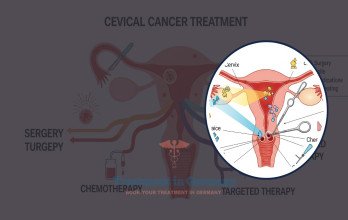
While many cervical problems are managed conservatively, some cases require advanced therapies. These options are considered only after careful medical evaluation and are tailored to individual patient needs.
Targeted Embolization Treatment for Cervical cancer in Germany
Targeted Embolization Treatment for cervical cancer in Germany is an interventional procedure designed to reduce blood supply to abnormal tissue. Its purpose is to help control disease activity while preserving surrounding healthy structures.
Targeted Embolization Treatment in Germany may be considered when localized disease control is required. The procedure is performed by Prof. Vogl in Frankfurt, Germany. The cost of Targeted Embolization Treatment in Germany typically ranges from €8,000 to €9,000 per session, depending on clinical requirements.
Dr. Thomas J. Vogl has authored over a hundred scientific publications in renowned medical and research journals.
Immunotherapy Dendritic Cell Therapy for Cervical cancer in Germany
Immunotherapy Dendritic Cell Therapy for cervical cancer in Germany is a personalized immune-based approach that supports the body’s ability to recognize abnormal cells. Its purpose is to strengthen immune surveillance rather than directly remove tissue.
This therapy involves preparing immune cells in an EU GMP certified laboratory to create a personalized dendritic cell vaccine. In Germany, Immunotherapy Dendritic Cell Therapy in Germany is performed by Prof. Gansauge in Berg, Germany. The cost of Dendritic Cell Therapy in Germany is €24,000, including laboratory processing.
Prof. Gansauge has authored over a hundred scientific publications in renowned medical and research journals.
Access to New Clinical Trials for Cervical Cancer in Germany
Germany actively participates in research and offers access to new clinical trials for cervical cancer. These trials explore innovative diagnostic tools and treatment strategies under strict ethical and medical oversight. Eligibility for new clinical trials depends on diagnosis, disease characteristics, and patient health status.
How TIG, Treatment in Germany Supports International Patients
For international patients, arranging treatment abroad can feel overwhelming. TIG, Treatment in Germany, at www.treatmentingermany.de, provides end-to-end assistance.
TIG at www.treatmentingermany.de, manages complete logistical arrangements for international patients, including a medical visa assistance if required. This allows patients to focus fully on their health and recovery.
Why Germany Is a Trusted Destination for Cervical Care
Germany’s emphasis on patient safety, early diagnosis, and individualized cancer makes it a trusted destination for managing cervical problems. With guidance from TIG, Treatment in Germany at www.treatmentingermany.de , international patients receive structured, reliable support throughout their treatment journey.
🌍Why Patients Worldwide Prefer Our Medical Services in Germany – Key Benefits Explained:


Frequently Asked Questions
What are the early signs of cervical problems?
Early signs include abnormal bleeding, pelvic pain, and unusual discharge.
Are early cervical symptoms always serious?
No, but persistent symptoms require evaluation.
Can cervical problems be treated early?
Yes, early detection allows effective management.
What is dendritic cell therapy and how is it used in cervical cancer?
It is a form of immunotherapy that activates the patient’s immune system to recognize and destroy cancer cells using personalized vaccines.
Is embolization therapy painful or invasive?
No, it’s minimally invasive with a short recovery period and is typically performed under local anesthesia.
Can immunotherapy and embolization be used together?
Yes, combining both therapies can enhance tumor control and improve overall response.
Is Germany a good choice for cervical cancer treatment?
Absolutely. Germany provides advanced diagnostics, therapies, and full support for international patients through TIG.
Is Dendritic Cell Immunotherapy approved by FDA?
Dendritic Cell Immunotherapy is not FDA-approved in USA but follows EU-GMP standards for safety and effectiveness in Germany.
Are there clinical trials for cervical cancer patients in Germany?
Yes, several new clinical trials for cervical cancer in Germany are open to eligible patients.
Can I receive support with travel and logistics in Germany?
Yes, TIG (Treatment in Germany) at www.treatmentingermany.de assists with complete logistical arrangements, including a medical visa if required.
















.webp)
 (1).webp)

.webp)


.jpg)

 (1).webp)


.jpg)