

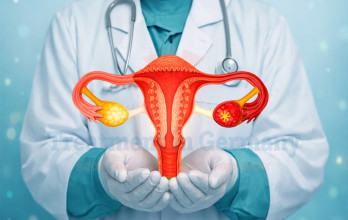
Cervical cancer is cancer that begins on the surface of your cervix. It happens when the cells on your cervix start to change to precancerous cells.
Advanced Cervical Cancer Treatment in Germany
Cervical cancer remains one of the most significant women's health challenges worldwide. According to global cancer statistics, it ranks as the fourth most common cancer in women globally, with approximately 570,000 new cases and over 310,000 deaths recorded annually. [1] The majority of cases occur in low- and middle-income regions where access to cervical cancer screening and early treatment remains limited. However, even in countries with well-established healthcare systems, women diagnosed with advanced disease face a difficult and uncertain path.
For many patients with advanced cervical cancer, standard local treatment options may eventually become limited or ineffective. Increasingly, patients are turning to Germany for access to specialized oncological care and newer treatment approaches. Increasingly, patients are turning to Germany for access to innovative cervical cancer treatments that combine scientific precision with clinical experience.
Germany has established itself as a leading destination for advanced cervical cancer treatment, offering internationally recognized specialists, advanced interventional oncology, and access to therapies such as immunotherapy, targeted embolization treatment, and dendritic cell therapy. The hospitals in Germany for cervical cancer operate within structured multidisciplinary frameworks, ensuring every patient receives a personalized, evidence-based care plan.
If you or a loved one is exploring cervical cancer treatment in Germany, TIG GmbH is here to guide you through every step of the process, from obtaining a medical visa to coordinating with the right specialists at the right institutions.
What Is Cervical Cancer?
What is cervical cancer? It is a malignancy that develops in the cells of the cervix, the lower part of the uterus that connects to the vagina. The vast majority of cases are caused by persistent infection with high-risk human papillomavirus (HPV) types, particularly HPV-16 and HPV-18., making HPV cervical cancer the most common form of the disease. There are two main histological subtypes: squamous cell carcinoma, which accounts for roughly 70% of all cases, and cervical adenocarcinoma, which arises from the glandular cells of the cervical canal and is increasing in relative incidence.

Understanding what causes cervical cancer is essential for both prevention and treatment planning. Key risk factors include:
- HPV cervical cancer: Persistent infection with high-risk HPV strains 16 and 18 is responsible for the majority of cases
- Multiple sexual partners and early sexual activity increase the likelihood of HPV exposure
- Smoking, which weakens local cervical immune defenses
- Long-term use of oral contraceptives
- Immunosuppression, including HIV infection
- Lack of access to regular cervical cancer screening programs
Symptoms of Cervical Cancer
Early-stage cervical cancer often produces no noticeable symptoms, which is why routine cervical cancer screening is so critical for early detection. As the disease progresses, symptoms of cervical cancer and symptoms of ca cervix become more apparent and can include:
- Abnormal vaginal bleeding, especially after intercourse, between periods, or after menopause.
- Unusual vaginal discharge that may be watery, pink, or foul-smelling.
- Pelvic pain or pain during sexual intercourse.
- Persistent lower back or pelvic pain, which may occur with locally advanced disease involving surrounding tissues or nerves.
- Urinary symptoms such as difficulty urinating or hematuria in advanced disease involving the bladder or ureters.
- Swelling in the legs due to lymph node involvement.
Many of these symptoms are shared with non-cancerous conditions, which can delay diagnosis. Any persistent or unusual pelvic symptoms should prompt medical evaluation to determine the underlying cause, including possible cervical cancer diagnosis.
Diagnosis and Staging
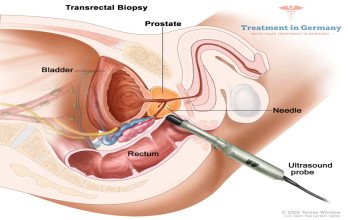
Cervical cancer diagnosis begins with a pelvic examination and cervical smear (Pap test), often followed by colposcopy and biopsy to confirm the presence of malignant cells. Advanced imaging, including MRI, CT scan, and PET scan, is used to determine the extent of local invasion and identify any spread to lymph nodes or distant organs. Cervical cancer staging follows the FIGO classification system, which is universally accepted and guides treatment planning.
A central question for patients is cervical cancer curable. For early-stage disease, the answer is often yes cure is often possible with appropriate treatment. For advanced or metastatic disease, the focus shifts toward disease control and quality of life. Understanding cervical cancer stages is therefore fundamental to setting realistic expectations and choosing the right treatment strategy.
Stages of Cervical Cancer and Prognosis
The following table outlines the general cervical cancer stages and associated prognosis. Survival figures are population-level estimates and vary based on tumor biology, treatment access, and individual patient factors. [8]

Stage 4 cervical cancer has the poorest prognosis, with 5-year survival around 15–16% at the population level.. However, access to advanced cervical cancer treatments in Europe, particularly through Germany's leading oncology centers, has provided meaningful improvement in outcomes for selected patients through novel systemic and interventional approaches. [2]
Treatment Options for Advanced Cervical Cancer in Germany
Germany is recognized globally for its structured, multidisciplinary approach to oncological care. For patients requiring advanced cervical cancer treatment in Germany, treatment is determined through tumor board review, combining input from gynecological oncologists, radiation oncologists, interventional radiologists, and immunotherapy specialists.
The recognized treatment for cervical cancer modalities available in Germany include:
- Cervical cancer surgery: Radical hysterectomy or pelvic exenteration for selected resectable cases
- Concurrent chemoradiotherapy as the standard approach for locally advanced disease
- Stage 4 cervical cancer treatment options including systemic chemotherapy and targeted agents such as bevacizumab
- Cervical cancer immunotherapy using PD-1/PD-L1 checkpoint inhibitors
- Targeted embolization treatment for cervical cancer : Embolization procedures used in selected cases for control of severe tumor-related bleeding or palliative symptom management
- Dendritic cell therapy as part of advanced immunological treatment protocols
The decision on which treatment or combination to pursue depends on the FIGO stage, performance status, prior treatment history, and molecular tumor characteristics. Treatment recommendations are generally aligned with international guidelines such as those from ESMO and FIGO. TIG GmbH works alongside cervical cancer specialists in Germany to help international patients navigate these complex decisions with clarity and confidence.
Targeted Embolization Treatment for Advanced Cervical Cancer in Germany
Targeted embolization treatment for cervical cancer is a minimally invasive interventional oncology procedure in which blood vessels supplying the tumor are deliberately blocked, cutting off the cancer's nutrient and oxygen supply. This technique can be used both to control life-threatening hemorrhage and to reduce tumor bulk in patients who are not candidates for surgery. Embolization treatment for cervical cancer : Embolization is an interventional radiology procedure that blocks blood flow to selected vessels and is primarily used in cervical cancer for control of severe bleeding. [7]

A retrospective study examining pelvic artery embolization in patients with locally advanced cervical cancer found that it was effective in controlling vaginal bleeding in patients who had not responded to conventional management, with a clinically meaningful rate of hemorrhage control. [6] This approach is particularly valuable for patients with advanced pelvic disease where bleeding represents a significant clinical burden and quality-of-life concern.
Interventional oncology, which encompasses ablation and embolization treatment for cervical cancer, is increasingly recognized as an important pillar of comprehensive cancer care, complementing systemic therapies and improving local disease control in selected patients Interventional radiology techniques are also used as adjuncts in selected palliative situations alongside systemic and radiation therapies[7]
The cost of targeted embolization treatment in Germany typically ranges between €8,000 and €9,000 per session, delivered by specialists such as Prof. Vogl, an expert in embolization therapies.TIG GmbH assists patients in scheduling consultations with such specialists and coordinating multi-session treatment logistics for targeted embolization treatment in Germany.
Immunotherapy for Advanced Cervical Cancer in Germany
Immunotherapy for cervical cancer has transformed the treatment landscape for recurrent and metastatic disease. Because cervical cancer is caused by HPV in the majority of cases, it is considered an immunogenic tumor type, meaning it may respond well to immune system activation. Cervical cancer immunotherapy primarily involves checkpoint inhibitors that target the PD-1/PD-L1 pathway, releasing the immune system's natural brakes and enabling it to recognize and attack cancer cells. [2]
Recent clinical studies have established an important role for immune checkpoint inhibitors in selected patients with recurrent or metastatic cervical cancer. Clinical data show that combining pembrolizumab with standard platinum-based chemotherapy has significantly improved progression-free and overall survival in patients with recurrent or metastatic cervical cancer in patients with PD-L1–positive recurrent or metastatic cervical cancer. [5] These results have been incorporated into major international treatment guidelines, reflecting a genuine paradigm shift in how advanced cervical cancer treatment is approached globally.
Beyond checkpoint inhibitors, therapeutic HPV vaccines and adoptive T-cell therapies are being investigated as additional forms of cervical cancer immunotherapy. These approaches aim to generate or amplify immune responses specifically directed at HPV-infected and malignant cells. [3] Ongoing trials continue to refine the understanding of which patients benefit most and how immunotherapy can best be combined with other treatment modalities.
German university hospitals are at the forefront of immunotherapy for cervical cancer in Germany, offering comprehensive molecular profiling to identify patients most likely to respond to checkpoint inhibitor therapy. TIG GmbH facilitates access to these programs, connecting international patients with tumor board teams that specialize in personalized cervical cancer treatment in Germany.
Dendritic Cell Therapy for Advanced Cervical Cancer in Germany
Dendritic cells are specialized immune cells that function as the immune system's messengers, presenting tumor antigens to T-cells and initiating a targeted anti-cancer immune response. In dendritic cell therapy for cervical cancer, a patient's own blood-derived immune cells are collected, matured, and loaded with tumor-specific antigens in a controlled laboratory environment before being reinfused to stimulate an immune attack against the cancer.

Early clinical research in dendritic cell immunotherapy has shown potential immune activity in some solid tumors, though evidence in cervical cancer remains limited and continues to evolve. Research shows that dendritic cell vaccines can be safely administered to patients with advanced cancers and are capable of generating measurable tumor-specific immune responses. [4] Combination strategies pairing DC therapy with checkpoint inhibitors or other systemic agents are an active area of investigation, with early data suggesting enhanced immune activation compared to either approach alone. [4]
For patients considering dendritic cell therapy in Germany, the process involves the collection of immune cells from the patient's blood, followed by laboratory processing over several weeks to produce a personalized dendritic cell vaccine. The final product is then administered in multiple infusion sessions designed to prime the immune system against cervical cancer cells. The therapy is generally reported as well tolerated in early studies and is sometimes explored alongside other treatment approaches.
The cost of dendritic cell therapy in Germany is approximately €27,000 for total course, delivered by Prof. Gansauge at LDG Laboratories. TIG GmbH helps patients fully understand the scope of this treatment, including scheduling, travel logistics, and the multi-week commitment involved in completing the therapy.
Cost of Advanced Cervical Cancer Treatment in Germany
Treatment costs in Germany vary based on the modality, number of sessions, and the specific clinical center. The table below provides a general overview of costs for advanced cervical cancer treatment in Germany.

These are approximate figures and individual costs may vary. TIG GmbH provides patients with a detailed, personalized cost breakdown before any commitment to travel or treatment is made for cervical cancer treatment in Germany.
Who Is Eligible for Targeted Embolization, Immunotherapy, or Dendritic Cell Therapy?
Eligibility for each treatment type is assessed individually by cervical cancer specialists in Germany, based on staging, tumor biology, performance status, and prior treatment history.
Targeted Embolization Eligibility
- Patients with locally advanced or recurrent cervical cancer experiencing hemorrhage or tumor-related vascular complications
- Those with inoperable pelvic disease requiring local tumor control
- Adequate vascular anatomy suitable for catheter-based access
- No contraindication to contrast agents or interventional procedures
Immunotherapy Eligibility
- Histologically confirmed cervical cancer with recurrent or metastatic disease
- PD-L1 expression (CPS score) may help guide eligibility for certain checkpoint inhibitor regimens, although some immunotherapy options are available regardless of PD-L1 status depending on indication [5]
- Adequate organ function and performance status (ECOG 0-2)
- No active severe autoimmune condition that would preclude checkpoint inhibitor use
Dendritic Cell Therapy Eligibility
- Confirmed diagnosis of cervical cancer at any stage, including advanced disease
- Adequate circulating immune cell counts to support cell collection and processing
- No active autoimmune disease or current immunosuppressive therapy
- Willingness to commit to a multi-week treatment protocol with multiple infusion sessions
Limitations and Important Considerations
While Germany offers some of the most advanced options for cervical cancer treatment, patients and families should approach treatment decisions with realistic expectations and full awareness of the evidence base.
- Can cervical cancer be cured? At stage IV, cure is rarely achievable, but meaningful disease control, hemorrhage management, and improved quality of life are realistic goals with modern therapies.
- Cervical cancer survival rate for advanced disease remains low globally, and not all patients respond equally to novel therapies.
- Dendritic cell therapy is still being evaluated in large randomized trials for cervical cancer specifically. [4] Patients should be fully informed of the current evidence base before proceeding.
- Targeted embolization treatment for cervical cancer is best viewed as a disease control and hemorrhage management strategy rather than a standalone curative intervention. [7]
- Navigating cross-border medical care involves logistical, financial, and emotional complexity. TIG GmbH exists specifically to reduce these burdens for international patients seeking advanced cervical cancer treatment in Germany.
Why Germany Stands Out for Cervical Cancer Treatment
Germany consistently attracts international patients seeking high-quality oncological care, and for good reason. Several factors make it a premier destination for cervical cancer in Germany treatment:
- Multidisciplinary tumor boards at all major academic centers ensure individualized, collaborative decision-making
- Early access to novel agents through clinical trials and compassionate use programs
- Comprehensive molecular tumor profiling to guide immunotherapy for cervical cancer in Germany and targeted treatment selection
- State-of-the-art interventional radiology infrastructure for targeted embolization treatment in Germany
- World-class gynecological oncology and radiation oncology departments
- High standards of patient care, communication, and post-treatment follow-up
Germany also offers a transparent and accessible pathway for international patients to obtain medical visas, making advanced cervical cancer treatments in Europe genuinely reachable for patients from across the world. TIG GmbHroutinely assists patients with visa applications, hospital invitation letters, and all necessary documentation to make the process as smooth as possible.
Leading Hospitals in Germany for Cervical Cancer Treatment in Germany
Germany's academic medical centers are recognized globally for their expertise in gynecological oncology. The following institutions are among the leading destinations for cervical cancer treatment in Germany:

Each of these centers has dedicated cervical cancer specialists who work within structured multidisciplinary teams to deliver personalized, evidence-based care. TIG GmbH has established working relationships with oncology departments at these institutions and can help patients obtain second opinions, schedule consultations, and manage every aspect of their treatment journey in Germany.
How TIG GmbH Supports International Cervical Cancer Patients
Navigating stage 4 cervical cancer treatment from abroad can feel overwhelming. TIG GmbH is a patient facilitation company with deep expertise in connecting international patients with Germany's top oncologists and treatment centers. Our services cover every aspect of the medical travel process.
- Medical record review: Wereview your existing pathology and imaging reports and forwards them to the appropriate cervical cancer specialistsin Germany for a pre-consultation opinion.
- Hospital and specialist matching: Based on your diagnosis, stage, and treatment history, our team identify the most suitable hospital for your care, whether you require targeted embolization treatment in Germany, immunotherapy for cervical cancer in Germany, dendritic cell therapy, or a combination approach.
- Medical visa assistance: Full support for obtaining a medical visa for cancer treatment in Germany, including hospital invitation letters and document preparation.
- Travel coordination: Our team handle the logistics so patients can focus entirely on their health.
- Interpreter services: Medical translation and interpreter services are arranged to ensure clear communication between patients and their German care teams.
- Post-treatment follow-up: coordinates with your home physicians to ensure seamless continuity of care after you return.
Whether you are exploring embolization treatment for cervical cancer, seeking access to innovative cervical cancer treatments, or ready to begin care at one of the best hospitals in Germany, TIG GmbH is your trusted partner. Reach out today to begin your consultation journey.
References
[8] American Cancer Society. (2026). Cervical Cancer Survival Rates.
Read More
Cervical Cancer Treatment in Germany: Standard & Targeted Options
What Are the Symptoms of Advanced Cervical Cancer?
What Are the Early Signs of Cervical Problems?
Ovarian and Cervical Cancer Treatment with Dendritic Cells in Germany
Why Patients Worldwide Prefer Our Medical Services in Germany – Key Benefits Explained




































.webp)
 (1).webp)

.webp)


.jpg)

 (1).webp)


.jpg)