

Learn about the symptoms of stage 4 cervical cancer and explore advanced treatment options in Germany, including targeted embolization and dendritic cell immunotherapy, with coordinated treatment through TIG.
What Are the Symptoms of Stage 4 Cervical Cancer?
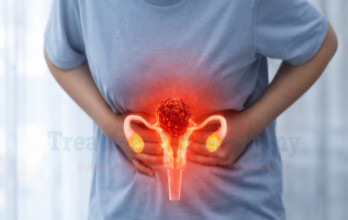
Stage 4 cervical cancer is the most advanced stage of cervical cancer, indicating that cancer cells have spread beyond the cervix and pelvic region to distant organs. At this stage, the disease is classified as systemic, meaning it affects the body as a whole rather than remaining localized to one area. Treatment planning therefore shifts away from single-site tumor removal and focuses instead on long-term disease control, symptom management, and maintaining quality of life. Decisions are made carefully, taking into account the extent of spread, overall health status, and how the disease is behaving over time.
Germany has become a trusted destination for women seeking innovative and advanced treatment options for stage 4 cervical cancer because of its highly structured medical system, regulated oncology standards, and specialist-led treatment programs. Advanced treatment pathways in Germany integrate interventional oncology and immune-based therapies within carefully monitored clinical frameworks.
These approaches are guided by experienced experts such as Prof. Vogl, known for advanced embolization-based cancer procedures, and Prof. Gansauge, recognized for his focused work in advanced cell-based cancer immunotherapy. For international patients, treatment in Germany is supported through coordinated treatment pathways, with TIG, Treatment in Germany at www.treatmentingermany.de , providing complete logistical support so patients can focus on medical decisions rather than administrative complexity.
Why Symptoms Change in Stage 4 Cervical Cancer
As cervical cancer progresses to stage 4, symptoms often become more widespread because cancer is no longer confined to one area. Symptoms may result directly from tumor growth, pressure on surrounding organs, or cancer spread to distant sites such as the liver, lungs, bones, or lymph nodes.
Symptom intensity varies between patients. Some experience gradual changes, while others notice rapid progression. Recognizing these symptoms early allows doctors to assess disease behavior and plan appropriate supportive and therapeutic strategies.
Common Symptoms of Stage 4 Cervical Cancer
In advanced cervical cancer, symptoms often extend beyond gynecological discomfort. Many patients experience persistent pelvic pain that may radiate to the lower back or legs. Vaginal bleeding may occur outside of normal menstrual cycles or after menopause and can become heavier or more frequent over time.
Unusual vaginal discharge is another common symptom. This discharge may have a strong odor or appear watery or blood-tinged. Fatigue that does not improve with rest is frequently reported, reflecting the body’s increased energy demand and systemic disease activity.
Pelvic and Urinary Symptoms in Advanced Cervical Cancer
As tumors grow or spread within the pelvic region, pressure on nearby organs becomes more noticeable. Some patients experience difficulty urinating, pain during urination, or a feeling of incomplete bladder emptying. Swelling of the legs may occur due to lymphatic obstruction caused by tumor spread.
Bowel-related symptoms may also appear, including constipation, discomfort during bowel movements, or changes in bowel habits. These symptoms often indicate that cancer is affecting surrounding pelvic structures.
Symptoms Related to Cancer Spread
When stage 4 cervical cancer spreads beyond the pelvis, symptoms depend on the organs involved. If cancer spreads to the lungs, patients may notice persistent cough, shortness of breath, or chest discomfort. Liver involvement may cause abdominal fullness, nausea, appetite loss, or unexplained weight loss.
Bone involvement can lead to persistent bone pain, especially in the spine, hips, or legs. In some cases, neurological symptoms such as weakness or numbness may occur if cancer affects nerve pathways. These symptoms signal advanced disease activity and require structured evaluation.
General Physical Changes in Stage 4 Cervical Cancer
Advanced disease often leads to systemic symptoms that affect daily life. Persistent fatigue, weakness, and reduced stamina are common. Some patients experience anemia-related symptoms such as dizziness or pale skin. Appetite changes and unintended weight loss may reflect increased metabolic demand and disease burden.
These symptoms are not always constant and may fluctuate depending on disease activity and supportive care. German oncology centers emphasize symptom tracking as part of long-term disease management.
Why Accurate Symptom Assessment Matters
In stage 4 cervical cancer, symptom evaluation is not only about comfort but also about guiding treatment planning. Changes in symptoms may indicate disease progression, treatment response, or the need for supportive interventions. German specialists rely on structured symptom assessment combined with imaging and laboratory findings to adjust therapy safely and effectively. This approach helps prevent unnecessary interventions while ensuring timely treatment adjustments when disease behavior changes.
Treatment options for Stage 4 Cervical Cancer in Germany
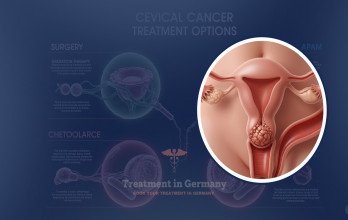
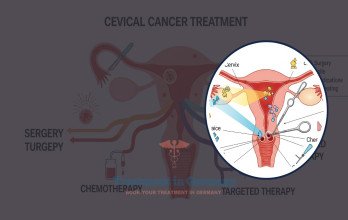
Treatment for advanced cervical cancer focuses on long-term disease control rather than cure. In Germany, treatment strategies are individualized and continuously reviewed. Alongside systemic therapies, innovative treatment options may be evaluated to support localized disease control or immune-based approaches.
Two advanced options sometimes considered in selected cases are Targeted Embolization Treatment and Immunotherapy Dendritic Cell Therapy in Germany. These treatments are evaluated carefully based on disease spread, symptom burden, and overall patient condition.
Targeted Embolization Treatment for Stage 4 Cervical Cancer in Germany
Targeted Embolization Treatment in Germany is an interventional oncology procedure evaluated in selected advanced cancer cases when localized tumor control is needed. This approach focuses on delivering therapy directly to tumor-feeding blood vessels, reducing blood supply to cancer tissue while minimizing exposure to surrounding healthy structures. The cost of targeted embolization treatment in Germany typically ranges between €8,000 and €9,000 per session, depending on procedural complexity and treatment planning. Suitability is determined through detailed imaging and medical evaluation.
Immunotherapy Dendritic Cell Therapy for Stage 4 Cervical Cancer in Germany
Immunotherapy Dendritic Cell Therapy in Germany is a personalized immune-based treatment designed to support immune recognition of cancer-related markers. Rather than directly destroying tumors, this therapy focuses on immune education and long-term immune surveillance.
The process includes medical evaluation, immune cell collection, laboratory preparation in an EU GMP certified facility, and administration of a personalized dendritic cell vaccine. The cost of dendritic cell therapy in Germany is €26,000, covering laboratory processing and administration. Eligibility is determined through careful medical review.
Why International Patients Choose Treatment in Germany
Germany is widely trusted for advanced cervical cancer care because of its regulated clinical standards, transparent treatment planning, and multidisciplinary oncology expertise. Treatment is delivered through established German healthcare centers and specialized German oncology centers that emphasize safety, monitoring, and patient-centered treatment.
International patients benefit from structured coordination through TIG, Treatment in Germany at www.treatmentingermany.de , which manages complete logistical arrangements including medical visa (if required) . This coordinated pathway allows patients to focus on treatment decisions rather than administrative complexity.
🌍Why Patients Worldwide Prefer Our Medical Services in Germany – Key Benefits Explained:















.webp)
 (1).webp)

.webp)


.jpg)

 (1).webp)

.jpg)