
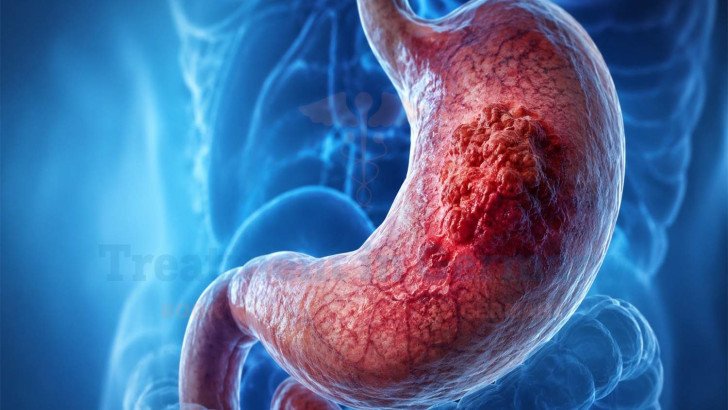
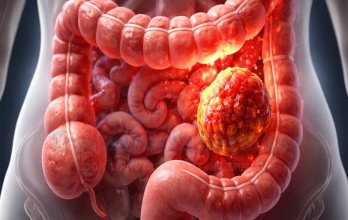
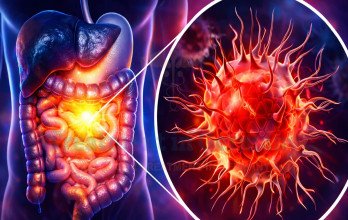
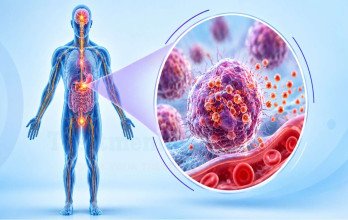
With stomach cancer — also called gastric cancer — cancer cells grow out of control in your stomach. Cancer can form anywhere in your stomach.
Advanced Stomach (Gastric) Cancer Treatment in Germany
Gastric cancer was the fifth most commonly diagnosed cancer worldwide and the fourth leading cause of cancer-related mortality in 2022, with an estimated 968,000 new cases and approximately 660,000 deaths globally [1]. Despite improvements in early detection in some regions, the majority of patients worldwide still present with locally advanced or metastatic stomach cancer by the time a diagnosis is confirmed. At advanced stages, treatment typically requires multidisciplinary management and may involve systemic therapy, biomarker-directed treatment, supportive care, and consideration of clinical trials.
Germany is recognized internationally for its comprehensive oncology infrastructure and access to advanced cancer therapies, offering internationally recognized oncology programs, comprehensive molecular tumor profiling, and access to treatments that remain unavailable or experimental in many countries. From guideline-supported immunotherapy and targeted therapies to specialized interventional approaches such as TACP and investigational immunotherapies including dendritic cell therapy, patients in Germany may access highly individualized treatment pathways tailored to tumor biology and clinical status.
TIG GmbH connects international patients with leading gastric cancer specialists in Germany, managing the full journey from initial medical record review through treatment coordination, visa support, and post-treatment follow-up. If you are facing a diagnosis of advanced or metastatic stomach cancer and exploring what is genuinely possible, TIG GmbH is the place to begin.
What Is Stomach Cancer and Why Is It So Often Diagnosed Late?
Stomach cancer, also referred to as gastric cancer, develops when abnormal cells begin to grow uncontrollably within the lining of the stomach. The most common form is adenocarcinoma gastric cancer, which arises from the glandular cells of the stomach lining and accounts for approximately 90 to 95% of all cases. Less common gastric malignancies include gastrointestinal stromal tumors (GISTs), primary gastric lymphomas, and neuroendocrine neoplasms. Stomach lining cancer develops gradually, often over years, and because the stomach has a large capacity to expand, tumors can grow substantially before causing noticeable symptoms [2].

Relative lack of early symptoms contributes to the frequent diagnosis of gastric cancer at an advanced stage. Globally, a significant proportion of patients are diagnosed at stage III or IV, at which point the tumor may have invaded beyond the gastric wall or metastasized to distant organs. Adenocarcinoma stomach cancer stages progress from stage I (confined to the inner stomach lining) through to stage IV (distant metastatic spread), with each stage representing a meaningfully different clinical situation and set of treatment options [11].
Established risk factors for the development of gastric cancer include:
Helicobacter pylori infection, the most important established modifiable risk factor for non-cardia gastric adenocarcinoma worldwide
Dietary patterns characterized by high intake of salt-preserved, smoked, or processed foods and low intake of fresh fruits and vegetables
Cigarette smoking and heavy alcohol consumption
A personal or family history of gastric cancer or gastric polyps
Chronic atrophic gastritis and intestinal metaplasia
Obesity, particularly as a risk factor for gastroesophageal junction adenocarcinoma
Signs and Symptoms of Stomach Cancer
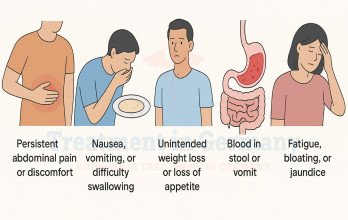
One of the most challenging aspects of stomach cancer is that early disease almost never produces distinct symptoms. By the time symptoms of stomach cancer become noticeable, the disease has frequently already progressed to an advanced stage. This pattern is similar across both sexes, though some differences exist. Symptoms of stomach cancer in females can sometimes be attributed to other gynecological or gastrointestinal conditions, causing additional delays in diagnosis.
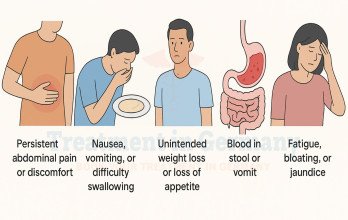
The signs of gastric cancer that most commonly lead patients to seek medical attention include:
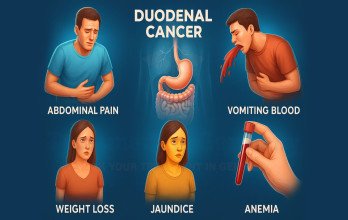
Persistent upper abdominal discomfort, pain, or a sense of fullness after small meals
Unexplained and progressive weight loss
Nausea with or without vomiting, sometimes containing blood
Difficulty swallowing, particularly for tumors near the gastroesophageal junction
Loss of appetite that develops without an obvious cause
Persistent dyspepsia or reflux symptoms that do not respond to conventional therapy
Black or tarry stools, which can indicate bleeding from the tumor
Fatigue and a pale complexion due to anemia from chronic blood loss
Because these symptoms are shared with many benign gastrointestinal conditions, many patients delay seeking a formal stomach cancer diagnosis for months. Anyone experiencing persistent unexplained upper abdominal symptoms, particularly in the presence of known risk factors, or alarm features, should undergo medical evaluation, which may include upper gastrointestinal endoscopy.
How Is Stomach Cancer Diagnosed? Tests, Biopsies, and Staging
The primary investigation for suspected gastric cancer is upper gastrointestinal endoscopy, which allows direct visualization of the stomach lining and enables targeted tissue sampling. Biopsies of stomach tissue obtained during endoscopy are examined histopathologically to confirm the diagnosis and histologic subtype of malignancy. This is the definitive step in establishing a stomach cancer diagnosis and cannot be replaced by imaging alone [2].
How to test for stomach cancer comprehensively also involves CT scanning of the chest, abdomen, and pelvis to assess local invasion and detect distant metastases, and PET-CT where available to identify occult metastatic spread. Endoscopic ultrasound provides detailed information about the depth of tumor invasion through the stomach wall and involvement of nearby lymph nodes. To detect stomach cancer early, population-based screening endoscopy programs are implemented in several high-incidence countries, including Japan and South Korea. In Germany, where individual risk assessment guides clinical decisions, patients presenting with concerning symptoms are investigated promptly and comprehensively [11].
Molecular testing has become an essential part of treatment planning for advanced stomach cancer treatment in Germany. HER2 amplification status, PD-L1 expression, microsatellite instability (MSI) and mismatch repair (MMR) deficiency, and VEGFR2 expression are all assessed, as each directly influences treatment selection and eligibility for targeted therapies and immunotherapy. German oncology clinics perform this biomarker testing is routinely performed in patients with advanced or metastatic gastric cancer to guide systemic treatment selection.
Stomach Cancer Stages and Survival
Understanding stomach cancer stages and their associated prognosis helps patients and families set realistic expectations and make informed treatment decisions. The following table summarizes the characteristics and approximate survival outcomes associated with each stage of gastric cancer [3].

Outcomes vary significantly depending on molecular subtype, response to therapy, extent of metastatic disease, overall health status, and access to specialized treatment. Stomach cancer survival rate stage 4 has improved in recent years with the introduction of targeted therapies and checkpoint inhibitors, particularly in patients with HER2-positive, MSI-high/dMMR, or PD-L1–positive tumors. Stage 4 stomach cancer life expectancy without treatment is generally measured in weeks to a few months, which makes timely access to specialist care critically important although prognosis varies considerably depending on disease burden, nutritional status, and patient comorbidities[11]. Patients accessing gastric cancer treatment in Germany through specialized centers consistently benefit from treatment plans that go beyond population averages.
Standard Treatment Options for Advanced Gastric Cancer
When gastric cancer is diagnosed at an advanced stage, treatment is determined through multidisciplinary tumor board review incorporating staging results, molecular profiling, performance status, and the patient's personal treatment goals.
Standard stomach cancer treatment options and established treatment of gastric cancer modalities include:
Surgery: Partial or total gastrectomy with lymph node dissection and regional lymph node dissection combined with perioperative systemic therapy remains the only potentially curative approach for resectable stomach cancer. In Germany, minimally invasive and robotic-assisted approaches are widely available.
Perioperative chemotherapy: FLOT (fluorouracil, leucovorin, oxaliplatin, docetaxel) is the recommended perioperative regimen for resectable gastric and gastroesophageal junction cancer per ESMO guidelines [11].
Palliative chemotherapy: Platinum and fluoropyrimidine-based combinations form the backbone of first-line systemic therapy for metastatic stomach cancer.
HER2-targeted therapy: Trastuzumab added to chemotherapy is the standard of care for HER2-positive metastatic stomach cancer. Novel HER2-directed agents including trastuzumab deruxtecan are also approved in later lines [11].
Stomach cancer medication: Antiangiogenic agents such as ramucirumab alone or in combination with paclitaxel, is commonly used in second-line treatment for advanced gastric cancer and as second-line therapy for metastatic stomach cancer.
Radiotherapy: Radiotherapy in selected cases for locoregional disease control or palliation of bleeding and obstruction.
Palliative interventions: Palliative interventions including endoscopic stenting to relieve obstruction and maintain oral intake.
TIG GmbH coordinates access to all standard treatment modalities at Germany's leading gastric oncology centers, ensuring international patients are matched with the most appropriate approach for their specific tumor biology and clinical situation.
Innovative Stomach Cancer Treatment options in Germany
TACP for Advanced Stomach (Gastric) Cancer Treatment in Germany
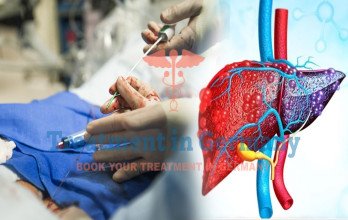
Transarterial Chemoperfusion (TACP) is an advanced, minimally invasive interventional approach that delivers high concentrations of chemotherapy directly to the tumor through its arterial blood supply. Unlike conventional systemic chemotherapy, which distributes throughout the body, TACP treatment for stomach cancer is designed to increase local chemotherapy exposure at the tumor site while potentially reducing some systemic toxicity compared with conventional intravenous administration.

In gastric cancer, like many solid tumors, advanced gastric cancers depend on tumor-associated vascular supply to support growth and progression. tumors develop their own arterial blood supply to sustain rapid growth. TACP exploits this dependency, directing chemotherapy through the arterial network feeding the tumor and achieving drug concentrations at the target site that would not be safely achievable through intravenous administration. Limited clinical studies examining transarterial chemotherapy delivery in selected patients with unresectable gastric or gastroesophageal junction cancer have reported disease control and symptom improvement in some cases [4]. Further research on continuous gastric artery infusion chemotherapy in patients with advanced gastric cancer found that this approach showed promise in relieving digestive obstruction and achieving local tumor control in patients with inoperable disease [5].
The TACP procedure begins with a consultation with the treating professor, who reviews the patient's complete history, evaluates prior treatments, and designs a personalized therapy plan. CT or MRI imaging to evaluate tumor extent and vascular anatomy for procedural planning and guides the approach. During the procedure, a small catheter is carefully advanced into the arterial supply feeding the tumor, and a high dose of chemotherapy is delivered under precise imaging guidance. Blood flow through the tumor is maintained throughout, allowing prolonged drug exposure to the cancer cells.
After the procedure, patients are monitored for approximately three hours. A control CT scan confirms the outcome before discharge, and a same-day follow-up consultation with the treating professor reviews imaging results and outlines the next steps. Although early studies suggest potential benefits in selected patients, TACP is not currently included as a standard first-line treatment in NCCN or ESMO gastric cancer guidelines, and evidence from large randomized trials remains limited.
Immunotherapy for Stomach Cancer in Germany: A Shifting Paradigm
Immune checkpoint inhibitors have significantly expanded treatment options for selected patients with advanced gastric cancer over the past several years. The integration of immune checkpoint inhibitors into first-line and second-line therapy has meaningfully improved survival for selected patient populations, particularly in tumors with elevated PD-L1 expression, MSI-high status, or mismatch repair deficiency Immunotherapy for stomach cancer works by blocking inhibitory immune checkpoints, most importantly the PD-1/PD-L1 pathway, which cancer cells exploit to evade immune recognition. By interrupting this suppression, checkpoint inhibitors allow cytotoxic T-cells to identify and attack gastric tumor cells [7].

The evidence base for stomach cancer immunotherapy has expanded considerably through multiple randomized clinical trials. Several landmark trials have demonstrated that adding checkpoint inhibitors such as nivolumab to standard chemotherapy significantly improves overall survival in patients with HER2-negative advanced gastric cancer, particularly in those with CPS 5 or higher PD-L1 expression [10]. For patients with MSI-high or deficient mismatch repair tumors, immunotherapy has shown particularly durable responses in a subset of patients. The ESMO Clinical Practice Guideline now incorporates immune checkpoint inhibitors as a standard component of first-line therapy for eligible patients with advanced gastric cancer [11].
Germany's leading oncology clinics are at the forefront of immunotherapy for stomach cancer, providing comprehensive molecular profiling to identify the patients most likely to benefit and delivering treatment within multidisciplinary programs that integrate immunotherapy with other modalities. Novel approaches including combination immunotherapy regimens, antibody-drug conjugates, and next-generation checkpoint inhibitors are being investigated in clinical trials at German academic centers, giving patients access to therapeutic options not yet available through standard care [10].
TIG GmbH facilitates access to these specialized programs, helping patients and families understand how molecular profiling results translate into specific treatment options and connecting them with the gastric cancer specialists in Germany best placed to deliver cancer treatment at the highest level.
Dendritic Cell Therapy for Gastric Cancer in Germany
Dendritic cell (DC) therapy is an investigational form of personalized cancer immunotherapy currently being explored in gastrointestinal malignancies, including gastric cancer. It works differently from checkpoint inhibitors: rather than releasing existing immune suppression, DC therapy actively educates the immune system to recognize and attack cancer cells. Dendritic cells are the immune system's most specialized antigen-presenting cells, capable of initiating and directing targeted T-cell responses against specific tumor antigens. In dendritic cell therapy for gastric cancer, the patient's own blood-derived immune cells are collected, matured in a controlled laboratory environment, loaded with gastric cancer-specific antigens, and reinfused to generate a personalized anti-tumor immune response.

Research into DC-based immunotherapy for gastrointestinal cancers, including gastric cancer, has demonstrated that these vaccines can safely be administered to patients with advanced malignancies and are capable of generating measurable tumor-specific immune responses. A review of advances in human dendritic cell-based immunotherapy against gastrointestinal cancers confirmed that DC vaccines represent a scientifically sound approach to active cancer immunotherapy in this disease category [6].
More specific evidence comes from clinical research examining neoantigen-loaded dendritic cell vaccines in gastric cancer patients. A study evaluating the efficacy of neoantigen-loaded DC vaccine immunotherapy in non-metastatic gastric cancer found that this approach was capable of generating measurable tumor-specific immune responses in early clinical research, providing a rationale for its further development in advanced disease settings [8]. Particularly compelling is a case report of a durable complete response to a neoantigen-loaded DC vaccine following anti-PD-1 therapy in a patient with metastatic stomach cancer, illustrating the potential role of DC-based approaches in combination immunotherapy strategies, although larger clinical studies are still needed andsuch findings remain anecdotal and require validation in larger controlled studies [9].
How Much Does Stomach Cancer Treatment Cost in Germany?
Understanding treatment costs is an essential part of planning for patients considering stomach cancer treatment in Germany. Costs vary based on the specific treatment, the institution, and individual clinical requirements. For the interventional and cellular therapies available through Germany's specialist centers:
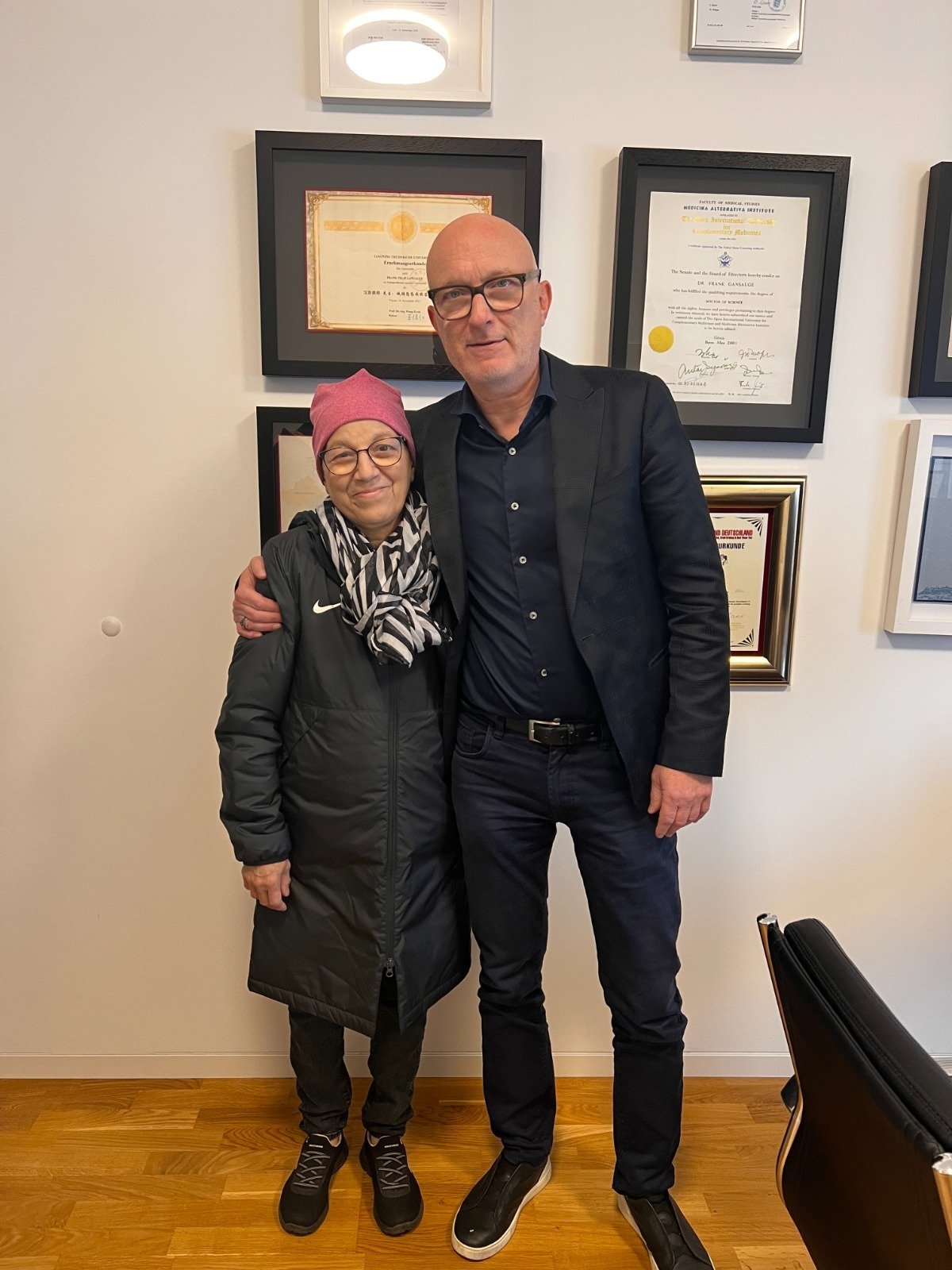
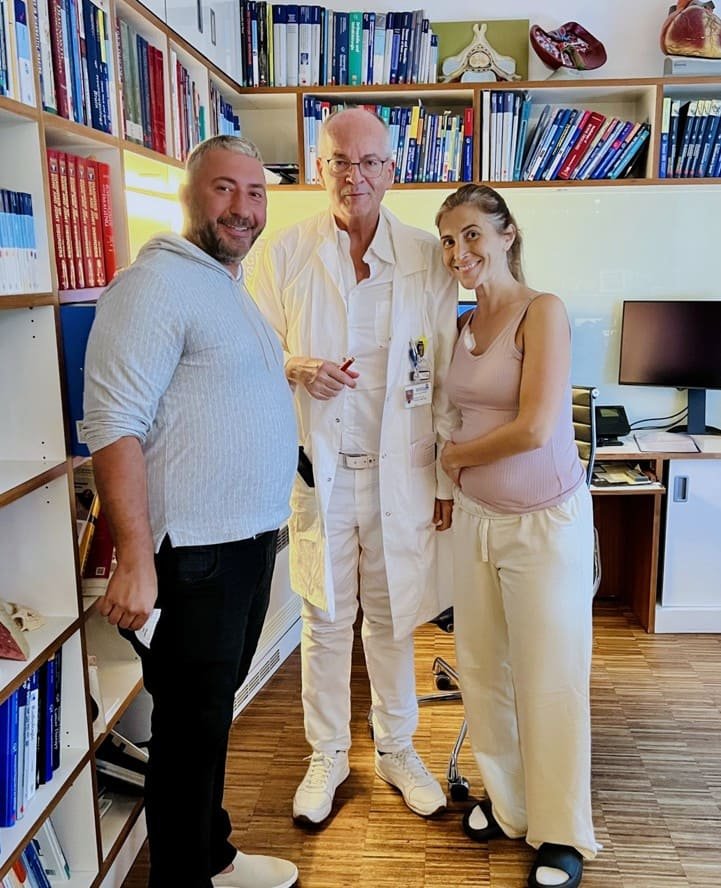
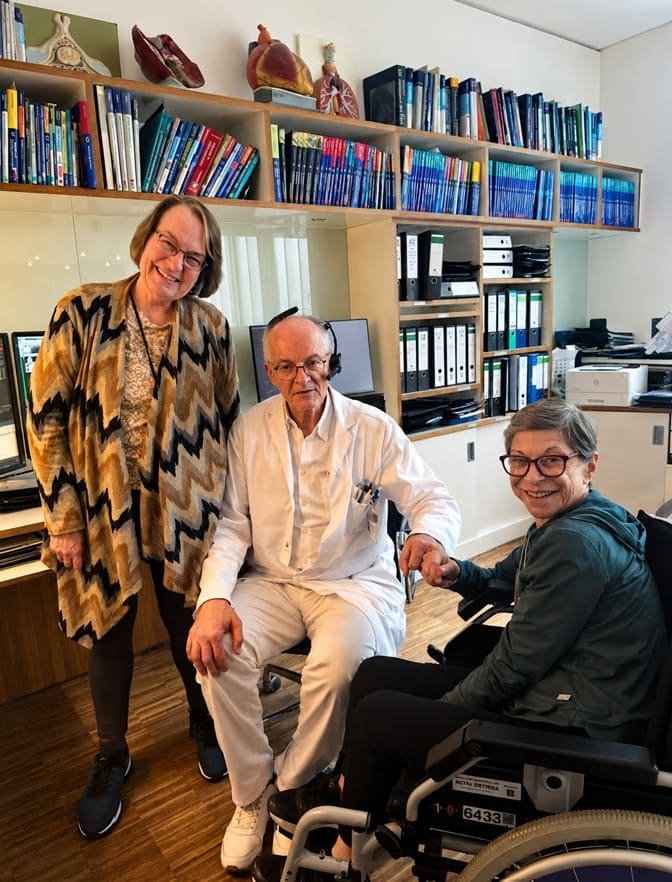
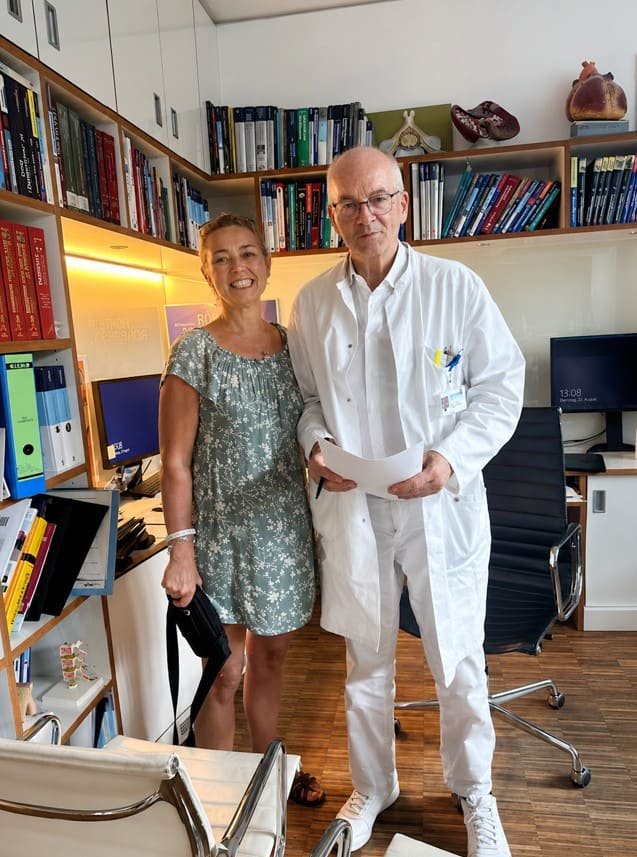
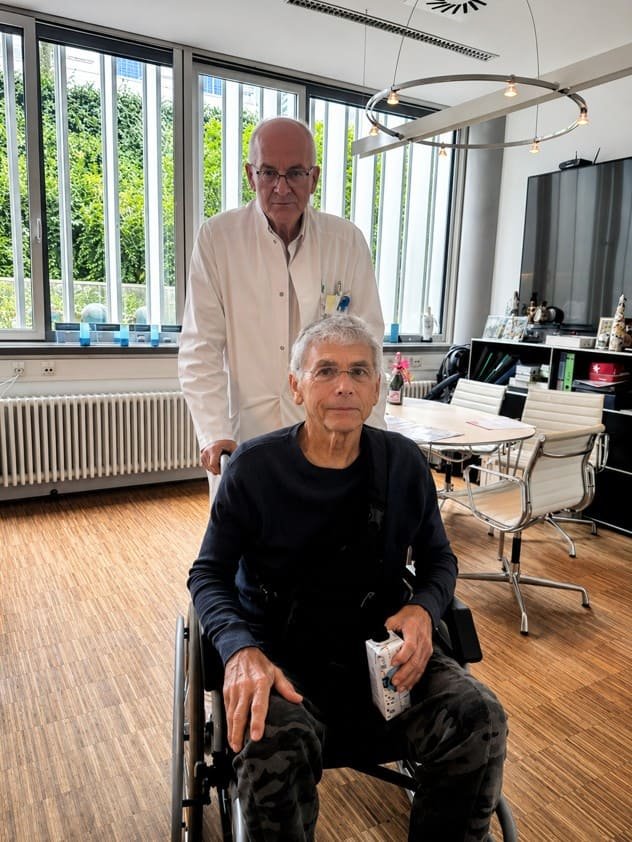
The cost of TACP treatment in Germany typically ranges between €8,000 and €9,000 per session, delivered by Prof. Vogl and his specialist team. The number of sessions required depends on tumor response and the individualized treatment plan. The cost of dendritic cell therapy in Germany is approximately €27,000 for total course, delivered by Prof. Gansauge at LDG Laboratories, covering the full laboratory preparation, quality testing, and administration protocol.
Costs for immunotherapy, chemotherapy, surgery, and other standard treatment modalities depend on the specific agents, number of cycles, and the treating institution. TIG GmbH provides every patient with a detailed, personalized cost breakdown before any commitment to travel or treatment is made, ensuring complete transparency for patients pursuing gastric cancer treatment in Germany.
Why Patients Choose Germany for Stomach Cancer Treatment?
For patients with advanced or metastatic stomach cancer, Germany offers a combination of clinical depth, research-driven innovation, and patient-centered infrastructure that places it among the world's most trusted destinations for complex oncological care.
Multidisciplinary gastric oncology tumor boards at all major academic centers, ensuring every case is reviewed collaboratively and treatment plans are truly individualized
Comprehensive molecular profiling including HER2, PD-L1, MSI/MMR, VEGFR2, and emerging biomarkers to guide fully personalized stomach cancer treatment options
ESMO guideline-aligned care [11] ensuring treatment standards match the best published international evidence for treatment for stomach cancer
Access to novel immunotherapy combinations, clinical trials, and investigational agents not yet available in many countries
Specialized interventional oncology through Prof. Vogl's team, offering TACP treatment in Germany for patients with locally advanced or metastatic disease
Clear, accessible medical visa processes for international patients, supported by TIG GmbH from the first inquiry through to treatment completion
List of Leading Hospitals for Stomach Cancer Treatment in Germany
The following academic medical centers are recognized as some of the best hospitals in Germany for stomach cancer and are regularly accessed by international patients through TIG GmbH:

Each of these institutions has dedicated gastric cancer specialists in Germany working within structured multidisciplinary teams. TIG GmbH has established relationships with oncology departments at all of these centers and can help patients secure second opinions, schedule consultations, and coordinate their full treatment journey from abroad.
How TIG GmbH Helps You Access Advanced Gastric Cancer Treatment in Germany
Navigating advanced stomach cancer treatment in Germany from abroad takes real coordination. TIG GmbH handles every part of the journey so you can focus entirely on getting better.
Medical record review: Your reports, scans, and biopsy results are reviewed and sent to the right gastric cancer specialists in Germany for a pre-consultation opinion
Hospital and specialist matching: TIG GmbH finds the most suitable center for your specific case, whether you need TACP treatment in Germany, immunotherapy for stomach cancer in Germany, dendritic cell therapy, or a combination
Medical visa assistance: Full support with visa documentation and hospital invitation letters for cancer treatment in Germany
Travel: Flights and logistics, all arranged for you
Interpreter services: A medically trained interpreter by your side throughout every appointment
Post-treatment follow-up: Your home doctors are kept informed so your care continues seamlessly after you return
Whether you are just starting to explore gastric cancer treatment in Germany or ready to book your first consultation at one of the best hospitals in Germany for stomach cancer, TIG GmbH is with you every step of the way. Reach out today.
References
Why Patients Worldwide Prefer Our Medical Services in Germany – Key Benefits Explained


Read more
















.webp)
 (1).webp)
.webp)
.jpg)
 (1).webp)
.jpg)